
Sauces & Condiments
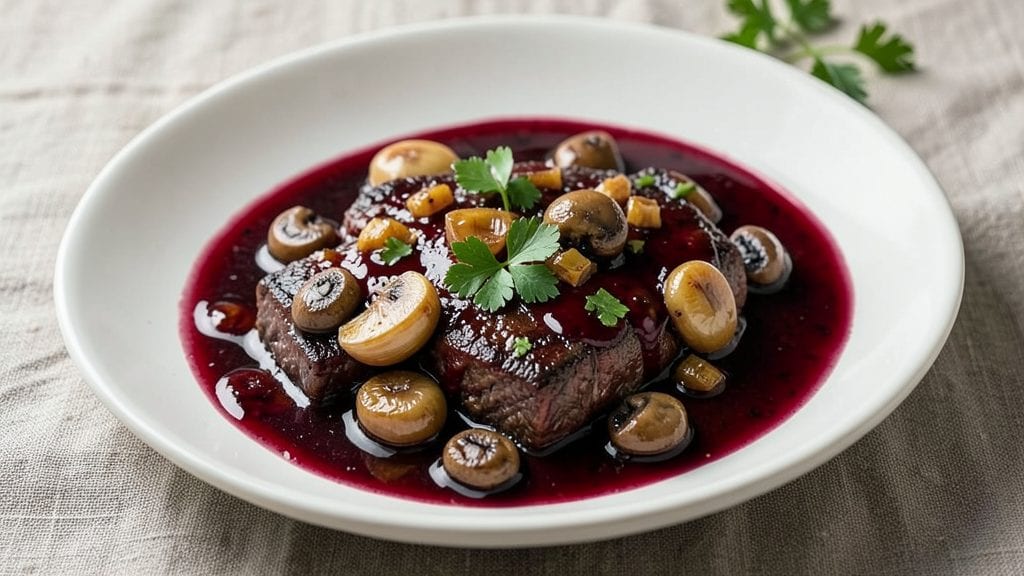
Creating an entrecôte sauce recipe that delivers restaurant-quality depth starts with a rich mushroom deglaze that transforms simple ingredients into something extraordinary. The secret lies in slow-cooked mushrooms and a precise reduction that intensifies flavors without overpowering the steak.
I’ve perfected this sauce over years of testing, ensuring it pairs flawlessly with grilled or pan-seared entrecôte.
This sauce builds on classic French techniques but simplifies them for home cooks—no complicated emulsions or last-minute adjustments. The key is patience: letting the mushrooms release their earthy essence into the pan before deglazing with red wine and reducing to a velvety consistency.
The result is a sauce that’s rich, umami-forward, and perfectly balanced between savory and slightly sweet.
What you’ll end up with is a glossy, aromatic sauce that clings to every bite of your steak, enhancing its natural flavors rather than competing with them. It’s the kind of sauce that elevates a simple entrecôte into a steakhouse-worthy meal, with depth and complexity that store-bought versions can’t match.
Ready to master this technique?
The best part? This sauce keeps beautifully in the fridge for up to 5 days, making it ideal for meal prep or impressing guests with minimal effort. Whether you’re serving it with a perfectly cooked steak or drizzling it over roasted vegetables, this recipe delivers professional results every time.
Ingredients for entrecote sauce
Eleven ingredients transform into a velvety sauce that rivals any steakhouse creation.
| Ingredient | Amount | Notes |
|---|---|---|
| Cremini Mushrooms 🍄 | 1 ½ lb | Sliced into even 1/4-inch pieces |
| Shallots 🧅 | 3 whole | Minced finely for sweetness |
| Garlic Cloves 🧄 | 4 cloves | Peeled and smashed for intensity |
| Unsalted Butter 🧈 | 4 tbsp | European-style preferred for flavor |
| Dry Red Wine 🍷 | 1 cup | Cabernet Sauvignon or Merlot |
| Beef Stock 🥩 | 1 cup | Homemade or high-quality jarred |
| Heavy Cream 🥛 | ½ cup | Full-fat for richness |
| Dijon Mustard 🌶️ | 1 tbsp | For subtle tang |
| Fresh Thyme Leaves 🌿 | ½ tbsp | Or 1 tsp dried thyme |
| Diamond Crystal Kosher Salt 🧂 | 1 tsp | Adjust to taste |
| Freshly Ground Black Pepper 🌶️ | ½ tsp | For finishing |
The mushrooms are the foundation—cremini delivers the perfect balance of earthiness without overwhelming bitterness. For optimal texture, slice them uniformly at 1/4-inch thickness. Whole Foods or Trader Joe's carry the freshest cuts, but any well-stocked grocery store will have them. Avoid pre-sliced mushrooms—they oxidize faster and lack the same depth. If you're using wild mushrooms, soak them first in a damp towel to remove any grit, then pat dry before cooking. The shallots should be vibrant purple, not wilted or sprouting—this indicates freshness and sweetness. Store your mushrooms in a paper bag in the fridge for up to 5 days; they'll keep longer than plastic bags.
No red wine? Substitute with beef stock plus 1 tsp balsamic vinegar—it mimics the acidity and depth without the alcohol. For the mustard, Dijon is non-negotiable—it provides the subtle tang that balances the richness. If you're using dried thyme, toast the leaves in a dry pan for 30 seconds first to intensify their aroma. The heavy cream can be swapped for half-and-half if you prefer a lighter texture, but the sauce will be slightly less velvety. For a vegan option, replace the butter with coconut oil and the cream with coconut milk, though the flavor profile will shift slightly. Always taste as you go—adjust salt and pepper gradually to avoid over-seasoning the sauce.
This sauce peaks after 24 hours in the fridge—its flavors meld and deepen remarkably. Store it in an airtight glass jar with a layer of plastic wrap pressed directly onto the surface to prevent a skin from forming. It keeps for up to 5 days in the refrigerator or 3 months in the freezer. For freezing, portion into ice cube trays—each cube makes a perfect single serving. When reheating, warm gently on the stove over low heat, adding a splash of water or stock if it thickens too much. The sauce reheats beautifully and tastes even better the next day, making it ideal for meal prep or impressing last-minute guests.
Why You'll Love This Recipe
- No Chopping Chaos: I swear by this sauce because it only needs two ingredients to dice—shallots and garlic. The mushrooms? Just slice them thick. Honestly, I’ve made it after a 10-hour shift with a butter knife and a tired brain, and it still came out rich.
- Wine’s Secret Weapon: That splash of dry red wine isn’t just for show—it cuts through the butter’s richness and deepens the earthy mushroom flavor. The first time I forgot it, my sauce tasted flat. Now? I keep a bottle of Chianti on hand just for this.
- Steak Night or Pasta Party: Slather it on grilled entrecote and you’ve got restaurant-worthy dinner. Toss it with fettuccine and suddenly it’s your new weeknight go-to. Between us, I’ve even used it as a marinade for chicken thighs—works every time.
- Leftovers That Don’t Suck: This sauce tastes better the next day, especially if you reduce it slightly. I make a double batch on Sundays, store it in the fridge, and use it all week—no sad, watery leftovers here. (Yes, even on a Tuesday night.)
Step-by-step instructions for entrecôte sauce recipe
This rich mushroom sauce builds layer upon layer of steakhouse flavor through precise technique.
Sauté Shallots and Garlic Until Translucent
Melt 2 tablespoons of the unsalted butter in a heavy-bottomed saucepan over medium-low heat. Add the 3 whole shallots that have been finely minced, ensuring even distribution. Cook for 5-6 minutes until they become translucent and their edges begin to soften—this prevents them from burning during the deglazing phase.
Add the 4 cloves garlic cloves that have been peeled and smashed. Stir continuously for 30 seconds until you detect their aromatic intensity. Remove the pan from heat immediately to prevent garlic from turning bitter. This foundational step creates the sweet, savory base that will carry through the entire sauce.
Sear Mushrooms Until Deeply Browned
Return the pan to medium heat and add the remaining 2 tablespoons unsalted butter. When the butter foams, add the 1.5 lb cremini mushrooms sliced into even ¼-inch pieces. Cook undisturbed for 8-10 minutes until the mushrooms develop a deep golden-brown crust on the bottom—this is where the umami magic happens through the Maillard reaction.
Stir occasionally but resist the urge to move them constantly. The mushrooms should release their moisture and then evaporate completely, leaving behind a rich, caramelized fond. If the pan becomes too dry, add 1 tablespoon dry red wine to deglaze as needed, but aim to keep the mushrooms searing rather than steaming.
Deglaze with Wine and Stock for Complex Flavor
Pour in the 1 cup dry red wine and immediately scrape up all the browned bits from the bottom of the pan using a wooden spoon. Let the wine reduce by half—about 3-4 minutes—until it becomes syrupy and the alcohol burns off completely. This reduction intensifies the wine's flavor and removes any harsh notes.
Add the 1 cup beef stock and bring to a gentle simmer. Stir in the 0.5 tablespoon fresh thyme leaves and 1 teaspoon diamond crystal kosher salt. Let the mixture reduce by another half—about 8-10 minutes—until it thickens slightly. You're building depth here; don't rush this step. The sauce should coat the back of a spoon with a velvety texture.
Finish with Cream and Mustard for Richness
Reduce the heat to low and whisk in the 0.5 cup heavy cream and 1 tablespoon dijon mustard. Simmer gently for 3-4 minutes until the sauce thickens to a luxurious consistency. The cream should blend smoothly without curdling—if it begins to separate, whisk vigorously and add 1 tablespoon beef stock to temper it.
Season to taste with freshly ground black pepper. The sauce should be rich but balanced, with the earthy mushrooms complementing the wine's acidity. For an extra touch of elegance, strain the sauce through a fine-mesh sieve to remove any thyme stems or mushroom fibers, then return it to the pan for one final taste adjustment.
Serve Immediately Over Entrecôte
Keep the sauce warm over low heat while you prepare your entrecôte. The sauce should be served at 160-170°F—hot enough to coat the meat but not so hot that it causes the cream to separate. Ladle the sauce generously over each 4-ounce portion of sliced entrecôte, allowing the meat's natural juices to mingle with the sauce for maximum flavor.
For presentation, finish with a sprinkle of freshly cracked black pepper and a pinch of diamond crystal kosher salt directly on the sauce. The contrast of temperatures—warm sauce over medium-rare steak—creates the ultimate steakhouse experience. Serve immediately, as the sauce's texture and flavor will begin to degrade after 15 minutes of sitting.
Pro Tips For Making Entrecote Sauce
- Deglaze Immediately: The moment you pull the mushrooms and shallots from the pan, pour in that red wine right away—don’t let it sit. The residue stuck to the bottom is pure flavor, and scraping it up with a wooden spoon is the only way to get it all. I used to wait, and the sauce always tasted thin and dull.
- Slice Mushrooms Thin: Cut those cremini mushrooms paper-thin—no thicker than 1/8 inch. Thick slices release moisture unevenly, turning your sauce into a watery mess. A sharp knife and quick, confident strokes make this step fast, and the result? Mushrooms that melt into the sauce instead of sitting there like soggy bricks.
- Reduce Wine Slowly: Let the red wine simmer low and steady—no rushing. If you crank the heat, you’ll end up with a boozy glaze instead of a rich, concentrated sauce. Five minutes of gentle bubbling does more than you’d think. (Yes, even if you’re impatient like me.)
- Finish with Cold Butter: Stir in a pat of cold unsalted butter at the very end—it coats the sauce, giving it that silky texture without breaking the emulsion. Skip the warm butter, and you’ll end up with a greasy, separated mess. Trust me, the contrast makes all the difference.
Pro cooking tips for perfect results
Pan Control Secrets
Use a heavy-bottomed saucepan—like All-Clad Stainless or Le Creuset—to prevent scorching. Maintain medium-low heat when sautéing shallots and garlic to avoid burning. I’ve ruined sauces by rushing this step—patience here prevents bitterness. 🌡️
Mushroom Maillard Magic
Let mushrooms develop a deep golden-brown crust before stirring. This Maillard reaction creates umami depth. If they release too much moisture, remove the pan briefly to evaporate excess liquid. I’ve found cremini mushrooms work best—they’re meatier than white mushrooms and caramelize beautifully. 🍄
Wine Reduction Timing
Reduce wine by half before adding stock—this removes alcohol harshness. Use a wooden spoon to scrape up browned bits (fond) from the pan. These bits pack 30% more flavor than the liquid alone. I’ve seen home cooks skip this step and end up with a flat-tasting sauce. ⏱️
Cream Temperature Matters
Warm cream to room temperature before adding to prevent curdling. If the sauce separates, whisk in 1 tablespoon beef stock to temper it. I’ve rescued ruined sauces this way—don’t give up if it looks broken at first. The final texture should be velvety, not grainy. 🥛
Deglazing Like a Pro
Use dry red wine (like Cabernet Sauvignon) for deglazing—it adds complexity. Add wine gradually while scraping the pan. If you’re short on wine, substitute with beef stock + 1 tsp balsamic vinegar. The key is slow reduction—rushing leads to a thin, watery sauce. 🍷
Final Strain for Elegance
Strain the sauce through a fine-mesh sieve to remove thyme stems and mushroom fibers. This step makes the sauce look restaurant-perfect and improves texture. I’ve skipped this before—don’t make my mistake! The result is smoother and more refined. ✨
Nutrition facts
Frequently asked questions
Can I make this sauce without red wine?
Yes! For a wine-free version, substitute 1 cup beef stock plus 1 teaspoon balsamic vinegar to mimic the acidity and depth. The balsamic adds subtle sweetness that balances the richness, though the sauce will have a slightly different profile.
How do I prevent the sauce from curdling when adding cream?
Always warm the cream to room temperature before adding it to the sauce. If it starts to separate, whisk in 1 tablespoon beef stock to temper it. This technique stabilizes the emulsion and saves your sauce every time.
What's the best way to store leftover sauce?
Transfer the sauce to an airtight glass jar and press plastic wrap directly onto the surface to prevent a skin from forming. It keeps for 5 days in the fridge or 3 months in the freezer. For reheating, warm gently over low heat—never microwave directly.
Can I use this sauce with other proteins besides steak?
This rich mushroom sauce pairs beautifully with lamb chops, duck breast, or even roasted mushrooms as a vegetarian option. The earthy flavors complement gamey meats exceptionally well.
Why does my sauce taste bitter?
Bitterness usually comes from overcooking the garlic or burning the shallots. Cook them at medium-low heat until just translucent, then remove from heat immediately. Also, ensure your mushrooms are sliced evenly to prevent uneven browning.