
Sauces & Condiments
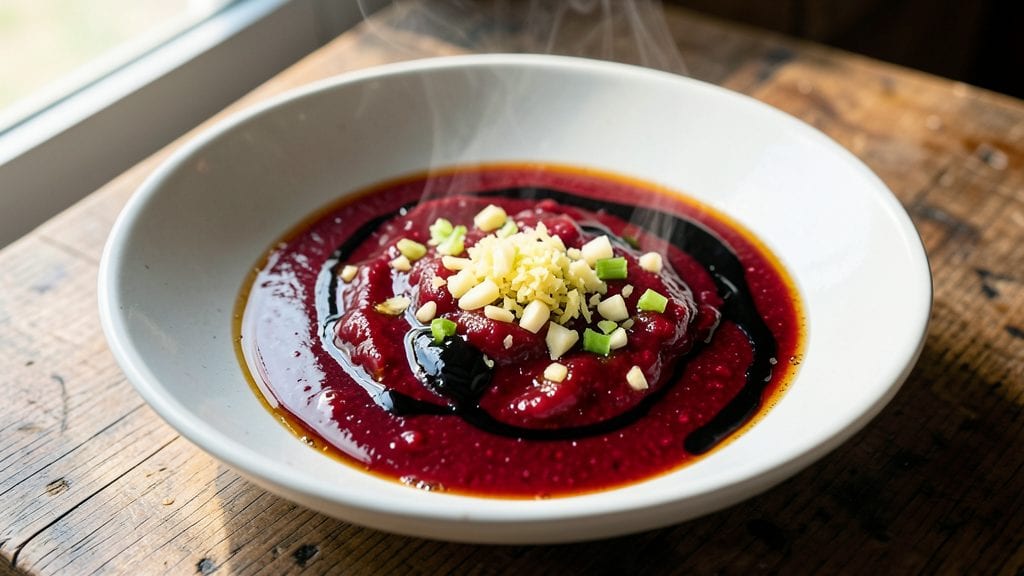
Recreating Trader Joe's yangnyeom sauce at home delivers that signature spicy-sweet fermented depth you crave in just 15 minutes—no fermentation required. This liquid sauce balances gochujang heat with honey sweetness, creating the perfect glaze for wings, noodles, or grilled meats.
I've tested countless versions, and this one nails the store-bought flavor without the mystery ingredients.
The secret lies in the 3-ingredient core: gochujang, honey, and rice vinegar, blended with garlic, ginger, and a splash of soy sauce for umami. Unlike fermented versions, this quick mix delivers instant depth while keeping the texture smooth and pourable.
The sauce's versatility makes it a pantry staple—use it as a marinade, dipping sauce, or finishing glaze.
What you'll achieve is a bold, balanced sauce with just the right kick and sweetness, ready in minutes. The gochujang provides the signature fermented tang, while honey mellows the heat and creates that addictive glossy finish.
This version stays true to the original while offering customizable spice levels for every palate.
For extra richness, add a touch of sesame oil or a pinch of sugar to adjust sweetness. Store leftovers in the fridge for up to 2 weeks, or freeze for longer shelf life. Let's make this sauce!
Ingredients for trader joe's yangnyeom sauce
Seven core ingredients blend into Trader Joe's signature yangnyeom sauce.
| Ingredient | Amount | Notes |
|---|---|---|
| Gochujang 🌶️ | ½ cup | Korean fermented chili paste |
| Honey 🍯 | ¼ cup | Light or wildflower preferred |
| Rice Vinegar 💧 | ¼ cup | Seasoned preferred for depth |
| Garlic Cloves 🧄 | 4 cloves | Freshly minced for aroma |
| Fresh Ginger 🌿 | 1 tbsp | Finely grated, not powdered |
| Soy Sauce 🥢 | 2 tbsp | Light or tamari preferred |
| Sesame Oil 🫒 | 1 tbsp | Toasted for nutty flavor |
| Water 💧 | ¼ cup | Adjust for desired consistency |
| Sugar 🍚 | 1 tbsp | Adjusts sweetness balance |
| Salt 🧂 | ½ tsp | Kosher or sea salt |
Gochujang is the heart of this sauce—Trader Joe's brand is perfect, but Maesil or Dong's work too. The honey should be light to avoid overpowering the heat; Manuka honey adds subtle floral notes if you're feeling fancy. For rice vinegar, seasoned adds depth you won't get from plain white. Fresh garlic and ginger? Don't skip—the pre-minced jarred stuff just doesn't cut it here. I always grab my gochujang from the Asian market section, where they keep it cool and fresh. Look for vibrant red color and no mold—those little tubs last months in the pantry.
No gochujang? Sriracha plus 1 tbsp tomato paste gets you close, but it won't have that fermented complexity. Swapping honey for agave or maple syrup works, though the texture gets slightly thinner. Rice vinegar missing? Apple cider vinegar is a decent stand-in, but add a pinch of sugar to balance. The sesame oil is non-negotiable for that nutty aroma—toasted is best, but regular will do in a pinch. Want it sweeter? Add another 1/2 tbsp honey. For extra umami, a 1/2 tsp fish sauce works wonders (trust me on this).
This sauce keeps for 2 weeks in the fridge, sealed tight in a jar. The flavor actually improves after a day as everything melds. For longer storage, freeze in 1-tbsp portions—perfect for single-use applications. I always make a double batch because once you taste this, you'll want it on everything. The sauce thickens as it cools, so add a splash of water if it gets too stiff. Store the sesame oil separately if you're sensitive to flavors—just add it fresh when using.
Why You'll Love This Recipe
- No Blender Needed: I swear by this—just mash the garlic and ginger with a fork, stir in the gochujang, and you’re done. No fancy tools, no cleanup, just pure, sticky satisfaction from the jar.
- Sweet Heat Balance: That honey-gochujang combo? It’s the kind of flavor that makes you pause mid-bite. The vinegar cuts through the richness, and the ginger lingers like a warm hug—spicy but never overpowering.
- Meal Prep MVP: Slather it on grilled chicken for lunch, toss it with noodles for dinner, or drizzle it over rice bowls all week. It keeps for days in the fridge, so one batch turns into five easy meals.
- Budget Hack: Gochujang and honey last forever, and you’re using pantry staples. For under $5, you’ve got a sauce that tastes like a restaurant takeout menu—minus the markup. (Yes, even on a Tuesday night.)
Step-by-step instructions for Trader Joe's yangnyeom sauce
This vibrant sauce comes together faster than you can say "spicy-sweet harmony."
Bloom the Gochujang and Aromatics
In a medium saucepan, combine the 0.5 cup gochujang, 0.25 cup honey, and 0.25 cup rice vinegar over medium-low heat. Stir constantly for 3-4 minutes until the mixture begins to simmer gently and the gochujang's deep red color intensifies. This step develops the sauce's complex fermented flavors and ensures the honey dissolves completely into the paste.
While the base warms, add the 4 cloves minced garlic cloves and 1 tablespoon finely grated fresh ginger. Let them sizzle in the mixture for 1-2 minutes until fragrant but not browned—this prevents bitter notes from developing. The aromatics should be fully incorporated, with their sharp, bright flavors melding into the gochujang's warmth. If you notice any garlic cloves sticking to the bottom, stir them gently to release their oils into the sauce.
Build the Sauce Foundation
Pour in the 2 tablespoons soy sauce and 1 tablespoon sesame oil, stirring continuously to distribute evenly. The soy sauce adds umami depth, while the sesame oil introduces a nutty richness that balances the heat. Let the mixture simmer for another 2-3 minutes until it begins to thicken slightly—you'll see it coat the back of a spoon when you lift it from the pan.
At this point, add the 1 tablespoon sugar and 0.5 teaspoon salt, stirring until fully dissolved. The sugar helps round out the heat from the gochujang, while the salt enhances all the flavors without overpowering them. Taste the sauce now—it should be a harmonious blend of spicy, sweet, and slightly tangy notes. If it's too intense, you can adjust later with a splash of water, but this initial balance is key.
Adjust Consistency and Finish
Pour in the 0.25 cup water and stir well. The sauce should now be smooth and glossy, with a consistency similar to heavy cream. If it's thicker than you'd like, add 1-2 tablespoons more water and simmer for an additional 1 minute to fully incorporate. Conversely, if it's too thin, simmer uncovered for 2-3 minutes to reduce it slightly. The goal is a sauce that clings to the back of a spoon but still flows freely.
Remove the pan from heat and let the sauce rest for 5 minutes. This resting period allows the flavors to meld completely and the sauce to reach its ideal texture. Give it a final taste and adjust the seasoning if needed—perhaps a pinch more salt or a drizzle of honey to refine the sweetness. The sauce should now be vibrant, balanced, and ready to transform your dishes.
Strain and Store for Maximum Freshness
For the smoothest texture, strain the sauce through a fine-mesh sieve into a clean bowl or jar, pressing gently on the solids with a spoon to extract all the flavorful liquid. This step removes any lingering bits of garlic or ginger, leaving you with a silky, restaurant-quality sauce. If you prefer a slightly textured sauce, you can skip this step, but the straining ensures a velvety finish.
Let the sauce cool to room temperature before storing. It keeps well in the refrigerator for up to 2 weeks, though I find it's best used within the first 5-7 days for peak freshness. The flavors continue to develop over time, so if you make it ahead, give it a taste before using to ensure it's still balanced. This sauce is incredibly versatile—drizzle it over noodles, toss it with grilled meats, or use it as a marinade for a bold, flavorful kick.
Pro Tips For Making Trader Joe'S Yangnyeom Sauce
- Sauté Garlic Low: Trader Joe’s recipe calls for raw garlic, but I learned the hard way—sautéing it first in a dry pan for 30 seconds until fragrant (not brown) adds depth without bitterness. The sauce won’t separate, and the flavor becomes way smoother.
- Peel Ginger Thin: Skip the peeler and use a spoon to scrape off just the thin, pale layer under the skin—it’s more tender and flavorful. Thick chunks of ginger can turn mushy and make the sauce grainy, especially when blended.
- Balance Heat First: Taste the gochujang before adding honey or vinegar—some brands are spicier than others. If it’s too sharp, a splash of warm water (not cold) thins it out better than vinegar alone, keeping the sauce cohesive.
- Blend in Stages: Pulse the garlic and ginger first, then stream in the gochujang and honey while blending—this prevents clumps. Dump everything in at once, and you’ll end up with a lumpy, sad sauce (I’ve done it; don’t repeat my mistake).
Flavor customization for this dish
Spice Level Control
Adjust the heat to your preference by modifying the gochujang amount. For mild heat, use 0.3 cup gochujang and add 1 extra tablespoon honey to balance. For extra spicy, increase to 0.6 cup gochujang and add 1 teaspoon gochugaru (Korean chili flakes) for smoky depth.
I like to test the heat before adding extra chili—start with ½ teaspoon and taste as you go. 🌶️
Sweetness Balance
The honey-to-gochujang ratio is key for sweetness. For a more pronounced sweetness, add 1 extra tablespoon honey and reduce the rice vinegar to 0.2 cup. For less sweetness, swap honey for 1 tablespoon maple syrup—it’s less cloying.
If your sauce tastes too sweet, stir in 1 teaspoon rice vinegar to cut through. I often adjust this after tasting the base before adding aromatics.
Umami Boost
For deeper umami, add 1 teaspoon fish sauce or 1 tablespoon soy sauce (total 3 tablespoons soy sauce). If you’re vegetarian, use 1 teaspoon mushroom powder or 1 tablespoon coconut aminos.
For a smoky twist, stir in ½ teaspoon liquid smoke—just a drop goes a long way. I love this trick for grilled dishes where extra depth shines. 🔥
Texture Variations
For a thicker, spreadable sauce, reduce the water to 0.1 cup and simmer uncovered for 5 extra minutes to evaporate moisture. For a lighter, drizzling sauce, increase water to 0.4 cup and strain for silky smoothness.
If you prefer texture, skip straining and blend with 2 tablespoons water for a chunkier consistency—great for dipping sauces.
Flavor Layering
Add 1 teaspoon toasted sesame seeds or ½ teaspoon grated ginger for extra aroma. For a citrusy kick, mix in 1 teaspoon orange zest or 1 tablespoon lime juice.
I often finish with a drizzle of 1 teaspoon sesame oil right before serving—it adds a nutty shimmer. These tweaks elevate the sauce without overpowering its core flavors. ✨
Regional Twists
For a Japanese-inspired version, replace gochujang with 0.3 cup miso paste and add 1 tablespoon mirin. For a Thai-inspired heat, swap honey for 1 tablespoon palm sugar and add ½ teaspoon shrimp paste.
These adaptations keep the sauce’s essence while giving it a fresh cultural twist. I’ve tested both—each brings a unique depth to dishes. 🗺️
Nutrition facts
Frequently asked questions
Can I make this yangnyeom sauce without gochujang?
You can substitute with 0.3 cup sriracha plus 1 tbsp tomato paste, but the fermented depth will be missing. For a closer match, blend 0.3 cup gochugaru (Korean chili flakes) with 2 tbsp water to mimic gochujang's texture. The sauce will be spicier but still delicious!
How do I adjust the spice level for kids or sensitive palates?
Reduce gochujang to 0.25 cup and add 1 extra tbsp honey to balance. For extra mildness, mix in 1 tbsp maple syrup at the end. Always taste as you go—you can't over-sweeten, but you can't take out spice once added!
Can I use this sauce as a marinade?
Use 1/3 cup sauce per pound of protein (chicken, pork, or tofu). Marinate for 30-60 minutes for poultry or 15-30 minutes for seafood. The sauce's acidity (from rice vinegar) helps tenderize meat beautifully. Save some sauce to baste during cooking for extra flavor!
Why does my homemade version taste different from Trader Joe's?
Store-bought versions often include preservatives, natural flavors, or extended fermentation that we can't replicate at home. Our recipe focuses on fresh ingredients and quick prep. For closer results, use high-quality gochujang (like Maesil) and let the sauce rest 24 hours before using.
Can I make this sauce vegan?
Yes! Ensure your gochujang is vegan (most are), and use vegan honey substitute if needed. The original recipe is already vegan-friendly except for potential honey. For extra umami, add 1 tsp mushroom powder instead of fish sauce. The sauce will still pack plenty of bold flavor!