
Sauces & Condiments
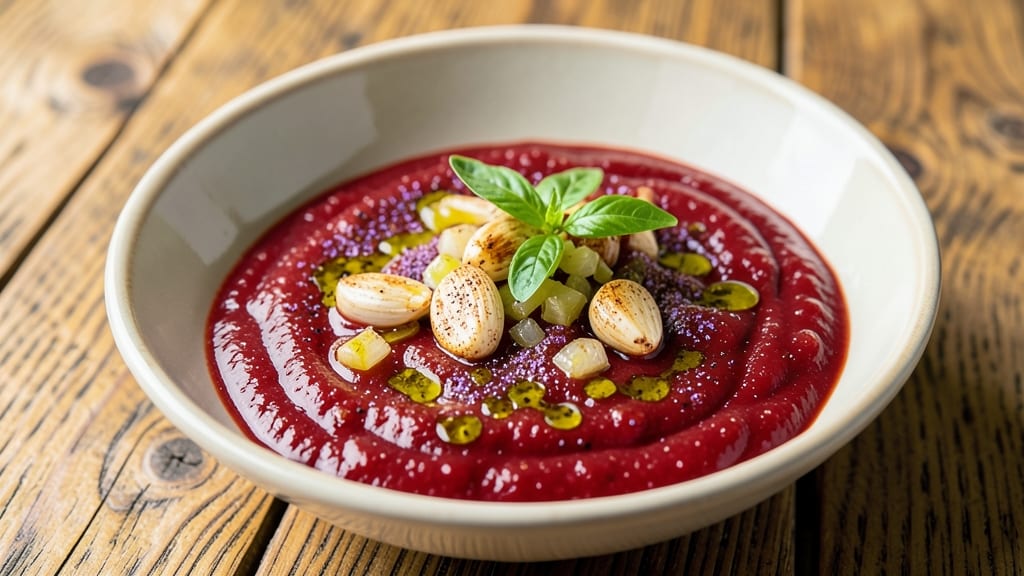
This Emeril’s kicked up tomato sauce recipe turns humble pantry staples into a bold, restaurant-worthy condiment packed with spice and depth. This isn’t your grandma’s sauce—it’s bold, aromatic, and built through slow simmering that develops flavors you’d expect from a high-end kitchen.
The secret lies in balancing heat, acidity, and umami, then letting it meld over time.
What makes this sauce stand out is its versatility and intensity. You’ll start with canned tomatoes (no fresh needed) and build flavor through garlic, onions, and a blend of spices that includes smoked paprika and cayenne for that signature Emeril kick.
The sauce thickens naturally as it simmers, creating a velvety consistency perfect for pasta, pizza, or dipping. No fancy equipment required—just patience and a heavy-bottomed pot.
By the time you’re done, you’ll have a sauce that’s rich, complex, and impossible to resist—with a depth of flavor that lingers long after the first bite. The slow reduction concentrates the tomatoes’ natural sweetness while amplifying the spices, resulting in a condiment that elevates any dish.
Best of all, it keeps beautifully in the fridge for up to a week, so you can make a big batch and enjoy it all week.
This isn’t just a sauce; it’s a flavor foundation. Use it as a base for lasagna, toss it with al dente pasta, or serve it alongside grilled meats. The possibilities are endless, and the process is simpler than you’d think. Let’s get simmering—your taste buds will thank you.
Ingredients for emeril's kicked up tomato sauce
Pantry staples that transform into bold, restaurant-style tomato sauce with Emeril's signature kick.
| Ingredient | Amount | Notes |
|---|---|---|
| Canned San Marzano Tomatoes 🍅 | 28 oz | Crushed or whole, no salt added preferred |
| Yellow Onion 🧅 | 1 whole | Diced, medium size preferred |
| Garlic Cloves 🧄 | 6 cloves | Fresh, minced for depth |
| Extra-Virgin Olive Oil 🫒 | ½ cup | High quality, fruity notes |
| Smoked Paprika 🌶️ | 2 tbsp | Key for Emeril's signature smokiness |
| Dried Oregano 🍃 | 1 tbsp | Italian preferred, not Mexican |
| Ground Black Pepper 🌶️ | 1 tsp | Freshly cracked for best flavor |
| Cayenne Pepper 🔥 | ½ tsp | Adjust for heat preference |
| Salt 🧂 | 1 ½ tsp | Kosher or sea salt, adjust to taste |
| Red Wine 🍷 | ½ cup | Dry, bold variety like Cabernet |
| Tomato Paste 🍅 | 2 tbsp | Squeeze tube preferred for ease |
The tomatoes are non-negotiable—San Marzano is the gold standard, but any high-quality canned tomatoes work. Trader Joe's or Whole Foods bulk sections often carry great options. Skip the salt-added versions (you're controlling the seasoning here). For the smoked paprika, Penzeys or the bulk bins at natural grocery stores have the best quality. The red wine adds depth—any bold, dry red works here, but Cabernet Sauvignon is my go-to. If you're avoiding alcohol, beef broth with a splash of balsamic mimics the acidity perfectly.
No smoked paprika? Substitute with 1 tbsp regular paprika plus 1/2 tsp liquid smoke. Fresh oregano? Use half the amount. The tomato paste can be tricky—those squeeze tubes from Trader Joe's are perfect (no waste, lasts forever). For extra richness, add 1 tbsp of brown sugar to balance the acidity. If you're making a big batch, double the wine and reduce it first to concentrate the flavor. The garlic? Fresh is a must—jarred garlic has no soul here.
This sauce tastes even better the next day as flavors meld. Keeps for 1 week in the fridge, 6 months frozen. Portion into ice cube trays for easy single-use servings—perfect for pasta or pizza toppings. Freeze any extras in small containers so you always have a flavor boost ready. The sauce thickens as it sits, so add a splash of water or broth if it gets too stiff after reheating.
Why You'll Love This Recipe
- No Chopping Nightmare: I swear by this sauce because it’s literally one onion to dice—nothing else. The San Marzano tomatoes do all the heavy lifting, so you’re simmering, not stressing.
- Smoky Depth Magic: That smoked paprika? It’s the secret weapon. One teaspoon transforms canned tomatoes into something rich and complex, like a slow-cooked secret instead of a pantry shortcut.
- Pasta Party Ready: Between us, this sauce is my go-to for everything: weeknight dinners, potlucks, or when I’m too tired to plan. Toss it with pasta, dollop on grilled cheese, or freeze it—it’s always a crowd-pleaser.
- Budget-Friendly Staple: Honestly, this recipe costs me less than $3 for a jar of tomatoes and a few pantry staples. Plus, it keeps for weeks in the fridge, so I’m always covered without breaking the bank.
Step-by-step instructions for Emeril's kicked up tomato sauce
Here's how to build bold, smoky flavor from simple pantry staples.
Sauté the Aromatics in Olive Oil
Heat the 0.5 cup extra-virgin olive oil in a large, heavy-bottomed pot over medium heat. Add the 1 whole diced yellow onion and cook for 5-6 minutes until the onion softens and becomes translucent. You'll smell the sweetness develop—that's when you know it's ready.
Push the onion to the sides of the pot and add the 6 cloves minced garlic cloves. Cook for 30 seconds until fragrant—don't let it brown or it'll turn bitter. Here's the thing: garlic burns fast, so keep an eye on it. If you see it darkening, reduce the heat slightly and stir constantly until it smells amazing but hasn't colored.
Toast the Spices for Depth
Add the 2 tablespoons smoked paprika, 1 tablespoon dried oregano, 1 teaspoon ground black pepper, and 0.5 teaspoon cayenne pepper to the pot. Stir everything together and cook for 30 seconds until the spices are fragrant and the paprika has deepened in color. This step builds complexity—those toasted spices will infuse the entire sauce with smoky, slightly charred notes.
I like to press the spices into the garlic and onion with a wooden spoon for 10 seconds to help them bloom. This ensures every bite gets that spicy punch. If you're sensitive to heat, reduce the cayenne to 0.25 teaspoon—you can always add more later if needed.
Deglaze with Red Wine
Pour in the 0.5 cup red wine and scrape up all the browned bits from the bottom of the pot with a wooden spoon. This deglazing step captures all the flavor that would otherwise stick to your pan. Let the wine simmer for 2-3 minutes until it reduces by about half—you'll see the liquid thicken slightly and the alcohol smell dissipate.
Real talk: if you don't have red wine, you can substitute 0.5 cup low-sodium chicken or vegetable broth, but the wine adds depth that's hard to replicate. The sauce will still be delicious, but you'll notice the difference in the final product. Keep the heat at medium to prevent boiling.
Build the Sauce Base
Add the 2 tablespoons tomato paste and stir to combine with the wine mixture. Cook for 1 minute until the paste dissolves completely. Then pour in the 28 ounces canned San Marzano tomatoes (crushed or whole, with juices) and add the 1.5 teaspoons salt. Stir everything together—you want the tomatoes fully incorporated and the salt evenly distributed.
Bring the sauce to a gentle simmer over medium-low heat. This is where the magic happens: let it cook uncovered for 30-40 minutes until it thickens to your desired consistency. You're looking for a sauce that coats the back of a spoon but still has a silky texture—not gluey, not watery. Stir occasionally to prevent sticking, especially if you're using a non-stick pot.
Finish and Adjust
Once the sauce has thickened, taste and adjust the seasoning. You might need to add a pinch more salt or a dash of cayenne for heat. I like to finish with a final 1 teaspoon black pepper and a splash of 1 tablespoon red wine to brighten the flavors. This final adjustment ensures the sauce balances perfectly—sweet from the tomatoes, smoky from the paprika, and bright from the wine.
Let the sauce sit off the heat for 5-10 minutes before serving. This resting time allows the flavors to meld together completely. The sauce will continue to thicken slightly as it cools, so don't worry if it looks a bit loose right after cooking. Serve over pasta, with grilled meats, or as a dip for crusty bread—this versatile sauce is a pantry staple that always delivers.
Pro Tips For Making Emeril'S Kicked Up Tomato Sauce
- CRANK THE HEAT FIRST: Start your onions in olive oil over medium-high heat until they’re golden and just starting to crisp—this builds flavor way faster than slow cooking. I used to simmer them gently, and the sauce always tasted flat until I learned to push the pan.
- SMASH THOSE TOMATOES: Drain the San Marzano cans but don’t skip smashing the tomatoes with your hands (or a wooden spoon) before adding them to the pot. This breaks down the flesh into a smoother, richer sauce—Emeril’s version relies on that texture, and skipping it makes it taste more like chunky soup.
- DON’T BURN THE GARLIC: Add the minced garlic after the onions have softened but before they turn brown—it should sizzle for 30 seconds max. I’ve ruined batches by letting the garlic fry too long, and it turns bitter fast. Keep an eye on it.
- SALT IN LAYERS: Taste the sauce after the tomatoes come in, then add salt in two stages: once mid-cook, and again at the end. The smoked paprika needs salt to bloom properly, and the tomatoes absorb it better when it’s added gradually—trust me, your taste buds will notice.
Creative variations of this emeril's kicked up tomato sauce
Spicy Kick Variations
For extra heat, add 1 teaspoon crushed red pepper flakes during the final simmer or finish with ½ teaspoon hot sauce like Cholula or Tabasco. I love a smoky-spicy combo, so I sometimes add ½ teaspoon chipotle powder with the smoked paprika.
For a sweet heat balance, stir in 1 tablespoon honey or agave at the end. 🌶️
Herb-Infused Twists
Swap the oregano for fresh basil or thyme—add ¼ cup chopped basil at the very end and let it wilt into the sauce. For a Mediterranean twist, add 1 teaspoon dried rosemary with the smoked paprika.
Fresh herbs like parsley or cilantro work beautifully too, but add them after cooking to preserve their bright flavors.
Umami Boosters
Deepening the umami profile transforms this sauce into a next-level condiment. Stir in 1 tablespoon soy sauce or 1 teaspoon fish sauce during the final simmer. For a meaty depth, add 2 tablespoons tomato paste and 1 teaspoon balsamic vinegar with the wine.
I also love adding 1 anchovy fillet (finely chopped) to the aromatics—it dissolves completely but adds incredible richness. 🍜
Slow-Cooker Adaptation
For hands-off flavor development, transfer all ingredients to a 6-quart slow cooker and cook on low for 6-8 hours. The slow cooker’s gentle heat enhances the spices and tomatoes, creating an even deeper flavor.
Stir occasionally and add a splash of water if it gets too thick. This method is perfect for busy weeknights—just dump, cook, and enjoy!
Roasted Tomato Fusion
Swap canned tomatoes for roasted cherry tomatoes—toss 2 cups halved cherry tomatoes with 1 tablespoon olive oil, ½ teaspoon salt, and ½ teaspoon smoked paprika, then roast at 400°F for 20 minutes.
Blend the roasted tomatoes into a smooth paste before adding to the sauce. This adds a caramelized sweetness that pairs perfectly with the spicy kick.
Creamy Finish Options
For a luxurious twist, stir in ¼ cup heavy cream or ½ cup ricotta cheese at the end for a creamy texture. I also love adding 1 tablespoon mascarpone for a silky finish.
For a vegan option, use ¼ cup coconut milk (full-fat for best results). These additions work beautifully with pasta or as a dip for garlic bread.
Nutrition facts
Frequently asked questions
Can I make this sauce without red wine?
The red wine adds depth, but you can substitute 0.5 cup low-sodium chicken or vegetable broth for a similar acidity. For extra richness, add 1 teaspoon balsamic vinegar to mimic the wine's complexity. The sauce will still be delicious—just slightly less layered in flavor.
How do I adjust the heat level?
Start with the 0.5 teaspoon cayenne as written, then taste before serving. For more heat, add 0.25 teaspoon extra cayenne or ½ teaspoon crushed red pepper flakes. To mellow it, stir in 1 tablespoon tomato paste (which is slightly sweet) or a pinch of sugar. The sauce can always be adjusted—don't be afraid to tweak it!
Why does my sauce get too thick or too thin?
Sauce consistency depends on simmering time and tomato quality. For a thicker sauce, simmer uncovered for 40-50 minutes or reduce heat to low after the initial 30 minutes. If it's too thin, simmer uncovered for 10-15 extra minutes. For thinning, add 1-2 tablespoons water or broth at the end. Always stir occasionally to prevent sticking.
Can I use this sauce for cooking instead of just serving?
This sauce is perfect for braising meats, deglazing pans, or as a base for soups. Use 1 cup of sauce per pound of protein (like chicken or pork). For pasta, reduce the sauce to half its volume first to intensify the flavor. The smoky-spicy profile works beautifully in dishes where you want bold flavor without overpowering other ingredients.
What’s the best way to store leftovers?
Let the sauce cool completely, then transfer to an airtight container. It keeps in the fridge for 1 week—flavors actually improve over time! For freezing, portion into ice cube trays or small containers. Thaw in the fridge overnight for best texture. The sauce may thicken further when refrigerated, so add a splash of water or broth when reheating.