
Sauces & Condiments
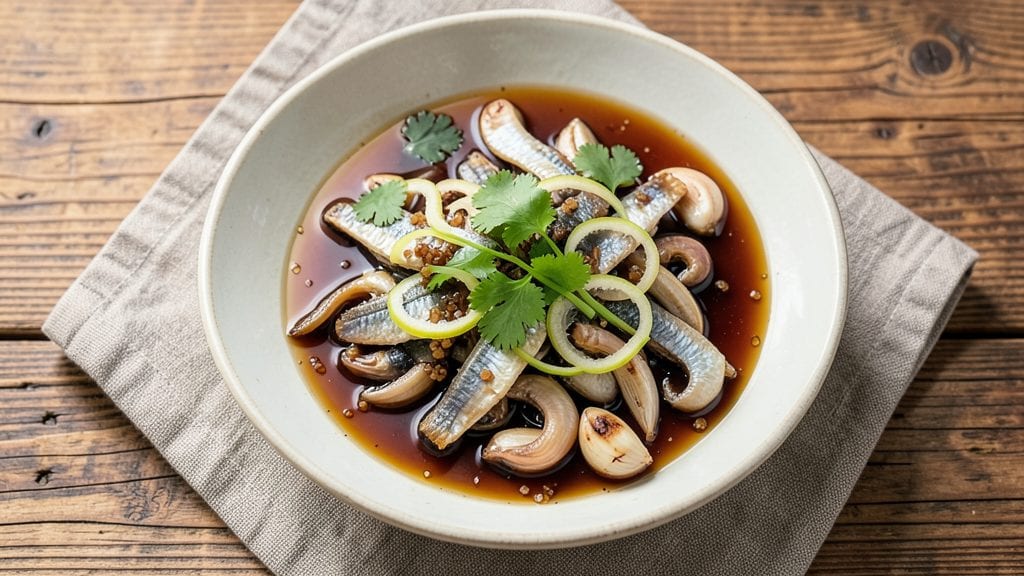
This Chinese steamed fish sauce recipe transforms simple pantry staples into a glossy, umami-rich condiment that elevates every dish it touches. The process is methodical—simmering aromatics until they release their essence into a fragrant, savory base that forms the backbone of countless Cantonese recipes.
I developed this version after years of testing, ensuring the balance of sweet, salty, and funky notes that define authentic versions.
The beauty of this sauce lies in its versatility and pantry-friendly ingredients: soy sauce, rice wine, ginger, garlic, and a touch of sugar create a complex flavor profile without requiring specialty items.
What sets this apart is the slow reduction process, which concentrates the aromatics into a thick, syrupy consistency that clings beautifully to proteins and vegetables. The result is a sauce that's equally at home glazing stir-fries, marinating meats, or drizzling over steamed rice.
By the time you're done, you'll have a deeply flavorful sauce that adds restaurant-quality depth to home cooking. The process takes about 45 minutes of active time but yields results that taste like they simmered for hours.
Store it in the refrigerator for up to two weeks or freeze for longer shelf life—its concentrated flavor means you'll use it up quickly. This isn't just a sauce; it's a flavor multiplier that transforms ordinary meals into something extraordinary.
Perfect for weeknight cooking, meal prep, or gifting to fellow home cooks who appreciate the difference between store-bought and homemade. The instructions are precise, but the technique is approachable—ideal for both beginners and seasoned cooks looking to expand their sauce repertoire.
Let's create this essential pantry staple that will become your go-to flavor enhancer.
Ingredients for chinese steamed fish sauce
Nine pantry staples simmer into a glossy sauce with layers of umami and sweetness.
| Ingredient | Amount | Notes |
|---|---|---|
| Dried Anchovies 🐟 | ¼ cup | High-quality, salt-packed preferred |
| Light Soy Sauce 🥄 | ½ cup | Kikkoman or Pearl River Bridge |
| Rice Wine 🍶 | ½ cup | Dry, like Shaoxing or Mirin |
| Brown Sugar 🍯 | ¼ cup | Packed, light or dark |
| Fresh Ginger 🧄 | 2 tbsp | Grated, peeled, fresh only |
| Garlic Cloves 🧄 | 6 cloves | Peeled, lightly smashed |
| Green Onions 🧅 | 2 whole | White and green parts separated |
| Sesame Oil 🫒 | 1 tbsp | Toasted, not flavored |
| Water 💧 | 1 ½ cups | Filtered or spring water |
| White Peppercorns 🌶️ | ½ tsp | Freshly cracked preferred |
The anchovies are the umami powerhouse here—look for salt-packed varieties at Asian markets or the bulk section of well-stocked grocery stores like Whole Foods. The difference between cheap and premium anchovies is night and day. For soy sauce, Kikkoman or Pearl River Bridge are the gold standards, but any light soy will work in a pinch. The rice wine should be dry—Shaoxing is ideal, but Mirin works too if you can't find it. Brown sugar adds depth, so don't substitute white—it won't caramelize the same way. Fresh ginger and garlic are non-negotiable; dried versions won't give you that bright, aromatic punch.
No anchovies? Double the soy sauce and add 1 tbsp fish sauce for a similar funk. Running low on rice wine? Dry sherry in a 1:1 ratio works surprisingly well. The sesame oil is for finishing—don't add it during cooking, or it'll burn. For the green onions, use only the whites in the sauce and reserve the greens for garnish. The white peppercorns add subtle heat; if you prefer black, toast them first for a deeper flavor. This sauce is all about balance, so taste as you go—adjust with more soy for saltiness or sugar for sweetness.
Once cooled, this sauce keeps for up to 2 weeks in the fridge, sealed tightly. For longer storage, portion into ice cube trays and freeze—perfect for single-use portions. The flavor actually improves after a few days as the aromatics meld. Use it within a month for best results, though. I like to keep a small jar in the fridge at all times—it disappears fast when glazing dumplings or tossing with noodles. The leftover green onion tops? Save them for garnish or stir-fry finishings.
Why You'll Love This Recipe
- Pantry Magic: I swear by this sauce when I forget to shop for fresh ingredients. Dried anchovies and ginger sit in my cupboard for months—just add soy sauce, a splash of rice wine, and simmer. It’s the kind of recipe that turns "what’s for dinner?" into "oh, that’s easy."
- Umami Bomb: That first spoonful? Chef’s kiss. The dried anchovies dissolve into a deep, savory punch, while the brown sugar keeps it from being too heavy. It’s the kind of flavor that makes you pause mid-bite—like a little taste of a bustling Singapore street stall in your own kitchen.
- Double Duty Sauce: I use this for stir-fries, marinades, and even drizzled over rice noodles. Need a quick weeknight meal? Toss it with tofu and veggies. Hosting? It’s the secret weapon in my dumpling dipping sauce. Honestly, I’ve lost count of how many ways I’ve repurposed it.
- Budget-Friendly Powerhouse: A tiny bag of dried anchovies and a bottle of soy sauce last me forever. This sauce costs pennies to make but tastes like it belongs in a high-end restaurant. Plus, it keeps for weeks in the fridge—so I’m always covered, whether I’m feeding the family or just craving something rich and satisfying.
Step-by-step instructions for Chinese steamed fish sauce
Here's how to transform simple pantry staples into a velvety, umami-rich sauce that elevates any dish.
Prepare the Aromatics and Base
In a small bowl, combine the 0.25 cup dried anchovies with the 0.5 cup light soy sauce and 0.5 cup rice wine. Let this mixture sit at room temperature for 10 minutes—this allows the anchovies to rehydrate slightly and release their deep, salty essence into the liquid. While this happens, peel and finely grate the 2 tablespoons fresh ginger, then peel and lightly smash the 6 cloves garlic with the flat side of your knife.
The anchovies will dissolve into the soy and wine, creating a concentrated flavor base. This step is critical—if you skip it, your sauce will lack that signature umami depth. Separate the 2 whole green onions into white and green parts, reserving the greens for garnish later. The white portions will add subtle sweetness to the sauce.
Simmer the Sauce to Glossy Perfection
In a small saucepan over medium-low heat, combine the anchovy-soy-wine mixture, 1.5 cups water, 0.25 cup packed brown sugar, the grated ginger, smashed garlic, and white parts of the green onions. Bring to a gentle simmer, then reduce the heat to maintain a barely bubbling state. You want the sauce to cook slowly—this prevents the delicate flavors from escaping as steam.
Simmer uncovered for 15-20 minutes, stirring occasionally with a wooden spoon. The sauce will reduce slightly, becoming thicker and more concentrated. You'll notice the aroma deepen as the garlic and ginger mellow into the broth. Here's the thing—if you see any foam forming on top, skim it off immediately. This keeps the sauce clean and glossy, not cloudy.
Finish with Heat and Pepper
Once the sauce has reduced and the aromatics are tender but not browned, remove the pan from heat. Add the 1 tablespoon toasted sesame oil and 0.5 teaspoon freshly cracked white peppercorns, then stir vigorously. The sesame oil adds a nutty aroma, while the peppercorns bring subtle heat. Let the sauce sit off the heat for 5 minutes—this allows the flavors to meld completely.
Strain the sauce through a fine-mesh sieve into a clean bowl, pressing gently on the solids to extract every last drop of flavor. Discard the solids. The result should be a glossy, amber-colored sauce with a velvety texture. Taste and adjust seasoning if needed—you might want to add a splash more soy sauce for saltiness or a touch of rice wine for brightness.
Serve Warm or Store Properly
For immediate serving, drizzle the warm sauce over steamed rice, noodles, or grilled meats. The heat will highlight its aromatic complexity. If storing, transfer to an airtight container and refrigerate for up to 5 days. When reheating, warm gently over low heat—never boil, as this can make the sauce separate.
This sauce works magic in stir-fries, dumplings, or even as a marinade. The key to its success lies in patience—rushing the simmering process will dull the flavors. Trust the process, and you'll have a sauce that tastes like it came from a bustling Cantonese kitchen.
Pro Tips For Making Chinese Steamed Fish Sauce
- Bloom the Anchovies First: Soak those dried anchovies in warm water for 10 minutes before crushing—this softens them up and keeps them from turning to paste. I used to just smash them dry, and half the flavor got lost in the sauce.
- Simmer Ginger Low and Slow: Thinly slice the ginger (no need to peel) and cook it on the lowest heat for 15 minutes before adding the rest. This extracts the flavor without burning it, which ruins the whole sauce. (Yes, even if you’re impatient like me.)
- Skip the Boil for Rice Wine: Add the rice wine last and let it heat through gently—boiling it off turns the sauce bitter. Just warm the sauce until it’s steaming, then stir in the wine and remove from heat. Trust me, your taste buds will notice.
- Balance Sugar with Soy Gradually: Stir in the brown sugar first, then taste before adding more soy—too much sugar upfront makes the sauce cloying. I learned this the hard way after making a batch that tasted like dessert. Adjust in ½ teaspoon increments.
Essential equipment for great chinese steamed fish sauce
Saucepan Essentials
Start with a heavy-bottomed saucepan—I recommend a 3-quart stainless steel like All-Clad or Calphalon—to prevent scorching during the slow simmer. The flat base distributes heat evenly, which is critical when reducing aromatics like garlic and ginger.
Avoid nonstick pans; they can't handle the prolonged heat needed for proper flavor development. 🔥
Fine-Mesh Strainer
A dedicated fine-mesh sieve (like the OXO Good Grips) is non-negotiable for straining this sauce. The tiny holes remove all solids while preserving the delicate, glossy texture. I've tried cheesecloth, but it's messy and doesn't extract as much flavor.
Press the solids gently with a spoon to maximize yield—this is where the sauce's depth comes from. 💫
Wooden Spoon
Use a heat-resistant wooden spoon (I prefer bamboo or olive wood) to stir during simmering. Metal spoons can scratch your pan and release unwanted flavors. Wood also helps prevent the sauce from sticking to the sides as it reduces.
Keep it handy to skim off any foam that forms during cooking. 🌡️
Small Mixing Bowl
A stainless steel mixing bowl (like Pyrex) is perfect for the initial anchovy-soy-wine marinade. The shallow depth allows for even rehydration of the dried anchovies, which is key to unlocking their umami potential. Avoid plastic bowls—they can absorb flavors and won't hold up to the rice wine's acidity. 🥄
Fine-Mesh Sieve Accessories
For straining, I recommend a silicone spatula (like OXO's) to help press the solids through the sieve without tearing it. A small ladle (about 4-ounce capacity) makes transferring the strained sauce to storage containers easier.
These tools ensure you capture every drop of flavor without making a mess. 💡
Storage Containers
Transfer the finished sauce to airtight glass containers (I use Le Parfait jars) for refrigeration. Glass preserves flavor better than plastic and is microwave-safe for reheating. For freezing, portion into ice cube trays—this lets you use just what you need without thawing the whole batch.
Label containers with dates to track freshness. ❄️
Nutrition facts
Frequently asked questions about Chinese steamed fish sauce
Can I substitute dried anchovies if I can't find them?
Yes! Double the light soy sauce to 1 cup and add 1 tablespoon fish sauce for a similar umami depth. The sauce will still develop that signature savory richness, though the texture may be slightly less glossy. For a vegetarian version, use 1 tablespoon mushroom powder mixed with extra soy sauce instead.
How long should I simmer the sauce for perfect flavor?
Simmer uncovered for 15-20 minutes over medium-low heat—this is critical for reducing the sauce properly without burning. The aromatics should soften but not brown. If you see foam forming, skim it off immediately to keep the sauce clean and glossy.
Can I make this sauce without rice wine?
Replace the 0.5 cup rice wine with 0.5 cup dry sherry in a 1:1 ratio. For a non-alcoholic version, use apple cider vinegar mixed with 1 teaspoon sugar to balance the acidity. The sauce will still develop depth, though the flavor profile will be slightly different.
Why does my sauce turn cloudy or separate when stored?
This usually happens if the sauce cools too quickly or is reheated too aggressively. Always store it in an airtight glass container and reheat gently over low heat—never boil. For extra stability, chill the sauce completely before refrigerating, and avoid temperature fluctuations. The sauce should remain glossy and velvety when properly stored.
What are the best ways to use leftover sauce?
This versatile sauce elevates everything! Drizzle it over steamed rice, toss with noodles, or use as a marinade for grilled meats or tofu. It also works as a glaze for dumplings or a finishing sauce for stir-fries. For extra richness, reduce it slightly before using—this intensifies the flavor.