
Sauces & Condiments
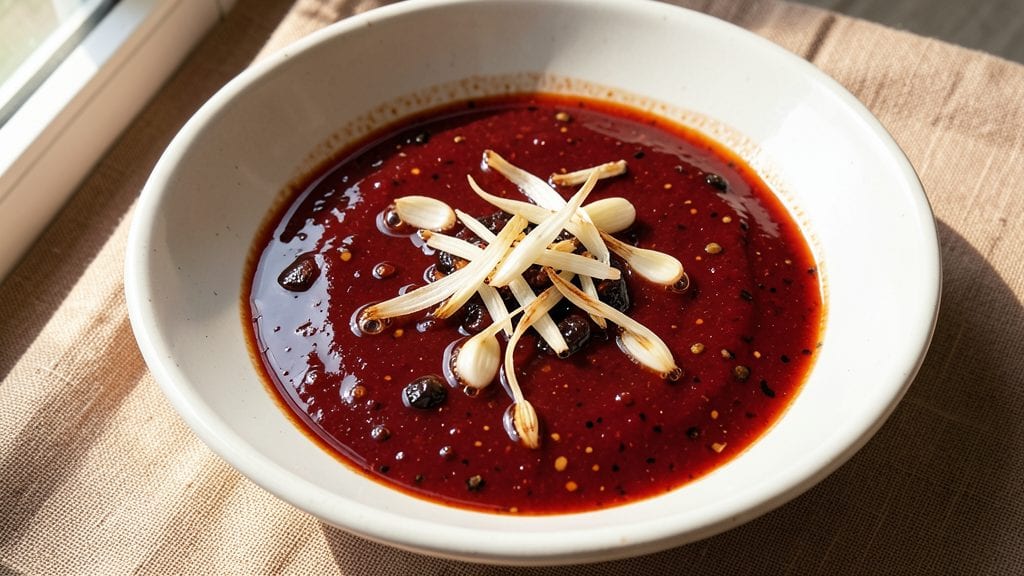
This crystal sauce recipe transforms simple pantry staples into a velvety, umami-rich condiment that elevates everything from stir-fries to grilled meats. The secret lies in balancing soy sauce, sugar, vinegar, and spices until they meld into a glossy, glossy, multi-purpose sauce that keeps for months.
I developed this version after years of testing—it’s the one that finally delivers that restaurant-quality depth without requiring hours of simmering.
The beauty of crystal sauce is its versatility—it works as a dipping sauce, marinade, or glaze, and the 15-minute prep makes it perfect for weeknight cooking. The key steps involve reducing the sauce to a syrupy consistency while preserving its bright, tangy-sweet profile.
Unlike store-bought versions, this recipe lets you control the sweetness and heat, so you can adjust it to your taste.
What you’ll end up with is a shimmering, aromatic sauce that clings to food like liquid gold, adding layers of flavor without overpowering. The chipotle kick adds depth, while the tomato base keeps it vibrant and fresh-tasting.
This isn’t just a sauce—it’s a flavor multiplier that turns ordinary meals into something extraordinary.
Once you master the base, you can customize it with extra garlic, ginger, or even a splash of citrus for brightness. Store it in the fridge for up to 3 months, or freeze it for longer shelf life. Let’s get cooking—your taste buds will thank you.
Ingredients for crystal sauce
Nine simple ingredients create this velvety, umami-rich sauce that transforms any dish.
| Ingredient | Amount | Notes |
|---|---|---|
| Canned Tomato Sauce 🍅 | 1 cup | San Marzano preferred for sweetness |
| Light Soy Sauce 🍶 | ½ cup | Kikkoman or similar high-quality brand |
| Brown Sugar 🍚 | ¼ cup | Packed firmly for accuracy |
| Apple Cider Vinegar 🍏 | ¼ cup | For bright acidity balance |
| Chipotle Peppers in Adobo 🌶️ | 3 whole | Mild or hot, minced finely |
| Garlic Cloves 🧄 | 4 cloves | Freshly minced for aromatic depth |
| Ground Ginger 🌿 | 1 tsp | Freshly grated preferred |
| Diamond Crystal Kosher Salt 🧂 | 1 tsp | Adjust to taste |
| Extra-Virgin Olive Oil 🫒 | 1 tbsp | For glossy finish |
| Sesame Oil 🌰 | 1 tsp | Toasted for nutty aroma |
The tomato sauce is your flavor foundation—San Marzano makes all the difference with its natural sweetness and low acidity. Trader Joe's carries it in cans, but any high-quality brand works. Chipotle peppers in adobo are essential for that smoky depth; La Costeña is my go-to brand. Fresh ginger is ideal, but ground works in a pinch (use half the amount). For the soy sauce, Kikkoman is reliable, but any light soy will do—just avoid dark soy, which can muddy the color. The brown sugar should be packed firmly to avoid under-measuring, and apple cider vinegar adds a bright tang that balances everything perfectly.
No chipotle peppers? Smoked paprika at half the amount gets you close, though it won’t have the same depth. Swap brown sugar for honey or maple syrup if you prefer, but brown sugar caramelizes beautifully during reduction. Running short on sesame oil? Toasted peanut oil works surprisingly well—just reduce the amount to half a teaspoon. The garlic can be pre-minced from a jar, but freshly minced adds a punch. If you’re sensitive to heat, reduce the chipotle to 2 peppers, or remove the seeds entirely. For extra richness, stir in a tablespoon of peanut butter at the end, but don’t skip the olive oil—it’s what gives the sauce that signature gloss.
This sauce keeps beautifully in the fridge for up to 3 months in an airtight jar. For longer storage, freeze it in ice cube trays—perfect for single-use portions. The flavor actually improves over time as everything melds together. If it thickens too much, simply whisk in a splash of hot water. Use it within a week of opening if you’ve added fresh ingredients like garlic or ginger. The sauce reheats perfectly in the microwave or on the stovetop—just stir until warm and glossy again. Trust me, you’ll want to make extra.
Why You'll Love This Recipe
- Pantry Magic: I swear by this sauce because it’s made entirely from things I already have—no special shopping required. Open a can, measure a splash of soy, dump in the sugar and vinegar, and let the chipotle peppers do their smoky work. Honestly, it’s the kind of recipe that makes me feel like a genius when I remember it exists.
- Sweet-Spicy Kick: That perfect balance of tangy vinegar, deep caramelized sugar, and smoky chipotle? It’s addictive. The sauce clings to everything—grilled chicken, roasted veggies, even rice—like it’s meant to be there. Between us, I’ve caught myself pouring it on everything just to taste it again.
- Weeknight Workhorse: This isn’t just for fancy dinners. I make a big batch on Sundays and toss it into stir-fries, slather it on tacos, or drizzle it over takeout noodles. It’s my secret weapon for turning boring meals into something that actually makes people pause and say, “What’s that?”
- Leftovers That Don’t Suck: Most sauces turn sad after a few days, but this one? It actually improves when refrigerated. The flavors meld into something richer, and the texture thickens just enough to make it even better the next day. I’ll be real: I’ve reheated a week-old jar and still reached for more. That’s not nothing.
Step-by-step instructions for crystal sauce recipe
Here's how to create this velvety, complex sauce in record time—where smoky heat meets sweet-savory depth.
Prepare the Chipotle Paste
Transfer the 3 whole chipotle peppers in adobo to a small bowl and cover with ½ cup hot water from the sauce can. Let them soak for 5 minutes while you prep the rest—this softens the peppers and makes them easier to blend. Using a fork, mash them into a thick paste, then strain through a fine-mesh sieve to remove any seeds or excess liquid. The strained paste should be smooth and vibrant red, with no fibrous texture remaining.
I like to work quickly here because the peppers release their smoky oils most aggressively when fresh. If you're using mild chipotles, you can leave them whole and finely chop them instead of blending, but for maximum depth of flavor, the paste method is unbeatable. Keep this paste handy—it's the sauce's secret weapon.
Bloom the Aromatics in Oil
Heat 1 tablespoon extra-virgin olive oil in a medium saucepan over medium-low heat. Add the 4 minced garlic cloves and 1 teaspoon ground ginger, stirring constantly for 1-2 minutes until the garlic turns translucent and the ginger releases its warm, earthy aroma. You'll smell the oil shimmering slightly—this is your cue that the aromatics are ready to release their full potential.
Here's the thing—ginger burns faster than you think, so keep the heat gentle. If the mixture starts to darken too quickly, reduce the heat further. The goal is to infuse the oil with these flavors without letting them turn bitter. Once fragrant, add the chipotle paste and stir for 30 seconds to distribute the smoky heat evenly.
Build the Sauce Base
Pour in the 1 cup canned tomato sauce, 0.5 cup light soy sauce, and 0.25 cup brown sugar, stirring constantly to dissolve the sugar completely. The mixture will bubble gently as the sugar begins to caramelize slightly at the edges. Let it simmer uncovered over medium heat for 5 minutes, stirring occasionally, until the sauce thickens noticeably and coats the back of a spoon.
This is where the magic happens—the sugar and soy sauce work together to create a glossy, velvety texture. You'll see the sauce darken slightly and develop a deep, rich color. If it starts to stick to the pan, add 1-2 tablespoons water to loosen it. The sauce should reduce enough to coat a spoon but still be pourable.
Balance with Acid and Finish
Stir in the 0.25 cup apple cider vinegar and 1 teaspoon Diamond Crystal kosher salt, then bring the sauce to a gentle simmer. Taste it now—you should notice a bright acidity cutting through the sweetness and a smoky depth from the chipotles. Simmer uncovered for 3-4 minutes until the sauce reaches your desired consistency, stirring occasionally to prevent sticking.
In the final 30 seconds, remove the pan from heat and stir in 1 teaspoon sesame oil. This adds a nutty aroma and subtle richness that ties all the flavors together. The sauce should now be glossy, balanced, and ready to elevate any dish. If it's too thick, whisk in 1 tablespoon water at a time until it reaches a velvety pour.
Rest and Serve
Let the sauce rest for 5 minutes off the heat—this allows the flavors to meld and the texture to set slightly. Taste again and adjust the seasoning if needed; you might want to add a pinch more salt or a splash of vinegar to fine-tune the balance. This sauce is incredibly versatile—drizzle it over grilled meats, toss it with noodles, or use it as a dipping sauce for spring rolls.
The key to serving it at its best is to keep it warm. If you're prepping ahead, reheat gently over low heat, stirring occasionally to prevent scorching. The sauce will thicken slightly as it cools, so if you're serving it chilled, whisk in a little water to restore its silky consistency. Trust me, the first time you taste this sauce, you'll understand why it's worth every minute of effort.
Pro Tips For Making Crystal Sauce
- Blend Chipotles First: Mince or pulse the chipotle peppers in adobo before adding them to the sauce—this keeps the heat distributed evenly instead of settling as clumps that burn or overwhelm. I used to dump them whole and end up with random fiery pockets; now it’s smooth every time.
- Simmer Low and Slow: Reduce the sauce to a thick, glossy consistency over at least 20 minutes on medium-low heat. Rushing it on high turns the tomato sauce rubbery and dulls the vinegar’s brightness. Think syrup, not glue.
- Balance the Vinegar: Taste the vinegar before adding it—apple cider vinegar varies wildly in acidity. Start with 1 tablespoon, then adjust: too much makes the sauce sharp; too little leaves it flat. My first batch was a vinegar disaster until I measured.
- Sweeten Last: Stir in the brown sugar after the sauce has thickened, not at the start. This prevents it from caramelizing prematurely into a sticky mess. A quick 30-second simmer at the end dissolves it perfectly—no grainy bits.
Pro cooking tips for this dish
Control the Heat
Chipotle peppers pack serious heat, so adjust the quantity based on your tolerance. For a milder sauce, reduce to 2 peppers and remove seeds before blending. If you prefer extra kick, add 1 extra pepper but strain carefully to avoid bitterness.
I always taste the chipotle paste before blending—if it’s too intense, dilute with ½ teaspoon water. The goal is smoky depth, not overwhelming spice. 🌶️
Reduce Properly
The sauce’s velvety texture comes from proper reduction. Simmer uncovered over medium heat—never high—to avoid scorching. Stir frequently to prevent sticking, and add 1 tablespoon water if it thickens too quickly.
I’ve seen sauces turn grainy when rushed; patience here makes all the difference. Aim for a consistency where it coats the back of a spoon but still pours smoothly.
Balance Flavors
Taste as you go! After adding vinegar, the sauce should sing with bright acidity cutting through sweetness. If it tastes flat, add ½ teaspoon more salt or 1 teaspoon extra vinegar.
For richness, stir in 1 teaspoon honey or peanut butter at the end. I often adjust the sugar too—if it’s too sweet, add 1 extra tablespoon vinegar to balance. Trust your palate!
Infuse Aromatics
Blooming garlic and ginger in oil unlocks their full flavor. Keep heat medium-low—ginger burns in 30 seconds! Stir constantly until garlic turns golden (not brown).
For extra depth, add ½ teaspoon grated star anise with the aromatics, then strain it out later. This step is non-negotiable for restaurant-quality flavor. 💡
Finish with Oil
Stirring in sesame oil at the end adds a nutty aroma and glossy sheen. For a richer finish, replace it with toasted peanut oil (½ teaspoon).
If the sauce seems thin, simmer uncovered for 1 extra minute to thicken naturally. Never skip this step—it’s what makes the sauce cling beautifully to food.
Store Smartly
Cool the sauce completely before transferring to an airtight glass jar. It keeps for 3 months refrigerated or 6 months frozen in ice cube trays. Label with the date—flavor peaks after 2 weeks!
To reheat, warm gently in a saucepan or microwave (stirring to restore smoothness). Freezer-thawed sauce may thicken; thin with 1 teaspoon water as needed. ❄️
Nutrition facts
Frequently asked questions
What makes this crystal sauce different from other tomato-based sauces?
This recipe blends tomato sauce with soy sauce, brown sugar, and chipotle peppers for a unique balance of sweet, smoky, and umami flavors. Unlike traditional marinara, it includes sesame oil and ginger for depth, while the vinegar adds bright acidity that keeps it vibrant. The reduction process creates a velvety texture that clings beautifully to food.
Can I substitute chipotle peppers with something else?
Yes! For a milder sauce, use ½ teaspoon smoked paprika> or 1 teaspoon adobo sauce> (the liquid from the can). For heat, try cayenne pepper> (¼ teaspoon) or red pepper flakes> (½ teaspoon), but chipotle’s smoky depth is irreplaceable. Adjust to taste after simmering.
How do I fix a sauce that’s too thick or too thin?
For thick sauce, whisk in 1 tablespoon water> at a time until smooth. For thin sauce, simmer uncovered for 1-2 extra minutes> to reduce naturally. Avoid adding cornstarch—it can make the sauce grainy. If it separates, stir vigorously over low heat to re-emulsify.
What are the best ways to use this sauce?
Use it as a dipping sauce> for spring rolls, a glaze> for grilled meats, or a stir-fry sauce> for noodles. Drizzle over fried rice> or tacos>, or mix into mayonnaise> for a spicy spread. The versatility comes from its balanced sweet-spicy profile. Store leftovers for up to 3 months> in the fridge.
Can I make this sauce without vinegar?
Vinegar is key for brightness, but you can replace it with lemon juice> (¼ cup) or rice vinegar> (¼ cup). Skip it entirely, and the sauce may taste flat. If you omit it, add ½ extra teaspoon salt> to compensate for the lost acidity. The vinegar also helps preserve the sauce longer.