
Sauces & Condiments
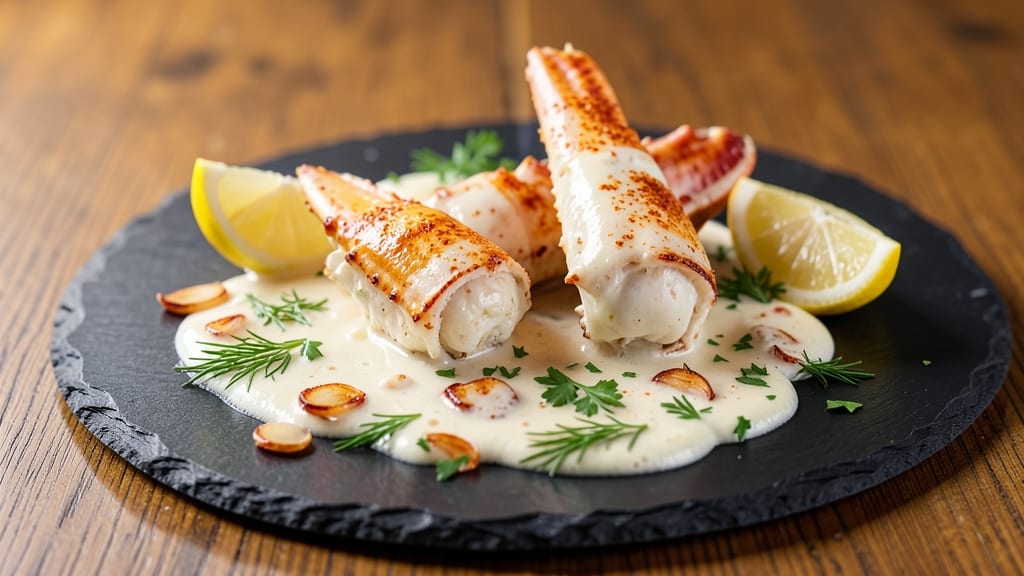
This crab legs boil sauce recipe transforms simple ingredients into a luxurious, buttery garlic-herb sauce that elevates every bite of steamed crab. The secret lies in balancing rich butter with aromatic garlic, a touch of heat, and fresh herbs—creating a sauce that’s velvety yet bright, perfect for dipping or finishing.
After years of testing, this version delivers restaurant-quality results with minimal effort, proving that homemade can rival the best seafood restaurants.
The foundation of this sauce is a foolproof technique that starts with melting butter and blooming garlic for deep flavor without burning.
A splash of white wine or lemon juice brightens the sauce, while a pinch of cayenne or chili flakes adds just enough heat to complement the sweetness of crab.
Fresh herbs like parsley or dill finish it with a vibrant touch, ensuring the sauce stays fresh and aromatic even after sitting for a few hours.
What sets this sauce apart is its versatility—it works as a dipping sauce for steamed crab legs, a finishing drizzle over salads, or even a light glaze for grilled seafood. The texture is silky yet clings perfectly to crab meat, enhancing its natural sweetness without overpowering it.
With just 10 minutes of active prep, you’ll have a sauce that feels indulgent yet simple to make, perfect for impressing guests or treating yourself to a seafood feast at home.
Once you master this recipe, you’ll never settle for store-bought again. The sauce keeps well in the refrigerator for up to 3 days, making it ideal for meal prep or entertaining. Pair it with your favorite seafood dishes, and you’ll have a flavor profile that’s both elegant and approachable.
Let’s get started on creating this luxurious dipping sauce that’s sure to become a staple in your kitchen.
Ingredients for crab legs boil sauce
Ten ingredients, ten minutes—this sauce turns simple pantry staples into restaurant-worthy luxury.
| Ingredient | Amount | Notes |
|---|---|---|
| Unsalted Butter 🧈 | ½ cup | Cold, cut into small cubes |
| Garlic Cloves 🧄 | 6 cloves | Fresh, thinly sliced |
| Dry White Wine 🍷 | ¼ cup | Sauvignon Blanc or Pinot Grigio |
| Fresh Lemon Juice 🍋 | 2 tbsp | Freshly squeezed |
| Fresh Parsley Leaves 🌿 | ¼ cup | Chopped, packed |
| Fresh Dill Leaves 🌿 | ¼ cup | Chopped, packed |
| Cayenne Pepper 🔥 | ¼ tsp | Adjust for heat preference |
| Kosher Salt 🧂 | ½ tsp | Fine grain preferred |
| Heavy Cream 🥛 | ¼ cup | Full-fat for richness |
| Chili Flakes 🌶️ | ¼ tsp | Optional, for extra heat |
The butter is non-negotiable here—European-style unsalted gives the best flavor, but don't stress if you only have regular. Look for Plugrá or Land O'Lakes in the dairy aisle, or grab a block of butter from the refrigerated section. Fresh garlic is a game-changer; roasted garlic won't work here. The white wine? Dry and crisp is key—Sauvignon Blanc or Pinot Grigio. If you don’t have any, a splash of lemon juice or apple cider vinegar works in a pinch, but the acidity will be less nuanced. Parsley and dill should be bright green and fresh—no wilted stems. I always buy extra because they’re used in so many dishes.
No white wine? Substitute with extra lemon juice or even chicken broth—just add a pinch more salt to balance. Fresh herbs not an option? Dried parsley and dill at half the amount will work, but the flavor won’t be as vibrant. Want to kick up the heat? Swap cayenne for red pepper flakes or add a dash of hot sauce. The heavy cream is what makes this sauce silky—don’t use light cream, it won’t emulsify as well. If you’re avoiding dairy, coconut cream works but changes the texture slightly. The chili flakes are totally optional, but they add that little something that makes this sauce feel special.
This sauce is best made fresh, but it keeps beautifully in the fridge for 3 days if stored in an airtight container. To reheat, just warm it gently on the stove or microwave until smooth. It’s perfect for dipping, drizzling, or even tossing with grilled shrimp. If you make extra, freeze it in ice cube trays for easy portions later. The sauce thickens as it cools, so a splash of warm water or milk can bring it back to the perfect consistency. Trust me, you’ll want to make this again and again—it’s that good.
Why You'll Love This Recipe
- No-Chop Needed: I swear by this—just toss in whole garlic cloves and let them soften in the butter. No mincing, no mess, and the flavor still hits like a punch. The wine and lemon do the rest of the work for you.
- Butter-Garlic Magic: That first spoonful of sauce—rich, garlicky, with just a bright lemon tang—is what makes this worth it. The butter creates this luxurious mouthfeel, while the parsley adds a fresh finish that cuts through the richness perfectly.
- Weeknight to Dinner Party: Honestly, this sauce is my secret weapon for lazy nights and fancy gatherings. Drizzle it over crab legs for a restaurant-worthy bite, but the same technique works for grilled shrimp or even steamed veggies. (Yes, even on a Tuesday night.)
- Leftovers That Don’t Suck: Between us, most sauces turn sad after day two—but this one? It actually improves when reheated. The flavors meld even better, and it’s still bright enough to toss over pasta or eggs the next day. No sad, greasy leftovers here.
Step-by-step instructions for crab legs boil sauce
This buttery garlic-herb sauce transforms simple crab legs into a luxurious experience—rich, velvety, and packed with bright, fresh flavors.
Melt the Butter and Sauté Garlic
In a medium saucepan, melt the 0.5 cup unsalted butter over medium heat. I like to use small cubes so it melts evenly without burning. Once fully melted and foaming subsides, add the 6 cloves thinly sliced garlic and cook for 2-3 minutes until they turn golden and fragrant—this prevents them from burning while extracting their sweet, aromatic essence.
Watch the pan closely—garlic burns in seconds. If it starts to darken too quickly, reduce the heat slightly. The butter should bubble gently but not brown. This step is the foundation of your sauce, so don't rush it.
Deglaze with White Wine
Pour in the 0.25 cup dry white wine and stir vigorously with a wooden spoon. The wine will sizzle as it hits the hot pan, helping to deglaze and lift up all those delicious browned bits. Let the mixture simmer for 3-4 minutes until it reduces by about half and the alcohol smell dissipates completely.
This reduction step concentrates the flavors and removes any harsh alcohol taste. You'll know it's ready when the sauce thickens slightly and coats the back of a spoon. If it reduces too quickly, just lower the heat a touch—patience here ensures a smooth, balanced sauce.
Add Lemon Juice and Herbs
Stir in the 2 tbsp fresh lemon juice, 0.25 cup chopped parsley leaves, and 0.25 cup chopped dill leaves. The lemon juice brightens the sauce with a tangy kick, while the herbs add fresh, vibrant notes that complement the richness of the butter. Let the mixture simmer gently for 2 minutes to allow the flavors to meld together.
This is where the sauce comes alive with color and complexity. The parsley and dill should be fully incorporated but still visible as little green flecks throughout. If you notice the herbs wilting or turning slimy, reduce the heat slightly to prevent overcooking.
Season and Finish with Cream
Add the 0.25 tsp cayenne pepper, 0.5 tsp kosher salt, and 0.25 tsp chili flakes (if using). Stir well to distribute the seasonings evenly. Then, reduce the heat to low and slowly pour in the 0.25 cup heavy cream, whisking constantly to prevent curdling. Let the sauce simmer for 1-2 minutes until it thickens slightly and becomes velvety smooth.
The cayenne and chili flakes add a subtle heat that balances the richness of the butter and cream. If the sauce starts to separate or looks too thick, whisk in 1-2 tablespoons of hot water to loosen it. The final texture should be silky and coat the back of a spoon without being gluey.
Serve Warm and Luxurious
Remove the sauce from heat and let it rest for 1 minute to allow the flavors to settle. Taste and adjust the seasoning if needed—add a pinch more salt or a splash of lemon juice if desired. Serve the sauce warm alongside your steamed crab legs, drizzling generously over each one for an elegant, restaurant-quality dining experience.
This sauce is best enjoyed immediately, as the flavors continue to develop and meld together. The buttery richness pairs perfectly with the sweet, tender crab meat, while the bright herbs and subtle heat elevate every bite. Don't be shy—dive in and savor the luxurious result!
Pro Tips For Making Crab Legs Boil Sauce
- Melt Butter Slowly: If you dump cold butter into the pan and crank the heat, you’ll end up with greasy garlic instead of golden, nutty flavor. Warm the butter over medium-low until it foams—just until tiny bubbles form at the edges—but don’t let it brown. This is where the sauce’s richness starts, and rushing it ruins everything.
- Mince Garlic Like Confetti: I used to smash whole cloves with the flat of my knife, thinking it’d be fine. Wrong. For this sauce, you want garlic so finely minced it almost disappears—think rice grains, not dice. A quick pulse in the food processor saves your knuckles and guarantees even cooking without bitterness.
- Deglaze with Wine Heat: Pouring cold wine into a hot pan kills the sauce’s momentum. Instead, let the pan cool just enough to touch the back of your hand (should feel warm, not scalding), then add the wine. The alcohol will sizzle and evaporate faster, leaving behind deeper flavor instead of a watery, boozy mess.
- Zest Lemon Before Juicing: The sauce needs brightness, but lemon juice alone feels flat. Before you juice, drag a microplane over the peel (no pith!) and toss those zest shavings into the sauce early. It’s the difference between a tangy finish and a wow-factor burst that makes people ask for seconds. (Yes, even if you’re skeptical.)
Wine and beer pairings for crab legs boil sauce
White Wine Pairings
This sauce’s buttery richness and bright acidity make it a perfect match for dry white wines with crisp acidity and mineral notes. I always reach for a Sauvignon Blanc from New Zealand or Loire Valley—its citrus and herbal undertones mirror the sauce’s lemon and dill flavors.
The acidity cuts through the butter, while the mineral finish complements the seafood elegance. For something lighter, a Pinot Grigio from Alto Adige offers a clean, refreshing contrast that won’t overpower the delicate crab. 🍷
Crisp Lager Complements
If you prefer beer, a crisp, dry lager like Peroni or Heineken works beautifully with this sauce. The carbonation and light maltiness cleanse your palate between bites, while the subtle hop bitterness balances the sauce’s richness.
For a craft option, try a Belgian witbier—the orange peel and coriander notes add a refreshing twist that pairs surprisingly well with the garlic and herbs. Serve both chilled for the best experience.
Sparkling Wine Elevation
For a truly luxurious touch, serve this sauce alongside chilled sparkling wine like Prosecco or Cava. The effervescence and slight sweetness enhance the sauce’s buttery texture, while the bright acidity keeps your palate refreshed.
I love pairing it with La Marca Prosecco—its peach and floral notes complement the dill and lemon beautifully. The bubbles also make the meal feel extra special, perfect for celebrations or date nights. ✨
Avoid Heavy Reds
Skip bold red wines like Cabernet Sauvignon or Syrah—their tannins and dark fruit flavors will clash with the sauce’s delicate herbs and citrus. Even medium-bodied reds like Merlot can overpower the dish.
Instead, opt for light-bodied reds like Pinot Noir from Oregon or Gamay from Beaujolais if you prefer red wine. These offer soft tannins and red fruit notes that won’t compete with the sauce’s brightness.
Non-Alcoholic Options
Don’t drink alcohol? No problem. A sparkling apple cider like Martinelli’s or a ginger beer with a squeeze of lime works wonderfully. The effervescence and slight tartness mimic the wine pairing, while the ginger adds a spicy kick that echoes the cayenne in the sauce.
For a more sophisticated option, try a non-alcoholic sparkling wine like Freixenet 0.0%. It’s a game-changer for toasts and celebrations. 🍹
Nutrition facts
Frequently asked questions
Can I make this sauce without white wine?
Substitute with 2 tbsp extra lemon juice or 2 tbsp chicken broth for depth. The wine adds complexity, but these alternatives work well. If using broth, reduce it by half first to concentrate the flavor.
How do I prevent the sauce from separating?
Whisk constantly when adding the heavy cream and keep heat at low. If it starts to split, whisk in 1 tsp cornstarch mixed with 1 tbsp cold water to stabilize it. The sauce should be silky, not gluey.
Can I use this sauce for other seafood besides crab?
Yes! It pairs beautifully with steamed shrimp, grilled lobster, or even poached salmon. The buttery garlic base works universally for delicate seafood dishes. For extra richness, drizzle over seared scallops too.
How long will this sauce keep in the fridge?
Store in an airtight container for up to 3 days. The flavors deepen over time, but reheat gently to restore its velvety texture. For longer storage, freeze in ice cube trays for easy portions.
What if I don’t have fresh herbs?
Use dried parsley and dill at half the amount (e.g., 1/8 tsp each). For extra flavor, add 1/2 tsp dried thyme or 1/4 tsp smoked paprika. The sauce will still taste amazing, just with a slightly different herbal profile.