
Sauces & Condiments
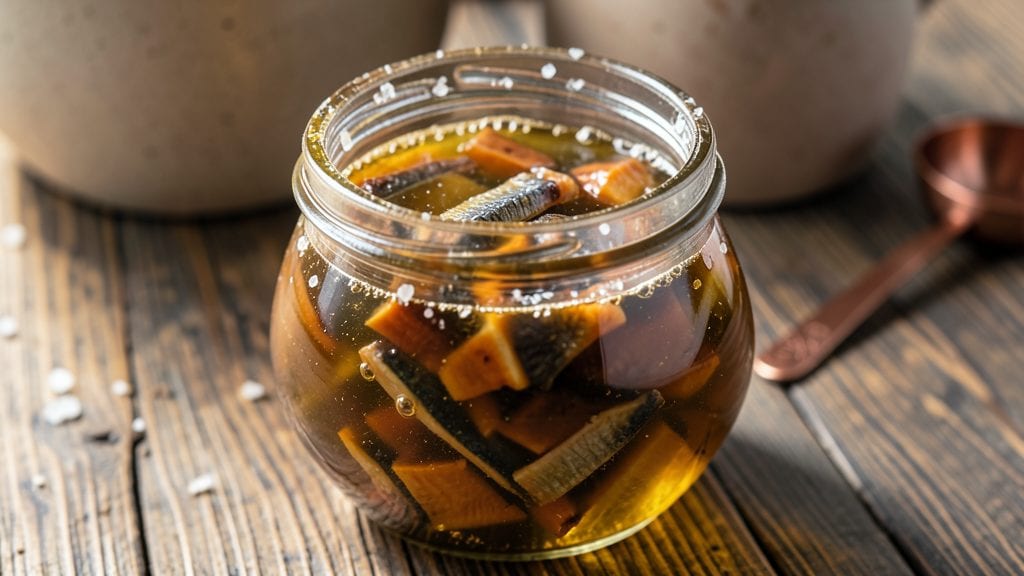
Creating a basic fish sauce recipe from scratch unlocks a world of umami depth that elevates everything from stir-fries to marinades. This pantry-friendly version uses just four ingredients—anchovies, water, salt, and sugar—to deliver restaurant-quality flavor in about a month.
The fermentation process transforms simple ingredients into a complex, salty-sweet condiment with layers of savory richness.
What makes this recipe stand out is its precision: carefully measured anchovies provide the perfect balance of saltiness and umami, while the sugar prevents mold growth during fermentation. Unlike store-bought versions, this sauce develops a nuanced depth that comes from the slow breakdown of fish proteins.
The process is straightforward but requires patience—no special equipment beyond a clean jar and a dark, warm spot.
By the time fermentation completes, you'll have a golden, aromatic sauce with a clean, briny taste and no fishy aftertaste. It's the kind of condiment that transforms simple dishes into something extraordinary—think stir-fries with extra depth, marinades that tenderize meat perfectly, or dressings that add instant umami complexity.
The best part? You'll never need to buy fish sauce again.
For best results, use high-quality anchovies and maintain strict hygiene during fermentation. This sauce keeps for years in the refrigerator, making it a pantry staple worth the wait. Let's get started on creating your homemade umami powerhouse.
Ingredients for basic fish sauce
Four humble ingredients transform into liquid umami gold after a month's patient fermentation.
| Ingredient | Amount | Notes |
|---|---|---|
| High-Quality Anchovy Fillets 🐟 | 1 lb | Fresh or frozen, packed in oil |
| Distilled Water 💧 | 1 cup | Filtered preferred for clarity |
| Non-Iodized Sea Salt 🧂 | 1 ½ tbsp | Diamond Crystal preferred |
| Granulated Sugar 🍯 | 1 tbsp | White or organic cane |
Anchovies are the heart of this sauce—look for premium brands like Italian or Thai fillets packed in oil at specialty grocers or Asian markets. The oil preserves freshness, but frozen works too if you're in a rush. Avoid canned anchovies with additives, as they'll muddy the final flavor. For best results, use whole fillets rather than chopped pieces—they break down more evenly. If you can't find fillets, high-quality canned anchovies in water (like Stella brand) will work, but drain them thoroughly. The salt should be non-iodized—iodine can inhibit fermentation. Diamond Crystal kosher salt is my go-to for its purity and fine grain. Sugar isn't just for sweetness—it's a critical preservative that prevents mold during fermentation. Organic cane sugar has subtle molasses notes that enhance complexity, but regular granulated works perfectly fine.
No anchovies? High-quality salted cod or shrimp paste (like belacan) can substitute at half the weight, but the flavor profile will differ slightly. Running short on sugar? A pinch of citric acid (about 1/4 tsp) can help prevent mold, though it won't add sweetness. For a lighter, less salty version, reduce salt to 1 tbsp and extend fermentation to 6 weeks. Want extra depth? Add 1 tsp of fish stock powder (like Knorr fish bouillon) to the initial mix. The water should be distilled or filtered—tap water with chlorine can inhibit fermentation. If you must use tap, let it sit out overnight to off-gas. Pro tip: Use a sterilized jar (boil lid and jar in water for 10 minutes) to prevent contamination—this isn't just about flavor, it's about safety.
This sauce is a long-term project—ferment for 4-6 weeks in a dark, warm spot (70-75°F is ideal). Once opened, it keeps indefinitely in the fridge, developing deeper flavor over time. Portion into smaller jars for easy access—you'll want to use this constantly. The first batch might surprise you with its bold, salty-sweet punch, but don't be afraid to adjust future batches. Double the recipe if you're hooked—it disappears faster than you think. Never refrigerate before fermentation completes, or you'll stall the process. For instant gratification, try a quick 24-hour version with 1 cup hot water and 1 tbsp sugar, but the flavor won't be as complex.
Why You'll Love This Recipe
- Here’s what sold me: those anchovies break down into this deep, salty-sweet punch that’s ridiculously flavorful. A splash in stir-fries, dressings, or even soups? Instant depth. I’ll be real, I’ve tried store-bought, but this tastes like I made it myself—better.
- Four-Ingredient Simplicity: I swear by this recipe because it’s literally four things: anchovies, water, salt, and sugar. No fancy equipment, no waiting for rare ingredients—just soak, strain, and you’re done. That’s it. No stress, no second-guessing.
- Umami Bomb: Here’s what sold me: those anchovies break down into this deep, salty-sweet punch that’s ridiculously flavorful. A splash in stir-fries, dressings, or even soups? Instant depth. I’ll be real, I’ve tried store-bought, but this tastes like I made it myself—better.
- Pantry Staple Magic: Between us, this sauce is my secret weapon for lazy nights and last-minute meals. Drizzle it over grilled fish, toss it in marinades, or mix it into mayo for a quick sandwich upgrade. It’s the kind of thing that turns basic meals into “wow, you cooked?” moments.
Step-by-step instructions for fermenting your own fish sauce
Transform humble pantry staples into a complex, umami-rich sauce with this foolproof fermentation method.
Prepare the Anchovy Fillets for Fermentation
Begin by rinsing the 1 lb high-quality anchovy fillets under cold water to remove any residual oil or debris. Pat them completely dry with paper towels—this step is crucial for preventing mold growth during fermentation. Using a sharp knife, cut the fillets into ¼-inch pieces for even exposure to the brine. I like to work in batches if needed, keeping the cut pieces in a single bowl to maintain consistency.
Transfer the chopped fillets to a clean, airtight glass jar or fermentation vessel. The jar should be at least 1-quart capacity to accommodate the liquid we'll add later. Leave about 1 inch of headspace at the top—this prevents overflow as gases develop during fermentation. The goal here is to create a tightly packed but not compressed layer of fish pieces, allowing the brine to fully penetrate each fragment.
Create the Brine Solution
In a separate bowl, combine the 1 cup distilled water, 1.5 tbsp non-iodized sea salt, and 1 tbsp granulated sugar. Stir vigorously until the salt and sugar dissolve completely—this ensures an even distribution of flavor and preservation throughout the fermentation process. The sugar isn't just for sweetness; it helps balance the saltiness and promotes beneficial microbial activity.
Pour the brine over the anchovy pieces in the jar, ensuring every fragment is fully submerged. Use a clean wooden spoon to press down gently, eliminating any air pockets. The liquid should cover the fish by at least ½ inch. If needed, add a small weight like a fermentation disk or even a clean glass plate to keep the pieces submerged. Seal the jar tightly and store it in a cool, dark place—like a pantry or cellar—where the temperature stays between 65-75°F.
Ferment for 4-6 Weeks
Leave the jar undisturbed for the first 2 weeks, allowing the initial fermentation to begin. You'll notice bubbles forming and a slight effervescence—this is normal and indicates active fermentation. After 2 weeks, open the jar and stir the contents gently, pressing down any fish pieces that may have risen to the surface. This redistributes the brine and prevents uneven fermentation.
Continue fermenting for an additional 2-4 weeks, checking the jar weekly. The sauce should develop a deep, complex aroma—think briny, funky, and intensely umami. Taste it at the 4-week mark to gauge readiness: it should be salty, rich, and slightly tangy, with no fishy or ammonia-like off-flavors. If it's not to your liking, let it ferment another week or two. The longer it ferments, the more complex the flavor becomes, but it should never taste harsh or spoiled.
Strain and Bottle the Finished Sauce
Once the sauce reaches your desired flavor profile, strain it through a fine-mesh sieve or cheesecloth into a clean glass bottle or jar. Use a wooden spoon to press the anchovy pieces against the sieve, extracting every last drop of liquid. The strained sauce should be a deep amber color with a thick, syrupy consistency. Discard the leftover fish solids—they've done their job!
Seal the bottle tightly and store it in the refrigerator, where it will keep for up to 1 year. The cold temperature slows down any remaining fermentation, preserving the sauce's vibrant flavor. Use it sparingly—just ½ to 1 teaspoon—to elevate dishes like stir-fries, marinades, or dressings. This homemade fish sauce is a game-changer, offering a depth of umami that store-bought versions simply can't match.
Pro Tips For Making Basic Fish Sauce
- Rinse Anchovies First: DESCRIPTION: Salt and grime on fillets turn your sauce bitter—give them a quick rinse under cold water before packing. I learned this the hard way when my first batch tasted like a salt mine, no matter how long I fermented.
- Use 1:3 Water Ratio: DESCRIPTION: Too much water dilutes flavor; too little risks spoilage. Stick to 1 part anchovies to 3 parts distilled water by weight—this balances fermentation and intensity without guessing.
- Skip the Crowding: DESCRIPTION: Packing anchovies tightly traps air and slows fermentation. Loosely layer them in the jar, leaving 1-inch gaps, so brine circulates and everything breaks down evenly.
- Ferment at Room Temp: DESCRIPTION: Cold fridges stall fermentation; warmth (70–75°F) speeds it up safely. Place your jar in a dark spot like a pantry or cupboard—consistent heat is more reliable than a warm oven.
Serving suggestions for this recipe
Stir-Fry Elevator
This homemade fish sauce transforms simple stir-fries into umami powerhouses. Add ½ teaspoon to your wok just before serving—it cuts through the richness of fatty meats like pork belly or chicken thighs.
For extra depth, combine with 1 teaspoon soy sauce and ½ teaspoon rice vinegar for a quick pan sauce. I love using it in Thai-style stir-fries with basil and chili, or Chinese-style with garlic and ginger. The key is balance: start with less and adjust to taste. 🌶️
Marinade Magic
Fish sauce is the secret weapon in marinades, tenderizing proteins while adding complex flavor. Mix 1 tablespoon with 2 tablespoons soy sauce, 1 tablespoon brown sugar, and 1 minced garlic clove for a perfect chicken or shrimp marinade.
Let proteins soak for at least 30 minutes (or up to 4 hours for deeper penetration). For beef or pork, add ½ teaspoon black pepper and 1 teaspoon honey to complement the umami. Always marinate in the fridge to prevent bacterial growth. 🍗
Dressing Game-Changer
Turn a basic vinaigrette into something extraordinary by adding ½ teaspoon fish sauce to your favorite dressing. I recommend starting with a lime juice and olive oil base, then adding 1 teaspoon fish sauce, 1 teaspoon honey, and a pinch of red pepper flakes.
This works beautifully with Asian-inspired salads or even grilled vegetable platters. For a creamy twist, whisk with 2 tablespoons Greek yogurt and 1 tablespoon rice vinegar—perfect for drizzling over tacos or bowls. 🥗
Soup & Broth Booster
Fish sauce adds instant depth to soups and broths without overpowering. Add ½ teaspoon to pho broth just before serving, or stir 1 teaspoon into ramen or miso soup for umami richness. For seafood chowders, combine with white wine and butter to create a luxurious base.
Even vegetable broths benefit—simmer with carrots, celery, and fish sauce for a savory twist. Always add fish sauce at the end to preserve its bright, clean flavor. 🍜
Dipping Sauce Secret
Create a restaurant-quality dipping sauce by mixing 2 tablespoons soy sauce, 1 tablespoon fish sauce, 1 tablespoon rice vinegar, and 1 teaspoon honey. Thin with 2 tablespoons warm water if needed.
This sauce pairs perfectly with spring rolls, fried dumplings, or even grilled skewers. For extra heat, add ½ teaspoon sriracha or 1 crushed Thai chili. Keep it in a small jar in your fridge for quick access during meal prep. 🥢
Garnish with Flavor
Don't overlook fish sauce as a finishing touch! Drizzle ¼ teaspoon over noodle bowls, tacos, or grilled meats just before serving. Pair it with lime zest, cilantro, and crushed peanuts for a Southeast Asian-inspired garnish.
For seafood dishes, combine with lemon juice and fresh herbs like Thai basil or mint. The acidity brightens the umami, creating a perfect balance. A little goes a long way—start small and adjust to taste. ✨
Nutrition facts
Frequently asked questions
Can I use canned anchovies instead of fresh fillets?
Yes, but with adjustments! Use high-quality canned anchovies in water (like Stella brand) and drain them thoroughly. Reduce the salt in the recipe by ½ teaspoon—canned fish already contains added salt. For best results, chop the drained anchovies into ¼-inch pieces before fermenting. The flavor will be slightly different but still delicious.
How do I know when my homemade fish sauce is ready?
Your sauce is ready when it smells deeply umami (like a mix of soy sauce and seaweed) and tastes salty, tangy, and slightly sweet—no fishy or ammonia-like off-flavors. At 4 weeks, it should be developing complexity. Test it weekly after that, and let it ferment longer if needed. The color will darken to a rich amber as it matures.
What if mold grows during fermentation?
Mold is rare but possible if hygiene isn't maintained. If you see mold, discard the batch immediately—it can produce harmful toxins. To prevent mold, ensure all equipment is sterilized, the fish is fully submerged, and the sugar is included (it acts as a natural preservative). Store the jar in a cool, dark place (65-75°F) to slow unwanted microbial growth.
Can I speed up the fermentation process?
No, fermentation requires time—4-6 weeks is ideal for balanced flavor. However, you can shorten it to 3 weeks by using a slightly warmer spot (up to 80°F), but the sauce may taste less complex. For a quick 24-hour version, simmer 1 cup anchovies in 1 cup water, 1 tbsp sugar, and 1.5 tbsp salt for 30 minutes, then strain—but this won't develop the same depth of flavor.
How should I store leftover fish solids?
After straining, you can rinse and dry the leftover fish solids to use in stocks, pastes, or even fish cakes. Store them in an airtight container in the freezer for up to 3 months. For a quick cleanup, compost them if your local regulations allow—just avoid composting if the fermentation went wrong (e.g., mold or off smells).