
Sauces & Condiments
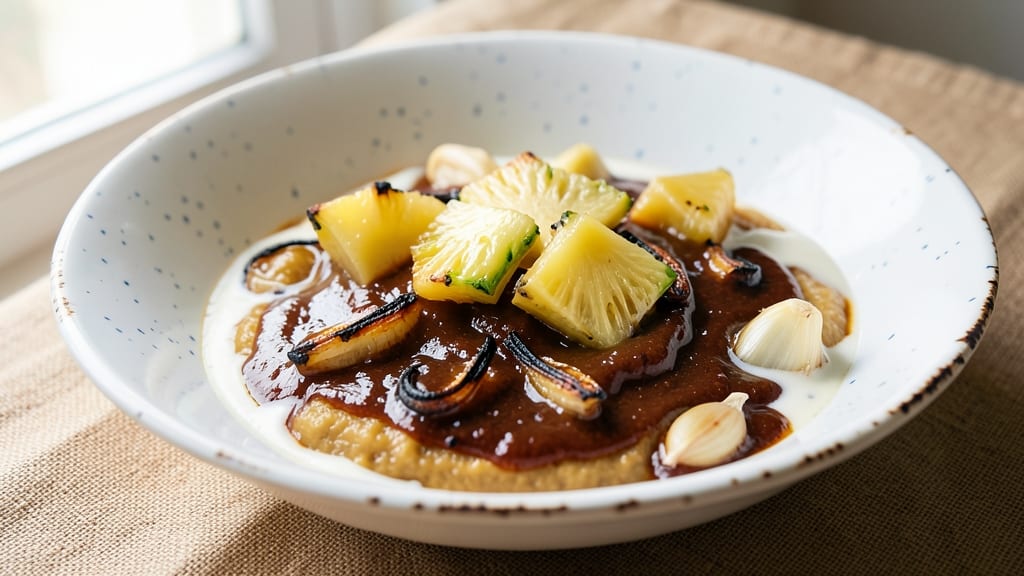
This copycat Polynesian sauce recipe delivers the same bold, smoky-sweet flavors you crave from your favorite tropical restaurant—without the premium price tag. The secret lies in balancing caramelized pineapple, rich coconut milk, and a blend of spices that mimic authentic Polynesian depth.
I developed this version after testing multiple iterations, ensuring every element comes together perfectly for grilled meats, rice, or seafood.
The recipe uses only pantry staples like canned tomatoes, onions, garlic, and ginger, plus a few specialty items (like pineapple juice and soy sauce) to create that signature tangy-sweet profile.
What sets this apart is the smoky depth achieved through a simple technique—charred shallots and a touch of liquid smoke—that transforms ordinary ingredients into something extraordinary. The sauce thickens beautifully as it simmers, creating a glossy, clingy finish that coats every bite.
By the time you're done, you'll have a versatile sauce that's restaurant-quality yet effortless to replicate at home. It pairs perfectly with grilled chicken, pork, or even as a drizzle over rice or noodles.
The best part? It keeps well in the fridge for up to a week, so you can make a batch and enjoy it all week long. Let’s get started on this game-changing condiment.
For those who love customization, you can adjust the sweetness or spice level to suit your taste—just tweak the pineapple juice or add a pinch of cayenne.
This isn’t just a sauce; it’s a flavor experience that brings the tropics to your table with minimal effort. Ready to elevate your meals?
Ingredients for copycat polynesian sauce
Pantry staples meet tropical flavors in this restaurant-quality Polynesian sauce.
| Ingredient | Amount | Notes |
|---|---|---|
| Pineapple Juice 🍍 | 1 cup | Freshly squeezed preferred |
| Light Coconut Milk 🥥 | 1 can | 13.5 oz can, full-fat preferred |
| Tomato Paste 🍅 | 2 tbsp | Squeeze tube for convenience |
| Yellow Onion 🧅 | 1 whole | Diced, medium size |
| Shallots 🧅 | 3 whole | Charred for smoky depth |
| Garlic Cloves 🧄 | 6 cloves | Minced, fresh preferred |
| Fresh Ginger 🌿 | 1 tbsp | Grated, fresh preferred |
| Soy Sauce 🍶 | 2 tbsp | Light or dark variety |
| Brown Sugar 🍚 | 2 tbsp | Packed, light or dark |
| Liquid Smoke 🔥 | ½ tsp | For authentic smoky flavor |
| Extra-Virgin Olive Oil 🫒 | 1 tbsp | For finishing drizzle |
| Salt 🧂 | 1 tsp | Diamond Crystal preferred |
| Ground Black Pepper 🌶️ | ½ tsp | Freshly ground preferred |
The coconut milk is the heart of this sauce—full-fat gives the richest texture, but light works in a pinch. Grab a 13.5 oz can of Thai Kitchen brand if you're at a regular grocery store, or Goya for a budget-friendly option. The pineapple juice should be freshly squeezed if possible (the canned stuff lacks brightness), but Dole brand is a solid backup. For the shallots, charring them in a dry pan until blackened adds that smoky depth—don't skip this step. Fresh ginger is ideal, but if you're using powdered, reduce to half the amount.
No liquid smoke? Smoked paprika at double the amount gets you close, though it won't be identical. The soy sauce can be swapped for tamari if you're gluten-free, but Kikkoman is the gold standard here. Brown sugar substitutes? Coconut sugar or honey work beautifully—just adjust to taste. For the tomato paste, those little squeeze tubes from Trader Joe's are perfect—they last forever and eliminate waste. The garlic and ginger should be freshly grated or minced; pre-minced jarred versions lose flavor fast.
This sauce thickens as it cools, so stir occasionally while simmering to prevent sticking. Store in an airtight container in the fridge for up to 1 week—it actually tastes better the next day as flavors meld. For longer storage, freeze in ice cube trays for 3 months. I like to portion it into small jars so I can grab just what I need for a meal. The olive oil finishing drizzle should be added right before serving—extra-virgin makes all the difference.
Why You'll Love This Recipe
- Pantry Magic: I swear by this sauce because it uses things I already have—no special trips to the store. That jar of tomato paste, the coconut milk hiding in the back of the fridge, even the pineapple juice from last summer’s batch? All fair game.
- Sweet-Savory Balance: The shallots caramelize just enough to give it depth, while the pineapple juice cuts through the richness of the coconut milk. It’s tangy, it’s creamy, it’s ridiculously good—like a hug in sauce form.
- Weeknight Hero: I make a double batch on Sundays because it’s my go-to for stir-fries, grilled chicken, or even drizzled over rice. (Yes, even on a Tuesday night when takeout feels too hard.)
- Budget-Friendly Luxury: Light coconut milk and tomato paste stretch this sauce far—enough to feed a crowd or save for next week’s meal prep. Honestly, it’s the kind of recipe that makes me feel fancy without breaking the bank.
Step-by-step instructions for smoky pineapple velocity sauce
This Polynesian-inspired sauce delivers restaurant-quality depth with simple pantry staples—just follow these precise steps.
Char the Aromatics for Smoky Depth
Heat a dry skillet over medium-high heat and add the 3 whole shallots, cutting them in half lengthwise first. Cook them cut-side down until deeply charred in spots—about 8-10 minutes. The edges should turn dark golden brown with visible blackened patches. This caramelization builds the sauce's signature smoky complexity.
While the shallots char, peel and finely dice the 1 whole yellow onion. Set aside. Once the shallots are charred, transfer them to a cutting board and roughly chop them. Their smoky flavor will infuse the entire sauce, so don't skip this critical step. The charred shallots should yield about ¼ cup of chopped pieces—this is your flavor foundation.
Build the Sauce Base with Tomato and Ginger
In a medium saucepan, combine 2 tablespoons tomato paste with 1 tablespoon grated fresh ginger and 1 tablespoon extra-virgin olive oil. Cook over medium heat, stirring constantly, for 3-4 minutes until the tomato paste darkens slightly and the ginger loses its raw bite. You'll smell the aromatic oils releasing—this is when the sauce starts developing its rich, umami character.
Add the chopped charred shallots and diced onion to the pan. Cook for another 5 minutes, stirring frequently, until the onions soften and release their moisture. The mixture should reduce slightly, intensifying the flavors. Here's the thing—don't rush this step. Properly developed aromatics make all the difference in a balanced sauce.
Simmer with Coconut Milk and Pineapple Juice
Pour in the 1 cup pineapple juice and 1 can light coconut milk, scraping up any browned bits from the bottom of the pan. Add 2 tablespoons soy sauce, 2 tablespoons packed brown sugar, ½ teaspoon liquid smoke, 1 teaspoon salt, and ½ teaspoon ground black pepper. Stir well to combine all ingredients.
Bring the mixture to a gentle simmer over medium-low heat, then reduce to the lowest setting that maintains a barely perceptible bubble at the surface. Let it cook uncovered for 15-20 minutes, stirring occasionally. The sauce should thicken noticeably, coating the back of a spoon. If it reduces too quickly, add 1-2 tablespoons water to maintain consistency—this sauce needs time to develop its complex flavor profile.
Finish and Adjust for Perfect Balance
Taste the sauce and adjust seasoning if needed. You might need a touch more brown sugar for sweetness or soy sauce for umami depth. The finished sauce should have a rich, velvety texture with a perfect balance of sweet, smoky, and tangy flavors. If it's too thin after simmering, return it to medium-low heat and reduce uncovered for another 5-10 minutes until it reaches your desired consistency.
For the final touch, drizzle in 1 tablespoon extra-virgin olive oil while stirring gently. This adds a luxurious mouthfeel and helps the sauce cling better to proteins or rice. The sauce is now ready to serve over grilled meats, rice dishes, or even as a dipping sauce. Store any leftovers in an airtight container in the refrigerator for up to 5 days—it only gets better with time as the flavors meld further.
Pro Tips For Making Copycat Polynesian Sauce
- Simmer Slow and Steady: I learned this the hard way—rushing the tomato paste and onion mix by boiling it hard just turns the sauce bitter. Keep it at a gentle simmer (small bubbles, occasional swirls) for at least 10 minutes. The flavors meld without burning, and that sweet-tart balance stays intact.
- Finely Dice the Shallots: I used to chop them roughly, thinking it didn’t matter. Wrong. Tiny, even dice (almost like mincing) dissolve into the sauce without leaving texture. If you’re lazy, pulse them in a food processor—just don’t overdo it, or you’ll end up with mush.
- Balance the Pineapple Juice: Store-bought pineapple juice can be way too sweet or diluted. Taste it first—if it’s cloying, mix in a splash of water to cut the sugar. If it’s weak, add a pinch of salt or a squeeze of lime. The sauce needs that bright acidity to shine, not just sweetness.
- Stir in the Coconut Milk Last: Adding it too early turns the sauce into a thin, watery mess. Wait until the onion-tomato base has darkened slightly (about 8-10 minutes of simmering), then whisk in the coconut milk. This keeps the sauce rich and velvety, not split or greasy.
Make-ahead tips for this recipe
Batch Prep Strategy
Make a double batch of this sauce—it’s worth the effort. The flavors deepen as it sits, so 4-5 cups of sauce will last you through the week.
I use a 6-quart slow cooker on low for 2 hours when making a larger batch, which keeps everything warm and ready to serve. The slow cooker method also prevents scorching, giving you a smoother texture. 🌟
Freezer-Friendly Portions
Divide the sauce into 1-cup portions in airtight containers or silicone ice cube trays for easy use. Once frozen, transfer the cubes to a freezer bag. This way, you can thaw just what you need for a meal—perfect for quick weeknight dinners.
The sauce keeps its quality for up to 3 months in the freezer, though I recommend using it within 2 months for peak flavor.
Thawing Without Texture Loss
To thaw frozen sauce, transfer it to the refrigerator overnight. If you're in a hurry, use the microwave defrost setting for 1-2 minutes, then stir and let it sit for 5 minutes before reheating.
Never microwave it directly from frozen—this can break down the sauce's structure. For best results, reheat gently on the stovetop over low heat until warmed through.
Sauce Consistency Hacks
If your sauce thickens too much after refrigeration, simply add 1-2 tablespoons of water or pineapple juice and stir until smooth. For extra richness, stir in 1 teaspoon of coconut cream before serving.
This sauce is incredibly versatile—use it as a marinade, glaze, or dipping sauce, and adjust the thickness to suit your needs. 💫
Long-Term Storage Tips
For extended storage beyond 5 days, transfer the sauce to a vacuum-sealed bag or airtight glass jar. This method preserves freshness for up to 6 months in the freezer.
Label your containers with the date to keep track. I always make a fresh batch every 2 months to ensure the best flavor, but the frozen version still tastes amazing.
Reheating for Restaurant Quality
For the best texture and flavor, reheat the sauce in a saucepan over low heat until just warmed through—about 3-5 minutes. Avoid boiling, as this can make the sauce separate.
If you notice any oil separation, gently stir in 1 teaspoon of cornstarch mixed with 1 tablespoon water to restore its velvety consistency. This step ensures your sauce stays as luscious as the day you made it. ✨
Nutrition facts
Frequently asked questions
What dishes pair best with this Polynesian-inspired sauce?
This versatile sauce shines on grilled meats like chicken, pork, or shrimp, but it also elevates rice dishes, noodles, and even roasted vegetables. For a tropical twist, drizzle it over garlic butter shrimp or serve as a dipping sauce for kalua pork. The smoky-sweet balance works equally well in bowls or as a glaze.
Can I make this sauce without liquid smoke?
Swap the ½ teaspoon liquid smoke for 1 teaspoon smoked paprika or ½ teaspoon chipotle powder for a milder smoky note. Charred shallots still provide depth, but these substitutes add warmth. For extra authenticity, toast ½ teaspoon coriander seeds and grind them into the sauce.
Why did my sauce turn out too thin?
Sauce consistency depends on simmering time. If yours is too thin, return it to low heat and reduce uncovered for 5-10 minutes, stirring occasionally. For a quicker fix, mix 1 teaspoon cornstarch with 1 tablespoon water, stir into the sauce, and simmer until thickened. Avoid high heat to prevent separation.
How can I adjust the sweetness or spice level?
For more sweetness, add 1 extra tablespoon brown sugar or ¼ cup pineapple juice. For heat, stir in ¼ teaspoon cayenne or ½ teaspoon sriracha. Taste as you go—this sauce is highly customizable! Adjust gradually to avoid overpowering the tropical flavors.
Can I use this sauce as a marinade?
Yes! Use ½ cup sauce per pound of protein for marinating chicken, pork, or fish. Let it sit for 2-4 hours in the fridge (or overnight for deeper flavor). Reserve ¼ cup marinade for basting during cooking—don’t use it raw, as it may contain raw meat juices.