
Sauces & Condiments
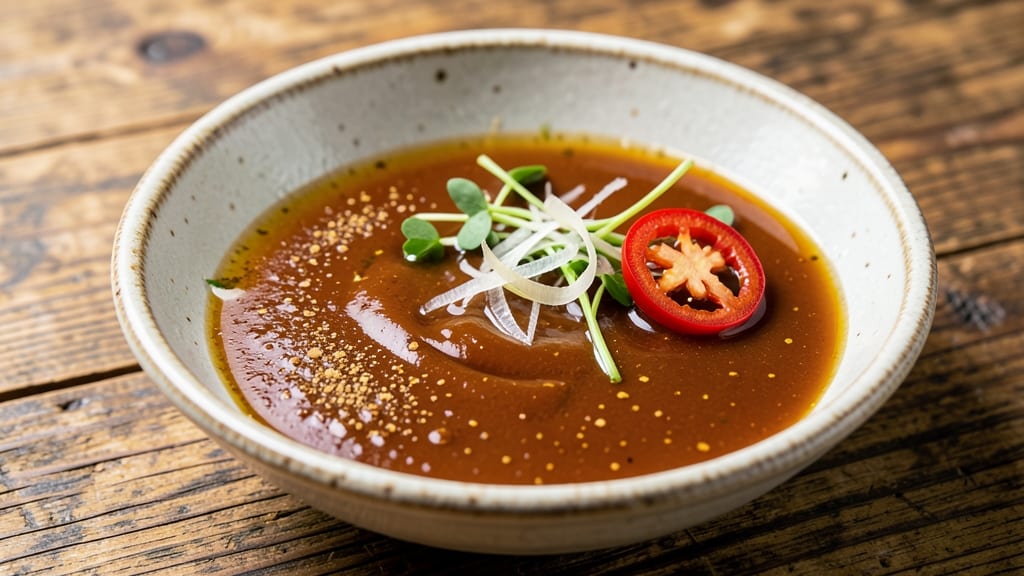
This shabu shabu sauce recipe transforms simple pantry staples into a silky, aromatic sauce that elevates every bite of thinly sliced meat and vegetables. The secret lies in balancing traditional Japanese flavors—soy, ginger, and dashi—while keeping the process straightforward enough for weeknight cooking.
I’ve perfected this version to deliver that signature umami depth without requiring specialty ingredients or hours of simmering.
What sets this sauce apart is its versatility—it works just as well for shabu-shabu as it does for sukiyaki or even as a quick marinade. The key steps involve simmering until the flavors meld, then straining for a smooth, silky texture that clings perfectly to tender proteins.
Whether you use powdered dashi for convenience or homemade stock for authenticity, the result is a sauce that’s rich, slightly sweet, and packed with ginger’s warm kick.
By the time you’re done, you’ll have a sauce that’s restaurant-quality yet simple to make, with just a handful of ingredients and about 20 minutes of active time. The aroma alone will transform your kitchen into a Japanese izakaya, while the sauce’s velvety consistency ensures every dish feels special.
This is the kind of condiment that turns ordinary meals into memorable experiences.
Use it to dip thinly sliced beef, chicken, or vegetables in shabu-shabu, or pour it over simmering sukiyaki pots for an instant flavor boost. The sauce keeps well in the fridge for up to a week, making it perfect for meal prep or entertaining.
Here’s how to make it—once you try this version, you’ll never go back to store-bought.
Ingredients for shabu sauce
Eight simple ingredients for a sauce that tastes like a Japanese izakaya in your kitchen.
| Ingredient | Amount | Notes |
|---|---|---|
| Soy Sauce 🍶 | ½ cup | High-quality, preferably Japanese style |
| Dashi Powder 🍲 | 1 tbsp | Or homemade dashi stock |
| Fresh Ginger 🧅 | 2 tbsp | Finely grated, aromatic |
| Mirin 🍶 | 2 tbsp | Sweet rice wine, not imitation |
| Sake 🍶 | 2 tbsp | Dry variety preferred |
| Sugar 🍚 | 1 tbsp | White granulated |
| Sesame Oil 🫒 | 1 tbsp | Toasted, for aroma |
| Rice Vinegar 🍶 | 1 tbsp | Mild, not apple cider |
The soy sauce is where the magic happens—Japanese brands like Kikkoman or Yamasa make all the difference. Fresh ginger? Buy a knob and grate it yourself—pre-grated gets mushy. Dashi powder is your shortcut, but if you’re feeling fancy, simmer kombu and bonito flakes for homemade stock. Trader Joe's carries great dashi powder, and their sake is perfect for this. Just don’t grab the cooking sake—you want the dry stuff for balance.
No mirin? Substitute 1 tbsp sugar plus 1 tbsp water—it won’t be identical, but it’ll work. Sesame oil adds depth, but if you’re avoiding it, toasted sesame seeds at the end give a similar punch. Rice vinegar keeps the sauce bright; apple cider vinegar is too sharp. The sugar helps balance the soy’s saltiness—don’t skip it. For a smoother texture, strain the sauce through a fine-mesh sieve after simmering.
This sauce keeps for up to 1 week in the fridge, sealed tight. The flavors actually improve as it sits—let it rest overnight if you can. Freeze in ice cube trays for single-use portions. If it thickens too much, whisk in a splash of hot water. Use it for shabu-shabu, sukiyaki, or even as a marinade for grilled meats. The aroma alone will make your kitchen smell like a Tokyo restaurant.
Why You'll Love This Recipe
- Here’s what sold me: that first sip of the warm sauce cutting through thinly sliced beef or tofu. The ginger’s zing lingers, but the soy and dashi wrap it in this deep, savory hug. It’s the kind of flavor that makes you pause mid-bite—like a secret handshake from my Japanese grandma’s kitchen.
- I’ll be real: I make a double batch every time. The extra sauce keeps for weeks in the fridge, and it only gets better as the flavors meld. Use it on rice bowls, noodles, or even as a marinade—no one will guess it’s been sitting around. My wallet thanks me twice.
Step-by-step instructions for shabu shabu sauce
This silky sauce comes together faster than you can say "shabu shabu" - just combine the right ingredients in the right order.
Grate the Fresh Ginger
Start by grating the 2 tablespoons of fresh ginger using a fine grater or microplane. You want the texture to be as fine as possible - almost like a paste. This ensures the ginger's flavor infuses smoothly throughout the sauce without any noticeable chunks. I like to use the finest setting on my grater to get that perfect consistency.
Set the grated ginger aside in a small bowl. The aroma will start filling your kitchen, which is your first sign that you're on the right track. If you're using a pre-grated ginger, make sure it's fresh and hasn't turned brown or lost its aroma.
Simmer the Base Ingredients
In a small saucepan, combine the 0.5 cup soy sauce, 2 tablespoons mirin, 2 tablespoons sake, 1 tablespoon sugar, and the freshly grated ginger. Place the saucepan over medium-low heat and bring to a gentle simmer. You'll see small bubbles forming at the edges - that's your signal to keep stirring.
Let the mixture simmer for 5-7 minutes, stirring occasionally with a wooden spoon. You want the liquid to reduce slightly and the flavors to meld together. The sauce should thicken just enough to coat the back of a spoon. If it starts to bubble vigorously, reduce the heat slightly to maintain a gentle simmer.
Add the Finishing Touches
Once the base has simmered and reduced, remove the saucepan from heat. Stir in the 1 tablespoon dashi powder and 1 tablespoon rice vinegar. The dashi powder will dissolve quickly, adding that signature umami depth. The rice vinegar adds a subtle tang that balances the richness of the other ingredients.
Finally, drizzle in the 1 tablespoon sesame oil while stirring continuously. The sesame oil adds a nutty aroma and helps create that signature silky texture. The sauce should now have a glossy sheen and a rich, inviting color. If you taste it now, you'll notice the balance of sweet, salty, umami, and a hint of tang.
Strain and Adjust
Let the sauce sit for 2-3 minutes to allow all the flavors to fully meld together. Then, strain it through a fine-mesh sieve into a clean bowl to remove any ginger fibers. This step ensures your sauce is completely smooth and free of any texture that might distract from its velvety consistency.
Taste the sauce and adjust the seasoning if needed. If it needs more saltiness, add a splash more soy sauce. If it needs more sweetness, add a tiny bit more sugar. The sauce should be balanced - not too sweet, not too salty, with that perfect umami kick from the dashi and ginger. Transfer to a serving bowl and keep it warm until ready to use.
Serve Immediately
Shabu shabu sauce is best served warm, so keep it on low heat or in a thermos until you're ready to use it. The sauce should coat your proteins beautifully, creating that signature glossy sheen that makes every bite irresistible. This sauce works perfectly with thinly sliced meats, tofu, and fresh vegetables in your shabu shabu pot.
Remember, the key to great shabu shabu sauce is balance. The combination of soy sauce, mirin, sake, and rice vinegar creates a harmony of flavors that's both comforting and exciting. Each component plays its part - the soy sauce provides the base, the mirin adds sweetness, the sake brings depth, and the rice vinegar adds brightness. Enjoy your homemade shabu shabu sauce!
Pro Tips For Making Shabu Sauce
- Simmer Low and Slow: I learned this the hard way—boiling shabu sauce ruins it. Keep the heat at a bare simmer, just enough to see tiny bubbles breaking the surface. Rushing it turns the mirin into alcohol fumes instead of sweet depth, and your sauce will taste harsh.
- Grate Ginger Fine: No, a microplane isn’t cheating—it’s non-negotiable. If you chop ginger with a knife, you’ll end up with chunks that sit at the bottom like tiny rocks. Grated ginger dissolves smoothly, so every spoonful of sauce gets that warm, bright kick.
- Balance the Salt First: Taste as you go, especially with dashi powder. If the soy sauce feels too strong, add a splash of sake or mirin before adjusting the dashi—it’s easier to dial back later. I used to add dashi last, and the sauce always ended up either flat or overpowering.
- Reduce by Half: Don’t skimp on the simmering time. A good shabu sauce should coat the back of a spoon—about half the original liquid volume. If you’re impatient, you’ll miss the chance for the flavors to marry properly, and the sauce will taste thin and one-dimensional. (Yes, even if you’re staring at the clock like I was.)
Serving suggestions for this shabu sauce
Shabu-Shabu Dipping Ritual
Serve this sauce in a small ceramic crock pot or lidded bowl at the table—traditional shabu-shabu style. Keep it warm on a chafing dish or electric fondue warmer (like the Hamilton Beach 32008) so guests can dip their proteins as they cook.
I love using Japanese lacquerware bowls for that authentic izakaya feel, but any shallow dish works. 🍶
Protein Pairings
Thinly sliced ribeye or sirloin (about ¼-inch thick) is classic, but don’t limit yourself. Try chicken thigh, shrimp, or firm tofu for vegetarian options.
For extra decadence, add thinly sliced leeks or shitake mushrooms—they soak up the sauce beautifully. Prep everything in advance so cooking feels effortless. 💪
Vegetable Accompaniments
Round out the meal with bok choy, napa cabbage, and daikon radish—all staples in shabu-shabu. Blanch them for 30 seconds in the same pot as your proteins, then transfer to a plate for dipping.
For a modern twist, add snow peas or bell pepper strips—their crisp texture contrasts perfectly with the sauce’s silkiness.
Garnish Like a Pro
Finish each bowl of sauce with a drizzle of toasted sesame oil and a sprinkle of white sesame seeds right before serving. For a pop of color, add thinly sliced scallions or microgreens.
A few crispy shallots (pan-fried in 1 tbsp butter for 2 minutes) add texture that elevates every bite. ✨
Sauce Serving Temperature
Shabu-shabu sauce shines when warm but not boiling—around 160°F. If it cools while you’re cooking, reheat gently on the stove over low heat or in a microwave-safe bowl for 20-30 seconds.
Never microwave directly in the serving dish, as it can cause uneven heating. A small saucepan with a ladle makes it easy to keep the sauce at the perfect temperature all night. 🌡️
Leftovers Reinvented
Use leftover sauce as a marinade for grilled meats or a glaze for roasted vegetables. Thin it with 1 tbsp water and brush onto salmon or tofu before broiling. It also makes a quick stir-fry sauce—just toss with sautéed veggies and rice.
Store leftovers in an airtight container for up to 5 days in the fridge. 💡
Nutrition facts
Frequently asked questions
Can I make this shabu sauce without sake?
Yes! If you don’t have sake, substitute it with an equal amount of dry white wine or even apple cider vinegar mixed with 1 tsp sugar. The key is maintaining the balance of acidity and sweetness. For a non-alcoholic version, use 1 tbsp extra mirin plus 1 tbsp water—it’ll still deliver that same umami depth.
How do I fix shabu sauce that's too salty?
If your sauce turns out too salty, balance it by adding 1-2 tsp sugar or 1 tsp mirin to sweeten the flavor profile. For a more neutral approach, thin it with 1 tbsp water or rice vinegar and taste again. Never add more soy sauce—it’ll just make it saltier! The goal is to restore harmony, not mask the problem.
Can I use this sauce for dishes other than shabu-shabu?
This versatile sauce works beautifully as a dipping sauce for sushi, a glaze for grilled meats, or even a stir-fry sauce. Thin it with 1 tbsp water if needed for lighter applications. It’s also perfect for ramen or noodle bowls—just drizzle it over hot broth for instant umami. The ginger and dashi make it adaptable to many dishes.
Why does my shabu sauce look cloudy?
Cloudiness usually means the sauce hasn’t been strained properly or the ginger wasn’t finely grated. For a silky texture, always strain through a fine-mesh sieve after simmering. If you’re in a hurry, blend the sauce briefly before straining—this breaks down any lingering fibers. The result should be glossy and inviting, not murky.
How long can I store homemade shabu sauce?
Store your sauce in an airtight container in the fridge for up to 1 week. For longer storage, freeze it in ice cube trays—thaw and reheat as needed. The flavors actually improve over time, so it’s perfect for meal prep. Just reheat gently on low heat or in the microwave for 20 seconds before serving.