Sauces & Condiments
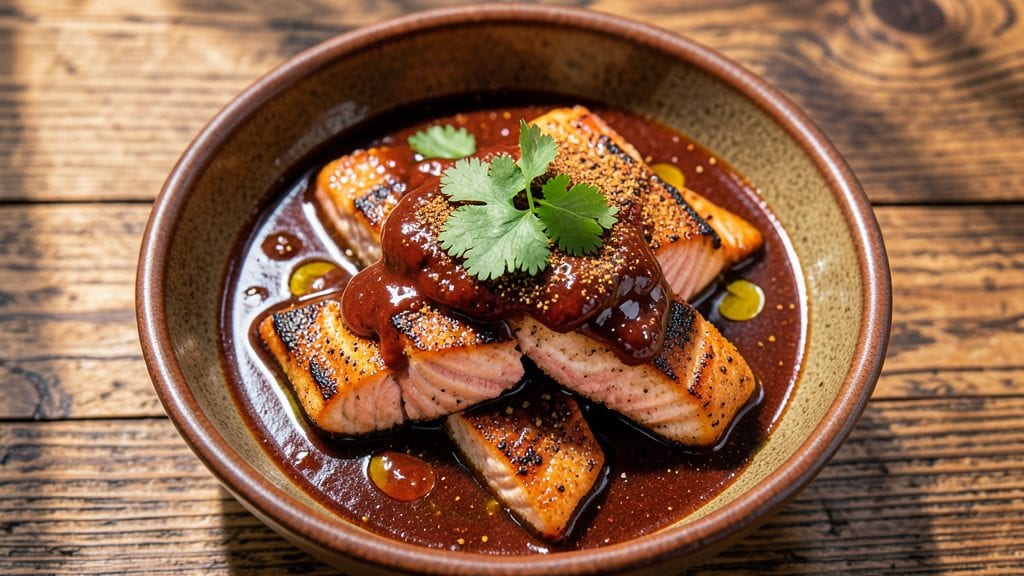
This Chili’s ancho salmon sauce recipe captures the smoky, slightly sweet, and tangy balance that makes their signature dish so irresistible. The secret lies in dried ancho chiles and chipotle powder working together to create that signature depth, while a touch of lime and fresh cilantro brighten the finish.
I've recreated this sauce after testing countless variations—this one stays true to the restaurant while being easier to make at home.
What makes this sauce special is how the flavors develop through slow simmering, allowing the chiles to infuse without becoming bitter. A splash of broth keeps it smooth and rich, while a pinch of cumin and garlic powder adds warmth.
The sauce is versatile enough to work as a glaze for salmon, a drizzle over grilled chicken, or even a dip for tortilla chips.
By the time you're done, you'll have a velvety, slightly thick sauce with layers of smoky heat, sweetness, and freshness. It's the kind of sauce that transforms simple proteins into something restaurant-worthy.
The best part? It keeps well in the fridge for up to a week, so you can make a batch and use it all week long.
This sauce is perfect for anyone who loves bold, complex flavors but wants to avoid the hassle of restaurant portions. Whether you're grilling salmon for a special dinner or just want to elevate your weeknight meals, this recipe delivers every time. Let's get started!
Ingredients for chili's ancho salmon sauce
Smoky, sweet, and bright—this sauce nails Chili's signature flavor with just ten simple ingredients.
| Ingredient | Amount | Notes |
|---|---|---|
| Dried Ancho Chiles 🌶️ | 2 whole | Stems and seeds removed |
| Chipotle Powder 🌶️ | 1 tbsp | Smoked, not liquid chipotle |
| Garlic Powder 🧄 | 1 tbsp | Fresh ground preferred |
| Ground Cumin 🌿 | ½ tbsp | Toasted for depth |
| Fresh Cilantro 🌿 | ¼ cup | Stems and leaves chopped |
| Lime Juice 🍋 | 2 tbsp | Freshly squeezed |
| Chicken Broth 💧 | 1 cup | Low-sodium preferred |
| Extra-Virgin Olive Oil 🫒 | ¼ cup | High quality, fruity |
| Brown Sugar 🍚 | 1 tbsp | Light or dark |
| Salt 🧂 | ½ tsp | Kosher or sea salt |
The ancho chiles are the heart of this sauce. Mexican grocery stores usually carry them dried, but if you can't find them, substitute 1 tbsp smoked paprika plus 1 tbsp mild chili powder. Toast the chiles in a dry pan for 30 seconds per side to deepen their flavor—don't let them burn, or they'll turn bitter. The chipotle powder is non-negotiable for that signature smoky heat; Penzeys or Goya are reliable brands. For the cilantro, I always grab a big bunch and chop the stems too—they've got just as much flavor as the leaves.
No fresh cilantro? Dried cilantro at half the amount works in a pinch, but fresh is worth the effort. Short on lime juice? Lemon juice works 1:1, but the sauce will taste slightly sharper. The chicken broth can be swapped for vegetable broth if you're vegetarian, or even white wine for a richer base. If you're avoiding sugar, reduce the brown sugar to 0.5 tbsp—it balances the smokiness without being overpowering. The olive oil matters here too; skip the light, flavorless stuff—go for something with a little peppery kick.
This sauce tastes even better the next day as the flavors meld. Store it in a glass jar in the fridge for up to 1 week. I like to make a double batch and freeze half in ice cube trays—perfect for quick glaze portions later. If it thickens too much, just stir in a splash of water or broth. The sauce pairs perfectly with grilled salmon, chicken, or even as a dip for tortilla chips—just like at Chili's.
Why You'll Love This Recipe
- Pantry Magic: I use this sauce when I forget to buy fresh ingredients—just rehydrate those ancho chiles in hot water, blend with the spices, and boom. No last-minute grocery runs, no stress.
- Smoky Depth: That chipotle powder and cumin? They turn simple salmon into something ridiculously flavorful. The ancho chiles add a fruity, earthy note that makes it taste like a restaurant dish—without the fuss.
- Sauce for Everything: Slather it on grilled fish, drizzle it over rice, or toss it with roasted veggies. It’s my go-to for weeknight dinners, potlucks, or even as a dip for tortilla chips when I’m craving something bold.
- Budget-Friendly Luxury: A single batch stretches across three meals—save half for tacos, half for pasta, and the rest for breakfast eggs. The dried chiles and spices cost pennies but taste like a splurge.
Step-by-step instructions for Chili's ancho salmon sauce
Here's how to create a perfectly balanced sauce with deep smoky notes and bright cilantro finish.
Toast and Rehydrate the Ancho Chiles
Begin by toasting the 2 whole dried ancho chiles in a dry skillet over medium heat for about 30 seconds per side until they become fragrant and slightly darkened. This step deepens their natural sweetness and removes any potential bitterness. Immediately transfer them to a heatproof bowl and cover with the 1 cup chicken broth.
Let the chiles soak for 15 minutes while you prepare the remaining ingredients. The broth will soften them enough to blend smoothly, but they'll still retain their structure. If you notice any stems or seeds that didn't come out during preparation, remove them now - they can make the sauce bitter.
Build the Smoky Base
In the same skillet (no need to clean it), heat the 0.25 cup extra-virgin olive oil over medium heat until shimmering. Add the 1 tablespoon garlic powder, 1 tablespoon chipotle powder, and 0.5 tablespoon ground cumin, stirring constantly for 30 seconds until fragrant. You'll smell that wonderful toasted aroma - this is when the spices really wake up.
Pour in the rehydrated ancho chiles with their soaking liquid, scraping up any browned bits from the bottom of the pan. Bring to a gentle simmer and cook for 5 minutes until the mixture reduces slightly and becomes thickened. This concentrated base will carry all the complex flavors we're building.
Sweeten and Balance the Sauce
Reduce the heat to low and stir in the 1 tablespoon brown sugar and 0.5 teaspoon salt. Let the sauce simmer gently for another 3 minutes until slightly thickened and glossy. The sugar will help balance the smoky heat from the chipotle while adding subtle caramel notes that complement the salmon beautifully.
Taste the sauce at this point - you should notice the deep ancho chile flavor with a warm, slightly sweet background. If you find it needs more depth, you can add a splash more chicken broth, but it should be well-balanced at this stage. The sauce will continue to develop as it cools.
Finish with Bright Citrus and Herbs
Remove the sauce from heat and stir in the 2 tablespoons lime juice and 0.25 cup chopped fresh cilantro. The acidity will brighten all the flavors while the cilantro adds freshness that cuts through the richness. Let the sauce sit for 5 minutes to allow the flavors to meld completely before using.
For best results, strain the sauce through a fine-mesh sieve to remove any remaining chile skins or seeds if you prefer a completely smooth texture. This final step ensures you'll have a velvety sauce that coats salmon beautifully without any texture surprises. The sauce will keep well in the refrigerator for up to 5 days, making it perfect for meal prep.
Pro Tips For Making Chili'S Ancho Salmon Sauce
- Toast the Chiles: Dry toast your ancho chiles in a skillet for 30 seconds per side—just until fragrant, not charred. I learned this the hard way: burnt chiles turn the sauce bitter, and you’ll taste it even after blending. Keep an eye on them; they’re done faster than you think.
- Bloom the Spices: Heat your oil low and slow, then add chipotle powder and cumin first—let them sizzle for 30 seconds before adding garlic. This step unlocks their flavor instead of letting them cook into nothingness. Skip it, and your sauce will taste flat, no matter how much you stir.
- Strain the Seeds: Pick out the ancho chile stems and seeds before blending—even a few lingering seeds can make the sauce gritty. I used to skip this, but now I do it over a bowl to catch every stray bit. It’s tedious, but the texture is smoother, and the sauce feels more refined.
- Finish with Acid: Stir in a splash of lime juice or vinegar at the end—just enough to brighten the sauce and cut through the richness. I was skeptical until I tried it; it balances the smoky depth and makes the cilantro pop. Start with half a teaspoon, then adjust.
Perfect pairings for these flavors
Salmon Glazing Perfection
This sauce transforms grilled or baked salmon into a showstopper. Brush 2-3 tablespoons of the warm sauce onto 6-8 ounce salmon fillets just before the final 5 minutes of cooking. The smoky ancho and chipotle flavors caramelize beautifully on the salmon's surface, creating a perfect balance of heat and sweetness.
For extra drama, finish with a sprinkle of toasted sesame seeds or crumbled cotija cheese. 🔥
Chicken Tenders Twist
Use this sauce as a dip or glaze for crispy chicken tenders. Toss 1 pound breaded tenders in the sauce after frying, then broil for 2-3 minutes to set the glaze.
The smoky depth pairs perfectly with the crunchy exterior. I like to serve these with cooling avocado slices and lime wedges to cut through the richness.
Tortilla Chip Dip
Skip the cooking entirely and serve this sauce as a bold dip for blue corn tortilla chips. The ancho-chipotle blend creates a sophisticated alternative to salsa. For extra texture, top with diced mango or crumbled queso fresco.
This works especially well when the sauce has cooled slightly—around 30 minutes after making—so the flavors meld more completely.
Vegetable Roast Elevator
Toss roasted vegetables like zucchini, bell peppers, and red onions in this sauce during the final 10 minutes of roasting at 425°F. The smoky-sweet glaze caramelizes beautifully, adding depth to usually simple veggie sides.
I especially love this with charred corn on the cob—just brush the sauce on after grilling.
Breakfast Tacos Secret
This sauce adds unexpected depth to breakfast tacos. Warm 2 tablespoons of sauce and drizzle over scrambled eggs or crispy breakfast potatoes in your tortilla. The smoky notes complement the richness of eggs perfectly, while the cilantro adds freshness.
Serve with avocado slices and pickled red onions for a restaurant-quality morning meal. 💫
Seafood Pairing Pro Tips
For shrimp or scallops, reduce the sauce slightly before using—simmer uncovered for 5-7 minutes until it reaches a syrupy consistency. The concentrated flavor clings beautifully to delicate seafood. I also recommend adding 1 teaspoon fish sauce to the finished sauce when using with seafood to enhance umami depth.
Always finish with fresh cilantro right before serving to preserve its vibrant color and flavor.
Nutrition facts
Frequently asked questions
Can I make this sauce without ancho chiles?
If you can't find ancho chiles, substitute with 1 tbsp smoked paprika plus 1 tbsp mild chili powder for a similar smoky depth. Toast the spices in oil for 30 seconds to enhance their flavor. The sauce will still taste delicious but may lack the subtle sweetness of authentic ancho chiles.
How do I adjust the heat level?
Reduce heat by using 0.5 tbsp chipotle powder instead of 1 tbsp. For extra spice, add 1/4 tsp cayenne pepper or a pinch of crushed red pepper flakes. Always taste before serving—you can adjust while the sauce cools.
Can I use this sauce on other proteins besides salmon?
This sauce works beautifully on grilled chicken, shrimp, or even as a dip for tortilla chips. For seafood, reduce the sauce slightly first to create a sticky glaze. The smoky-sweet balance enhances almost any protein.
Why does my sauce look too thin?
Simmer the sauce uncovered for 5-7 minutes longer to reduce thickness. If it's still too thin, mix 1/2 tsp cornstarch with 1 tbsp water, stir in, and cook for 1 more minute. The sauce should coat the back of a spoon without being gluey.
How long can I store this sauce?
Store in an airtight glass jar in the fridge for up to 1 week. For longer storage, freeze in ice cube trays—thaw overnight in the fridge before using. The flavors actually improve after 24 hours as they meld together.