Sauces & Condiments
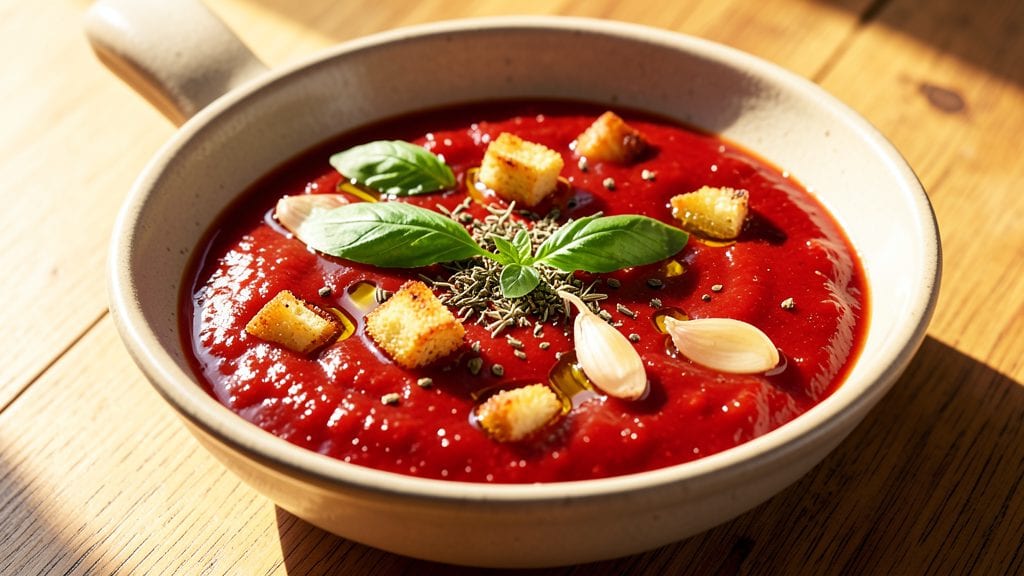
Grandma's tomato sauce recipe is the kind of dish that transforms simple pantry ingredients into something deeply comforting and universally loved. The secret lies in slow simmering—allowing flavors to meld and intensify until every spoonful carries that unmistakable depth of homemade goodness. I first learned this method from my grandmother, who insisted on fresh basil and a long cook time, never cutting corners. That patience is what makes all the difference.
This sauce begins with canned San Marzano tomatoes, garlic, and olive oil, then builds layers of flavor through aromatic herbs like oregano and thyme.
The key technique is letting it simmer uncovered for at least 45 minutes, allowing excess moisture to evaporate and concentrating the tomato flavor into something rich and velvety. It’s the kind of sauce that tastes even better the next day as flavors continue to develop.
What you’ll end up with is a versatile sauce that elevates everything from pasta to pizza crust, or even as a base for hearty stews. The texture is smooth yet vibrant, with just the right balance of sweetness and acidity.
It freezes beautifully, too, so you’ll always have a jar ready for spontaneous dinners. This isn’t just tomato sauce—it’s the foundation of countless meals.
For extra richness, you can stir in a splash of red wine or a pinch of sugar to balance acidity. Or, for a meatier version, brown ground beef or Italian sausage before adding the tomatoes.
The possibilities are endless, but the core method remains the same: time, patience, and love. Let’s get simmering.
Ingredients for grandma's tomato sauce
Pantry staples plus a few fresh touches. That's all it takes for Grandma's legendary sauce.
| Ingredient | Amount | Notes |
|---|---|---|
| San Marzano Tomato Cans 🍅 | 2 cans | Whole peeled, 28 oz each |
| Extra-Virgin Olive Oil 🫒 | ½ cup | High quality, fruity flavor |
| Garlic Cloves 🧄 | 6 cloves | Fresh, peeled, minced fine |
| Fresh Basil Leaves 🌿 | 1 cup | Packed, stems removed |
| Dried Oregano 🍃 | 1 tsp | Mexican oregano preferred |
| Dried Thyme 🌿 | 1 tsp | Fresh works too, chopped |
| Red Wine 🍷 | ¼ cup | Dry, like Chianti or Cabernet |
| Granulated Sugar 🍬 | 1 tbsp | Balances acidity, optional |
| Salt 🧂 | 1 tsp | Kosher or sea salt |
| Black Pepper 🌶️ | ½ tsp | Freshly ground preferred |
San Marzano tomatoes are the secret weapon here—look for the 28 oz cans at Italian markets or specialty stores like Whole Foods. The flavor is sweeter and more consistent than regular canned tomatoes. Fresh basil is non-negotiable (the good stuff, not the pre-shredded kind)—farmers markets have the best, but grocery store bunches work too. For the olive oil, California Extra Virgin brands like Corto or Colavita add that fruity depth. If you're using dried herbs, Penzeys or Spicewalla are worth the splurge for their vibrant flavors.
No red wine? Substitute with 1/4 cup beef broth—it won't be the same, but it works in a pinch. Fresh thyme is ideal, but dried works at half the amount. Sugar is optional, but I always add it—just a pinch balances the acidity beautifully. Short on garlic? Garlic powder at 1/2 tsp gets you close, but fresh is better. The oregano should be Mexican if you can find it—H-E-B or Latin markets usually carry it. And if you're feeling fancy, toast your garlic cloves in the olive oil for 30 seconds before adding to the sauce.
This sauce only gets better with time—simmer uncovered for 45+ minutes to let flavors concentrate. Store in airtight jars in the fridge for up to 5 days, or freeze for 6 months. I always make double batches because it disappears fast. The basil wilts quickly, so store it in a jar of water in the fridge if you're not using it all at once. And if you make it ahead, the flavor deepens overnight—trust me on that.
Why You'll Love This Recipe
- No-Chop Necessary: I swear by this—just open the cans, dump, and stir. The San Marzano tomatoes do all the work, and those garlic cloves? Minced in 30 seconds flat. Honestly, I’ve made it while scrolling through my phone.
- Herb-Packed Punch: That first taste of olive oil hitting the pan, then the garlic sizzling—it’s like a hug in sauce form. The basil and oregano balance each other out perfectly, and the tomatoes? Sweet, rich, and never watery. I’ll be real: it’s the kind of flavor that makes you pause mid-bite.
- Weeknight to Potluck: Slap this on spaghetti for Tuesday, or bring it in a jar for Sunday dinner. It’s just as good cold in a sandwich as it is simmered over pasta. My college roommate used to steal my leftovers—no joke.
- Fridge Magic: Make a double batch, and you’ve got dinner covered for days. The sauce only gets better after a night in the fridge, and it freezes like a dream. Between us, this is how I feed my family for under $10. Pure gold.
Instructions for Grandma's tomato sauce recipe
This sauce comes together with simple pantry staples and patience—no fancy techniques needed.
Sauté Garlic in Olive Oil Until Fragrant
Heat the 0.5 cup extra-virgin olive oil in a large, heavy-bottomed pot over medium heat. Add the 6 cloves minced garlic cloves and cook for 2-3 minutes until they're golden and smell heavenly—not browned, just fragrant. Watch the pan closely; garlic burns fast and turns bitter.
Here's the thing—if you smell that nutty aroma, you've gone too far. Remove the pot from heat immediately if it starts browning. We want sweet, mellow garlic flavor, not bitter notes. Let the garlic cool for 1 minute before proceeding; this prevents a sudden sizzle when adding the tomatoes.
Add Tomatoes, Wine, and Seasonings
Pour in the 2 cans San Marzano tomato cans, crushing them slightly with your hands as you add them. Stir in the 0.25 cup red wine, scraping up any browned bits from the bottom of the pot. Add the 1 tsp dried oregano, 1 tsp dried thyme, 1 tbsp granulated sugar, 1 tsp salt, and 0.5 tsp black pepper.
The sugar might seem odd, but it's key—it balances the acidity of the tomatoes and wine, making the sauce sweeter and more complex. Stir everything together until the tomatoes break down slightly and the mixture comes together. This should take about 3-4 minutes of gentle stirring.
Simmer Until Thick and Flavorful
Bring the sauce to a gentle boil over medium-high heat, then immediately reduce the heat to low. Let it simmer uncovered for 45-60 minutes, stirring occasionally. You're looking for a sauce that coats the back of a spoon and has thickened noticeably—it should pull away from the sides of the pot slightly.
This long simmer is where the magic happens. The acidity mellows, the flavors meld, and the sauce deepens in color. If it gets too thick before the time is up, add 2-3 tablespoons of water to loosen it. The sauce should be smooth but still have some body—like a rich, velvety blanket of flavor.
Finish with Fresh Basil
About 10 minutes before the sauce is done, add the 1 cup fresh basil leaves. Stir them in gently so they wilt into the sauce. The basil should infuse its bright, fresh flavor without overpowering the deep, savory notes you've built. If you add it too early, it'll turn bitter.
Taste the sauce and adjust seasoning if needed—you might need a pinch more salt or a crack of black pepper. The sauce should be balanced: sweet from the sugar, tangy from the tomatoes, and herby from the basil. Let it sit off the heat for 5 minutes before serving; this lets the flavors settle and the texture thicken just a bit more.
Pro Tips For Making Grandma'S Tomato Sauce
- CRUSH THE GARLIC: Use a mortar and pestle instead of mincing—smashed whole cloves in olive oil release more flavor without burning. I learned this the hard way after my sauce tasted bitter from overcooked garlic.
- SIMMER LOW AND SLOW: After adding tomatoes, reduce heat to a gentle bubble—hardly a simmer—so the sauce thickens without scorching. My first batch turned into a sad, grainy mess because I kept it too hot.
- SALT THE TOMATOES FIRST: Sprinkle a pinch of salt directly into the canned tomatoes before crushing them—it softens the skins and balances acidity. Sounds weird, but it works: the sauce stays smoother and richer.
- STIR IN BASIL LATE: Add fresh basil only in the last 5 minutes—any earlier, and it turns bitter from the heat. I used to toss it in early, and the flavor was always off. Now I tear the leaves and let them float on top.
Health benefits of this grandma's tomato sauce
Lycopene Powerhouse
This tomato sauce is packed with lycopene, a potent antioxidant that gives tomatoes their vibrant red color. Cooking actually increases lycopene absorption—studies show that lycopene levels in cooked tomato products are up to 3x higher than in raw tomatoes.
A 1-cup serving of this sauce provides about 20% of your daily lycopene needs, which supports heart health and may reduce the risk of certain cancers. 💪
Vitamin C Boost
While most people think of citrus for vitamin C, tomatoes are actually a great source—especially when cooked. The 45-minute simmer helps preserve vitamin C content, with one serving delivering around 15% of your daily value.
This vitamin supports immune function and skin health, making this sauce a sneaky way to boost your daily intake. I notice my skin feels brighter when I eat this sauce regularly.
Potassium for Heart Health
Tomatoes are naturally rich in potassium, an essential mineral that helps regulate blood pressure and supports heart function. A 1-cup serving of this sauce contains about 500mg of potassium, which is nearly 10% of your daily requirement.
The slow cooking process helps concentrate this mineral, making every spoonful work harder for your cardiovascular system.
Low-Calorie Comfort
At just 70 calories per ½ cup serving, this sauce delivers big flavor without the guilt. The extra-virgin olive oil adds healthy fats, while the tomatoes provide fiber and vitamins.
It's the perfect balance for those watching their calories but still craving rich, satisfying flavors. I often serve it over whole wheat pasta to boost fiber intake even further.
Herbal Antioxidants
The fresh basil and dried oregano/thyme in this sauce aren't just for flavor—they're packed with antioxidants too. Basil contains eugenol and rosmarinic acid, while oregano is one of the most potent sources of antioxidants among herbs.
Together, they create a powerful combination that fights inflammation and supports overall health. 🌿
Digestive Benefits
Tomatoes contain soluble fiber that supports digestive health by promoting regularity and feeding beneficial gut bacteria. The slow cooking process helps break down the fiber into more digestible forms. Plus, the garlic in this sauce contains allicin, a compound that may help reduce bloating and support gut health.
It's a comforting sauce that actually works for your digestive system too!
Nutrition facts
Frequently asked questions
Why does simmering tomato sauce for so long make it taste better?
The extended simmering time—45-60 minutes—allows the natural sugars in the tomatoes to caramelize, deepening the flavor. It also reduces the acidity, creating a more balanced, rich taste. Plus, the herbs and garlic infuse more fully, making every spoonful more aromatic and complex.
Can I use regular canned tomatoes instead of San Marzano?
You can, but San Marzano tomatoes are the gold standard due to their sweeter, less acidic flavor and consistent quality. If using regular tomatoes, add 1 extra tablespoon of sugar to balance the acidity. For a budget-friendly option, try Muir Glen or Cento brands—they’re close seconds.
How do I store leftover tomato sauce?
Transfer the sauce to an airtight container and refrigerate for up to 5 days. For longer storage, freeze it in 1-cup portions for up to 6 months. Thaw overnight in the fridge—never at room temperature. Pro tip: Label jars with the date to track freshness.
What if my sauce tastes too acidic or bland?
If it’s too acidic, add 1-2 teaspoons of sugar or a splash of red wine to balance it. For blandness, boost flavor with extra garlic, a pinch of salt, or a splash of balsamic vinegar. Taste as you go—adjust gradually!
Can I make this sauce without wine?
Replace the 0.25 cup red wine with 0.25 cup beef or vegetable broth for depth, or skip it entirely and add 1 extra tablespoon of tomato paste for richness. The sauce will still be delicious—just slightly less complex.