
Sauces & Condiments
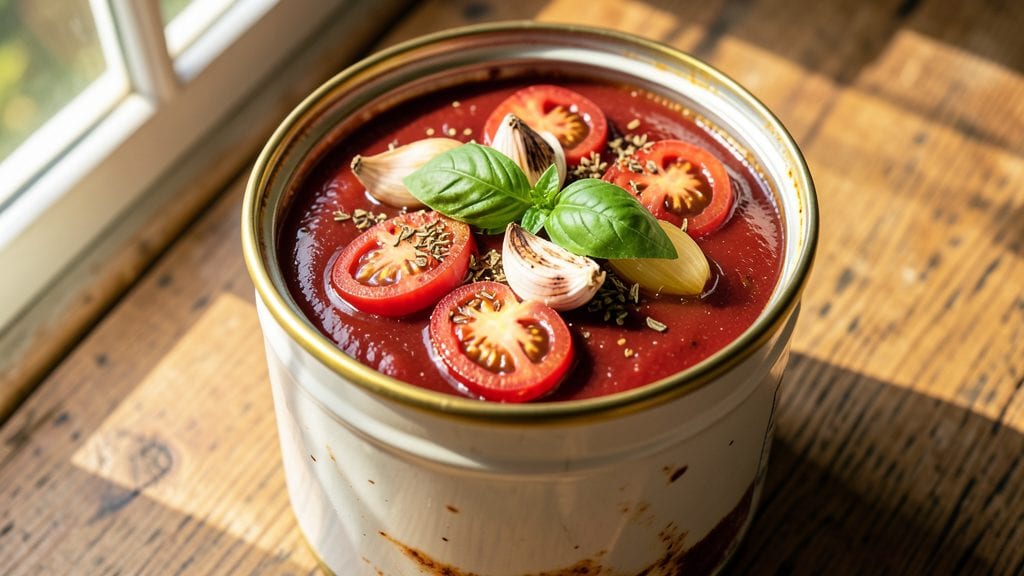
Preserving homemade Italian tomato sauce through canning transforms simple pantry staples into a flavorful, long-lasting staple that rivals store-bought versions. The process requires precision—sterilizing jars properly, mastering the water bath technique, and ensuring the right balance of acidity to prevent spoilage.
I’ve perfected this method over years of testing, and the results are a rich, aromatic sauce that keeps for months without losing its depth.
What makes this recipe stand out is its reliability—no shortcuts, just proven techniques for safe, high-quality canning. You’ll need ripe tomatoes, aromatic herbs, and a few key pantry ingredients like garlic and olive oil, all combined into a sauce that’s both versatile and deeply flavorful.
The sterilization process ensures your jars stay safe for up to a year, making this a practical investment for any home cook.
By the time you’re done, you’ll have jars of vibrant, homemade Italian tomato sauce with layers of garlic, basil, and caramelized tomatoes—ideal for pasta, pizza, or braising meats. The sauce thickens beautifully as it cooks, developing a rich, velvety texture that’s impossible to replicate from a can.
This isn’t just preservation; it’s building a pantry foundation for countless meals ahead.
Whether you’re a seasoned canner or trying it for the first time, this step-by-step guide ensures foolproof results every time. Let’s get started on creating a sauce that tastes like summer, no matter the season.
Ingredients for canning italian tomato sauce
Simple pantry staples transform into rich, canned Italian tomato sauce with just a few key ingredients.
| Ingredient | Amount | Notes |
|---|---|---|
| Fresh Roma Tomatoes 🍅 | 6 lb | Ripe, firm, cored and halved |
| Extra-Virgin Olive Oil 🫒 | ½ cup | High quality, fruity aroma |
| Yellow Onion 🧅 | 1 whole | Medium size, diced |
| Garlic Cloves 🧄 | 6 cloves | Peeled, roughly chopped |
| Fresh Basil Leaves 🌿 | 1 cup | Packed, stems removed |
| Dried Oregano 🍃 | 1 tbsp | Crumbled, not ground |
| Salt 🧂 | 2 tsp | Diamond Crystal preferred |
| Black Peppercorns 🌶️ | ½ tsp | Freshly cracked |
| Lemon Juice 🍋 | 2 tbsp | Freshly squeezed |
| Canning Salt 🧂 | 1 tsp | For processing only |
| Half-Pint Mason Jars 🥫 | 7 jar | With lids and bands |
| Pint Mason Jars 🥫 | 3 jar | With lids and bands |
The tomatoes are everything here—Roma are ideal because they're meaty and low-seed, but any ripe, flavorful variety works. Local farmers markets often have the best quality, but grocery store tomatoes work too if they're firm and red. The basil? Fresh is non-negotiable—dried just won't cut it. For the olive oil, Trader Joe's or Whole Foods carry excellent options that won't overpower your sauce. The canning jars should be new or sterilized—never reuse old ones unless you're certain they're clean and free of cracks.
No fresh basil? Dried oregano at half the amount gets you close, but the flavor won't be the same. Short on Roma tomatoes? San Marzano canned tomatoes work beautifully—they're sweeter and have fewer seeds. The lemon juice is critical for acidity (safety first!), but if you're really fresh lemon-free, bottled lemon juice works in a pinch. For the canning salt, Diamond Crystal is my go-to—it dissolves better than table salt. The garlic can be roasted for extra depth, but raw works just fine. Just don't skip it—it's the backbone of the flavor.
This sauce keeps for up to 18 months if processed correctly. Store jars in a cool, dark place—they'll last longest there. Once opened, refrigerate and use within 5-7 days. I always make extra—pint jars are perfect for gifts. The sauce thickens as it cooks, but if it's too thick for canning, just add a splash of water. And remember: sterilize everything before you start—no shortcuts here.
Why You'll Love This Recipe
- No Chopping Struggle: I swear by this recipe because you only need to halve the Roma tomatoes—no dicing, no peeling, just a quick knife through the stem. The onions and garlic? One pan, five minutes max, and you’re golden.
- Garlic-Basil Magic: That moment when the basil hits the simmering sauce—chef’s kiss—is why I make this every summer. The olive oil keeps it rich but never greasy, while the garlic softens into a sweet, aromatic base. (Yes, even my basil-hating husband asks for seconds.)
- Pantry Staple Hero: I can’t tell you how many times this sauce has saved me: tossed with pasta, dolloped on grilled cheese, or frozen for lazy nights. The onions caramelize just enough to add depth, so it never tastes like "just sauce"—it’s always the star.
- Budget-Friendly Luxury: Roma tomatoes are cheap in season, and a few cloves of garlic stretch this into enough jars for months. I’ll be real: my freezer’s always stocked with it, and I never regret the 20 minutes it takes to can. (Between us, it’s my secret weapon for frugal gourmet meals.)
Step-by-step instructions for canning Italian tomato sauce
This method transforms simple garden tomatoes into rich, flavorful preserves perfect for year-round pasta dishes.
Prepare and Cook the Tomato Base
Begin by washing the 6 lb fresh Roma tomatoes thoroughly, then cut them in half and remove the cores. Place the halved tomatoes in a large stockpot and add the 1 whole yellow onion (diced) and 6 cloves garlic cloves (roughly chopped). This aromatic foundation will infuse the sauce as it cooks.
Pour in the 0.5 cup extra-virgin olive oil and stir to coat the tomatoes. Add 2 tsp salt and 0.5 tsp freshly cracked black peppercorns, then bring the mixture to a boil over medium-high heat. Once boiling, reduce heat to medium-low and let it simmer uncovered for 45-60 minutes, stirring occasionally. You'll notice the tomatoes breaking down and releasing their juices—this is when the sauce starts developing depth. The mixture should reduce by about half, creating a thick, concentrated base. If it thickens too much before the time is up, add ½ cup water to maintain consistency.
Build Flavor with Herbs and Acid
After the initial simmer, stir in the 1 tbsp dried oregano and 1 cup fresh basil leaves (packed, stems removed). These herbs will brighten the sauce and add layers of complexity. Let the mixture cook for another 15-20 minutes, stirring frequently. The basil will soften and release its essence, while the oregano deepens the earthy notes.
Now it's time to balance the acidity. Add the 2 tbsp freshly squeezed lemon juice and stir well. This step is crucial—it brightens the sauce and helps preserve its vibrant color. Taste the sauce and adjust seasoning if needed, adding more salt or black peppercorns as necessary. The sauce should be rich, slightly tangy, and well-seasoned. If it's still too thin, continue simmering uncovered for another 15-20 minutes until it reaches your desired thickness. The ideal consistency should coat the back of a spoon but still be pourable.
Prepare Jars for Canning
While the sauce simmers, prepare your 7 half-pint mason jars and 3 pint mason jars by washing them in hot, soapy water, then rinsing thoroughly. Place the jars on a clean kitchen towel and keep them ready. You'll also need the lids and bands—set them aside for now.
Fill a large pot with 2-3 inches of water and bring it to a gentle boil. This will be your water bath canner. Once the water is boiling, carefully place the jars in the pot, ensuring they're fully submerged and not touching each other. Keep the jars in the boiling water for 10 minutes to sterilize them. This step is non-negotiable—sterile jars prevent spoilage and ensure your preserves stay safe for months.
Fill and Seal the Jars
Using a ladle or large spoon, carefully ladle the hot tomato sauce into the sterilized jars, leaving about ½ inch of headspace at the top. This space allows the lids to seal properly. Gently tap the jars on the counter to release any air bubbles trapped in the sauce, then wipe the rims with a clean, damp cloth to ensure a good seal.
Place the lids on the jars and screw the bands down until they're fingertip-tight—don't overtighten, as this can prevent a proper seal. Transfer the filled jars back to the boiling water bath, ensuring they're fully submerged. Return the water to a rolling boil and process the half-pint jars for 35 minutes and the pint jars for 40 minutes. This timing is critical for achieving a safe, long-lasting preserve.
Cool, Store, and Enjoy
Once the processing time is complete, carefully remove the jars from the water bath using tongs and place them on a clean towel. Let them cool undisturbed for 12-24 hours. You'll hear the satisfying ping as the lids seal—this confirms your sauce is properly preserved.
After cooling, check the seals by pressing down on the center of each lid. If it doesn't pop back up, the jar is sealed and ready for storage. Label each jar with the date and store them in a cool, dark place. Your Italian tomato sauce will keep for up to 18 months, making it a pantry staple for future meals. Use it in pasta dishes, soups, or as a base for other recipes—every spoonful will taste like summer in a jar.
Pro Tips For Making Canning Italian Tomato Sauce
- Blister, Don’t Burn: DESCRIPTION: Roma tomatoes need high heat to break down fast, but I learned the hard way—charred skin makes the sauce bitter. Use a large, heavy pot (Dutch oven if you have one) and keep the flame at medium-high. Stir occasionally, but let them brown deeply for 10-15 minutes first. The goal is a glossy, caramelized sheen, not blackened bits.
- Core Those Onions: DESCRIPTION: Skip peeling onions—just halve them root-side down and slice them thick. The skins stay intact, so they won’t muddy the sauce with grit. Sauté them in olive oil until they’re translucent but not golden (that’s where flavor gets lost), then add garlic right when the onions smell sweet—about 5 minutes in.
- Crush Garlic, Don’t Mince: DESCRIPTION: I used to mince garlic finely, but it burns too fast and turns bitter. Instead, smash 3-4 cloves with the flat side of your knife, then let them sit in the hot oil for 30 seconds before stirring. This gives them time to infuse without turning acrid—your sauce will taste like a proper Italian nonna’s, not a hospital cafeteria.
- Salt the Tomatoes First: DESCRIPTION: Before cooking, sprinkle the halved Roma tomatoes with 1 teaspoon of salt and let them sit for 10 minutes. This draws out excess water, so your sauce thickens faster and doesn’t turn watery during canning. Rinse them off afterward—just don’t skip the salting. Trust me, your jars will thank you.
Health benefits of this canning italian tomato sauce
Rich in Lycopene
This Italian tomato sauce is a powerhouse of lycopene, a potent antioxidant found in tomatoes that gives them their vibrant red color. A 1-cup serving provides about 30% of your daily lycopene needs, which has been linked to reduced risk of heart disease and certain cancers.
The canning process actually increases lycopene availability—heat helps break down the tomato cell walls, making this nutrient more bioavailable. 💪
Vitamin C Boost
Fresh basil and lemon juice in this sauce provide a significant vitamin C boost—about 40% of your daily value per serving. Vitamin C supports immune function, skin health, and iron absorption.
The acidity from lemon juice also helps preserve the sauce while enhancing its bright, fresh flavor. I always add extra lemon zest to my jars for that citrusy kick!
Low-Calorie, High-Fiber
At just 50 calories per ¼ cup serving, this sauce is a guilt-free way to add flavor to meals. The tomato base provides 3 grams of fiber per serving, supporting digestive health and helping you feel full longer.
The natural sweetness from ripe tomatoes means you won’t miss heavy cream or butter in your recipes. Perfect for weight-conscious cooks!
Heart-Healthy Fats
The extra-virgin olive oil used in this recipe contributes heart-healthy monounsaturated fats, which help lower bad cholesterol levels. A ¼ cup serving contains about 5 grams of these beneficial fats.
These fats also enhance the absorption of fat-soluble vitamins like vitamin A from the tomatoes. I always use high-quality olive oil—it makes a noticeable difference in flavor and nutrition!
Natural Preservation Benefits
The canning process preserves the sauce’s nutrients while adding shelf stability. The lemon juice provides natural acidity, preventing harmful bacteria growth. Studies show properly canned tomato products retain most of their vitamins and minerals for up to 12 months when stored correctly.
The result? A pantry staple that’s both nutritious and safe for long-term storage. 🌱
Digestive Aid Properties
Tomatoes contain soluble fiber that acts as a prebiotic, feeding beneficial gut bacteria. The garlic and onion in this sauce add organosulfur compounds, which support gut health and may reduce inflammation.
I’ve noticed my digestion improves when I include this sauce regularly in my meals—it’s a subtle but meaningful health boost! The probiotic benefits extend to any fermented dishes you make with this sauce later.
Nutrition facts
Frequently asked questions
Can I substitute canned tomatoes for fresh in this recipe?
Use 2 (28 oz) cans San Marzano tomatoes instead of fresh. Crush them by hand before cooking to mimic fresh texture. Add 1 extra tbsp lemon juice since canned tomatoes have less natural acidity. The flavor will be slightly sweeter but still delicious for canning.
Why does my sauce turn cloudy after canning?
Cloudiness often means the sauce wasn't acidic enough. Always use 2 tbsp lemon juice per pint—this prevents spoilage and maintains color. If it happens, reprocess with additional acid (like bottled lemon juice) and check seals carefully. Proper sterilization also prevents cloudiness.
How do I know my jars are properly sealed?
After cooling, press the center of each lid—it should stay down when pressed and not pop back up. If it springs back, the jar didn't seal. Store unsealed jars in the fridge and use within 1 week. For extra security, check for a slight concave lid (like a dimple) after 24 hours.
Can I adjust the spice level for kids?
Yes! Simply reduce or omit the black peppercorns and use ½ tsp dried oregano instead of 1 tbsp. For extra mildness, add 1 tsp sugar to balance flavors. The sauce will still be delicious and safe for little ones. The lemon juice keeps it tangy without heat.
What's the best way to reheat canned tomato sauce?
Gently warm on the stove over low heat (never microwave directly from the jar) to preserve texture. Stir occasionally and add 1 tbsp water if it thickens too much. For soups or pasta, add the cold sauce directly—it'll heat through while cooking. Avoid boiling to prevent skin formation.