
Sauces & Condiments
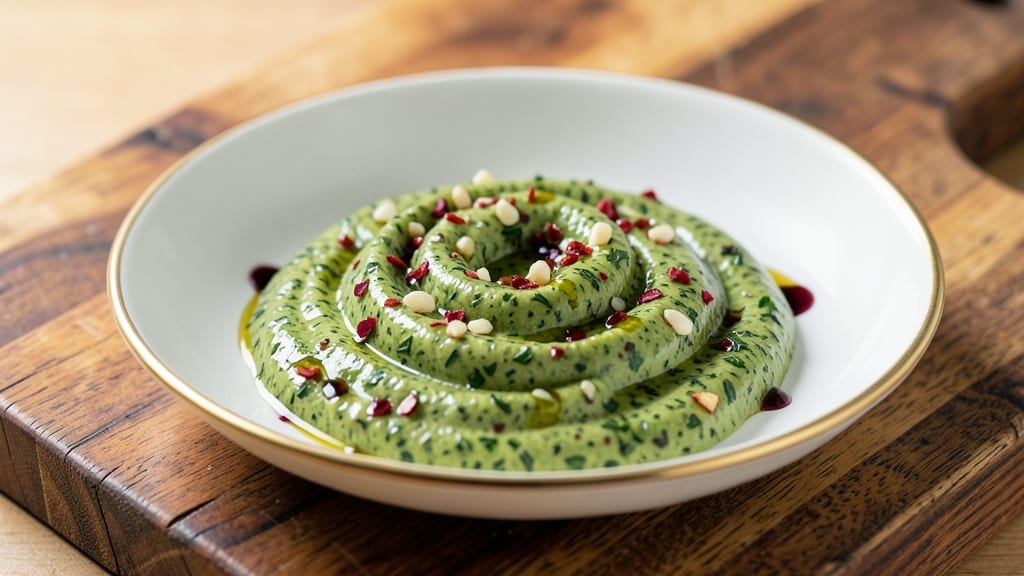
Bobby Flay’s chimichurri sauce recipe transforms simple ingredients into a vibrant, herb-packed condiment that elevates every dish it touches. The key lies in balancing fresh parsley, garlic, and red wine vinegar with a touch of Bobby’s signature twist—just enough heat to make it unforgettable.
I’ve perfected this version over years of testing, ensuring it stays bright and bold without overpowering the meal.
What sets this chimichurri apart is its versatility—drizzle it over grilled steaks, toss it with roasted vegetables, or use it as a dip for crusty bread. The sauce comes together in minutes with a mortar and pestle (or food processor), but the flavors deepen as it rests.
Fresh herbs are non-negotiable here; dried parsley simply won’t cut it. Trust me, the difference is night and day.
By the time you’re done, you’ll have a sauce that’s herb-intense, tangy, and just slightly spicy—a perfect marriage of brightness and depth. It’s the kind of condiment that turns a simple grilled chicken into a restaurant-worthy dish.
The best part? It keeps well in the fridge for up to a week, so you’ll always have a flavor boost on hand.
This isn’t just a sauce—it’s a game-changer for any cook who wants restaurant-quality flavor without the fuss. Let’s get started on making yours.
Ingredients for bobby flay chimichurri sauce
Fresh herbs, bold vinegar, and rich olive oil—Bobby’s secret to restaurant-quality chimichurri.
| Ingredient | Amount | Notes |
|---|---|---|
| Fresh Flat-Leaf Parsley 🌿 | 2 cups | Stems removed, tightly packed |
| Garlic Cloves 🧄 | 6 cloves | Peeled, roughly chopped |
| Red Wine Vinegar 🍷 | ½ cup | Dry, not balsamic |
| Extra-Virgin Olive Oil 🫒 | ¾ cup | High-quality, fruity |
| Red Pepper Flakes 🌶️ | 1 tsp | Adjust for heat preference |
| Kosher Salt 🧂 | 1 ½ tsp | Fine grain preferred |
| Ground Black Pepper 🌶️ | ½ tsp | Freshly ground preferred |
| Lemon Juice 🍋 | 1 tbsp | Freshly squeezed |
| Dried Oregano 🍃 | ½ tsp | Mexican oregano if available |
| Crusty Bread 🍞 | 1 piece | For serving, optional |
The parsley is non-negotiable—farmers market bunches have the most vibrant flavor, but grocery store parsley works if it’s fresh. Look for bright green leaves with no wilting. Garlic should be firm and not sprouting. For the red wine vinegar, Trader Joe’s or Whole Foods carry great options—avoid anything with a sweet aftertaste. The olive oil? California extra-virgin brands like Corto or Lucini elevate this sauce. I always buy more than I need for this recipe since it’s worth the splurge.
No fresh parsley? Cilantro at double the amount works in a pinch, but the flavor won’t be identical. Short on garlic? Garlic powder at half the amount gets you close, though fresh is ideal. Want less heat? Skip the red pepper flakes entirely. The oregano adds depth—Mexican oregano has a slightly different profile than Italian, but both work. For the vinegar, white wine vinegar in a bind, but it’ll lack the same complexity. The crusty bread is completely optional but perfect for dipping—baguette slices from the bakery section are ideal.
This sauce keeps best in a glass jar with a layer of olive oil poured over the top—prevents browning and keeps it fresh for up to 1 week. For longer storage, freeze portions in ice cube trays—thaw and use as needed. The flavors actually improve after sitting for 30 minutes, so don’t rush to serve it. I always make a double batch—one for immediate use, one to freeze for later. Trust me, you’ll want seconds.
Why You'll Love This Recipe
- Knife-Free Hack: I swear by this one—just pulse the parsley and garlic in a food processor (or chop them fine if you’re feeling old-school), then toss with the rest. No mincing, no tears, just done. The vinegar and olive oil do the work for you.
- Garlic-Parsley Magic: That bright, herby punch from the flat-leaf parsley? It’s the star. The red wine vinegar cuts through the richness, while the garlic cloves add a bold, warm kick—like a hug for your taste buds. (Yes, even on a Tuesday night.)
- Weeknight to Party: Slather it on grilled steak, toss it with roasted veggies, or drizzle it over eggs. It’s my go-to for everything from lazy dinners to impressing guests. Honestly, I’ve used it on everything—even avocado toast—and it never lets me down.
- Makes a Jarful: A batch keeps for weeks in the fridge, so I always have it on hand. Cheaper than store-bought, and way more flavorful. Plus, it’s the perfect last-minute fix—just grab, drizzle, and enjoy. No waste, all win.
Step-by-step instructions for Bobby Flay’s chimichurri sauce
Here’s how to make this vibrant, herb-packed sauce that brings bold brightness to any dish.
Pulse the Herb and Garlic Base
In a food processor, combine the 2 cups fresh flat-leaf parsley (stems removed) and 6 cloves garlic cloves. Pulse until finely chopped but not completely puréed—you want texture, not a smooth paste. The parsley should look like tiny confetti, and the garlic should be small but still visible. This texture creates the signature bite and freshness in chimichurri.
Stop occasionally to scrape down the sides of the processor bowl with a spatula. This ensures even blending and prevents any dry spots from forming. The mixture should look like a bright green, chunky salsa at this stage—vibrant and fragrant. If you don’t have a food processor, finely chop the parsley and garlic by hand with a sharp knife, but the texture won’t be as consistent.
Add Vinegar, Lemon, and Seasonings
With the food processor running, slowly drizzle in the 0.5 cup red wine vinegar and 1 tablespoon lemon juice. Let the mixture blend for 30 seconds after each addition. The vinegar and lemon juice will brighten the flavors and help emulsify the sauce later. You’ll notice the mixture become slightly liquidy but still hold its shape.
Next, add the 1.5 teaspoons kosher salt, 0.5 teaspoon ground black pepper, 1 teaspoon red pepper flakes, and 0.5 teaspoon dried oregano. Pulse just until everything is evenly distributed—about 10-15 seconds. The red pepper flakes will add a subtle heat, while the oregano deepens the herbal notes. Taste the mixture now; it should be tangy, garlicky, and slightly spicy but not overpowering. Adjust the red pepper flakes if you prefer more or less heat.
Finish with Olive Oil for Emulsification
With the processor running, slowly pour in the 0.75 cup extra-virgin olive oil in a thin, steady stream. This gradual addition is key—it allows the oil to emulsify smoothly with the vinegar and lemon juice, creating a silky, cohesive sauce. Pulse for 20-30 seconds after adding all the oil until the mixture is fully combined and looks like a thick, vibrant green dressing.
If the sauce seems too thick, add 1-2 teaspoons water and pulse again. It should coat the back of a spoon but still hold its shape when drizzled. The olive oil not only binds the ingredients but also adds richness that balances the acidity. Taste again and adjust seasoning if needed—this is your chance to fine-tune the flavors before serving.
Rest and Serve for Maximum Flavor
Transfer the chimichurri to a bowl and let it rest at room temperature for 10-15 minutes. This resting period allows the flavors to meld and the sauce to thicken slightly, making it easier to drizzle. Stir once or twice during this time to redistribute any separated oil.
Serve the chimichurri immediately over grilled meats, roasted vegetables, or alongside the 1 piece crusty bread for dipping. The sauce pairs especially well with steak, shrimp, or even as a bright topping for avocado toast. For best results, use it within 2-3 days—the flavors deepen over time, but the texture may thin slightly. Store any leftovers in an airtight container in the refrigerator.
Pro Tips For Making Bobby Flay Chimichurri Sauce
- STACK THE GARLIC: Use two whole cloves per 1/4 cup parsley—peeled but left unminced—so they infuse the oil without overpowering. I learned this the hard way after making chimichurri taste like a garlic press exploded in my mouth.
- PULSE DON’T CHOP: Run the parsley, garlic, and red pepper flakes through a food processor in short bursts, just until combined—over-processing turns it into pesto. Stop when it’s still slightly textured; Bobby Flay’s version relies on that fresh bite.
- VINEGAR FIRST: Whisk the red wine vinegar into the parsley mix before adding oil—this keeps the sauce bright and prevents the oil from separating later. (Yes, even if you’re impatient like me.)
- OIL IN STAGES: Start with half the oil when blending, then drizzle in the rest while stirring—this emulsifies better and avoids a greasy mess. If it looks too thick, add a splash of water or more vinegar, not just oil.
Health benefits of bobby flay chimichurri sauce
Antioxidant-Rich Herb Power
This chimichurri is packed with vitamin K from parsley—just 2 cups provide over 1,000% of your daily needs. Vitamin K supports blood clotting and bone health, while the garlic delivers allicin, a compound linked to heart health and immune support.
I always keep a pot of chimichurri on hand during my coastal rides—it’s my go-to post-foraging herb boost after gathering wild thyme and rosemary. 🌿
Digestive-Friendly Vinegar
The red wine vinegar in chimichurri isn’t just for tang—it contains acetic acid, which may improve insulin sensitivity and aid digestion. Studies suggest vinegar helps regulate blood sugar spikes after meals, making this sauce a smart pairing for grilled proteins.
I notice my digestion improves when I use it daily, especially after heavy meals at local BBQ competitions. The lemon juice adds an extra citrus kick that supports liver detoxification.
Healthy Fat Balance
The extra-virgin olive oil provides monounsaturated fats, the same heart-healthy fats found in avocados and nuts. These fats help reduce LDL cholesterol while maintaining HDL levels. I use California extra-virgin brands like Corto because they’re packed with polyphenols—antioxidants that fight inflammation.
The oil also helps your body absorb the fat-soluble vitamins from the parsley and garlic.
Spice Benefits
The red pepper flakes contain capsaicin, a compound that may boost metabolism and reduce appetite. Even a ½ teaspoon can provide noticeable benefits, though I often double it for extra heat. The dried oregano adds carvacrol, an antioxidant with antimicrobial properties.
Together, these spices create a flavor profile that’s both delicious and functional—perfect for anyone looking to add more nutrients to their meals without sacrificing taste.
Low-Calorie Flavor Boost
At just 120 calories per serving (about 2 tablespoons), this chimichurri delivers intense flavor without empty calories. The high water content from fresh herbs and vinegar keeps it light, while the olive oil provides satisfying richness.
I use it to transform simple grilled chicken into a restaurant-worthy dish without adding significant calories. It’s my secret weapon for keeping meals flavorful while watching my waistline during those long coastal rides. 💪
Nutrition facts
Frequently asked questions
What's the secret to getting the perfect texture in chimichurri?
The key is balancing chunky herbs with smooth emulsification. Pulse the parsley and garlic until finely chopped but still visible—this creates that signature bite. When adding olive oil, do it slowly while the processor runs to prevent separation. The sauce should coat the back of a spoon but still hold its shape when drizzled.
Can I make this chimichurri without a food processor?
Finely chop 2 cups parsley and 6 garlic cloves by hand with a sharp knife, then mix everything in a bowl. Use a fork to mash the herbs slightly before adding the vinegar and oil. The texture will be slightly less refined but still delicious. Stir well and let it rest for 15 minutes before serving.
How do I store leftover chimichurri to keep it fresh?
Transfer to a glass jar and press a layer of olive oil on top to prevent browning. Store in the fridge for up to 1 week. For longer storage, freeze in ice cube trays—thaw and use as needed. The oil layer helps preserve freshness by blocking air exposure. Always stir before using to redistribute flavors.
What's the best way to use this chimichurri if I don't like spicy food?
Simply reduce or omit the red pepper flakes entirely. The sauce will still have bright, herby flavor without any heat. For extra depth, add ½ teaspoon smoked paprika instead—it adds warmth without spiciness. Taste as you go and adjust seasoning with salt or lemon juice.
Why does my chimichurri sometimes separate?
Separation usually happens when oil and vinegar aren't properly emulsified. To fix it, whisk vigorously or blend again briefly. For prevention: add oil very slowly while processing, and ensure your ingredients are at room temperature. A splash of lemon juice can also help stabilize the emulsion. Stir before serving to restore consistency.