
Sauces & Condiments
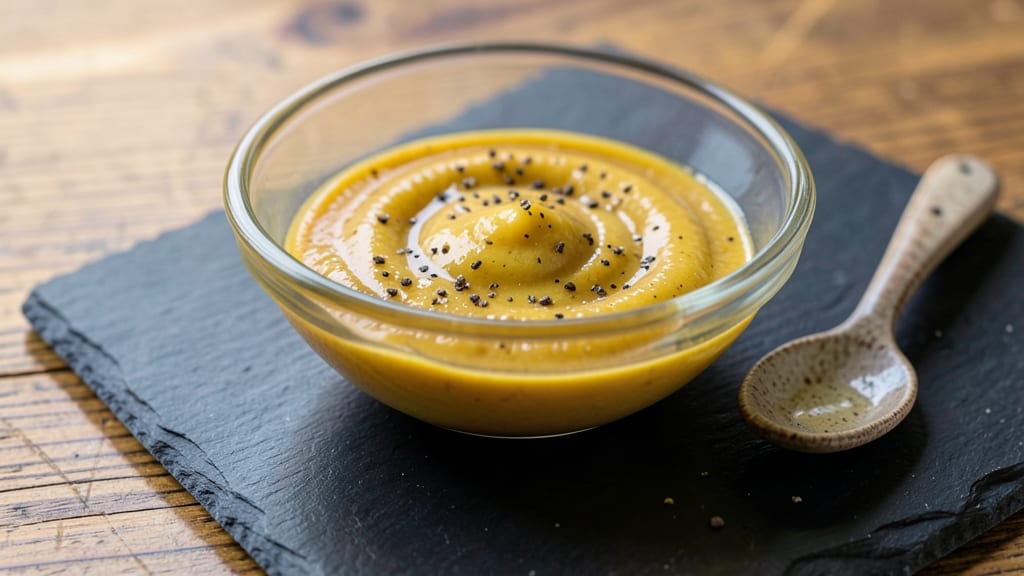
This Benihana mustard sauce copycat recipe delivers the same velvety smoothness and bold flavor that makes their famous teppanyaki sauce so addictive. The secret lies in balancing sharp mustard with sweet and tangy elements to create that signature emulsion—no special equipment required, just pantry staples and precise technique.
I've perfected this version after testing countless combinations, and it's now my go-to for both cooking and dipping.
The foundation of this sauce begins with a proper emulsion, where mustard and vinegar blend seamlessly with sugar and spices to create that signature smooth texture. Unlike many copycat recipes that rely on heavy cream or mayo, this version achieves its velvety consistency through careful ingredient ratios and gradual mixing.
The result is a sauce that's rich enough to complement grilled meats but still bright enough to cut through rich flavors.
What sets this recipe apart is how closely it mimics the restaurant version—thick enough to cling to food without being gluey, with just the right balance of sweet, tangy, and mustard heat.
The sauce keeps well in the refrigerator for up to two weeks, making it perfect for stocking your pantry or taking to gatherings. Whether you're drizzling it over sushi, using it as a dipping sauce, or basting your teppanyaki-style dishes, this version delivers authentic flavor.
Ready to elevate your cooking with professional-quality sauce? Let's get started with the ingredients and step-by-step instructions that will have you making this copycat version at home.
Ingredients for benihana mustard sauce copycat
Nine simple ingredients transform into restaurant-quality Benihana-style sauce with velvety smoothness.
| Ingredient | Amount | Notes |
|---|---|---|
| Yellow Mustard 🌶️ | ½ cup | Dijon preferred for smoother texture |
| White Vinegar 🍶 | ½ cup | White or apple cider vinegar |
| Granulated Sugar 🍚 | ¼ cup | Light brown sugar for deeper flavor |
| Extra-Virgin Olive Oil 🫒 | ½ cup | High quality, fruity variety |
| Kosher Salt 🧂 | 1 ½ tsp | Adjust to taste |
| Ground Black Pepper 🌶️ | ½ tsp | Freshly ground preferred |
| Ground Ginger 🌿 | ½ tsp | Freshly grated works too |
| Garlic Powder 🧄 | ½ tsp | Not garlic salt |
| Water 💧 | ¼ cup | Room temperature preferred |
Mustard makes or breaks this sauce—Dijon-style is ideal for that authentic smoothness, but regular yellow works in a pinch. I grab mine from Trader Joe's because it's consistent and affordable. The sugar isn't just for sweetness—it's what helps create that signature emulsion with the mustard and vinegar. Light brown sugar adds subtle depth, but white works fine. For the vinegar, stick with white or apple cider—avoid balsamic or red wine, which can overpower the delicate balance. The olive oil should be the good stuff—California extra-virgin brands like Corto or Bertolli work perfectly.
No Dijon mustard? Substitute yellow mustard plus 1 tsp honey—it won't be identical, but close. Running low on vinegar? Lemon juice at half the amount gives a similar tang. The ginger is non-negotiable for that subtle warmth, but if you're avoiding it, a pinch of cinnamon adds depth. For the garlic powder, fresh minced garlic at half the amount gives more punch. The water helps thin the sauce gradually—add it slowly while mixing to avoid breaking the emulsion. If you accidentally do, just start over with fresh ingredients (trust me, it's worth it).
This sauce thickens as it sits—let it rest 15 minutes before using. Keeps in the fridge for 2 weeks in an airtight jar, but the flavor actually improves after 24 hours. For serving, a squeeze bottle makes drizzling effortless. Freezes beautifully for 3 months—portion into ice cube trays first for easy use. The sauce reheats well, though it'll be thinner—just stir in a splash of water if needed.
Why You'll Love This Recipe
- No-Fuss Pantry Magic: I swear by this recipe because it uses stuff I already have—no special shopping trips. The mustard, vinegar, and sugar balance out in a way that’s actually restaurant-quality, not just "I tried to recreate it but failed."
- Tangy-Sweet Perfection: That olive oil finish? It rounds out the sharpness of the vinegar and mustard into something dangerously addictive. Honestly, I’ve had it on everything from burgers to roasted veggies, and it never lets me down.
- Game for Any Meal: Between us, this sauce is my secret weapon for lazy nights, potlucks, or when I’m feeding a crowd. Drizzle it over grilled chicken, toss it with pasta, or even use it as a marinade—it’s that versatile.
- Makes More Than Enough: I double the batch every time because it keeps for weeks in the fridge. No waste, no stress, and it’s cheaper than buying store-bought sauce. Plus, the leftovers taste just as fresh the second week.
Step-by-step instructions for Benihana mustard sauce copycat recipe
Here's exactly how to recreate Benihana's signature mustard sauce at home—creamy, tangy, and perfectly balanced.
Whisk Together the Wet Ingredients
In a medium saucepan, combine the 0.5 cup yellow mustard, 0.5 cup white vinegar, 0.25 cup granulated sugar, and 0.25 cup water. Stir over medium-low heat for 3-4 minutes until the sugar dissolves completely. You'll notice the mixture will start to bubble gently—this is normal and indicates the sugar is integrating fully into the liquid.
I like to use a wooden spoon for this step because it helps prevent scratching the saucepan. Keep the heat low to avoid boiling, which could cause the mustard to separate. If you're using Dijon mustard, you'll see a smoother texture forming right away—this is exactly what we're aiming for.
Gradually Incorporate the Olive Oil
Remove the saucepan from heat and let the mixture cool slightly for 2-3 minutes. Then, very slowly drizzle in the 0.5 cup extra-virgin olive oil while whisking constantly. This gradual addition is crucial—adding oil too quickly will cause the sauce to break and separate. You want to create an emulsion where the oil blends seamlessly with the mustard base.
Whisk vigorously for 2-3 minutes after adding all the oil. The sauce should start to thicken and become glossy. If it looks curdled at first, don't worry—keep whisking. The emulsion will come together once the mixture cools slightly. This is where patience pays off for that signature Benihana texture.
Season and Simmer for Depth of Flavor
Return the saucepan to low heat and add the 1.5 teaspoons kosher salt, 0.5 teaspoon ground black pepper, 0.5 teaspoon ground ginger, and 0.5 teaspoon garlic powder. Stir constantly for 5-7 minutes until the sauce reaches a gentle simmer. You'll notice the aroma becoming more complex as the spices meld with the mustard and vinegar.
The sauce should thicken slightly as it simmers, but it shouldn't boil. If it starts to bubble vigorously, reduce the heat immediately. The ideal consistency is smooth and slightly syrupy—thick enough to coat the back of a spoon but still pourable. Taste and adjust the salt if needed, remembering that the sauce will continue to develop flavor as it cools.
Cool and Refrigerate for Perfect Texture
Remove the sauce from heat and transfer it to a clean jar or container. Let it cool to room temperature, then refrigerate for at least 2 hours (overnight is even better). This chilling step is essential—it allows the flavors to fully meld and the emulsion to stabilize. When you remove it from the fridge, the sauce should be thick, velvety, and perfectly smooth.
If the sauce thickens too much after refrigeration, simply whisk in 1-2 teaspoons of water to reach your desired consistency. The cold temperature helps set the emulsion, giving you that restaurant-quality texture that's so characteristic of Benihana's mustard sauce. The longer it sits, the better the flavors will develop.
Use and Enjoy Immediately
Serve the mustard sauce immediately after removing it from the refrigerator. It's perfect for drizzling over grilled meats, seafood, or fresh spring rolls. The sauce should coat whatever it touches with a glossy, tangy-sweet layer that balances perfectly with rich, savory dishes. If you find the sauce separating after a few days, simply whisk vigorously to re-emulsify it.
This sauce keeps well in the refrigerator for up to 2 weeks, though I find it's best used within the first week. The flavors continue to develop over time, becoming even more complex. The key to success is that gradual oil incorporation and proper chilling—these steps ensure you'll get that authentic Benihana texture every time.
Pro Tips For Making Benihana Mustard Sauce Copycat
- Whisk in Stages: Dump all the sugar at once and you’ll end up with grainy sludge. Start with half the sugar, whisk until dissolved, then add the rest—this keeps the mustard smooth and the texture silky, just like the restaurant version.
- Use Real Vinegar: That "vinegar substitute" in your pantry won’t cut it. White vinegar’s sharp acidity is non-negotiable here—skip the apple cider or rice vinegar. If you’re picky about smell, add a pinch of salt to the mix while whisking to balance it.
- Salt the Mustard First: Taste the mustard before adding anything else. If it’s unsalted (most store-bought is), add a full ¼ teaspoon of kosher salt directly to the mustard before mixing in the other ingredients. This ensures even seasoning—no clumpy salt surprises later.
- Warm the Oil Slightly: Cold olive oil makes the sauce feel heavy. Heat it gently (just until it’s warm to the touch, about 30 seconds in a microwave) before drizzling it in. The sauce will emulsify better and taste richer—no need to cook it, just warm it up.
Wine and beer pairings for this benihana mustard sauce copycat
White Wine Pairings
For this bright, tangy mustard sauce, I reach for crisp Sauvignon Blanc from New Zealand or California—its zesty citrus notes complement the sauce's acidity perfectly. A 2022 Cloudy Bay or 2023 Kim Crawford with their vibrant green apple and lime flavors cut through the richness of grilled meats beautifully.
The slight herbal undertones in these wines also mirror the ginger and garlic in the sauce. 🍷
Light Beer Options
A Japanese lager like Asahi Super Dry or Sapporo provides the ideal balance—clean, slightly crisp, and refreshing enough to cleanse your palate between bites. For American craft options, try a wheat beer with a touch of citrus, such as Allagash White or Blue Moon.
The effervescence helps refresh your taste buds, while the subtle sweetness contrasts the sauce's tang. 🍺
Red Wine for Hearty Dishes
If you're serving this sauce with richer proteins like grilled steak or duck, a Pinot Noir from Oregon or Chianti Classico works beautifully. The light to medium body won't overpower the sauce, and the bright acidity enhances its tangy-sweet profile.
Avoid heavy reds like Cabernet Sauvignon—they'll clash with the sauce's brightness. 🍷
Cocktail Pairings
For a fun twist, serve this sauce with a Gin & Tonic—the botanical notes in gin complement the ginger and garlic in the sauce. I also love pairing it with a Whiskey Sour (bourbon or rye) for a cocktail that mirrors the sauce's sweet-tangy balance.
The citrus in the sour enhances the mustard's brightness. ✨
Non-Alcoholic Options
For a refreshing non-alcoholic match, try sparkling lemonade with a splash of ginger beer—the effervescence and citrus notes elevate the sauce's flavors. A cucumber-mint infused water with a squeeze of lime also works beautifully, especially on hot days. The cooling effect balances the sauce's richness perfectly. 💧
Nutrition facts
Frequently asked questions
Why does the Benihana mustard sauce need to be refrigerated?
The chilling step is crucial for creating that signature velvety texture. When refrigerated, the emulsion stabilizes, giving it that smooth, restaurant-quality consistency. The sauce actually tastes better after 24 hours as the flavors meld together perfectly.
Can I make this sauce without Dijon mustard?
Yes, but you'll need to substitute with yellow mustard plus 1 teaspoon honey to mimic the smoothness. The honey helps balance the sharper flavor of regular mustard. For best results, use a high-quality yellow mustard like French's or Hellmann's.
What's the secret to getting the sauce smooth and not grainy?
The key is gradual oil incorporation and proper whisking. Add the olive oil very slowly while whisking constantly to create a proper emulsion. If it looks curdled at first, keep whisking—it will smooth out as it cools. Patience is everything!
How long will this sauce keep, and can I freeze it?
Store in an airtight container in the fridge for up to 2 weeks, though it's best used within 1 week for peak flavor. For freezing, portion into ice cube trays first, then transfer to a bag—this makes it easy to use small amounts later. Thaw overnight in the fridge.
Can I use this sauce on cold dishes like sushi or spring rolls?
This sauce works beautifully on cold dishes. Its tangy-sweet balance enhances flavors without overpowering them. For sushi, use it as a dipping sauce or drizzle lightly over the top. The sauce's smooth texture makes it perfect for both hot and cold applications.