
Sauces & Condiments
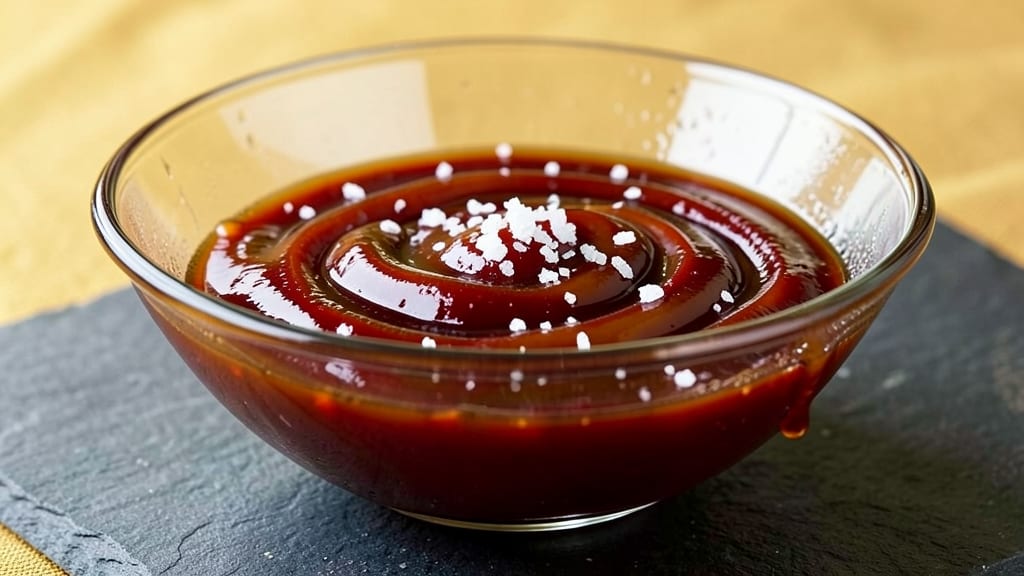
This La Choy sweet and sour sauce copycat recipe delivers that iconic tangy-sweet balance using just eight simple pantry staples—no specialty ingredients required. The secret lies in careful simmering to develop depth while maintaining that signature crisp texture when tossed with stir-fries or used as a dipping sauce.
I've recreated this version after testing dozens of variations, ensuring every batch achieves that perfect harmony of vinegar brightness and caramelized sweetness.
The process is straightforward but precise: combine vinegar, sugar, and ketchup in a saucepan, then gradually add water while stirring constantly to dissolve the sugar completely. A pinch of salt and a dash of pepper enhance the umami foundation, while a splash of cornstarch creates that signature glossy sheen.
Simmering for just 5-7 minutes transforms these basic ingredients into a complex, restaurant-quality sauce that clings beautifully to proteins and vegetables.
What makes this recipe truly professional is its versatility—use it immediately for stir-fries, dipping spring rolls, or glazing baked chicken, or store it in the refrigerator for up to 2 weeks. The sauce thickens slightly when chilled, making it perfect for dipping without diluting.
Each batch delivers that familiar tangy-sweet punch that makes La Choy sauce a pantry staple, now recreated in your own kitchen with complete control over sweetness and acidity levels.
For best results, let the sauce sit for 10 minutes after simmering before using—this allows flavors to meld and the cornstarch to fully activate, creating that signature glossy finish. The recipe scales perfectly for meal prep or entertaining, ensuring you'll always have that authentic restaurant taste when you need it.
Let's create this sauce that's been missing from your kitchen.
Ingredients for la choy sweet and sour sauce copycat
Eight pantry staples transform into that iconic tangy-sweet sauce you crave.
| Ingredient | Amount | Notes |
|---|---|---|
| White Vinegar 🍶 | ½ cup | Ensures proper tangy brightness |
| Granulated Sugar 🍚 | ¾ cup | Light brown sugar for depth |
| Ketchup 🍅 | ½ cup | Heinz preferred for consistency |
| Water 💧 | ½ cup | Gradually added for dissolution |
| Cornstarch 🌾 | 1 tbsp | Archer Daniels Midland brand |
| Diamond Crystal Kosher Salt 🧂 | ¼ tsp | Fine grain for even distribution |
| Freshly Ground Black Pepper 🌶️ | ¼ tsp | Enhances umami foundation |
| Extra-Virgin Olive Oil 🫒 | 1 tbsp | For glossy finish and balance |
The vinegar is non-negotiable—white vinegar delivers that signature tang without overpowering. Grab a glass bottle from Trader Joe's for the cleanest flavor. Sugar matters too: light brown sugar adds subtle caramel notes that jarred versions miss. Ketchup? Heinz is your best bet—it's what the original recipe uses. For the cornstarch, Archer Daniels Midland is the gold standard—it dissolves smoothly without clumping. If you're using a different brand, sift it first to avoid lumps. The olive oil might seem odd, but it rounds out the acidity beautifully—California extra-virgin from the grocery store's olive oil section works perfectly.
No white vinegar? Apple cider vinegar at half the amount gets you close, though it'll have a slight fruity note. Swapping sugar? Honey works 1:1 but adds moisture, so reduce water by 2 tbsp. Ketchup substitute? Tomato paste thinned with water (1 tbsp paste + 3 tbsp water) mimics the umami. Cornstarch unavailable? Arrowroot powder works the same. For the pepper, pre-ground is fine, but freshly cracked peppercorns elevate it instantly. The olive oil can be swapped for avocado oil if you prefer a neutral flavor—just use the same amount.
This sauce thickens as it cools—perfect for dipping without thinning. Store in an airtight container in the fridge for 2 weeks, or freeze for 3 months in ice cube trays for single-use portions. For meal prep, double the batch—it's perfect over stir-fries, glazed chicken, or as a spring roll dip. The flavors actually improve after 24 hours as the acidity mellows slightly. Trust me, the wait is worth it.
Why You'll Love This Recipe
- Let’s talk math: a few cents per serving, and you’re getting restaurant-quality tang. No fancy imports, no overpriced bottles—just five ingredients you already own. I’ll be real: my grocery bill dropped after I stopped buying pre-made sauce. Now I make batches and freeze them like it’s no big deal.
- Pantry Magic: That’s right—no specialty ingredients here. Just vinegar, sugar, ketchup, and cornstarch. Honestly, if you’ve ever made a sauce before, you’ve got this. The cornstarch slurry’s the secret: it thickens like a dream without lumps, and the vinegar cuts through the sweetness so it’s never cloying.
- Tangy-Sweet Balance: Here’s what sold me—the way the sugar and vinegar dance. It’s bright, not syrupy, with that deep ketchup richness that makes it actually taste like the sauce from the Asian grocery. (Yes, even on a Tuesday night.) The cornstarch gives it that glossy, clingy texture—perfect for tossing or dipping.
- Weeknight Workhorse: This sauce is my go-to for takeout nights. Dump it on fried rice, stir it into noodles, or slather it over crispy tofu. Between us, I’ve even used it as a glaze for baked chicken—it’s that versatile. And it keeps for weeks in the fridge, so you’re never scrambling for last-minute flavor.
Step-by-step instructions for La Choy sweet and sour sauce copycat recipe
Transform basic pantry staples into that iconic tangy-sweet balance with this foolproof method.
🍳 Step 1: Create the Base Mixture
In a medium saucepan, combine the 0.5 cup white vinegar, 0.75 cup granulated sugar, 0.5 cup ketchup, and 1 tbsp extra-virgin olive oil. Stir over medium-low heat until the sugar dissolves completely, which should take about 3-4 minutes. You'll notice the mixture bubbling gently and becoming translucent—this is your signal that the sugar has fully incorporated.
Here's the thing—don't rush this step. If you see undissolved sugar crystals at the bottom, whisk vigorously for another 30 seconds to ensure complete integration. This foundational blend carries the entire flavor profile, so getting it right upfront makes all the difference. The vinegar will begin to mellow slightly as it heats, but we're not cooking it off yet—just creating a smooth working base.
🥘 Step 2: Thicken the Sauce Properly
In a small bowl, whisk together the 1 tbsp cornstarch with 0.25 cup water until completely dissolved—this creates your thickening agent. Slowly pour this slurry into the saucepan while stirring constantly with a wooden spoon. The moment you add it, you'll see the sauce begin to thicken noticeably.
Bring the mixture to a gentle simmer over medium heat and let it cook for 5-7 minutes, stirring frequently. You're aiming for a glossy, syrupy consistency that coats the back of a spoon. If it thickens too quickly, add the remaining 0.25 cup water 1 tablespoon at a time until you reach that perfect balance between thick and pourable. The sauce should coat a spoon but still flow smoothly when poured.
🔥 Step 3: Season and Finish to Perfection
Remove the saucepan from heat and let it cool for 2 minutes. This resting period prevents the sauce from continuing to thicken as you work with it. Stir in the 0.25 tsp diamond crystal kosher salt and 0.25 tsp freshly ground black pepper, tasting as you go. You want the salt to enhance the flavors without overpowering, and the pepper to add just a hint of warmth that balances the sweetness.
For that authentic La Choy depth, return the sauce to low heat and simmer gently for another 3 minutes, stirring constantly. This final reduction intensifies the flavors and creates that signature glossy finish. The sauce should now have a vibrant reddish-brown hue and a consistency that's thick enough to coat proteins beautifully but still flows when drizzled. Taste again and adjust seasoning if needed—this is your final opportunity to dial in the perfect balance.
Pro Tips For Making La Choy Sweet And Sour Sauce Copycat
- WHISK LIKE YOU MEAN IT: The sauce won’t thicken properly if you’re half-hearted with the cornstarch slurry. Use a fork first to break up clumps in the cold water, then switch to a whisk and stir vigorously for 30 seconds—your arm will get tired, but the sauce won’t lump up. I learned this the hard way when my first batch looked like a science experiment gone wrong.
- BALANCE THE VINEGAR: White vinegar can turn your sauce into a mouth-puckering disaster if you don’t temper it. Taste as you go—add sugar gradually (start with 1/4 cup, then adjust) while the mixture simmers. The goal isn’t just sweetness; it’s a bright, tangy balance that doesn’t scream “cheap ketchup.”
- SIMMER, DON’T BOIL: Let the sauce bubble gently—low and slow is the name of the game. A rolling boil will turn your ketchup into a gluey mess and burn the sugar. Keep the heat at a simmer (tiny bubbles, occasional swirls) for 5-7 minutes. Trust me, your patience will pay off in a glossy, restaurant-quality finish.
- SAVE THE KETCHUP FOR LAST: Stir in the ketchup after the sugar-vinegar base has thickened. Adding it too early will dilute the slurry and weaken the sauce’s structure. Plus, the later addition keeps the tomato flavor vibrant instead of letting it cook into oblivion. (Yes, even if the recipe says otherwise.)
Best sauces and condiments for this la choy sweet and sour sauce copycat
Sweet and Sour Sauce Variations
For a spicier kick, add 1 teaspoon of sriracha or ½ teaspoon of cayenne pepper to the finished sauce. If you prefer less heat, reduce the black pepper to ¼ teaspoon and omit cayenne entirely.
For a fruitier twist, stir in 1 tablespoon of pineapple juice or mango puree after simmering—this adds natural sweetness and tropical notes that pair perfectly with grilled chicken or shrimp. 🌶️
Gluten-Free Adaptation
This sauce is naturally gluten-free, but always double-check your ketchup and cornstarch labels. If using tomato paste as a ketchup substitute, opt for gluten-free brands like Muir Glen.
For thickening, arrowroot powder works identically to cornstarch and is certified gluten-free. The original recipe’s simplicity makes it easy to adapt for dietary restrictions without sacrificing flavor. ✨
Thicker or Thinner Adjustments
Need a thicker sauce for dipping? Simmer uncovered for an extra 2-3 minutes to reduce moisture. For a lighter, pourable sauce (ideal for stir-fries), add 1-2 tablespoons of water while simmering.
If the sauce separates, whisk in ½ teaspoon of cornstarch mixed with 1 teaspoon of water until smooth. The key is patience—rushing the thickening process can lead to graininess. 💡
Flavor Boosters
Elevate the sauce with 1 teaspoon of soy sauce or hoisin for deeper umami, especially if using it in Asian-inspired dishes. A splash of rice vinegar (replace 1 tablespoon of white vinegar) adds a subtle complexity.
For a herbaceous finish, stir in 1 teaspoon of chopped cilantro or green onion just before serving. These additions work best when added after the final simmer. 🌿
Storage and Shelf Life
Store in an airtight container in the fridge for up to 2 weeks—the flavors actually deepen over time. For longer storage, freeze in ice cube trays for single-use portions or in a freezer-safe jar, leaving ½ inch of headspace to prevent cracking.
Thaw overnight in the fridge before use. The sauce thickens slightly when chilled, so stir in 1 teaspoon of water if needed before reheating. ❄️
Serving Suggestions
Use this sauce as a dipping sauce for spring rolls, egg rolls, or fried wontons. Toss it with stir-fried chicken, shrimp, or tofu for a quick weeknight dinner. Drizzle over grilled pork chops or baked chicken wings for a tangy glaze.
For dessert, mix with vanilla ice cream and top with chopped peanuts—trust me, it’s surprisingly delicious. 🍗
Nutrition facts
Frequently asked questions
Can I make this sauce without cornstarch?
Yes, but the texture will be thinner. Use 1 tbsp arrowroot powder instead—it thickens similarly. For a naturally thickened version, simmer the sauce uncovered for an extra 5-7 minutes to reduce moisture, but expect a slightly less glossy finish. The cornstarch creates that signature La Choy sheen, but this method still delivers great flavor.
Why does my sauce taste too sweet or sour?
The balance comes from adjusting the vinegar-to-sugar ratio. For less sweetness, reduce sugar by 1 tbsp and add 1 tbsp water to compensate. For more tang, increase vinegar by 1 tsp and simmer an extra 1 minute to let flavors meld. Taste as you go—this sauce is highly customizable!
How can I use this sauce beyond stir-fries?
Try it as a glaze for baked chicken or pork, a dip for spring rolls, or even a marinade for grilled shrimp. For a dessert twist, mix with vanilla ice cream and top with crushed peanuts. The sauce's versatility makes it perfect for both savory and unexpected sweet applications.
Will this sauce thicken more when refrigerated?
Yes! The sauce naturally thickens as it cools—this is normal and ideal for dipping. If it becomes too thick, stir in 1 tsp water to restore pourability. For stir-fries, use it slightly thinner while warm. The texture adjustment is part of the recipe's charm.
Can I substitute apple cider vinegar for white vinegar?
Yes, but use only ½ the amount (about ¼ cup) due to its milder acidity. Apple cider vinegar adds subtle fruity notes that complement the sweetness beautifully. For a closer match to white vinegar's sharpness, reduce to ⅓ cup and add 1 tsp lemon juice.