Sauces & Condiments
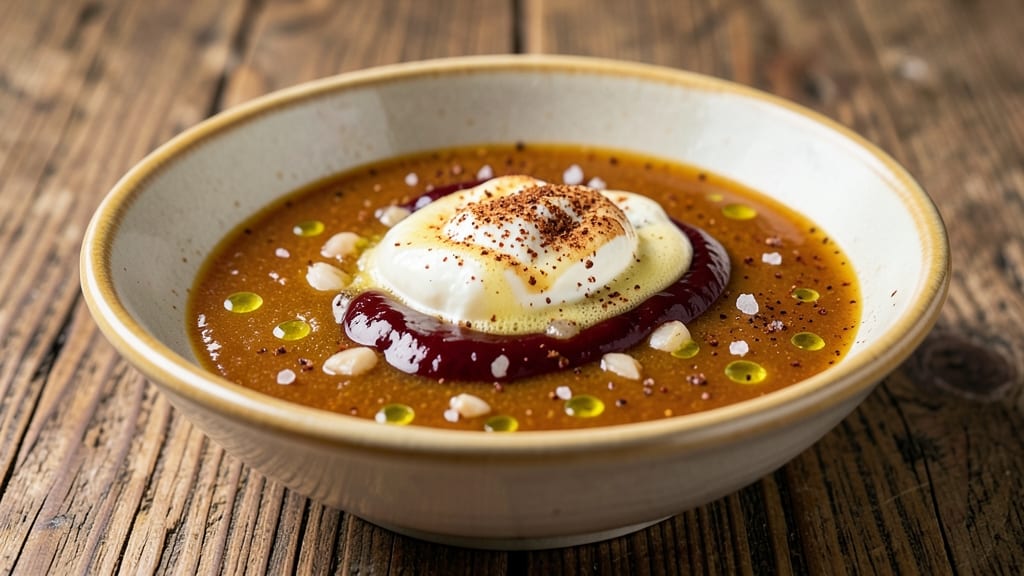
This seafood boil dipping sauce recipe transforms your boil into a flavor explosion with just five ingredients and five minutes of work.
The secret lies in balancing rich butter, zesty lemon, and bold spices to create a sauce that cuts through the richness of shrimp, crab, and sausage while enhancing their natural flavors.
I developed this recipe after realizing most store-bought versions lacked the depth and brightness needed to complement a proper seafood boil.
The magic happens when you melt the butter and let it infuse with garlic and spices before adding the lemon juice and hot sauce. This method ensures every spoonful delivers a perfect marriage of buttery richness and tangy zing—no lumps, no separation, just pure, restaurant-quality flavor.
The sauce thickens slightly as it cools, creating a velvety consistency that clings beautifully to every bite of your boiled seafood.
What you'll end up with is a sauce that's bright enough to stand up to bold spices but rich enough to satisfy cravings for something indulgent. It's the kind of sauce that disappears faster than the shrimp from your plate, leaving everyone begging for the recipe.
This isn't just a dipping sauce—it's the perfect finishing touch that turns a simple seafood boil into a memorable meal.
The best part? This sauce comes together in minutes and keeps well in the refrigerator for up to five days, making it perfect for meal prep. Whether you're hosting a boil for a crowd or treating yourself to a seafood feast, this recipe delivers professional-quality results with minimal effort.
Let's get started on creating your perfect dipping sauce.
Ingredients for seafood boil dipping sauce
Five simple ingredients create this ultra-versatile sauce that elevates every seafood boil bite.
| Ingredient | Amount | Notes |
|---|---|---|
| Unsalted Butter 🧈 | ½ cup | Cold, cubed for even melting |
| Garlic Cloves 🧄 | 4 cloves | Freshly minced for maximum punch |
| Lemon Juice 🍋 | ¼ cup | Freshly squeezed, no pulp |
| Hot Sauce 🌶️ | 1 tbsp | Crunchy or smooth, your choice |
| Dried Cajun Seasoning 🌶️ | 1 tsp | For that signature seafood boil kick |
| Sea Salt 🧂 | ½ tsp | Fine grain for balancing flavors |
| Black Pepper 🌶️ | ¼ tsp | Freshly cracked for heat |
| Heavy Cream 🥛 | ¼ cup | Full-fat for rich texture |
The butter is your flavor foundation—unsalted so you control the saltiness. Grab a European-style butter like Plugrá if you can find it; it has more fat content and melts like a dream. Fresh garlic is non-negotiable here—roasted garlic won't give you that bright punch. The Cajun seasoning is where the magic happens: Zatarain's or Tony Chachere's are my go-tos, but any good blend with paprika, cayenne, and oregano works. Pro tip: Toast your spices in a dry pan for 30 seconds before adding to deepen their flavor—worth the extra minute.
No fresh garlic? Garlic powder at half the amount gets you close, but you'll miss that fresh aroma. Heavy cream too expensive? Whole milk works in a pinch, though the sauce will be slightly lighter. Hate spicy? Cut the hot sauce to 1/2 tbsp or swap for lemon zest. The lemon juice can be bottled, but fresh is brighter. Need extra richness? Add 1 tbsp of mayonnaise at the end—it emulsifies beautifully. This sauce is so forgiving that even if you double the amounts, it'll still taste amazing (though it might get too thick).
This sauce keeps perfectly for 5 days in the fridge, though I always make extra because it disappears so fast. Store it in a small glass jar—it looks pretty on your table and the glass won't absorb flavors. For leftovers, just reheat gently in a small saucepan over low heat, stirring until smooth. Freezes beautifully too—portion into ice cube trays for perfect single servings later. The texture actually improves after chilling, so make it ahead if you're hosting.
Why You'll Love This Recipe
- Five-Ingredient Magic: I swear by this—just melt butter, toss in garlic, a squeeze of lemon, a dash of hot sauce, and Cajun seasoning. That’s it. No measuring cups, no stress, no second-guessing.
- Spicy Zing Factor: Between the garlic’s punch, lemon’s bright cut, and that Cajun kick, this sauce turns bland seafood into ridiculously good. Honestly, I’ve seen people go back for thirds—even my picky husband.
- Tailgate or Tapas: This isn’t just for boil nights. Slather it on shrimp skewers, drizzle over grilled fish, or serve it in tiny bowls at game day. (Yes, even on a Tuesday night when you’re craving something fun.)
- Leftovers? Laughable: A little goes a long way, and the flavors only get better as it sits. I’ve reheated a week-old batch—still packed with heat and richness. Budget-friendly? Absolutely. Wasteful? Never.
Step-by-step instructions for seafood boil dipping sauce
This sauce comes together in minutes but packs maximum flavor—creamy, tangy, and spicy with a perfect buttery finish.
Melt the Butter and Sauté Garlic
Place a small saucepan over medium heat and add the 0.5 cup unsalted butter, cubed. Let it melt completely, swirling occasionally, until it foams and turns golden. This should take about 2-3 minutes. I like to watch the butter carefully—it should bubble gently but not brown.
Once the butter is fully melted, add the 4 cloves freshly minced garlic. Stir constantly for 30-45 seconds until the garlic becomes fragrant and just begins to turn golden. Don't let it burn—garlic turns bitter quickly. Here's the thing: the garlic should smell incredible, like a fresh breeze off the Gulf Coast, but not like a charred campfire.
Add Lemon Juice and Seasonings
Immediately remove the pan from heat and stir in the 0.25 cup freshly squeezed lemon juice. The acidity will brighten everything instantly. Add the 1 tsp dried Cajun seasoning, 0.5 tsp sea salt, and 0.25 tsp freshly cracked black pepper. Give it a quick stir—you're building layers of flavor here, not just mixing ingredients.
Return the pan to low heat and let the mixture simmer gently for 1 minute. This lets the Cajun seasoning bloom and the salt dissolve completely. You'll notice the sauce starting to thicken slightly, and the aroma will be irresistible—like a seafood boil in a bowl. This step is where all the magic happens, so don't rush it.
Incorporate the Hot Sauce and Cream
With the pan still on low heat, add the 1 tbsp hot sauce and stir well. The sauce should immediately take on a deeper, spicier character. Now, slowly drizzle in the 0.25 cup heavy cream, whisking constantly to prevent any curdling. The heat should be low enough that the cream warms gently but doesn't scorch.
Let the sauce simmer for another 1-2 minutes until it reaches your desired consistency. It should coat the back of a spoon smoothly but still have a slight sheen—thick enough to cling to seafood but light enough to drizzle. If it's too thick, add 1 teaspoon of hot water at a time until it reaches that perfect balance. The sauce should look glossy and inviting, like melted butter meets a summer storm.
Finish and Serve Immediately
Remove the pan from heat completely and let the sauce sit for 30 seconds to settle. Taste and adjust seasoning if needed—maybe a pinch more salt or a splash more lemon juice. This sauce is meant to be bold, so don't hold back. The flavors should dance on your tongue: creamy, tangy, spicy, and rich all at once.
Serve the sauce immediately alongside your seafood boil. It's perfect for dipping shrimp, crab legs, or corn on the cob, or drizzling over steamed mussels. The contrast of the warm, spicy sauce with cool seafood is what makes this recipe truly special. And real talk: this sauce tastes even better the next day, so make extra if you can—it disappears fast!
Pro Tips For Making Seafood Boil Dipping Sauce
- MELT BUTTER LOW: I learned this the hard way—cranking the heat too high turns your sauce into a greasy mess instead of a velvety emulsion. Use medium-low heat and stir constantly until the butter melts completely, then let it sit for 30 seconds before adding garlic. This keeps the sauce rich without burning.
- SMASH GARLIC FIRST: Skip the mincing—crush those cloves with the flat side of your knife before adding them to the butter. This releases more flavor instantly and prevents them from burning before the butter melts. (Yes, even if you’re impatient like me.)
- BALANCE THE HEAT: Hot sauce is the easy part, but Cajun seasoning can overpower if you’re not careful. Start with 1 teaspoon of seasoning, taste, then add more—after the sauce has simmered. You can always spice it up, but you can’t take it out.
- STRAIN THE GARLIC: This isn’t the prettiest method, but it’s the tastiest. After cooking the garlic, strain out the cloves with a fine-mesh sieve before mixing in lemon juice and hot sauce. It keeps the sauce silky smooth, not grainy. (Your future self will thank you.)
Essential equipment for perfect results
Small Saucepan
You don’t need anything fancy here—a small 1- or 1.5-quart saucepan is perfect for this recipe. I use my Calphalon stainless steel saucepan because it heats evenly and won’t react with acidic ingredients like lemon juice.
If you’re on a budget, a good-quality nonstick pan works too, but avoid cheap ones—they can scratch and ruin your sauce’s texture. 🔥
Whisk or Wooden Spoon
A whisk is ideal for combining ingredients smoothly, especially when adding the heavy cream to prevent lumps. If you don’t have one, a wooden spoon works just fine—just stir more vigorously.
I keep a silicon-coated whisk in my kitchen because it’s gentle on nonstick pans and easy to clean. Avoid metal spoons if your pan isn’t stainless steel, as they can scratch.
Measuring Spoons
Precision matters with spices and liquids, so grab your set of measuring spoons (especially the ½ teaspoon and 1 tablespoon sizes). I recommend OXO Good Grips—they’re durable and easy to read.
For the lemon juice, a small liquid measuring cup with markings makes it easier to get the exact ¼ cup amount. Don’t eyeball it; this sauce relies on balance, and off measurements can throw off the flavor.
Small Bowl for Prep
A small mixing bowl comes in handy for prepping ingredients like mincing the 4 cloves garlic or measuring out the hot sauce and Cajun seasoning before adding them to the pan.
I use a glass bowl because it’s easy to see the colors of the spices, but any bowl will do. This step keeps your workspace tidy and ensures you don’t accidentally add too much of one ingredient while the pan heats up.
Tasting Spoon
You’ll need a small spoon (preferably one with a long handle) to taste the sauce as you go. I keep a silver-plated tasting spoon in my kitchen—it’s dedicated to this purpose and easy to clean.
Avoid using your regular eating utensils, as they can transfer flavors from other dishes. Trust me, you’ll be tasting this sauce multiple times, so having a designated spoon saves time and keeps things hygienic. 💡
Optional: Immersion Blender
If you prefer your sauce extra smooth (or if you accidentally let the cream curdle), an immersion blender can save the day. Just blend briefly to emulsify any lumps. I don’t always use one, but it’s a lifesaver when I’m in a hurry or testing new variations.
A handheld immersion blender like the Hamilton Beach Multi-Speed is affordable and does the job perfectly. Skip this if you’re confident in your stirring skills—this sauce is forgiving! ✨
Nutrition facts
Frequently asked questions
Can I make this sauce without heavy cream?
For a lighter version, substitute the 0.25 cup heavy cream with 0.25 cup whole milk or even 0.25 cup mayonnaise for extra richness. If you're dairy-free, use coconut cream or a neutral oil like avocado oil (add 1 tbsp at the end for creaminess). The sauce will still taste amazing—just adjust the consistency with a splash of water if needed.
How do I fix a sauce that separated or curdled?
Don't panic! If your sauce separates, simply whisk in 1-2 teaspoons of hot water or lemon juice to re-emulsify it. For curdled cream, blend briefly with an immersion blender or whisk vigorously until smooth. If the sauce is too thin, simmer uncovered for 1-2 minutes to thicken. The key is patience—this sauce is forgiving, and even "ruined" batches often turn out fine with a little love.
Can I make this sauce ahead of time?
Yes! This sauce actually tastes better after chilling. Make it up to 5 days ahead and store in an airtight container in the fridge. The flavors meld beautifully, and the texture thickens slightly for a more velvety consistency. Reheat gently in a small saucepan over low heat, stirring until smooth. For serving, let it sit at room temperature for 10 minutes before drizzling—it'll be even more flavorful.
What's the best way to serve this sauce?
This sauce is incredibly versatile! Use it as a dipping sauce for shrimp, crab legs, or corn on the cob, or drizzle it over steamed mussels and grilled fish. For extra flair, serve it in a small glass jar with a wooden spoon or in a bowl with lemon wedges on the side. The warm sauce contrasts perfectly with cool seafood—it's the ultimate finishing touch for any seafood spread.
Can I adjust the spice level?
For a milder sauce, reduce the hot sauce to ½ tbsp or swap it for lemon zest. If you love heat, add an extra ½ tsp cayenne pepper or 1 tsp extra Cajun seasoning. For a smoky twist, stir in ½ tsp smoked paprika at the end. The sauce is designed to be bold, but it's easy to tweak to your taste—just remember to balance the flavors with a pinch of salt if you increase the spice.