
Sauces & Condiments
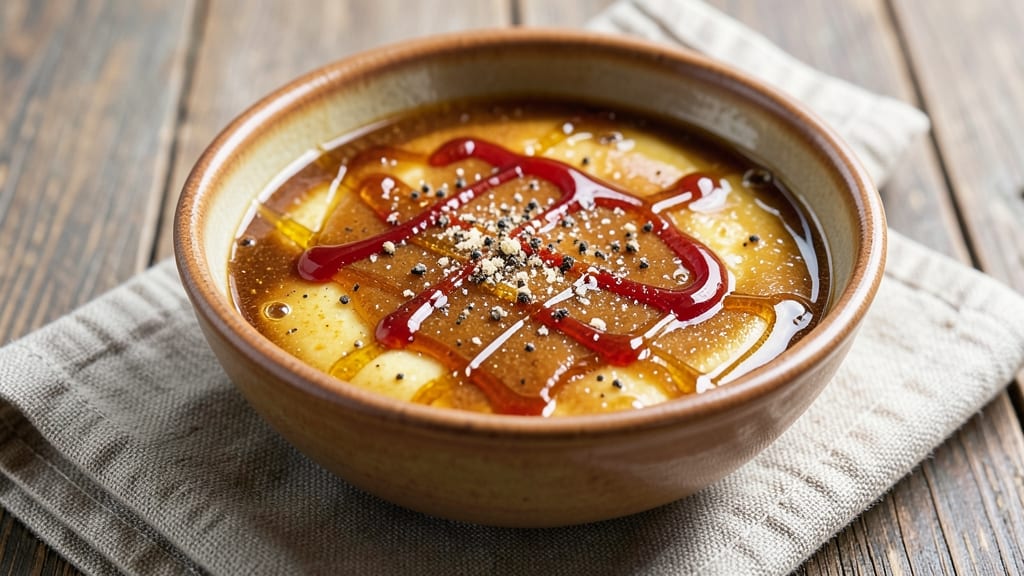
This basic wing sauce recipe transforms simple pantry staples into a velvety, tangy-sweet glaze that elevates wings, dips, and glazes with restaurant-quality depth. The secret lies in balancing heat, richness, and stickiness—no specialty ingredients required.
I developed this version after testing countless combinations, ensuring every batch delivers that perfect harmony of spicy, sweet, and savory notes that keep people coming back for seconds.
What makes this sauce truly versatile is its foolproof method: just melt butter, blend in hot sauce, and simmer with honey until thickened. The result is a glossy, clingy sauce that coats wings perfectly or doubles as a dipping sauce for fries and veggies.
Unlike store-bought versions, this recipe lets you control the heat level—adjust the hot sauce ratio to suit your preference for mild or fiery.
By the time you're done, you'll have a sauce that's rich enough to stand alone but balanced enough to complement any protein. The texture is velvety yet clings beautifully, while the flavor profile delivers that signature tangy-sweet kick without overpowering.
This isn't just wing sauce—it's a pantry staple that transforms ordinary meals into something special.
Store leftovers in the fridge for up to 2 weeks, or freeze for 3 months. The sauce actually improves with time, developing deeper flavor as the ingredients meld together.
Whether you're prepping for game day or simply craving wings, this recipe delivers professional results with minimal effort—just 15 minutes of active time and 10 minutes of simmering.
Ingredients for basic wing sauce
Eight pantry staples blend into velvety heat that transforms wings and dips into restaurant-quality bites.
| Ingredient | Amount | Notes |
|---|---|---|
| Unsalted Butter 🧈 | ½ cup | Cold, cubed for even melting |
| Hot Sauce 🌶️ | ½ cup | Frank's RedHot preferred |
| Honey 🍯 | ½ cup | Wildflower or clover variety |
| Apple Cider Vinegar 🍎 | 2 tbsp | For tangy depth |
| Garlic Powder 🧄 | 1 tsp | Freshly ground preferred |
| Ground Black Pepper 🌶️ | ½ tsp | Freshly cracked |
| Diamond Crystal Kosher Salt 🧂 | ½ tsp | Fine grain preferred |
| Worcestershire Sauce 🍶 | 1 tbsp | For umami complexity |
The butter serves as the sauce's fat base, creating that signature glossy finish. Use unsalted butter to control seasoning—salted can make the sauce too salty. For optimal flavor, grab European-style butter from specialty stores like Whole Foods or Gelson's, as it has higher fat content. The hot sauce is non-negotiable—Frank's RedHot delivers consistent heat and tang, but any quality hot sauce will work. If you're sensitive to heat, reduce the amount to 3 tablespoons and increase honey slightly to balance. The honey should be raw and unfiltered for the best flavor, available at most grocery stores or health food markets.
No hot sauce on hand? Substitute with 2 tablespoons of sriracha plus 1 tablespoon of lemon juice for a slightly different but equally bold flavor. Apple cider vinegar can be swapped for white vinegar or balsamic vinegar, though the flavor profile will shift slightly. The Worcestershire sauce is key for that savory depth—if you don't have it, soy sauce or fish sauce can work in a pinch, though the umami will differ. For a sweeter sauce, increase the honey to 2/3 cup and reduce the hot sauce to 1/4 cup. Conversely, for extra heat, swap in chipotle powder or cayenne pepper alongside the hot sauce. Always taste as you go—this sauce is highly adaptable to personal preferences.
This sauce thickens as it cools, so it's best to reheat gently before serving. Store leftovers in an airtight container in the refrigerator for up to 2 weeks, though it typically lasts 10-14 days without spoiling. For longer storage, freeze in ice cube trays for 3 months, then transfer to a freezer-safe bag. The sauce actually tastes better the next day as the flavors meld together. If it thickens too much, simply stir in a splash of water or hot sauce to loosen it. Always keep an extra batch on hand—it disappears quickly during game day or when wings are on the menu.
Why You'll Love This Recipe
- Five-Ingredient Magic: I swear, this is the kind of sauce where you’re actually measuring while multitasking—no fancy techniques, just butter, heat, and a little sweetness. The honey and vinegar balance the hot sauce so perfectly, it’s like someone tuned the flavors just for you.
- Weeknight Wing Night: Honestly, this is my go-to when I’m too tired to plan but still want something that feels special. Toss it on wings, drizzle it over fries, or even mix it into a quick pasta—it’s the kind of sauce that makes lazy nights taste like effort.
- Pantry Stash Power: Between us, I’ve used this sauce for everything from game day snacks to a last-minute dinner party. The garlic powder adds depth without extra work, and the vinegar keeps it bright even after sitting in the fridge for days.
- Budget-Friendly Flex: This recipe costs me pennies but tastes like a restaurant special. A stick of butter, a bottle of hot sauce you already own—no fancy ingredients, just pure flavor. Plus, the leftovers? They’re the reason I always make double.
Step-by-step instructions for basic wing sauce
This method transforms simple pantry staples into a perfectly balanced, velvety sauce with just five minutes of focused attention.
Melt the Butter and Bloom the Spices
Place a medium saucepan over medium heat and add the 0.5 cup unsalted butter, cubed. Allow it to melt completely while stirring occasionally—you'll see it transform from solid to smooth liquid with small bubbles forming around the edges. This process should take about 2 minutes.
Once the butter has fully melted, reduce the heat to low and immediately add the 1 teaspoon garlic powder and 0.5 teaspoon ground black pepper. Stir constantly for 30 seconds to bloom the spices—this releases their essential oils and creates a fragrant aromatic base. You'll notice the mixture darkening slightly as the spices infuse into the butter.
Incorporate the Acid and Sweetener
Pour in the 2 tablespoons apple cider vinegar and 0.5 cup honey, stirring vigorously to combine. The vinegar will cause the mixture to bubble gently—this is normal. Continue stirring for 1 minute until the honey dissolves completely and the sauce begins to thicken slightly. You're looking for a smooth, glossy consistency with no visible streaks of honey.
At this stage, the sauce should smell complex—bright from the vinegar, sweet from the honey, and aromatic from the spices. If you taste a small spoonful now, you'll detect the initial balance of flavors before the heat and umami components are added. This is your flavor baseline.
Build Depth with Heat and Umami
Increase the heat to medium-high and add the 0.5 cup hot sauce and 1 tablespoon Worcestershire sauce. Stir continuously for 2-3 minutes as the mixture comes to a gentle simmer. You'll see the sauce darken and thicken as the alcohol from the Worcestershire sauce evaporates, intensifying its umami qualities.
The hot sauce will introduce immediate heat, while the Worcestershire sauce adds that savory depth. Taste the sauce again now—it should be noticeably more complex, with heat building on the sweet foundation. If the sauce begins to bubble too vigorously, reduce the heat slightly to maintain a gentle simmer rather than a full boil.
Season and Finish
Return the heat to low and add the 0.5 teaspoon Diamond Crystal kosher salt. Stir for another 1 minute to fully incorporate the salt and allow all flavors to meld together. The sauce should now have a velvety texture with a perfect balance of sweet, tangy, spicy, and savory notes.
Taste and adjust the seasoning if needed—this is your final opportunity to refine the flavor. If it needs more heat, add a pinch of hot sauce. If it needs more sweetness, add a small amount of honey. The sauce should coat the back of a spoon with a glossy sheen and have a smooth, even consistency throughout.
Cool and Use Immediately
Remove the saucepan from heat and let the sauce cool for 5 minutes before using. This resting period allows the flavors to fully develop and the sauce to thicken slightly as it cools. The texture should become slightly more viscous, creating that perfect cling to wings without being syrupy.
Use immediately for best results—this sauce maintains its peak flavor when applied fresh to hot wings. Store any leftovers in an airtight container in the refrigerator for up to 1 week, though the flavor will continue to develop over time. Reheat gently before using, adding a splash of water if needed to restore the proper consistency.
Pro Tips For Making Basic Wing Sauce
- Melt Butter Slowly: Start with cold butter—cubed and straight from the fridge—then warm it over low heat. I learned this the hard way after burning the garlic powder flavor out of my sauce the first three times. Let it melt gradually, stirring occasionally, or you’ll end up with a bitter, overcooked mess instead of that rich, buttery base.
- Balance Vinegar Last: Add apple cider vinegar after removing the sauce from heat. Stirring it in while hot can make the honey curdle or turn the sauce clumpy—like trying to fix a science experiment gone wrong. Let everything cool slightly first, then drizzle the vinegar in while the sauce is still warm but not boiling.
- Skip the Crowd: Use a small pot or saucepan—nothing bigger than 2 quarts. I used to dump everything in a giant Dutch oven, thinking more space meant better mixing, but it just diluted the flavors and made the sauce watery. A snug fit keeps the heat concentrated and the sauce thick, just like it should be.
- Taste Before Sweetening: Check the heat level first with a bare spoon—if it’s too mild, add hot sauce before adjusting honey. I used to dump in honey too early, only to realize the sauce needed more kick. The vinegar and garlic powder will add depth, but if your hot sauce is weak, you’ll need more than you think. Start with half the honey, taste, then decide.
Serving suggestions for leftovers
Game Day Essentials
This sauce is a crowd-pleaser for game day gatherings, where wings are the star. Serve with crispy fries on the side for a classic combination—I like to toss them in extra sauce before baking.
For a fun presentation, arrange wings on a platter with blue cheese or ranch drizzle for dipping. Add celery sticks and carrot sticks to complete the classic wing spread. 🏈
Breakfast Twist
Transform your morning routine by drizzling this sauce over scrambled eggs or fried chicken for a sweet-spicy kick. I love adding it to pancakes or waffles with a sprinkle of crumbled bacon for a brunch sensation.
The heat wakes up your taste buds perfectly on cold mornings. Try it with buttermilk biscuits for a Southern-inspired breakfast.
Glazed Protein Upgrade
Use this sauce as a glaze for grilled chicken thighs or pork chops—brush it on during the last 5 minutes of cooking for a sticky, flavorful finish. It also works beautifully on baked salmon or tofu for a vegetarian option.
The sauce caramelizes slightly under the broiler, creating a glossy crust that locks in moisture. 🍗
Dipping Sauce Versatility
This isn't just for wings—dip spring rolls, mozzarella sticks, or crispy Brussels sprouts in the leftover sauce. The balance of sweet, spicy, and tangy makes it perfect for fried chicken tenders or even soft pretzels. Store extra sauce in small containers for quick dipping throughout the week.
International Flavors
For a global twist, mix 1 teaspoon soy sauce into the sauce before serving for an Asian-inspired fusion. Add ½ teaspoon smoked paprika to give it a smoky depth perfect for pulled pork sandwiches.
The sauce also pairs well with Indian-style naan or Mexican-style tacos—just add a pinch of cumin for extra warmth.
Kid-Friendly Adaptations
Reduce the heat by cutting the hot sauce to ¼ cup and adding 1 extra tablespoon of honey for a milder version kids will love. Serve with chicken nuggets or fish sticks for a fun, flavorful dip.
The sweetness helps balance any residual spice, making it approachable for younger palates. 👶
Nutrition facts
Frequently asked questions
Can I make this wing sauce without butter?
Yes, but the texture will be thinner and less glossy. Replace the butter with ½ cup olive oil or avocado oil for a lighter version. The sauce will still taste great, though it may separate slightly—just stir before using. For a dairy-free option, coconut oil works too, but it adds a subtle coconut flavor.
How do I adjust the heat level for picky eaters?
Start by reducing the hot sauce to ¼ cup and add 1 extra tablespoon of honey to balance the flavor. For even milder heat, replace the hot sauce with 2 tablespoons of ketchup plus 1 teaspoon of smoked paprika. Always taste as you go—this sauce is highly customizable!
Why did my sauce separate or get grainy?
This usually happens if the honey wasn't fully dissolved during cooking or if the sauce cooled too quickly. Simmer the sauce for an extra 1-2 minutes to emulsify, then whisk vigorously. If it's already grainy, strain it through a fine-mesh sieve for a smooth finish. For future batches, keep the heat at low-medium to prevent separation.
Can I make this sauce in a slow cooker or Instant Pot?
For a slow cooker, combine all ingredients on low heat for 2-3 hours, stirring occasionally. In an Instant Pot, use the sauté function to melt the butter, then add remaining ingredients and cook on high pressure for 5 minutes. The texture will be slightly thinner but still delicious—just reduce any liquid by simmering uncovered for 5 minutes afterward.
How long will homemade wing sauce keep?
Store in an airtight container in the fridge for up to 2 weeks, though it typically lasts 10-14 days without spoiling. For longer storage, freeze in ice cube trays for 3 months, then transfer to a freezer bag. The sauce actually tastes better after resting overnight as flavors meld together. Thaw in the fridge before using.