
Sauces & Condiments
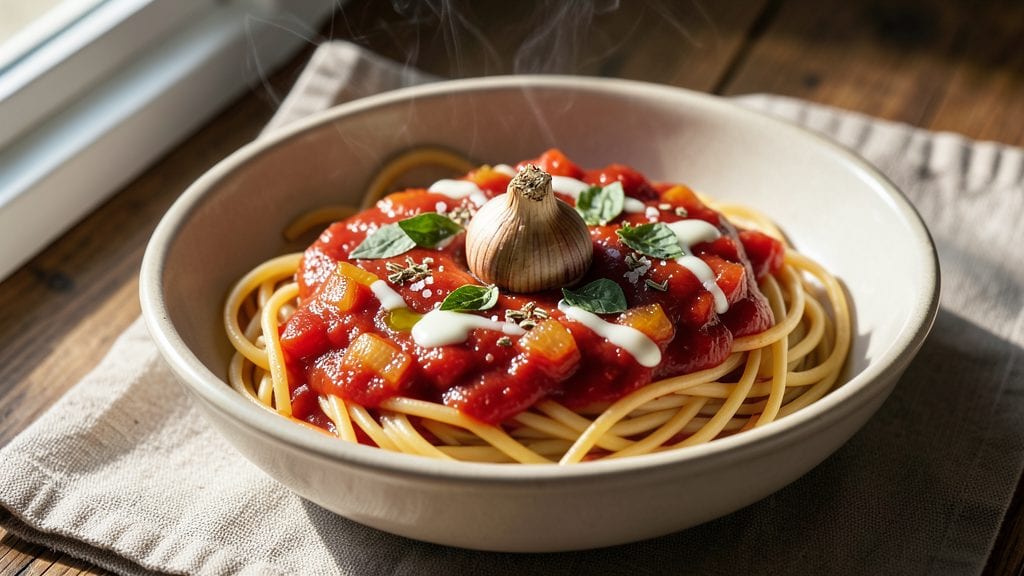
Mastering a basic canned spaghetti sauce recipe that rivals store-bought versions starts with simple ingredients and precise technique. This recipe delivers deep, layered tomato flavor with just 10 minutes of active prep and 3 hours of simmering—perfect for pantry staples or shelf-stable canning.
The secret lies in balancing acidity, salt, and herbs to create a sauce that stays vibrant even after months on the shelf.
What makes this sauce stand out is its versatility—use it fresh for immediate meals or process it for long-term storage. The recipe builds flavor through slow reduction, caramelizing natural sugars while preserving fresh herbs and garlic.
Unlike bottled sauces, this version avoids additives, giving you control over salt, sugar, and spice levels to match your taste.
By the end, you'll have a rich, velvety sauce with a perfect balance of sweetness and acidity, ready to elevate any pasta dish. The canning method ensures shelf stability while maintaining restaurant-quality depth.
Whether you're stocking your pantry or preparing for a meal, this sauce delivers professional results with minimal effort.
Store-bought sauces can't compete with this homemade version's complexity and freshness. Let's create a pantry staple that transforms ordinary meals into something extraordinary.
Ingredients for basic canned spaghetti sauce
Eleven essential ingredients transform into a restaurant-quality canned spaghetti sauce with depth and balance.
| Ingredient | Amount | Notes |
|---|---|---|
| San Marzano Crushed Tomatoes 🍅 | 28 oz | High-quality, no salt added |
| Extra-Virgin Olive Oil 🫒 | ¼ cup | Fruity, peppery variety preferred |
| Yellow Onion 🧅 | 1 whole | Medium, finely diced |
| Garlic Cloves 🧄 | 4 cloves | Fresh, minced |
| Dried Oregano 🌿 | 1 tbsp | Mediterranean variety |
| Dried Basil 🌿 | 1 tbsp | Sweet, not salty |
| Ground Black Pepper 🌶️ | ½ tsp | Freshly cracked |
| Diamond Crystal Kosher Salt 🧂 | 1 ½ tsp | Adjust to taste |
| Granulated Sugar 🍚 | 1 tbsp | Light brown preferred |
| White Wine Vinegar 🍷 | 1 tbsp | For acidity balance |
| Fresh Basil Leaves 🌿 | ¼ cup | Packed, stems removed |
The foundation of this sauce begins with San Marzano tomatoes, renowned for their sweetness and low acidity—critical for canning safety and flavor. Whole Foods or specialty Italian markets carry these in cans, but any high-quality crushed tomatoes without added salt work. Avoid brands with preservatives like sodium benzoate. For the olive oil, California avocado oil or Spanish Arbequina add subtle complexity. The onion and garlic should be finely diced to dissolve completely during simmering, preventing texture issues in the finished sauce. Fresh basil leaves are added at the end to preserve their vibrant aroma and color.
Substitutions must maintain the sauce's acidity-sweetness balance. No San Marzano tomatoes? Use Roma tomatoes, but expect slightly less sweetness. Swap white wine vinegar for lemon juice at double the amount if needed. Dried herbs can replace fresh basil at one-third the quantity, but flavor will be less pronounced. For a meatier version, add 1 pound ground beef or Italian sausage cooked and drained before adding tomatoes. The sugar can be reduced to 0.5 tablespoon if using sweeter tomatoes, but monitor flavor development during simmering. Always ensure the final sauce has at least 1 tablespoon of acid per pint for safe canning.
This sauce maintains peak quality for 18-24 months when processed in a pressure canner. Store jars in a cool, dark place away from direct sunlight. For immediate use, refrigerate for up to 5 days or freeze for 6 months. The sauce thickens upon cooling—add 1-2 tablespoons of water if needed before serving. For restaurant-quality results, simmer the sauce uncovered for the full 3 hours, skimming foam occasionally. The extended cooking time develops deeper umami flavors while concentrating the tomatoes' natural sugars.
Why You'll Love This Recipe
- No-Fuss Pantry Staples: I swear by this recipe because it only asks for things I already have—no last-minute grocery runs. The crushed San Marzano tomatoes? They’re my secret weapon—they’re sweet, meaty, and never watery like store-brand cans.
- Garlic Kisses Everything: That moment when you crush fresh garlic into warm olive oil and let it sizzle? Pure magic. The onions caramelize just enough to deepen the flavor, and the oregano ties it all together with that earthy, sun-dried punch.
- Weeknight to Potluck: This sauce is my go-to for everything: a quick weeknight dinner, a last-minute potluck dish, or even a slow-cooker project. Toss it with pasta, stir it into rice, or serve it over grilled chicken—it adapts without fuss.
- Budget-Friendly Leftovers: A single batch stretches for three meals, and it tastes just as good reheated as it does fresh. Honestly, I make double portions on purpose because it’s cheaper than takeout and way more satisfying.
Step-by-step instructions for homemade canned spaghetti sauce
This method delivers restaurant-quality tomato sauce with deep, balanced flavors using only pantry staples.
Sauté Aromatics Until Deeply Fragrant
Heat the 0.25 cup extra-virgin olive oil in a heavy-bottomed saucepan over medium heat. Add the 1 whole yellow onion, finely diced, and cook for 5-6 minutes until translucent and just beginning to caramelize at the edges. This step develops sweetness that forms the sauce's foundation.
Reduce heat to medium-low and add the 4 cloves garlic cloves, minced. Cook for 30 seconds until fragrant but not browned—garlic burns quickly and becomes bitter. The onions should be soft enough to crush between your fingers, indicating they've released their moisture and sugars into the oil.
Build Flavor with Tomatoes and Seasonings
Pour in the 28 oz san marzano crushed tomatoes, stirring to combine with the aromatics. Add the 1 tbsp dried oregano, 1 tbsp dried basil, 0.5 tsp ground black pepper, 1.5 tsp diamond crystal kosher salt, and 1 tbsp granulated sugar. The sugar isn't just for sweetness—it helps balance the acidity and develop richer tomato flavors.
Bring the mixture to a gentle simmer over medium-low heat. Partially cover the pan and let it cook for 20 minutes, stirring occasionally. This initial simmer allows the tomatoes to break down and release their natural juices, creating a smoother base. You'll notice the sauce darkening slightly as the flavors meld.
Finish with Acid and Fresh Herbs
After 20 minutes, stir in the 1 tbsp white wine vinegar and 0.25 cup fresh basil leaves, packed and stems removed. The vinegar brightens the sauce by cutting through the richness, while the fresh basil adds a vibrant, aromatic finish. Simmer uncovered for another 10-15 minutes until the sauce thickens to your desired consistency—it should coat the back of a spoon but remain spoonable.
Taste and adjust seasoning: Add more diamond crystal kosher salt if needed, or a pinch of ground black pepper for heat. The sauce should be well-balanced—sweet, acidic, and herby with no single flavor overpowering. For a smoother texture, use an immersion blender to lightly puree, or leave it rustic with visible tomato chunks.
Rest and Serve for Maximum Flavor
Remove the sauce from heat and let it rest for 10 minutes before serving. This resting period allows the flavors to fully integrate and the sauce to thicken slightly as it cools. The sauce will continue to improve over the next 24 hours if stored in the refrigerator, making it even more flavorful when reheated.
Serve immediately over al dente spaghetti, tossing the pasta in the sauce to coat each strand. Garnish with additional fresh basil leaves and a drizzle of extra-virgin olive oil for a touch of brightness. The sauce should cling to the pasta without being overly watery, delivering layers of tomato, herb, and acidity in every bite.
Pro Tips For Making Basic Canned Spaghetti Sauce
- Cook Onions Slow: I learned this the hard way—if you rush the onions, they’ll turn bitter. Simmer them in the olive oil on low heat until they’re translucent and just starting to caramelize (about 8-10 minutes). That sweetness is the foundation of your sauce, and skipping this step means flavorless mush.
- Crush Garlic Gently: Minced garlic burns fast, but crushed cloves add depth without scorching. Smash 3-4 cloves with the flat side of your knife, peel, and add them whole to the pot. They’ll soften into flavor without turning bitter—no need to babysit the pan.
- Salt the Tomatoes Early: Crush the San Marzano tomatoes by hand (no blender!) and let them sit in a bowl with a pinch of salt for 10 minutes before cooking. This draws out excess liquid and balances acidity—your sauce will be richer and less watery by the end.
- Deglaze with a Splash: After cooking the onions and garlic, splash in ¼ cup water or white wine, then scrape up every browned bit from the bottom. That crust (yes, even in a simple sauce) carries all the caramelized flavor—don’t skip it.
Storing and reheating your basic canned spaghetti sauce
Refrigerator Storage
Transfer your homemade sauce to an airtight glass container—I prefer Ball mason jars—and let it cool to room temperature before refrigerating. The sauce stays vibrant in the fridge for up to 5 days, with flavors actually deepening over time.
For best results, press plastic wrap directly onto the surface to minimize oxidation. 🥫
Freezer Preservation
Portion the sauce into freezer-safe silicone molds or quart-sized freezer bags, leaving ½ inch headspace for expansion. Label with the date—this sauce maintains peak quality for 6 months when stored at 0°F or below.
Thaw overnight in the fridge for even texture, or reheat directly from frozen on the stovetop. ❄️
Canning for Long-Term
For shelf-stable storage, process pint jars in a pressure canner at 10 pounds pressure for 75 minutes (adjust for altitude). The white wine vinegar ensures proper acidity for safe preservation.
Store sealed jars in a cool, dark pantry—they’ll keep for 18-24 months without refrigeration. Always check seals before opening. 🔥
Reheating Fresh Sauce
Gently reheat refrigerated sauce on the stovetop over low heat for 5-10 minutes, stirring occasionally. Avoid boiling to prevent skin formation. If the sauce thickens too much, thin with 1-2 tablespoons of water or pasta water.
For microwave reheating, use 50% power in 1-minute intervals, stirring between each. 💡
Reviving Thickened Sauce
If your canned or frozen sauce separates or thickens excessively, whisk in 1-2 tablespoons of water or tomato paste to restore consistency. For a smoother texture, blend briefly with an immersion blender—just enough to break up any lumps without losing rustic character.
Always taste and adjust seasoning after reheating. 🍜
Serving After Storage
Use your stored sauce as-is for pasta, or simmer it uncovered for 10 minutes to intensify flavors. Garnish with fresh basil and a drizzle of extra-virgin olive oil to brighten the dish.
The sauce’s acidity and sweetness balance perfectly when reheated properly, making it taste almost as good as fresh. ✨
Nutrition facts
Frequently asked questions
Can I substitute regular crushed tomatoes for San Marzano in this recipe?
Yes, but expect slightly less sweetness and depth. Regular crushed tomatoes work fine—just add ½ teaspoon extra sugar and ½ teaspoon more white wine vinegar to compensate for lower natural sweetness and acidity. For best results, choose a brand with no added salt or preservatives.
How do I adjust the seasoning if I'm making this for canning?
For canned storage, reduce the salt to 1 teaspoon and increase vinegar to 1.5 tablespoons to ensure proper acidity. Taste before canning—sauces often taste saltier after processing. Always maintain at least 1 tablespoon of acid per pint for safe preservation.
What's the best way to prevent skin from forming when reheating?
Simmer the sauce uncovered on low heat for 5-10 minutes while stirring occasionally. If skin forms, whisk vigorously to break it up. For microwave reheating, use 50% power in 1-minute intervals, stirring between each to prevent separation.
Can I add meat to this sauce for a meat sauce version?
Brown 1 pound ground beef or Italian sausage first, drain excess fat, then proceed with the recipe. For deeper flavor, add 1 teaspoon smoked paprika with the dried herbs. The meat will cook through during the simmering process.
Why did my canned sauce turn cloudy after opening?
Cloudiness usually means the sauce wasn't properly acidified or sealed. Always check jar seals before opening. If the sauce smells fine, it's safe to eat—just reheat thoroughly. For future batches, ensure you've added enough vinegar and processed jars at the correct pressure.