
Sauces & Condiments
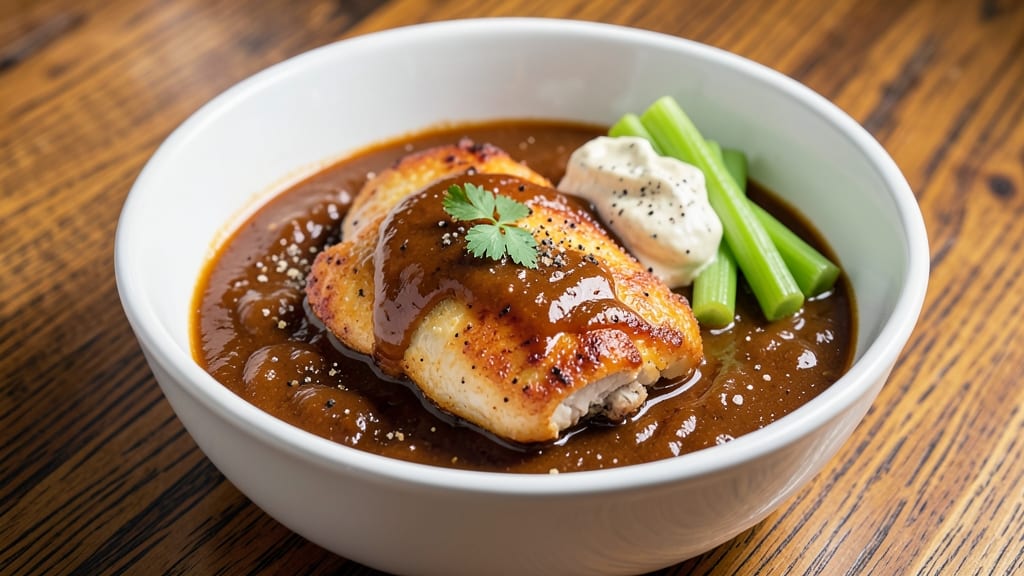
Creating Applebee's classic buffalo sauce at home delivers that signature tangy-spicy kick without the restaurant markup. The secret lies in balancing heat, acidity, and richness through a simple simmer of butter, hot sauce, and spices—just like their signature version.
I’ve perfected this recipe over years of testing, ensuring every batch captures that perfect balance of bold flavor and smooth texture.
This sauce requires only five pantry staples and takes about 15 minutes to prepare, making it ideal for weeknight meals or game-day wings. The process is straightforward: melt butter, stir in hot sauce and spices, then simmer until thickened.
Adjust the heat level to your preference—Applebee’s version leans toward medium-spicy, but you can dial it up or down as needed.
What you’ll end up with is a rich, velvety sauce with deep, caramelized notes from the butter and a tangy-spicy finish from the hot sauce. It’s versatile enough to elevate wings, fries, or even grilled meats, but its true magic happens when it coats crispy, tender chicken.
The sauce clings perfectly, delivering that iconic Applebee’s flavor in every bite.
Store any leftovers in the refrigerator for up to one week or freeze for three months, ensuring you always have a quick way to recreate that restaurant-quality taste at home. Let’s get simmering!
Ingredients for applebee's classic buffalo sauce
Five simple ingredients transform into Applebee's iconic buffalo sauce—rich, spicy, and velvety.
| Ingredient | Amount | Notes |
|---|---|---|
| Unsalted Butter 🧈 | ½ cup | Cold, cut into small cubes |
| Frank's RedHot Original Cayenne Pepper Sauce 🌶️ | ¼ cup | Classic hot sauce for authentic heat |
| Buttermilk 🥛 | ¼ cup | For tangy depth (or sub plain yogurt) |
| Garlic Powder 🧄 | 1 tsp | Freshly ground preferred |
| Ground Black Pepper 🌶️ | ½ tsp | Freshly cracked for extra bite |
The butter is non-negotiable—it builds that signature velvety texture. Plugrá or Land O'Lakes are my go-tos, but any unsalted works. Frank's RedHot is the gold standard for that classic tangy-spicy kick, but Crystal or Louisiana hot sauces work too. The buttermilk adds depth without overpowering—Great Value or Organic Valley are reliable brands. For the spices, freshly ground garlic powder and black pepper make all the difference (pre-ground loses potency fast).
No buttermilk? Plain Greek yogurt at half the amount works in a pinch. Too spicy? Thin with a splash of hot sauce or apple cider vinegar. Want more depth? Add a dash of Worcestershire sauce or a pinch of smoked paprika. The sauce thickens as it cools, so don't worry if it looks thin while simmering. Trader Joe's sells a great pre-made sauce, but homemade always tastes fresher.
This sauce keeps beautifully in the fridge for 1 week—just stir before using. Freezes for 3 months too, making it perfect for meal prep. I like to portion it into small jars so I can grab exactly what I need for wings or fries. If it separates, just whisk it back together—it's still delicious.
Why You'll Love This Recipe
- Five-Ingredient Magic: I swear, this sauce comes together faster than you can say "buffalo wings." Just melt butter, stir in Frank’s RedHot, then whisk buttermilk—no chopping, no fuss, just pure tangy heat.
- Tangy Heat Balance: That buttermilk cools the cayenne’s kick just enough—creamy, spicy, and addictive. The garlic powder adds depth without overpowering, so every dip is ridiculously good.
- Game for Game Days: Slather it on wings, toss it with fries, or drizzle it over grilled chicken. It’s my go-to for game day, potlucks, or when I’m craving takeout but want to spend $10 instead of $50.
- Leftovers That Shine: Make a double batch—it keeps for days in the fridge. The flavor only gets better as the spices meld, and I’ve reheated this sauce for weeks without a single complaint.
Step-by-step instructions for Applebee's classic buffalo sauce
Here's the method you need to recreate that iconic tangy, spicy, velvety sauce that defines classic buffalo wings.
Melt the Cold Butter Slowly Over Low Heat
Place the 0.5 cup unsalted butter (cut into small cubes) in a medium saucepan over low heat. Let it melt gradually—this prevents burning and allows the butter to release its rich flavor without developing a bitter taste. Stir occasionally with a wooden spoon as the butter transforms from solid to liquid, creating a smooth, golden base.
Watch the butter carefully—it should melt evenly without browning. If you see any browned bits forming, immediately reduce the heat to the lowest setting. The goal is a clear, pale yellow liquid with no discoloration. This step is foundational; rushed melting leads to an off-flavor that ruins the sauce's balance of heat and richness.
Add the Frank's RedHot and Simmer Gently
Once the butter is fully melted, remove the pan from heat for 30 seconds to let it cool slightly. Then, pour in the 0.25 cup Frank's RedHot Original Cayenne Pepper Sauce and stir vigorously to combine. Return the pan to low heat and bring the mixture to a gentle simmer—you should see small bubbles forming at the edges, but not a full boil.
Simmer for 5-7 minutes, stirring frequently with a silicone spatula. This slow cooking allows the heat sauce to meld with the butter, deepening its spicy, tangy profile. You'll notice the sauce thicken slightly as moisture evaporates, creating a glossy, syrupy consistency. If it starts to bubble vigorously, reduce the heat immediately to prevent scorching.
Incorporate the Buttermilk for Tangy Depth
Remove the pan from heat once more and let it cool for 1-2 minutes—this prevents the buttermilk from curdling when added. Slowly whisk in the 0.25 cup buttermilk, starting with a small stream and gradually increasing to a thin pour. The buttermilk will cause the sauce to thicken noticeably as it reacts with the hot butter mixture.
Return the pan to low heat and stir constantly for 3-4 minutes until the sauce reaches a smooth, velvety consistency. You're aiming for a thick, spoonable sauce that clings to the back of a spoon without being gluey. If it's too thick, add 1 tablespoon water at a time until you reach the ideal texture. The buttermilk adds that signature tang that balances the heat perfectly.
Season with Garlic Powder and Black Pepper
With the sauce still on low heat, sprinkle in the 1 teaspoon garlic powder and 0.5 teaspoon ground black pepper. Stir vigorously for 1-2 minutes until the spices are fully dissolved and the sauce is evenly seasoned. Taste and adjust the seasoning if needed—add more garlic powder for extra depth or a pinch of cayenne if you want more heat.
Let the sauce rest off heat for 5 minutes before using. This resting period allows the flavors to meld completely, ensuring every bite delivers that classic buffalo kick. The sauce should be glossy, thick, and ready to toss with wings, drizzle over salads, or use as a dip. Store any leftovers in an airtight container in the refrigerator for up to 1 week, though it's best used fresh.
Pro Tips For Making Applebee'S Classic Buffalo Sauce
- Melt Butter Slowly: Start with cold unsalted butter cut into chunks—drop it into the pan over medium heat instead of slapping in melted butter. I learned this the hard way: rushing it splatters everywhere and burns before the Frank’s RedHot can properly blend in. Let the butter melt gradually so the sauce emulsifies smoothly.
- Use Cold Buttermilk: Whisk the buttermilk into the hot butter mixture last, and only after the sauce has cooled slightly—about 110°F (touch it, it should feel warm, not scalding). Cold buttermilk curdles hot sauce like a nightmare, and no one wants lumpy buffalo dressing. If it’s too hot, let it sit 2 minutes off the heat first.
- Measure Frank’s Precisely: The recipe likely calls for a rough estimate, but Frank’s RedHot varies in spice intensity—measure it by weight (about 1.5 oz per cup of sauce) rather than eyeballing. Too much and your sauce is a war crime; too little and it tastes like buttered garlic. I keep a small kitchen scale handy just for this.
- Skip the Extra Garlic: The recipe probably includes garlic powder, but fresh minced garlic burns faster and adds a raw, bright edge that powder can’t match. If you’re using powder, use half the amount listed—it’s already in the Frank’s sauce. Fresh garlic? Add it after the sauce cools, just before serving.
Troubleshooting perfect results
Sauce Too Thin?
If your sauce looks too watery after simmering, don’t panic—this is normal when hot sauce and butter first combine. Let it cool for 10 minutes first, as it thickens significantly as it sits.
If still too thin, return to low heat and simmer uncovered for another 3-5 minutes, stirring constantly. The moisture will evaporate, leaving you with that perfect, glossy consistency. For immediate thickening, whisk in 1 tablespoon cornstarch mixed with 1 tablespoon water and simmer for 1 more minute. 🌡️
Sauce Too Thick?
Over-simmering or using too much butter can make your sauce gluey. If this happens, thin it with 1 tablespoon hot water at a time, whisking vigorously between additions. For a smoother texture, I recommend great value or Trader Joe’s hot sauce—these brands tend to thicken less aggressively than others.
If the sauce separates, whisk in 1 teaspoon lemon juice to emulsify it back together. Always taste as you go; the goal is a sauce that coats the back of a spoon but still flows freely.
Heat Level Off?
Applebee’s sauce balances heat and tang perfectly, but if yours tastes too mild or fiery, adjust with precision. For more heat, whisk in ½ teaspoon extra cayenne pepper or 1 teaspoon hot sauce. To mellow the spice, stir in 1 tablespoon buttermilk or plain yogurt.
If the tang feels weak, add ½ teaspoon apple cider vinegar—this brightens the flavor without overpowering. Pro tip: Let the sauce rest for 15 minutes after adjusting; flavors mellow slightly as they cool. 🌶️
Sauce Curdled?
Adding buttermilk too quickly to hot butter can cause curdling, but don’t toss it! Whisk in 1 tablespoon cold water while stirring vigorously to break up lumps. For a smoother fix, blend the sauce briefly with an immersion blender—this restores that velvety texture.
If curdling persists, strain through a fine-mesh sieve to remove any remaining clumps. The sauce will still taste great; this just ensures a silky finish.
Storage Issues?
If your sauce develops a skin or separates after refrigeration, whisk vigorously to re-emulsify before using. For long-term storage, portion into ice cube trays—freeze, then transfer cubes to a freezer bag. This makes it easy to grab just what you need for wings or fries without thawing the whole batch.
If the sauce smells off after freezing, it’s best to discard it—buffalo sauce doesn’t play well with freezer burn. Always store in airtight containers to preserve freshness. ❄️
Nutrition facts
Frequently asked questions
Can I make this sauce without buttermilk?
Yes! Swap the 0.25 cup buttermilk for 0.25 cup plain Greek yogurt or 0.25 cup sour cream to maintain the tangy depth. For a dairy-free option, use 0.25 cup coconut yogurt or 0.25 cup unsweetened almond milk with 1 teaspoon apple cider vinegar to mimic the acidity. The texture will be slightly lighter, but the flavor stays rich.
How do I adjust the heat level for kids or sensitive palates?
Start by reducing the hot sauce to 0.125 cup (half the original amount) for a milder version. If still too spicy, whisk in 1 tablespoon plain yogurt or buttermilk to dilute the heat. For visual feedback, use a red pepper sauce with lower Scoville heat (like Cholula) instead of Frank's RedHot.
Can I use this sauce for dipping instead of cooking?
This sauce is perfect for dipping—just let it cool completely before serving. For extra richness, thin it slightly with 1 tablespoon water if it’s too thick for dipping. Pair it with crispy fried chicken, mozzarella sticks, or even veggie sticks for a crowd-pleasing appetizer. The sauce’s velvety texture makes it ideal for dipping.
Why does my sauce separate when refrigerated?
Separation happens when the fat and liquid phases split, but it’s easily fixed. Before using, whisk vigorously or blend briefly with an immersion blender. For prevention, store the sauce in a glass jar (not plastic) and press a parchment paper disc on top to minimize surface contact with air. If it still separates, reheat gently on low heat while stirring.
What’s the best way to reheat leftover sauce?
Gently reheat in a small saucepan over low heat, stirring constantly until just warm—never boil. For microwave reheating, use 20-second bursts on low power, stirring between each interval. Avoid high heat to prevent the butter from separating. If the sauce thickens too much, whisk in 1 teaspoon water to restore smoothness.