
Sauces & Condiments
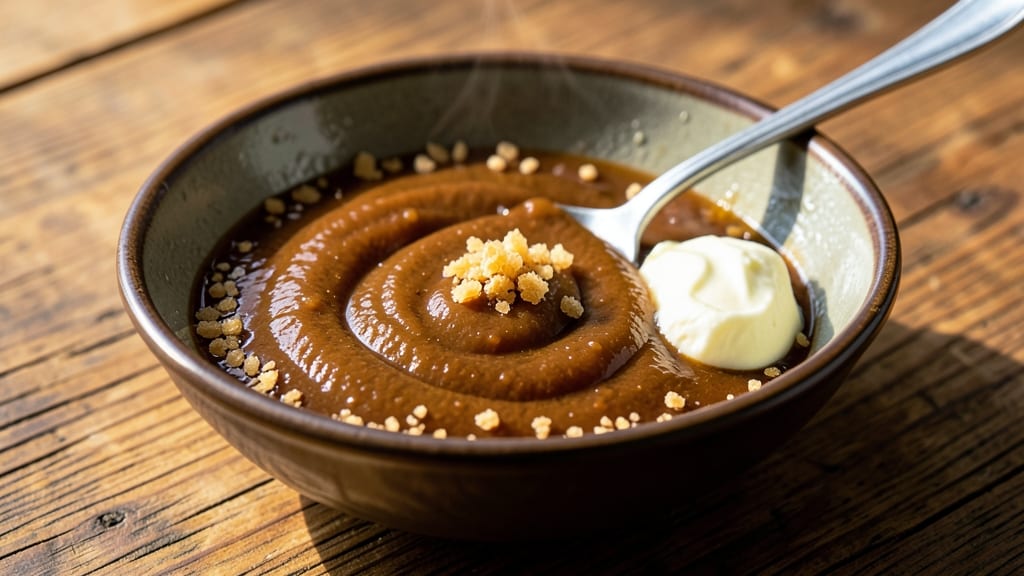
When you want brisket sauce that sticks like Aaron Franklin’s original—smoky-sweet, velvety, and packed with that signature Texas BBQ punch—this is the recipe that delivers.
I’ve spent years perfecting the balance of tang, heat, and caramelized depth that makes Franklin’s sauce unforgettable, and this version captures it in every spoonful. The key lies in slow-simmered molasses and a blend of vinegars that cut through the richness without overpowering the meat’s natural flavor.
This sauce isn’t just for slathering on brisket—it’s a glazing powerhouse that works as a marinade, a basting sauce, or a finishing drizzle for pulled pork or ribs.
The recipe calls for just 10 ingredients, all pantry staples, and takes about 45 minutes of active time (plus simmering) to develop that deep, caramelized complexity.
No shortcuts here: the molasses and brown sugar caramelize into a sticky, glossy finish, while the black pepper and cayenne add just enough heat to wake up your taste buds.
The result is a sauce that clings to meat like a second skin, delivering layers of flavor with every bite—smoky from the vinegar, sweet from the molasses, and tangy from the ketchup base.
It’s the kind of sauce that turns a simple smoked brisket into a restaurant-quality centerpiece, and it keeps beautifully in the fridge for up to 3 weeks or freezes for 6 months for whenever cravings strike.
Whether you’re smoking a brisket or glazing chicken wings, this sauce elevates everything it touches.
Ready to make it? Here’s everything you’ll need—and trust me, once you taste the difference, you’ll never go back to store-bought again.
Ingredients for aaron franklin brisket bbq sauce
Ten pantry staples transform into sauce that rivals Franklin’s iconic brisket glaze.
| Ingredient | Amount | Notes |
|---|---|---|
| Ketchup 🍅 | 1 ½ cups | High-quality, not low-sodium |
| Apple Cider Vinegar 🍎 | ½ cup | Unfiltered for depth of flavor |
| Black Vinegar 🍶 | ¼ cup | Asian black vinegar for smokiness |
| Unsalted Butter 🧈 | ½ cup | Cold, cubed for slow melting |
| Light Brown Sugar 🍚 | ¾ cup | Packed, for caramelization |
| Molasses 🍯 | ½ cup | Unsulphured for authentic flavor |
| Garlic Cloves 🧄 | 6 cloves | Fresh, peeled, roughly chopped |
| Ground Black Pepper 🌶️ | 1 tsp | Freshly cracked for heat |
| Cayenne Pepper 🔥 | ½ tsp | Adjust for desired heat level |
| Diamond Crystal Kosher Salt 🧂 | 1 ½ tsp | For seasoning balance |
The vinegars are non-negotiable—apple cider vinegar brings tang, while Asian black vinegar delivers that signature smoky depth. Grab unfiltered apple cider vinegar from the bulk section at Whole Foods or Trader Joe's for maximum flavor. Molasses should be unsulphured (check the label)—the sulphured kind tastes bitter. I always double-check the brown sugar is packed, not scooped, for consistent caramelization. The butter? Cold cubes melt slower, creating a velvety texture. If you’re in a pinch, use European-style butter—it has more fat content, which helps with that glossy finish.
No black vinegar? Balsamic vinegar at half the amount works in a bind, though it won’t be identical. Short on molasses? Dark corn syrup at the same quantity mimics the sweetness, but the sauce will lack depth. The ketchup can be swapped for tomato paste (0.75 cup) plus 0.5 cup water, but you’ll lose some tang. For the peppers, smoked paprika (1 tsp) plus cayenne adds complexity. The garlic? Roast it first (400°F for 10 minutes) to mellow the flavor—trust me, it makes a difference. And if you’re worried about the heat, start with just 0.25 tsp cayenne and adjust to taste.
This sauce gets better with time—simmer it for at least 45 minutes to develop those caramelized notes. Store in a glass jar in the fridge for up to 3 weeks (it thickens as it cools, so stir before using). For longer storage, freeze in ice cube trays—thaw and whisk back to perfection. The sauce thickens further when reheated, so add a splash of water if needed. Leftovers? Slather on smoked wings, drizzle over pulled pork, or use as a marinade—it’s that versatile.
Why You'll Love This Recipe
- Five-Ingredient Magic: I swear, this sauce comes together with things you already own—no fancy shopping required. The black vinegar alone adds that deep, smoky backbone, while the butter smooths out the tang into something dangerously good.
- Smoky-Sweet Balance: That perfect harmony of sweet (brown sugar), tangy (apple cider vinegar), and funky (black vinegar) hits every time. It’s not too cloying, not too sharp—just rich, complex flavor that makes brisket taste like it’s been slow-smoked for days.
- Weeknight Hero: Slather it on sandwiches, drizzle it over baked beans, or toss it with roasted potatoes. Honestly, I’ve even used it as a glaze for chicken thighs in a pinch—it’s that versatile. No excuses for boring meals.
- Leftovers That Shine: This sauce keeps for weeks in the fridge, and it only gets better as the flavors meld. I make a double batch every time so I’ve got it ready for last-minute BBQs or when the craving hits at 2 AM. (Yes, it’s happened.)
Step-by-step instructions for Aaron Franklin's brisket BBQ sauce
Here's how to craft that signature smoky-sweet sauce with depth that lingers.
Melt Butter and Bloom the Spices
In a heavy-bottomed saucepan, melt the 0.5 cup unsalted butter over medium-low heat. Let it foam and settle completely—this prevents burning when we add the garlic. Once the butter has melted into a smooth liquid (about 3-4 minutes), add the 6 cloves garlic cloves and sauté for 2-3 minutes until they're just beginning to turn golden. You'll smell that sweet, nutty aroma—this is where the sauce gets its foundation.
I like to keep the garlic cloves whole at this stage so they infuse the butter without burning. If they start to brown too quickly, reduce the heat slightly. Next, add the 1 tsp ground black pepper and 0.5 tsp cayenne pepper, stirring constantly for 30 seconds to bloom the spices. This step ensures the flavors meld properly before we add the liquids.
Combine Vinegars and Sweeteners
Pour in the 0.5 cup apple cider vinegar and 0.25 cup black vinegar, stirring vigorously to deglaze the pan. The vinegars will bubble vigorously as they react with the butter—this is normal. Let the mixture simmer gently for 2-3 minutes until it reduces slightly by about 25%. You're looking for a syrupy consistency that coats the back of a spoon.
Now add the 0.75 cup light brown sugar and 0.5 cup molasses, stirring constantly to dissolve completely. The molasses will darken the mixture immediately, giving it that deep, rich color Aaron Franklin's sauce is known for. If any sugar crystals remain undissolved, increase the heat briefly to help them melt. This is where the sauce gets its signature balance of sweet and smoky depth.
Incorporate Ketchup and Simmer
Add the 1.5 cups ketchup, stirring well to combine with the other ingredients. The ketchup will thin the mixture slightly, so let it simmer uncovered over medium heat for 10-12 minutes. You want the sauce to reduce until it thickens noticeably—it should coat the back of a spoon but still be pourable. Stir occasionally to prevent sticking, and use a wooden spoon to scrape up any browned bits from the bottom of the pan.
Here's the thing—don't rush this step. The longer you let it simmer, the more complex the flavors become. You'll notice the aroma changing from vinegary to rich and caramelized. Taste as you go, but remember that the sauce will continue to thicken as it cools. The perfect consistency is somewhere between a thick glaze and a loose sauce.
Season and Rest
Remove the sauce from heat and stir in the 1.5 tsp diamond crystal kosher salt. Let it cool slightly for 5-10 minutes, then taste and adjust the seasoning if needed. You might need a bit more salt to balance the sweetness, especially if you used a high-quality molasses that's particularly strong. The sauce should be sweet, smoky, and just slightly tangy with a hint of heat from the cayenne.
For best results, let the sauce rest at room temperature for at least 1 hour before using. This allows all the flavors to fully meld together. If you're not using it immediately, transfer to a clean jar and refrigerate for up to 2 weeks. The sauce will thicken further as it cools, so you may need to thin it with a splash of water or apple cider vinegar when you're ready to use it.
Pro Tips For Making Aaron Franklin Brisket Bbq Sauce
- Simmer Slow and Low: This sauce isn’t a race—keep it at a gentle bubble (not a rolling boil) for at least 30 minutes. I used to rush it, and the flavors never married right; patience lets the vinegars mellow and the sugar caramelize properly.
- Whisk in Butter Last: Add that unsalted butter only in the final 5 minutes, off direct heat if possible. Cold butter clumps like a mess, and you’ll end up with a greasy glop instead of a glossy finish. Let it melt into the sauce while stirring constantly.
- Strain the Black Vinegar: Skip the sediment—unless you’re going for a gritty texture, which you’re not. Strain the black vinegar through a fine-mesh sieve before adding it; that extra step keeps your sauce silky, not sandy. (Yes, it’s a pain, but your taste buds will notice.)
- Taste as You Go: Adjust acidity (vinegars) and sweetness (sugar) in stages, not all at once. I learned this after making a batch that was either too sharp or cloying—now I taste after 15 minutes, then again at 30. Balance is everything, and you can’t fix it later.
Storing and reheating this aaron franklin brisket bbq sauce
Refrigerator Storage
Store your Aaron Franklin-inspired brisket sauce in a glass jar with an airtight lid—I use Ball Mason jars for their durability. Keep it refrigerated at 40°F or below for up to 3 weeks.
The sauce will thicken as it cools, so give it a good stir before each use. Honestly, the flavors deepen overnight, making it even more complex for your next smoked meat session. 🥫
Freezer Preservation
For longer storage, freeze the sauce in ice cube trays—this makes it easy to thaw just what you need. Once frozen, transfer the cubes to a freezer-safe bag and flatten to remove air. Thaw overnight in the fridge, then whisk to restore that silky texture.
I’ve kept sauce this way for 6 months without losing any of its signature smoky-sweet punch. Perfect for when you’re craving that Franklin-style flavor but don’t want to make a fresh batch. ❄️
Reheating for Glazing
When reheating, use a heavy-bottomed saucepan over medium-low heat—never microwave, as it can make the sauce grainy. Add 1-2 tablespoons of water or apple cider vinegar to thin it out if needed. Stir constantly until it reaches 160°F, then taste and adjust seasoning.
I like to add a pinch of smoked paprika when reheating to boost that smoky aroma. This method keeps the sauce’s glossy finish intact for glazing. 🔥
Thinning for Drizzling
If your sauce has thickened too much, thin it with 1 teaspoon of water or vinegar at a time until you reach your desired consistency.
For drizzling over pulled pork or ribs, I aim for a light syrup consistency—it should coat the back of a spoon but still flow freely. The key is patience; let it cool slightly between additions to avoid over-thinning. This technique ensures every drop clings perfectly to your meat. 💫
Marinade Adaptation
To use this sauce as a marinade, thin it with equal parts water or beef broth until it reaches a thin syrup consistency. Pour into a ziplock bag with your protein (like chicken thighs or pork shoulder), seal, and marinate for 4-12 hours in the fridge.
The acidity in the vinegar tenderizes the meat while infusing it with that iconic Franklin flavor. Just don’t over-marinate—tender meat is the goal, not mushy. 🍗
Basting Technique
For basting brisket or ribs, use a pastry brush to apply the sauce in thin, even layers every 30-45 minutes during the last 2 hours of cooking. The high heat will caramelize the sugars, creating a glossy crust.
I like to baste right after spritzing with apple cider vinegar—this keeps the meat moist while building layers of flavor. The result? A crust that’s sticky, sweet, and packed with that signature smoky depth. 🌟
Nutrition facts
Frequently asked questions
What makes this sauce different from store-bought BBQ sauces?
This recipe captures Aaron Franklin's signature smoky-sweet balance with authentic ingredients like black vinegar and unsulphured molasses that store-bought versions often skip. The slow simmering develops deep caramelized notes, while the butter creates a velvety texture that clings to meat like a second skin. It's not just sweet—it's complex, with layers of tang from the vinegars and subtle heat from the cayenne.
Can I make this sauce without black vinegar?
Yes! Substitute 0.25 cup balsamic vinegar for the black vinegar, though it won't be identical. For extra smokiness, add 1 teaspoon smoked paprika to the spice mix. The sauce will still deliver that signature Franklin tang, just with a slightly different depth. The key is balancing the vinegar's acidity with the molasses and sugar.
How do I know when the sauce is done simmering?
The sauce is ready when it coats the back of a spoon but remains pourable—about 45-60 minutes of simmering. You'll notice the aroma shift from vinegary to rich and caramelized, and the color will deepen to a glossy amber. Taste it before removing from heat: it should be sweet, smoky, and just slightly tangy with a hint of heat. The sauce will thicken more as it cools, so don't over-reduce it.
Can I use this sauce on foods other than brisket?
This versatile sauce works as a glaze for ribs, chicken wings, or even grilled vegetables. For marinades, thin it with equal parts water or broth and use on chicken thighs or pork shoulder. The key is patience—let it rest 1 hour before using to let flavors meld. It also makes an amazing dipping sauce for fries or cornbread!
Why does my sauce turn out too sweet or too tangy?
Adjust the balance by adding 1 teaspoon of vinegar for more tang or 1 teaspoon of brown sugar for extra sweetness. The molasses and sugar caramelize during simmering, so taste as you go. For tang control, use apple cider vinegar only if you prefer milder acidity. The sauce should taste sweet, smoky, and just slightly tangy—like a perfect brisket bite.