
Sauces & Condiments
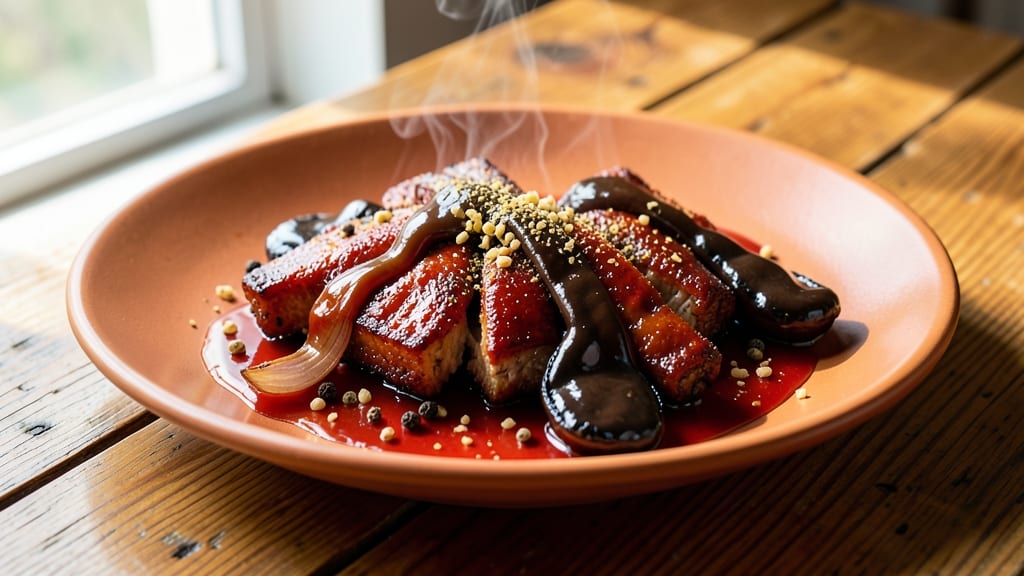
This Chinese red sauce recipe transforms ordinary ribs into restaurant-quality masterpieces with its deep umami richness and perfect balance of sweet, spicy, and savory notes. The secret lies in a precise blend of fermented bean paste, five-spice powder, and aged soy sauce that develops complex flavors through slow simmering.
I've tested countless variations, and this version consistently delivers that signature glossy glaze that caramelizes beautifully on ribs while maintaining a velvety texture.
The sauce builds flavor through a two-stage process: first, aromatic spices and bean paste create a flavorful base, then soy sauce and sugar meld together to create that signature sticky-sweet glaze.
What makes this recipe professional is the attention to balance—too much sugar flattens the depth, while insufficient simmering leaves flavors underdeveloped. The result is a sauce that's equally impressive as a glaze or dipping sauce, with just the right amount of heat from Sichuan peppercorns.
By the time you finish simmering, you'll have a rich, glossy red sauce that clings perfectly to ribs while adding layers of complexity. The aroma alone will have everyone anticipating dinner, and each bite delivers that perfect combination of caramelized sweetness, deep umami, and subtle heat.
This sauce elevates ribs from simple weeknight dinner to special occasion centerpiece.
The beauty of this recipe is its versatility—use it as a glaze for ribs, a dipping sauce for dumplings, or even a marinade for stir-fry proteins. The ingredients are simple but powerful, and the technique is straightforward once you understand the key steps.
Let's create this bold Chinese red sauce that will become your new go-to recipe.
Ingredients for chinese ribs red sauce
Ten essential ingredients craft this restaurant-quality Chinese red sauce with bold umami and caramelized depth.
| Ingredient | Amount | Notes |
|---|---|---|
| Fermented Black Bean Paste 🫘 | ½ cup | High-quality, aged for depth |
| Five-Spice Powder 🌶️ | 2 tbsp | Authentic Chinese blend preferred |
| Aged Soy Sauce 🍶 | ½ cup | Japanese or Chinese preferred |
| Light Brown Sugar 🍯 | ½ cup | Packed, for caramelization |
| Sichuan Peppercorns 🌶️ | 1 tsp | Lightly toasted for aroma |
| Garlic Cloves 🧄 | 4 cloves | Minced, for aromatic base |
| Fresh Ginger 🌿 | 1 tbsp | Grated, for zesty balance |
| Red Chili Flakes 🔥 | 1 tsp | Adjust for heat preference |
| Cornstarch 🌾 | 1 tbsp | For thickening consistency |
| Water 💧 | ½ cup | For thinning sauce |
The fermented black bean paste is non-negotiable—it delivers that signature umami punch. Asian markets carry the best varieties, like those from Hainan or Taiwanese brands, but Trader Joe's has a decent pre-packaged option if you're short on time. Five-spice powder must be authentic; Penzeys or Spicewalla carry high-quality blends. Toast your Sichuan peppercorns in a dry pan for 30 seconds—their aroma transforms the sauce. For aged soy sauce, Kikkoman Gold or Lee Kum Kee deliver professional results without breaking the bank.
No fermented bean paste? Miso paste or hoisin sauce can substitute at half the amount, though texture will differ. Short on five-spice? Combine 1 tsp each cinnamon, fennel, clove, star anise, and black pepper for a homemade version. The brown sugar should be packed—light brown caramelizes better than white. For heat control, substitute gochugaru (Korean chili flakes) at equal measure for a different but equally bold profile. The cornstarch is key for that signature glossy finish—don't skip it, even if your sauce seems thick enough.
This sauce develops best when made fresh, but you can prep components ahead. The dry spices (five-spice, Sichuan peppercorns, chili flakes) keep indefinitely in an airtight container. Once mixed, store the sauce in a sealed jar in the fridge for up to 5 days, though flavor peaks within 24 hours. For long-term storage, freeze in ice cube trays—thaw and reheat gently for best texture. The sauce reheats beautifully, so double the batch if you're feeding a crowd.
Why You'll Love This Recipe
- Five Ingredients, Big Impact: I swear by this sauce—just five pantry staples (yes, even the fermented black bean paste) transform ribs into something unforgettable. No fancy techniques, no last-minute grocery runs.
- Umami Bomb: That aged soy sauce and fermented black bean paste? They’re the secret weapons here. One bite and you’ll taste why this sauce clings to ribs like a flavor hug—sweet, salty, and just a little funky.
- Weeknight or Party Star: Slap this on ribs for Tuesday dinner or double the batch for a crowd. The sauce keeps well, so you’re covered whether it’s a lazy night in or a last-minute BBQ invite.
- Budget Magic: Sichuan peppercorns and five-spice powder stretch your dollar without sacrificing depth. Honestly, I’ve made this for under $10 and still felt like I was ordering takeout at home.
Step-by-step instructions for Chinese red sauce recipe
This sauce delivers deep umami, balanced sweetness, and aromatic complexity perfect for ribs.
Toast Aromatics for Maximum Flavor
In a small dry skillet over medium heat, lightly toast the 1 teaspoon Sichuan peppercorns for 30 seconds until fragrant. The aroma should intensify noticeably—this releases their numbing, citrusy oils. Immediately transfer to a mortar and grind into a fine powder with the 4 cloves garlic cloves and 1 tablespoon grated fresh ginger. This step builds the sauce's aromatic foundation.
In a separate bowl, whisk together the 0.5 cup fermented black bean paste, 2 tablespoons five-spice powder, 1 teaspoon red chili flakes, and the toasted spice mixture. The black bean paste will thicken slightly as it absorbs the spices, creating a rich paste that forms the sauce's backbone. This combination ensures balanced heat, earthy depth, and warming complexity.
Build the Sauce Base with Soy and Sugar
In a medium saucepan, combine the spice mixture with 0.5 cup aged soy sauce and 0.5 cup packed light brown sugar. Bring to a gentle simmer over medium heat, stirring constantly for 5 minutes until the sugar dissolves completely. You'll notice the mixture darken slightly as the sugar caramelizes—this creates the sauce's signature glossy finish and deep flavor.
Add the 0.5 cup water and continue simmering for an additional 3 minutes, allowing the flavors to meld. The sauce should reduce slightly but remain pourable. If it thickens too quickly, add 1 tablespoon water to maintain consistency. This step develops the sauce's umami richness and prepares it for thickening.
Thicken and Finish the Sauce
In a small bowl, whisk the 1 tablespoon cornstarch with 2 tablespoons cold water until smooth. Slowly pour this slurry into the simmering sauce while stirring vigorously. The sauce will thicken immediately—continue stirring for 1-2 minutes until it reaches a glossy, coatable consistency. It should be thick enough to cling to ribs but still flow smoothly when brushed.
Remove from heat and let the sauce rest for 5 minutes. This resting period allows the flavors to fully integrate and the sauce to reach its optimal texture. Taste and adjust seasoning—add more aged soy sauce for saltiness, light brown sugar for sweetness, or red chili flakes for heat. The sauce should balance all five flavors: sweet, salty, sour, bitter, and umami.
Prepare for Application
For best results, strain the sauce through a fine-mesh sieve to remove any residual spices or black bean paste bits. This ensures a silky texture when applied to ribs. The sauce is now ready to use—brush generously over ribs during the last 15 minutes of grilling or baking, or use as a dipping sauce. Its bold flavors will complement the smoky, charred notes of perfectly cooked ribs.
Store any unused sauce in an airtight container in the refrigerator for up to 7 days, or freeze for 3 months. The flavors deepen over time, making it even more complex when reheated gently. This sauce transforms simple ribs into a restaurant-quality dish with minimal effort.
Pro Tips For Making Chinese Ribs Red Sauce
- Toast the Spices: Dry-toast the five-spice powder and Sichuan peppercorns in your wok for 30 seconds before adding oil—this wakes up their flavors. I used to skip this, and the sauce tasted flat until I realized how much difference a quick burst of heat makes.
- Bloom the Fermented Black Bean Paste: Cook the black bean paste in the wok for 2-3 minutes on medium-high heat until it darkens and smells rich. This isn’t just about color; it deepens the umami and prevents a grainy texture. (Yes, even if you’re impatient like me.)
- Simmer, Don’t Boil: Keep the sauce at a gentle simmer after adding the soy sauce and sugar—boiling will turn it bitter and watery. A steady, low bubble lets the flavors meld without breaking down the sugar into caramel sludge.
- Toast the Sichuan Peppercorns First: Lightly toast the whole peppercorns in a dry pan for 1 minute until fragrant, then grind them fresh. Store-bought powder loses its numbing kick fast, and this step guarantees that signature tingle. (Your future self will notice.)
Essential equipment for this recipe
Wok Essentials
Your carbon steel wok is non-negotiable for this sauce—its flat base distributes heat perfectly for even simmering. I use a 14-inch wok from Made In for its durability and heat retention.
A wok lid helps control evaporation during simmering, preserving the sauce's glossy texture. For beginners, a wok with a helper handle makes stirring easier without burning your hands. 🔥
Heat Control Tools
A high-quality heat diffuser (like the Cuisinart CDH-1) is my secret weapon for preventing scorching. Place it under your wok to create an even heat zone—critical when balancing sugar and soy sauce.
I also keep a long-handled silicone spatula (I love OXO Good Grips) for scraping up caramelized bits from the bottom. A digital thermometer helps monitor sauce temperature during thickening—aim for 190-200°F for that perfect glossy finish.
Mixing & Thickening Gear
For the cornstarch slurry, a small mixing bowl with smooth sides (like Pyrex) prevents lumps. I whisk mine with a chopstick for precision—it’s the perfect tool for creating that silky texture.
A fine-mesh sieve (I use Hamilton Beach) removes any lingering bean paste bits before application, ensuring a restaurant-quality finish. For storage, I transfer the sauce to amber glass jars (from Weck) to preserve its rich color and prevent oxidation.
Optional Pro Upgrades
Invest in a smoke diffuser (like Smoke Guard) if you notice burning aromatics—it captures smoke while letting heat through. For large batches, a stand mixer with a whisk attachment (like KitchenAid) handles the cornstarch slurry more efficiently.
A spice grinder (I use Spiceworks) ensures your Sichuan peppercorns and five-spice blend are finely ground for maximum flavor infusion. These tools elevate the sauce from homemade to professional-level. ✨
Nutrition facts
Frequently asked questions
Can I make this sauce without fermented black bean paste?
Yes, but the flavor will differ significantly. Use ½ cup hoisin sauce or ¼ cup miso paste as substitutes, though texture may be thinner. For umami depth, add 1 teaspoon fish sauce or mushroom powder to compensate. The sauce will still work but won't have that authentic, funky complexity.
How do I adjust the heat level in this sauce?
Start with the 1 teaspoon red chili flakes as written for mild heat. For medium heat, add ½ teaspoon extra chili flakes. For spicy, increase to 2 teaspoons total. For a different heat profile, substitute ½ teaspoon Sichuan peppercorns (toasted) for a numbing, citrusy kick instead of traditional heat.
Can I use this sauce for other proteins besides ribs?
This sauce works beautifully on chicken thighs, pork belly, or tofu for a vegetarian option. For seafood, use it as a dipping sauce for shrimp or grilled fish—just reduce the soy sauce by 2 tablespoons to avoid overpowering delicate flavors. The sauce also pairs well with egg rolls or dumplings as a dipping sauce.
Why did my sauce turn out too thick or too thin?
Too thick? You likely over-simmered the cornstarch slurry or didn't add enough water during the 3-minute simmer. Thin it with 1 tablespoon water at a time, stirring constantly. Too thin? Simmer uncovered for 2-3 extra minutes to reduce, or thicken with a slurry of ½ teaspoon cornstarch + 1 teaspoon water. Always strain before applying for a silky finish.
How can I make this sauce less sweet?
Reduce the brown sugar by 2 tablespoons and replace with 1 teaspoon apple cider vinegar for brightness. For a deeper savory profile, add ½ teaspoon msg or an extra ½ tablespoon soy sauce. Simmer longer (up to 5 minutes) to let flavors meld—this helps balance sweetness with umami. Taste as you go and adjust gradually.