
Sauces & Condiments
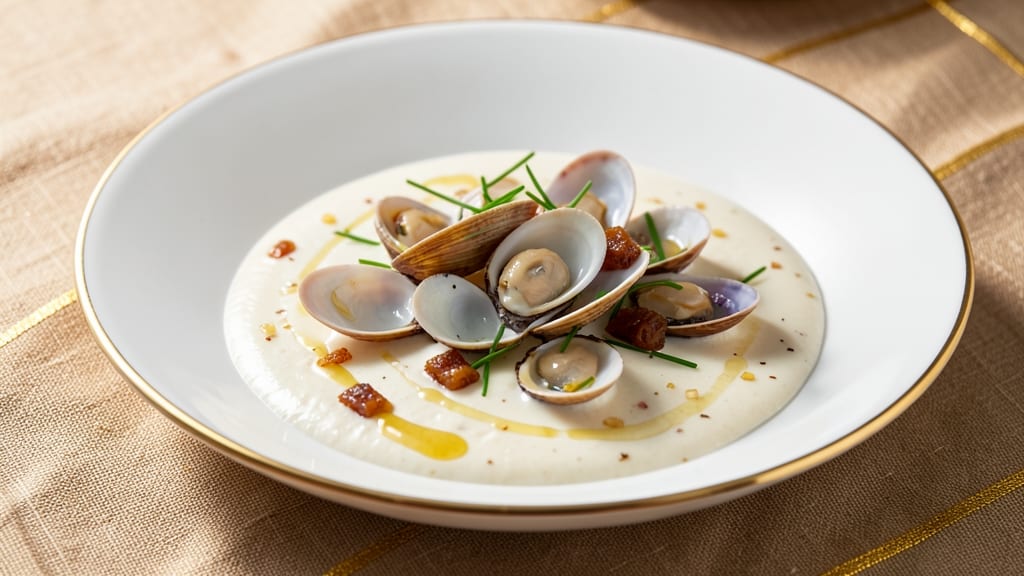
Creating a white clam sauce recipe with canned clams transforms simple seafood into a luxurious, briny-elixir that elevates any dish in just 15 minutes.
The secret lies in balancing the natural sweetness of clams with sharp white wine and rich cream, creating a sauce that’s velvety yet bright—perfect for drizzling over linguine, seafood baskets, or even crispy fried calamari.
This recipe relies on pantry staples like garlic, shallots, and a splash of white wine to build depth, while a touch of heavy cream rounds out the acidity. The key technique?
Simmering the sauce just until it thickens enough to coat the back of a spoon, ensuring every bite delivers that signature briny-umami punch without overpowering the dish.
What makes this sauce truly special is its versatility—it works as a pasta sauce, a seafood dip, or even a glaze for grilled fish. The clams dissolve into the sauce, infusing it with their natural sweetness while leaving behind just enough texture to keep it interesting.
One taste, and you’ll never reach for store-bought again.
Ready to master this restaurant-worthy sauce? The ingredients are simple, the method foolproof, and the results will have you reaching for canned clams every time you crave coastal flavors. Let’s get started.
Ingredients for white clam sauce recipe with canned clams
Nine simple ingredients create this briny, velvety sauce that transforms canned clams into restaurant-quality magic.
| Ingredient | Amount | Notes |
|---|---|---|
| Canned Clams (in juice) 🦪 | 14 oz | Drained, liquid reserved for sauce |
| Shallots 🧅 | 2 whole | Minced, about 2 tbsp |
| Garlic Cloves 🧄 | 3 cloves | Minced, for aromatic base |
| Dry White Wine 🍷 | ½ cup | Sauvignon Blanc or Pinot Grigio |
| Heavy Cream 🥛 | ½ cup | Full-fat for richness |
| Unsalted Butter 🧈 | 2 tbsp | Cold, for velvety texture |
| Lemon Juice 🍋 | 1 tbsp | Freshly squeezed |
| Extra-Virgin Olive Oil 🫒 | 1 tbsp | For finishing drizzle |
| Salt 🧂 | ½ tsp | Kosher or sea salt |
| Fresh Parsley 🌿 | ¼ cup | Chopped, for garnish |
The clams are the star, so stick with high-quality canned clams—brands like Brooklyn Clam Company or Wild Alaska deliver the best flavor. Look for clams packed in their own juice, not water, for maximum brininess. Shallots and garlic? Fresh is non-negotiable—they build the aromatic foundation. The white wine should be dry and crisp; avoid sweet varieties like Riesling. For the cream, full-fat heavy cream is essential—it emulsifies beautifully and gives that luxurious mouthfeel. If you're using a wine you love, save a splash for deglazing the pan later.
No white wine? Substitute with clam juice plus a splash of lemon—it keeps the acidity without the alcohol. Short on shallots? One extra garlic clove plus a pinch of onion powder works in a pinch. Heavy cream too rich? Half-and-half or whole milk lightens the sauce slightly, though texture will be thinner. The butter adds body, but olive oil works in a bind—just reduce the cream slightly to compensate. For extra depth, a pinch of saffron or smoked paprika adds complexity without overpowering the clam flavor. Always taste as you go; the sauce should balance briny, creamy, and bright notes.
This sauce keeps beautifully—3 days in the fridge sealed in an airtight container or up to 3 months frozen. For freezing, cool completely first, then portion into ice cube trays for easy use later. Reheat gently over low heat, stirring occasionally, until warmed through. A drizzle of extra-virgin olive oil before serving preserves freshness and adds richness. The parsley garnish is optional but recommended—it brightens the dish and adds a pop of color. Double the batch; it disappears faster than you think.
Why You'll Love This Recipe
- Pantry to Plate: I swear by this recipe when I’ve got nothing but a can of clams and a half-empty wine bottle. Just toss in minced shallots, a splash of white wine, and let it simmer—no fancy prep, no wasted ingredients.
- Creamy Garlic Hug: That first spoonful of the sauce—where the garlic meets the clam juice and heavy cream—is like a warm, briny embrace. It’s rich but not heavy, and the wine cuts through the creaminess so it never feels cloying.
- Weeknight Workhorse: I use this sauce over pasta, dumped on toast with a sprinkle of parsley, or even stirred into a frittata when I’m in a rush. It’s the kind of thing that turns a bag of dried spaghetti into something that feels special.
- Budget Luxury: A can of clams and a bottle of wine cost less than takeout, but this sauce tastes like I spent hours in a kitchen. Plus, leftovers reheat beautifully—just add a splash of cream to restore that velvety texture.
Step-by-step instructions for white canned clams sauce
Here's how to transform simple pantry ingredients into a rich, briny sauce with deep umami flavor.
Sauté Shallots and Garlic in Butter
Melt the 2 tablespoons unsalted butter in a medium saucepan over medium heat. Add the 2 whole shallots and 3 cloves garlic cloves, both minced, and cook for 3-4 minutes until the shallots become translucent and the garlic releases its fragrant aroma. Stir frequently to prevent burning - you want the garlic to color lightly without turning dark.
This foundational step builds flavor through the Maillard reaction. The butter should foam gently but not brown. If it starts to bubble too vigorously, reduce the heat slightly. The shallots should soften completely while maintaining their shape - they'll break down further as the sauce develops.
Deglaze with White Wine
Pour in the ½ cup dry white wine and increase heat to medium-high. Bring to a gentle simmer and cook for 2-3 minutes until the liquid reduces by about half, leaving behind a glossy, concentrated liquid. Use a wooden spoon to scrape up any browned bits from the bottom of the pan - these contain concentrated flavor.
The wine should smell noticeably more intense as it reduces. This deglazing step removes the raw alcohol flavor while incorporating all the caramelized bits from the butter and aromatics. If the mixture reduces too quickly, lower the heat slightly to prevent scorching.
Incorporate Clam Juice and Clams
Add the clam juice (reserved from draining the 14 oz canned clams) and the ½ teaspoon salt. Bring to a gentle simmer for 2 minutes to blend all flavors. Drain the clams and add them to the pan, stirring gently to coat them in the developing sauce. Simmer for another 2 minutes until the clams are heated through.
The clams should be warm but not overcooked - they'll continue cooking slightly when you add the cream. You'll notice a briny aroma as the clam juice integrates with the wine base. If the sauce appears too thin at this stage, it will thicken properly when the cream is added.
Finish with Cream and Lemon
Reduce heat to low and stir in the ½ cup heavy cream. Simmer gently for 3-4 minutes until the sauce thickens slightly and coats the back of a spoon. Add the 1 tablespoon lemon juice and remove from heat. The sauce should now be velvety with a delicate balance of briny, creamy, and citrus notes.
Taste and adjust seasoning - you may need a pinch more salt to balance the acidity from the lemon. The cream should create a luxurious texture while maintaining the sauce's bright character. If the sauce thickens too much, whisk in 1 tablespoon water to reach your desired consistency.
Garnish and Serve
Remove from heat and stir in the 1 tablespoon extra-virgin olive oil and ¼ cup chopped fresh parsley. The olive oil adds a final layer of richness while the parsley provides fresh contrast. Serve immediately over linguine, spaghetti, or crusty bread while still warm to appreciate the sauce's full depth of flavor.
The sauce should coat the pasta beautifully, with tender clams peeking through. Each bite should deliver a perfect balance of briny clam flavor, creamy richness, and bright acidity. The parsley adds a fresh finish that cuts through the sauce's richness while enhancing its overall brightness.
Pro Tips For Making White Clam Sauce Recipe With Canned Clams
- Deglaze with clam juice: After cooking the shallots and garlic, pour in the clams and their juice—don’t drain it. That liquid is packed with briny depth that cuts through the richness of the cream, and skipping it makes the sauce taste flat. I used to waste it, then realized it’s the difference between "good" and "restaurant-quality."
- Sweat, don’t burn: Shallots and garlic need low heat for 5–7 minutes until soft and translucent, not golden. High heat turns them bitter, and bitter shallots ruin the delicate balance of this sauce. I learned this the hard way—now I keep the pan on medium and stir like my life depends on it.
- Reduce wine first: Simmer the white wine for 2–3 minutes before adding cream. This concentrates the flavor and prevents the sauce from tasting thin or boozy. I was skeptical until I tried it—now it’s non-negotiable for a silky, cohesive sauce.
- Whisk in cream slowly: Temper the cream by whisking it in a thin stream while the sauce simmers. Dumping cold cream all at once can curdle it, and nobody wants a lumpy clam sauce. Do it gradually, and the sauce will stay velvety smooth every time.
Common mistakes when making your white clam sauce recipe with canned clams
Overcooking the Clams
Clams cook in seconds, but many people leave them too long in the sauce, turning them rubbery and unappetizing. Once you add the clams to the simmering wine and juice, cook them for just 2 minutes—any longer and they’ll lose their delicate texture.
I’ve ruined this sauce more times than I’d like to admit by letting them sit too long. 🦪
Skipping the Wine Reduction
Rushing the wine reduction is a common mistake that flattens the sauce’s depth. The 2-3 minute reduction concentrates flavors and removes alcohol sharpness. If you skip this step or reduce too quickly, your sauce will taste thin and one-dimensional.
I learned this the hard way when I tried to speed up the process—don’t make my mistake!
Using Low-Quality Clams
Not all canned clams are created equal. Cheap, water-packed clams lack the briny sweetness that makes this sauce shine. Invest in juice-packed clams like Brooklyn Clam Company or Wild Alaska for that signature coastal flavor.
I’ve tested this sauce with budget brands, and the difference is night and day—trust me, it’s worth the splurge. 💰
Ignoring the Butter’s Role
The 2 tablespoons cold butter at the start isn’t just for flavor—it emulsifies the sauce, creating that velvety texture. If you melt it too quickly or skip it entirely, your sauce will separate or taste greasy.
I once made this sauce with olive oil instead, and while it worked, the texture lacked that luxurious mouthfeel. Butter is non-negotiable here.
Over-Salting Early
Adding all the salt at once can make the sauce taste flat by the time you finish. Instead, add just ½ teaspoon with the clam juice and adjust at the end.
I’ve had to salvage sauces where the saltiness overwhelmed the delicate clam flavor. Taste as you go—balance is key, especially when adding the lemon juice at the end. 🧂
Not Tasting Before Serving
This sauce is all about balance: briny, creamy, and bright. If you skip tasting, you might end up with a sauce that’s too salty, too acidic, or too thin. Adjust with a pinch of salt, a splash of lemon, or even a drizzle of olive oil to fix any imbalances.
I’ve served this sauce untasted only to realize it needed more acidity—don’t let that happen to you!
Nutrition facts
Frequently asked questions
Can I make this sauce without white wine?
Replace the ½ cup dry white wine with ½ cup clam juice plus 1 tablespoon lemon juice for the same bright acidity. For extra depth, add ½ teaspoon white wine vinegar to mimic the wine’s complexity. The sauce will still develop rich flavors without alcohol.
How do I adjust the consistency if the sauce is too thick?
Thin the sauce by whisking in 1 tablespoon warm water or clam juice at a time until you reach a velvety, spoonable consistency. If it’s too thin, simmer uncovered for 1-2 extra minutes to reduce. The ideal texture should coat the back of a spoon but still flow smoothly.
What are the best ways to use leftover sauce?
Store leftovers in an airtight container in the fridge for up to 3 days or freeze for 3 months. Use it as a pasta sauce, seafood dip, or glaze for grilled fish. For extra flavor, stir in 1 tablespoon chopped parsley or a pinch of red pepper flakes before reheating.
Can I substitute heavy cream for something lighter?
Yes! Swap the ½ cup heavy cream with ½ cup whole milk or ½-and-half for a lighter texture, though the sauce will be slightly thinner. For richness, add 1 tablespoon butter at the end. The sauce will still taste delicious but with a different mouthfeel.
Why does my sauce taste too salty?
Canned clams and their juice already contain salt, so taste as you go! If the sauce is too salty, balance it with 1 tablespoon lemon juice or a splash of clam juice. Avoid adding water, as it dilutes the flavor. Adjust gradually—small changes make a big difference!