
Sauces & Condiments
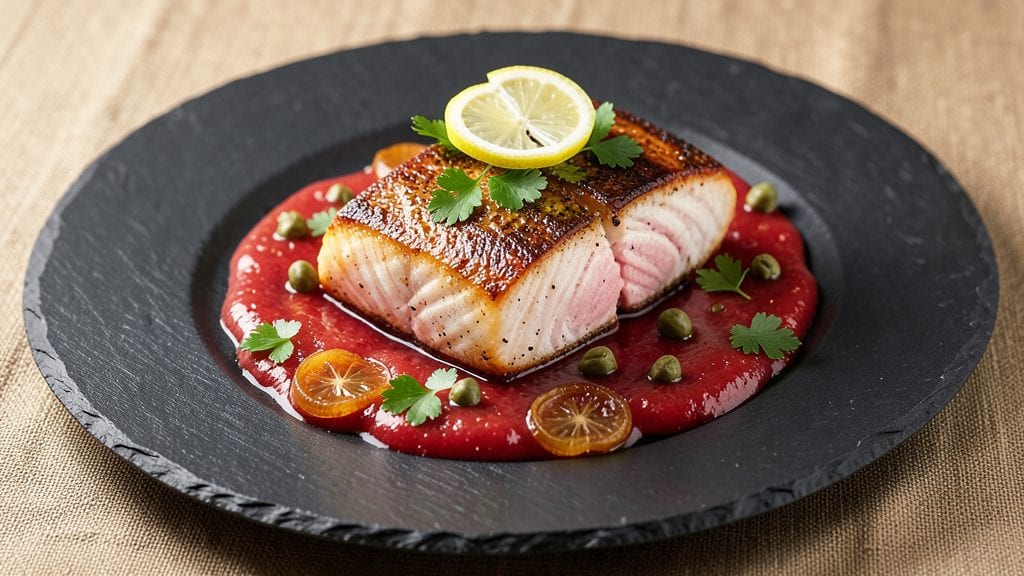
This swordfish sauce recipe transforms simple ingredients into a vibrant, zesty companion that elevates grilled or pan-seared swordfish to restaurant-quality levels. The secret lies in balancing bright citrus with fresh herbs and a touch of white wine, creating a sauce that’s as quick to make as it is impressive.
I developed this recipe after realizing most store-bought options lacked the fresh, lively flavor that swordfish deserves—this version cuts through the fish’s natural richness with a perfect harmony of acidity and aromatic herbs.
The sauce comes together in just 15 minutes using pantry staples and fresh ingredients, making it ideal for weeknight dinners or last-minute entertaining. The base of olive oil, lemon juice, and white wine creates a silky texture, while parsley, capers, and garlic add depth and complexity.
Unlike heavier sauces that can overwhelm delicate seafood, this one enhances rather than masks the swordfish’s natural flavor.
What makes this sauce truly special is its versatility—it works equally well with grilled, pan-seared, or even raw swordfish, whether served as a main course or part of a seafood platter.
The bright citrus and herbal notes cut through the fish’s richness while adding a refreshing contrast. Once you taste the difference, store-bought options will never satisfy again.
Store the sauce in an airtight container in the refrigerator for up to 5 days, or freeze for longer storage. The flavors actually deepen over time, making it perfect for meal prep.
Whether you’re cooking swordfish for a special occasion or a casual dinner, this sauce will transform a simple dish into something extraordinary.
Ingredients for swordfish sauce
Ten ingredients, restaurant-quality sauce—this bright citrus-herb blend transforms swordfish into a showstopper.
| Ingredient | Amount | Notes |
|---|---|---|
| Extra-Virgin Olive Oil 🫒 | ½ cup | High-quality, fruity infusion preferred |
| Fresh Lemon Juice 🍋 | ⅓ cup | Freshly squeezed, no pulp |
| Dry White Wine 🍷 | ¼ cup | Sauvignon Blanc or Pinot Grigio recommended |
| Fresh Flat-Leaf Parsley 🌿 | ½ cup | Finely chopped, stems removed |
| Capers 🫒 | 2 tbsp | Nonpareils, rinsed and drained |
| Garlic Cloves 🧄 | 3 cloves | Minced, fresh preferred |
| Shallots 🧅 | 2 whole | Finely minced, or sub 2 tbsp onion |
| Diamond Crystal Kosher Salt 🧂 | ½ tsp | Adjust to taste |
| Freshly Ground Black Pepper 🌶️ | ¼ tsp | Coarse grind preferred |
| Red Wine Vinegar 🍶 | 1 tbsp | Balances acidity |
The olive oil serves as both a base and emulsifier—look for extra-virgin with a peppery finish like California Olive Ranch or Colavita. Fresh lemon juice is non-negotiable; bottled lacks the vibrant acidity. For the white wine, dry varieties like Sauvignon Blanc add brightness, while Pinot Grigio offers subtle floral notes. Capers should be nonpareils (smaller, more flavorful) and rinsed thoroughly to remove excess brine. Shallots provide delicate sweetness—substitute with red onion if unavailable, but reduce to 1 tbsp minced to avoid overpowering.
No white wine? Substitute with additional lemon juice and 1 tsp apple cider vinegar for acidity. Fresh parsley can be swapped for flat-leaf Italian parsley or cilantro (use 0.25 cup), though flavor will shift slightly. For a salt-free option, omit the kosher salt and use sea salt at half the amount. The red wine vinegar adds complexity—if unavailable, balsamic vinegar at half the quantity works in a pinch. Garlic should be minced finely to avoid texture issues; pre-minced garlic contains anti-browning agents that dull flavor.
This sauce peaks after 24 hours in the fridge—flavors meld beautifully. Store in an airtight glass jar with a thin layer of olive oil on top to preserve freshness. Keeps for 5 days refrigerated or 3 months frozen. For meal prep, portion into ice cube trays—perfect for finishing individual servings. Avoid reheating; serve at room temperature for optimal flavor contrast with swordfish.
Why You'll Love This Recipe
- No-Chop Needed: I swear by this sauce because it’s one of those rare recipes where you can skip the prep work entirely. Just toss in whole capers and parsley stems—they’ll soften and infuse flavor without any fuss. Honestly, I’ve made it while still in my pajamas.
- Bright & Tangy: That lemon juice and white wine combo? It’s the kind of bright, briny punch that makes every bite feel like a little vacation. The capers add these tiny bursts of saltiness, and the olive oil ties it all together so smoothly—no heavy cream, no weird aftertaste.
- Weeknight & Weekend: This sauce works just as well over grilled swordfish for a fancy dinner as it does on toast with a sprinkle of flaky salt. I’ve used it to dress up a simple salad when I’m in a rush, or drizzled it over seared scallops when I’m feeling fancy. It’s the kind of versatile sauce that makes me look like a pro.
- Leftovers That Shine: The best part? It keeps like a dream. I make a big batch, store it in the fridge, and use it for days—on pasta, with roasted veggies, even as a marinade. And because it’s just a few pantry staples, it’s way cheaper than buying pre-made sauces that taste like they came from a can.
Step-by-step instructions for swordfish sauce recipe
This vibrant sauce comes together in minutes with bold Mediterranean flavors.
Sauté Aromatics in Olive Oil
Heat the 0.5 cup extra-virgin olive oil in a medium saucepan over medium heat. Add the 2 whole shallots and 3 cloves garlic cloves, cooking for 3-4 minutes until the shallots soften and become translucent. The garlic should release its aroma without browning—this ensures a bright, not bitter, flavor base.
Watch the pan carefully to prevent burning. Once the shallots are tender and the garlic is fragrant, reduce the heat to medium-low to maintain gentle cooking. This step establishes the foundation for your sauce, where the olive oil carries the flavors while the aromatics develop their sweetness.
Deglaze with Wine and Vinegar
Pour in the 0.25 cup dry white wine and 1 tablespoon red wine vinegar, scraping the bottom of the pan with a wooden spoon to lift any browned bits. Let the mixture simmer for 2-3 minutes until the wine reduces by half and the liquid becomes slightly syrupy. This deglazing step captures all the flavor compounds from the sautéed aromatics.
Here's the thing—don't rush this reduction. The alcohol needs time to cook off, leaving behind a concentrated flavor. You'll notice the aroma intensify as the wine reduces, signaling that the sauce is developing its complexity. If the mixture reduces too quickly, simply lower the heat slightly to control the process.
Add Lemon Juice and Capers
Stir in the 0.33 cup fresh lemon juice and 2 tablespoons capers, bringing the sauce to a gentle simmer. Cook for 2-3 minutes until the lemon juice mellows slightly and the capers soften just enough to release their briny essence. The sauce should now have a balanced acidity with a subtle tang from the lemon and a salty punch from the capers.
Taste the sauce at this stage. You're looking for a bright, citrus-forward flavor with a touch of saltiness. If the acidity feels too sharp, you can add a pinch more of the diamond crystal kosher salt to round out the flavors. The capers should be tender but still retain their texture, not mushy.
Finish with Herbs and Seasoning
Remove the pan from heat and stir in the 0.5 cup finely chopped fresh flat-leaf parsley, along with the 0.5 teaspoon kosher salt and 0.25 teaspoon freshly ground black pepper. Let the sauce sit for 1-2 minutes to allow the parsley to infuse its fresh, grassy notes. This step is where the sauce comes together—herbs brighten the dish, while the salt and pepper balance the acidity.
The parsley should be evenly distributed throughout the sauce, giving it a vibrant green hue. Give the sauce one final taste, adjusting the seasoning if needed. The ideal sauce should be bright, slightly tangy, and well-balanced with a touch of saltiness and herbal freshness. This sauce pairs beautifully with grilled swordfish, drizzled over pasta, or served as a marinade.
Strain and Serve Immediately
For a silky texture, strain the sauce through a fine-mesh sieve into a clean bowl, pressing gently on the solids to extract all the flavor. This step ensures a smooth, elegant sauce without any herb stems or caper seeds. Serve the sauce immediately while it's still vibrant and full of flavor—it won't keep well once cooled.
If you're using the sauce for grilled swordfish, drizzle it generously over the fish just before serving. For pasta, toss it with al dente linguine and finish with a sprinkle of extra parsley. The sauce's bright, citrusy notes complement the rich, firm texture of swordfish perfectly, creating a dish that's both elegant and full of flavor.
Pro Tips For Making Swordfish Sauce
- Reduce the Wine Slowly: Simmer the white wine on medium-low heat until it’s cut by half—don’t rush it. I learned this the hard way when I burned the wine and ended up with a bitter, alcohol-heavy sauce instead of the bright, balanced one you want.
- Pulse, Don’t Chop Parsley: Use the pulse function on your food processor for the parsley—just until it’s finely chopped, not puréed. Over-blending turns it into a paste that clumps in the sauce, and you’ll taste every tiny leaf instead of a smooth, integrated flavor.
- Drain Capers Well: Rinse capers in a fine-mesh strainer and pat them dry with a paper towel before adding them to the sauce. The brine makes the sauce watery, and wet capers just sink instead of popping with texture.
- Finish with Cold Oil: Stir in the final splash of extra-virgin olive oil off the heat—let the sauce cool for 30 seconds first. Adding it hot can turn the oil bitter, and you’ll lose that bright, fruity finish that makes the sauce sing.
Wine and beer pairings for this recipe
White Wine Pairings
This sauce's bright citrus and herbal notes make it a perfect match for crisp, dry white wines like Sauvignon Blanc or Pinot Grigio—the same varieties recommended in the recipe. The Sauvignon Blanc from New Zealand or Loire Valley brings zesty grapefruit and herbal undertones that mirror the sauce's acidity.
I love pairing it with a glass of Cloudy Bay Sauvignon Blanc—its vibrant citrus and grassy notes complement the dish beautifully. 🍷
Rosé Wine Balance
For a lighter option, a dry Provence rosé works wonderfully. The subtle red fruit notes in the wine harmonize with the sauce's lemon and capers, while the acidity keeps the palate fresh.
Look for a Whispering Angel or Château d'Esclans—both offer elegant complexity without overpowering the dish. The rosé's pale hue also makes it a visually stunning pairing for seafood.
Beer Pairings
A crisp Belgian witbier like Hoegaarden or Stella Artois adds a refreshing contrast. The citrusy coriander notes in the beer enhance the sauce's lemon and herbal flavors, while the effervescence cleanses the palate.
For a darker option, try a German Pilsner—its clean, hoppy bitterness balances the sauce's richness without competing. 🍺
Avoid Heavy Options
Skip bold reds or oaky whites—they'll overpower the sauce's delicate brightness. Even a rich Chardonnay with butter notes can clash with the lemon-forward profile. The key is to match the sauce's acidity and freshness with wines or beers that enhance, not dominate, its flavors.
Trust me, your taste buds will thank you!
Non-Alcoholic Pairings
For a mocktail option, try a sparkling lemonade infused with fresh rosemary. The effervescence and citrus mirror the sauce's brightness, while the rosemary adds an herbal depth.
Alternatively, a ginger beer with lime provides a spicy-sweet contrast that works surprisingly well with grilled swordfish. Both options keep the meal refreshing and light.
Serving Temperature
Serve both the sauce and your chosen beverage chilled—around 45-50°F for wine and 40°F for beer. The cold temperature preserves the crispness of the sauce's citrus notes and prevents the wine or beer from becoming too warm and flat.
Pro tip: Chill your wine in an ice bucket for 15-20 minutes before serving for the perfect balance. ✨
Nutrition facts
Frequently asked questions
Can I make this sauce without white wine?
Replace the 0.25 cup white wine with 0.33 cup additional lemon juice plus 1 teaspoon apple cider vinegar for the same bright acidity. The sauce will still shine—just reduce the lemon juice slightly if you're already using the full amount from the recipe.
How long does this sauce keep in the fridge?
The sauce stays fresh for up to 5 days when stored in an airtight glass jar with a thin layer of olive oil on top. For longer storage, freeze it for up to 3 months. The flavors actually improve after 24 hours in the fridge as the ingredients meld together.
What's the best way to use leftover sauce?
This versatile sauce works perfectly as a marinade for swordfish (let it sit for 30 minutes before cooking), a pasta drizzle, or a dip for crusty bread. For extra richness, stir in 1 tablespoon crème fraîche or a splash of heavy cream just before serving.
Can I adjust the spice level?
Yes! For added heat, stir in 1/4 teaspoon red pepper flakes or a pinch of cayenne. For a milder version, reduce the black pepper to 1/8 teaspoon and skip the capers (they already add saltiness). The sauce's bright citrus balances heat beautifully.
Why does my sauce taste too sharp?
If the acidity overpowers, balance it by adding 1 teaspoon honey or 1 tablespoon olive oil to round out the flavors. Let the sauce sit for 5 minutes before tasting again—the acidity often mellows as it cools.