
Sauces & Condiments
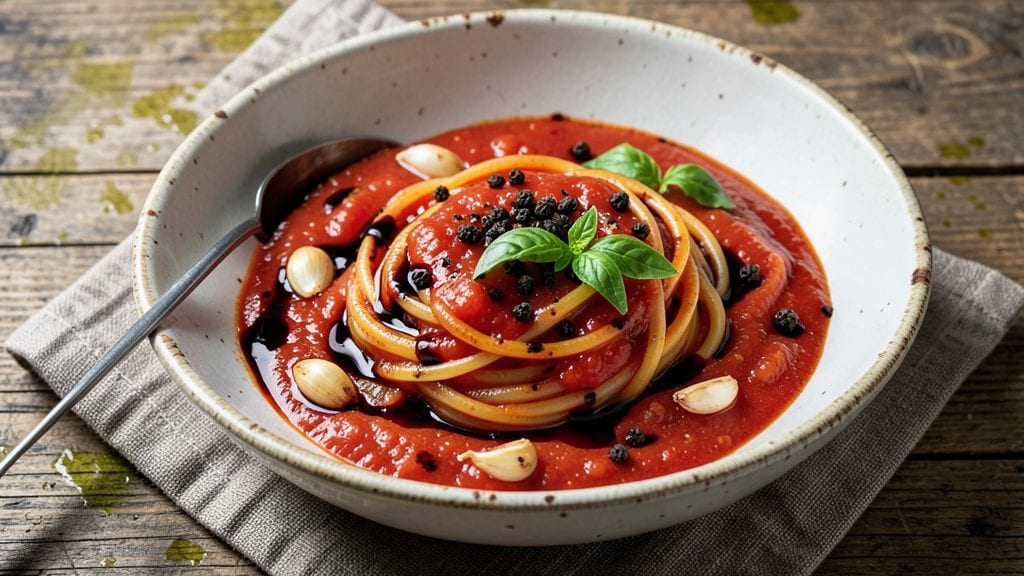
Mastering a sphaghetti sauce recipe with pantry staples is one of the most rewarding cooking skills—it turns ordinary meals into something extraordinary. The secret lies in slow simmering, where aromatics and tomatoes develop deep, complex flavors that elevate any dish.
I’ve perfected this method over years of testing, and it consistently delivers restaurant-quality results without requiring specialty ingredients.
This sauce builds flavor through layered techniques: starting with a fragrant base of onions, garlic, and olive oil, then letting canned tomatoes break down into a velvety consistency. A blend of fresh herbs—like basil and oregano—adds brightness, while a splash of red wine deepens the richness.
The best part? It’s foolproof—no fancy skills needed, just patience and attention to detail.
By the time you’re done, you’ll have a sauce that’s bold, balanced, and brimming with depth, perfect for tossing with spaghetti or using as a base for other dishes. The texture is just right—thick enough to cling to noodles but still saucy enough to coat every bite.
Plus, it keeps beautifully in the fridge for up to five days, making it ideal for meal prep.
Whether you’re feeding a family or prepping for the week, this sauce delivers unexpected sophistication with minimal effort. Let’s get started—your pantry is about to shine.
Ingredients for sphagetti sauce
Pantry staples that transform into restaurant-quality sauce with just time and patience.
| Ingredient | Amount | Notes |
|---|---|---|
| Extra-Virgin Olive Oil 🫒 | ½ cup | High-quality, fruity variety |
| Yellow Onion 🧅 | 1 whole | Medium size, finely chopped |
| Garlic Cloves 🧄 | 4 cloves | Freshly minced for aroma |
| Canned San Marzano Tomatoes 🍅 | 28 oz | Crushed or whole, no salt added |
| Dry Red Wine 🍷 | ½ cup | Bold variety like Cabernet Sauvignon |
| Tomato Paste 🍅 | 2 tbsp | Squeeze tube preferred for convenience |
| Fresh Basil Leaves 🌿 | ½ cup | Packed, stems removed |
| Dried Oregano 🍃 | 1 tsp | Mexican oregano if available |
| Diamond Crystal Kosher Salt 🧂 | 1 ½ tsp | Adjust to taste |
| Freshly Ground Black Pepper 🌶️ | ½ tsp | For subtle heat |
The San Marzano tomatoes are non-negotiable here—they’re sweeter and less acidic than regular canned tomatoes, giving your sauce that authentic Italian depth. Grab a 28-ounce can from the international aisle at Whole Foods or Trader Joe's—their quality is worth the slight price bump. For the wine, Cabernet Sauvignon or Merlot work best (whatever’s open in your fridge), but avoid anything too sweet. The olive oil? Use the best you’ve got—this is where you taste the difference. I always grab a small bottle of fruity EVOO from Costco or Penzeys for cooking, then save the fancy stuff for dressings.
No red wine? Substitute with 0.5 cup beef broth plus 1 tbsp balsamic vinegar—it’ll still add richness. Fresh basil is ideal, but dried basil at one-third the amount works in a pinch (though it lacks that bright freshness). Short on tomato paste? Use 0.25 cup crushed tomatoes instead, but add an extra pinch of salt. The oregano can be swapped for thyme if you’re making a herb-focused sauce, but stick with oregano for classic Italian flavor. For the onions, yellow or red both work—just make sure they’re fresh (no rubbery spots!).
This sauce tastes even better the next day as flavors meld. Store in an airtight container in the fridge for up to 5 days, or freeze for 3 months in portion-sized containers. I always make a double batch—one for dinner, one for lunches. To reheat, simmer gently on the stove with a splash of water to loosen it up. If it thickens too much, stir in a little pasta water when serving. The herbs? Add them fresh at the end if you’re reheating, so they stay vibrant.
Why You'll Love This Recipe
- No-Chop Night Hero: I swear by this sauce—just dice one onion and crush a few garlic cloves. That’s it. No peeling hours of tomatoes or chopping fresh herbs. The San Marzano tomatoes do all the heavy lifting while I sip wine and pretend I’m in a Tuscan kitchen.
- Wine-Infused Magic: That splash of dry red wine? It’s not just for show—it deepens the flavor into something rich and complex, like a secret handshake between the tomatoes and garlic. Honestly, I’ll take this over any jarred sauce with its sad, vinegary aftertaste.
- Meal Prep MVP: Make a double batch and freeze half for when you’re too tired to cook. Thaw it later, toss with pasta, and boom—dinner’s saved. It’s my go-to for lazy Sundays or when my kid’s soccer schedule leaves me scrambling.
- Budget-Friendly Luxury: San Marzano tomatoes and good olive oil might sound fancy, but they stretch further than anything from a can. A single jar of tomatoes and a bottle of wine last me weeks, and the results taste like I spent hours slaving—when really, I just stirred.
Step-by-step instructions for pantry staples simmered into rich, herby depth
Here's how to transform simple ingredients into a sauce that builds flavor layer by layer.
Sauté Aromatics in Extra-Virgin Olive Oil
Heat the 0.5 cup extra-virgin olive oil in a large, heavy-bottomed pot over medium heat. Add the 1 whole finely chopped yellow onion and cook for 5-6 minutes until softened and translucent. You'll notice the onions release moisture and begin to caramelize slightly at the edges—that's your cue they're ready for the next step.
Reduce heat to medium-low and add the 4 cloves freshly minced garlic cloves. Cook for 30-45 seconds until fragrant but not browned. Garlic burns quickly, so watch carefully—you want to preserve its sweet, aromatic qualities rather than bitter notes. Here's the thing: if it starts to darken, immediately remove the pot from heat and let it cool slightly before continuing.
Build the Sauce Foundation
Increase heat to medium-high and add the 2 tbsp tomato paste. Stir constantly for 2-3 minutes until it darkens slightly and the raw taste disappears. This step develops the sauce's depth—those caramelized tomato solids create the rich base that carries all the other flavors.
Pour in the 0.5 cup dry red wine and scrape up any browned bits from the bottom of the pot with a wooden spoon. This deglazing captures all the concentrated flavor you've built so far. Let the wine simmer for 3-4 minutes until reduced by about half. You'll see the alcohol burn off and the sauce begin to thicken slightly—this is when the magic starts happening.
Incorporate Tomatoes and Seasonings
Add the 28 oz canned San Marzano tomatoes, crushing them by hand if they're whole. Stir in the 1.5 tsp diamond crystal kosher salt, 0.5 tsp freshly ground black pepper, and 1 tsp dried oregano. Bring the mixture to a gentle simmer, then reduce heat to low to maintain a steady bubble. Here's where patience pays off—let it cook uncovered for 25-30 minutes, stirring occasionally.
During this time, the tomatoes will break down and the sauce will thicken naturally. You're looking for a consistency that coats the back of a spoon but still has some body. If it reduces too quickly, add 1-2 tablespoons of water to maintain the proper texture. The sauce should smell deeply aromatic with layers of tomato, garlic, and herbs.
Finish with Fresh Basil and Adjust Seasoning
Remove the pot from heat and stir in the 0.5 cup fresh basil leaves. Let the sauce sit for 5 minutes to allow the basil to infuse its bright, sweet flavor. Taste and adjust seasoning—you might need a bit more salt or pepper to balance the acidity from the tomatoes. The sauce should be rich but not overpowering, with bright herbal notes that make your mouth water.
For the best texture, I like to blend the sauce briefly with an immersion blender until smooth. This creates an ultra-velvety consistency that clings beautifully to pasta. If you prefer a rustic texture, simply mash the tomatoes by hand with a wooden spoon. Either way, the sauce should be ready to serve immediately or reheated gently when needed.
Pro Tips For Making Sphagetti Sauce
- SWEAT THE ONION LOW: After burning three batches, I finally figured out that onions need gentle heat—no rushing. Cook them in the olive oil over medium-low until they’re translucent and just starting to soften, not golden. That’s when they’ll release their sweetness without turning bitter or sticking like glue.
- DEGLAZE WITH WINE IMMEDIATELY: As soon as you remove the garlic (before it browns), pour in that red wine and scrape the pan like your life depends on it. The bits stuck to the bottom? That’s flavor. Let the wine simmer for 2-3 minutes to cook off the alcohol—don’t skip this, or your sauce will taste sharp and raw.
- CRUSH TOMATOES BY HAND: Drain the San Marzanos but don’t skip crushing them—use your fingers or a wooden spoon to break them up. Whole chunks take forever to soften, and you’ll end up with a sauce that’s more tomato salad than silky pasta coating. (Yes, even if you’re impatient like me.)
- SALT THE TOMATOES FIRST: Before adding them to the pot, sprinkle ½ teaspoon of salt directly into the crushed tomatoes. Let them sit for 10 minutes while you finish the onions and garlic—this draws out excess water and concentrates the flavor. Your sauce will be richer, and you’ll use less salt later. (Your future self will notice.)
Wine and beer pairings for this dish
Classic Italian Reds
For this rich, herby sauce, I always reach for a Chianti Classico or Sangiovese—their bright acidity and cherry notes cut through the sauce's depth while complementing the tomato and basil. A bottle from Tuscany (like Castello di Volpaia) pairs beautifully, offering earthy undertones that mirror the sauce's complexity.
Serve slightly chilled to enhance the wine's crispness against the warm sauce. 🍷
Bold Cabernet Sauvignon
If you prefer reds with more structure, a Cabernet Sauvignon from Napa Valley or Chile stands up to the sauce's intensity. The wine's dark fruit and tannins balance the acidity, while its oak notes add a subtle toasty warmth.
Look for a medium-bodied option like Louis M. Martini Cabernet—it’s approachable without overpowering the dish.
Crisp White Wines
Surprisingly, a dry Vermentino or Pinot Grigio works wonders with lighter versions of this sauce. The wine's citrus and mineral notes refresh your palate between bites, especially if you reduce the wine content to 0.25 cup and add 0.25 cup white wine instead.
I love Santa Margherita Pinot Grigio for its balance of brightness and texture. 🍷
Craft Beer Pairings
For beer lovers, a Belgian-style witbier like Hoegaarden brings a peppery, citrusy contrast to the sauce's richness. Alternatively, a light Italian lager such as Peroni cleanses the palate without competing.
If you prefer hoppier options, try a session IPA—its herbal notes echo the basil and oregano in the sauce, creating a harmonious bite.
Seasonal Adjustments
In summer, opt for rosé wines like Provençal rosé—their floral notes complement the fresh basil. For winter, a bold Zinfandel or Syrah adds warmth to the dish. Always let the wine breathe for 10-15 minutes before serving to enhance its aromas and pairings.
Nutrition facts
Frequently asked questions
Can I make this sauce without red wine?
Replace the 0.5 cup red wine with 0.5 cup beef broth plus 1 tbsp balsamic vinegar for richness, or use 0.5 cup tomato juice plus 1 tsp sugar to balance acidity. The wine adds depth, but these substitutes work beautifully for a kid-friendly or wine-free version.
How do I prevent my sauce from becoming too acidic?
Add a pinch of sugar (1/2 tsp) or a splash of sweetened tomato paste if the tomatoes taste too tart. Simmering longer also helps mellow acidity—cook uncovered for 30-40 minutes to let excess moisture evaporate. For extra balance, stir in 1/4 cup heavy cream at the end.
What’s the best way to store leftovers?
Transfer to an airtight container and refrigerate for up to 5 days. For freezing, portion into 1-cup containers and store for 3 months. Reheat gently on the stove with a splash of water to restore texture. Never freeze with fresh basil—add it fresh when reheating.
Can I use this sauce for dishes other than pasta?
This versatile sauce works perfectly for grilled chicken, meatball subs, or as a pizza sauce base. For a heartier version, add ground meat while cooking the onions. The texture thickens beautifully when baked, making it ideal for stuffed peppers or lasagna layers.
Why does my sauce taste bland after simmering?
Blandness usually means insufficient salt or acid. Boost flavor by adding 1 tsp soy sauce (for umami), 1/2 tsp red pepper flakes (for heat), or a splash of lemon juice. If the tomatoes lack depth, try 1/2 cup tomato paste instead of fresh tomatoes next time.