
Sauces & Condiments
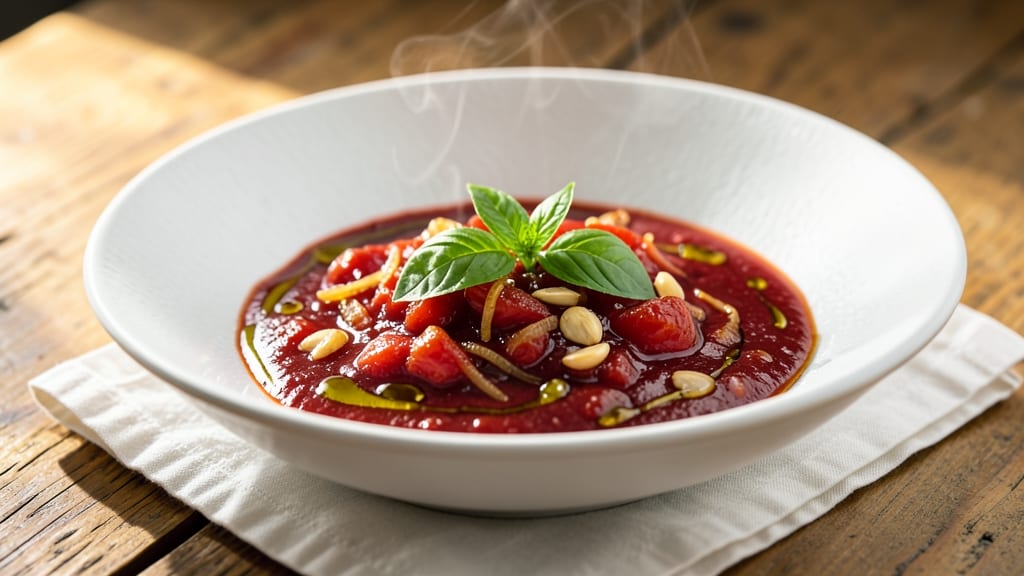
This Sicilian sauce recipe transforms simple ingredients into a rich, aromatic tomato base that elevates pasta, meatballs, and grilled meats with its bold garlic and herb profile. The key lies in slow-cooked tomatoes, fresh basil, and a touch of sweetness that balances the acidity—just like Nonna used to make.
I’ve perfected this version to deliver restaurant-quality depth without requiring hours in the kitchen.
What sets this sauce apart is the layered flavor development: garlic sautéed until golden, tomatoes simmered until thick and jammy, and herbs added at the perfect moment to preserve their brightness.
The result is a sauce that clings to every strand of pasta or meatball, offering a taste of Sicily’s sun-drenched coast. It’s versatile enough for weeknight dinners but impressive enough for guests.
By the time you finish, you’ll have a sauce that’s velvety yet vibrant, with a perfect balance of sweet, tangy, and savory notes. The aroma alone will have everyone anticipating dinner, and the texture—thick enough to coat but light enough to let the ingredients shine—makes it a standout.
This is the kind of sauce that turns ordinary meals into something extraordinary.
Store it in the fridge for up to five days or freeze for months, so you always have a taste of Sicily at your fingertips. Let’s get started on creating this flavorful foundation for your next Italian feast.
Ingredients for sicilian sauce
Nine simple ingredients transform into a restaurant-worthy Sicilian sauce that's bold, aromatic, and perfect for pasta or meatballs.
| Ingredient | Amount | Notes |
|---|---|---|
| Extra-Virgin Olive Oil 🫒 | ½ cup | High-quality, fruity variety |
| Garlic Cloves 🧄 | 6 cloves | Fresh, peeled and minced |
| Yellow Onion 🧅 | 1 whole | Medium-sized, finely chopped |
| Canned San Marzano Tomatoes 🍅 | 28 oz | Crushed, high-quality |
| Fresh Basil Leaves 🌿 | ½ cup | Packed, stems removed |
| Red Wine 🍷 | ½ cup | Dry, bold variety |
| Tomato Paste 🍅 | 2 tbsp | Squeeze tube preferred |
| Granulated Sugar 🍚 | 1 tbsp | Balances acidity |
| Salt 🧂 | 1 tsp | Kosher or sea salt |
| Black Pepper 🌶️ | ½ tsp | Freshly ground preferred |
The tomatoes make all the difference here. San Marzano is worth seeking out—those sweet, meaty flavors can't be beat, but any good-quality crushed tomatoes will work. I grab mine from Trader Joe's or Whole Foods when I'm in a pinch. The garlic? Fresh is non-negotiable—jarred minced garlic tastes like sawdust in this sauce. For the olive oil, Californian or Italian varieties have the best fruity notes. Don't skimp here—it's the sauce's backbone. The basil should be vibrant green, not wilted, and you'll want more than you think—half goes in, half gets torn over the top at the end.
No red wine? Substitute with extra tomato paste plus a splash of balsamic vinegar—it mimics the depth. Running low on basil? Fresh parsley at half the amount works in a pinch, though it won't be quite as bright. The sugar might sound odd, but it's crucial—it cuts through the acidity and rounds out the flavors. Brown sugar works too if you've got it. For the tomato paste, those little squeeze tubes at Trader Joe's are perfect—they're convenient and keep forever. If you're using whole tomatoes instead of crushed, hand-crush them for better texture. And trust me on the wine—even a cheap Chianti makes a difference.
This sauce gets better with time—plan to simmer for at least 45 minutes. Store it in the fridge for up to 5 days, or freeze portions for 3 months. I like to portion it into ice cube trays before freezing—perfect for single servings later. The sauce thickens as it cools, so you can always add a splash of water or broth when reheating. It's amazing on pasta, but don't forget grilled chicken or roasted vegetables—this sauce makes everything taste like Nonna's kitchen.
Why You'll Love This Recipe
- No-Fuss Weeknight Sauce: I swear by this when I’m too tired to fuss—just chop one onion, crush a few garlic cloves, and let the tomatoes and olive oil do the work. The San Marzano tomatoes melt down into something so smooth, it feels like a hug in a jar.
- Garlic-Basil Magic: That first bite of garlic-infused olive oil hitting your tongue? Chef’s kiss. Then the bright, peppery basil swirling through—it’s the kind of flavor that makes you pause mid-bite, like, “Wait, is this that good?” (Yes.)
- Double-Duty Pantry Hero: Make a big batch and freeze half for lazy nights. It’s my go-to for pasta, toasted bread, or even drizzled over grilled chicken. Honestly, I’ve used it for everything from bruschetta to pizza dough—no judgment here.
- Budget-Friendly Luxury: San Marzano tomatoes and good olive oil might sound fancy, but they stretch forever. A single jar of tomatoes lasts me weeks, and the sauce only gets richer as it sits. (Between us, my wallet and my taste buds win.)
Step-by-step instructions for Sicilian sauce
This bold garlic tomato sauce builds flavor layer by layer—simple steps for restaurant-quality results.
Sauté Onion and Garlic Until Golden
Heat the 0.5 cup extra-virgin olive oil in a large saucepan over medium heat. Add the 1 whole finely chopped yellow onion and cook for 5-6 minutes, stirring occasionally, until softened and translucent. This slow cooking draws out natural sweetness from the onion.
Push the onions to the sides of the pan and add the 6 cloves minced garlic cloves. Cook for 1-2 minutes until the garlic turns light golden brown—this prevents bitterness. Stir constantly so it doesn't burn. You'll smell the aromatic oils release, signaling the garlic is ready for the next step.
Build the Sauce Base with Wine and Tomatoes
Pour in the 0.5 cup red wine and scrape up any browned bits from the bottom of the pan. Let it simmer for 3-4 minutes until the wine reduces by half and its alcohol aroma fades. This deglazing step captures all the garlic and onion flavors.
Add the 2 tbsp tomato paste and stir for 1 minute to cook it through. Then pour in the 28 oz crushed San Marzano tomatoes and the 1 tbsp granulated sugar. Stir well to combine. The sugar helps balance the acidity of the tomatoes while enhancing their natural sweetness.
Simmer Until Thick and Fragrant
Season with 1 tsp salt and 0.5 tsp black pepper, then bring the sauce to a gentle boil. Reduce heat to low and let it simmer uncovered for 25-30 minutes, stirring occasionally. You're looking for a sauce that coats the back of a spoon and thickens slightly.
During this time, the tomatoes will break down and release their juices, creating a rich, velvety texture. The sauce should smell deeply aromatic—garlicky with a sweet tomato base. If it gets too thick before the time is up, add 2-3 tablespoons of water to loosen it.
Finish with Fresh Basil
Remove the sauce from heat and stir in the 0.5 cup fresh basil leaves. Let it steep for 5 minutes so the basil infuses the sauce with its bright, herbal notes. The leaves will soften and blend into the sauce, adding a fresh finish.
Taste and adjust seasoning if needed—you might want to add a pinch more salt or a splash of red wine to balance flavors. This sauce tastes even better the next day as the flavors meld further, so it's perfect for making ahead.
Pro Tips For Making Sicilian Sauce
- Sweat the Onion First: I learned this the hard way—skip the garlic until the onion turns translucent and just softens, not browns. That way, the garlic won’t burn before the tomatoes even hit the pan, and your sauce won’t taste like charred regret. (Yes, even if you’re impatient like me.)
- Crush Garlic Like It Owes You: Minced garlic burns in seconds. Smash those cloves with the flat side of your knife first, then finely chop—this keeps the flavor bold without turning bitter. I used to rush this, and my sauce always tasted like a cautionary tale.
- Drain Those Tomatoes: San Marzano tomatoes come packed in juice, and that extra liquid dilutes your sauce. Drain them before crushing or chopping—no need to strain, just tip the can and let gravity do the work. Your sauce will thicken faster, and you’ll waste less time stirring.
- Salt the Tomatoes Early: Toss the crushed tomatoes with a pinch of salt right when they hit the pan. Lets the natural acids mellow out while you sauté the aromatics, so by the time the basil goes in, the flavors are already playing nice together. (Your future self will thank you.)
Regional styles of this sicilian sauce
Palermo's Tomato Sauce
In Palermo, this sauce is known as salsa di pomodoro—a simple yet deeply flavorful tomato base that forms the foundation for many Sicilian dishes. The key here is using San Marzano tomatoes for their natural sweetness and low acidity, which pairs perfectly with the bold garlic and red wine.
I like to add a pinch of red pepper flakes (about ¼ tsp) to this version, giving it a subtle heat that’s signature to Palermo’s street food culture. Serve it with pasta alla Norma or as a marinade for grilled meats. 🍅
Catania's Eggplant Sauce
Catania’s version leans into eggplant—a staple in this coastal city. For this adaptation, swap the tomatoes for 2 cups roasted eggplant purée (simmer 1 large eggplant with 1 tbsp olive oil and 1 tsp salt until tender, then blend).
Add ½ cup ricotta and ¼ cup grated Pecorino cheese at the end for a creamy, velvety texture. This sauce is perfect over pasta alla Trapanese or as a topping for arancini. The eggplant’s earthiness balances the garlic’s sharpness beautifully. 🥔
Messina's Citrus-Infused Sauce
Messina’s coastal location influences its sauces with bright, citrusy notes. To adapt this recipe, add zest of 1 lemon and juice of ½ orange when simmering the tomatoes.
A splash of ½ cup white wine (like Gavi) replaces the red wine, and finish with 1 tbsp capers for a briny kick. This sauce shines with grilled swordfish or spaghetti with anchovies. The citrus cuts through the richness, making it light yet complex. 🍋
Trapani's Olive Oil Sauce
In Trapani, where olives thrive, the sauce is all about extra-virgin olive oil—the star. Reduce the oil to ¼ cup and simmer it with the garlic until it’s fragrant but not browned. Add 1 diced ripe tomato (instead of crushed) and 1 tbsp anchovy paste for umami depth.
Simmer for 20 minutes, then finish with chopped parsley and a drizzle of high-quality Trapani olive oil. This sauce is ideal for pasta with sardines or as a drizzle over roasted vegetables. 🫒
Sicilian Street Food Twist
For a quick, no-cook version inspired by street vendors, blend 1 cup crushed tomatoes, 3 cloves garlic, 2 tbsp olive oil, 1 tsp sugar, and ½ tsp salt until smooth. Drizzle over grilled panzerotti or use as a dip for fried anchovies.
This version skips wine and basil but keeps the bold, garlicky essence. It’s perfect for late-night snacks or game day bites. 🌶️
Nutrition facts
Frequently asked questions
What makes this Sicilian tomato sauce different from marinara?
This sauce builds depth with golden brown garlic and a touch of red wine that marinara typically skips. The 25-30 minute simmer develops a richer, jammy texture while the fresh basil adds bright herbal notes. Marinara is simpler—this version has layers of flavor that make it perfect for meatballs or grilled meats, not just pasta.
Can I make this sauce without red wine?
Replace the ½ cup red wine with ¼ cup tomato paste plus 2 tbsp balsamic vinegar for similar depth. Or use ½ cup extra tomato juice—just reduce it by half first to concentrate the flavors. The sauce will still be delicious, though the wine adds a subtle earthiness that's hard to replicate.
How do I prevent my sauce from getting too acidic?
The 1 tbsp sugar is key—it balances acidity while enhancing sweetness. If your tomatoes taste particularly tart, add ½ tsp more sugar or a pinch of baking soda (just ⅛ tsp) at the end. Never add sugar during cooking—it needs time to meld with the other flavors. Taste as you go!
What's the best way to use leftover sauce?
Store in an airtight container in the fridge for up to 5 days or freeze for 3 months. Reheat gently with a splash of water or broth to loosen it. This sauce freezes beautifully—portion into ice cube trays for perfect single-serving additions to future meals. It's amazing on pizza, grilled chicken, or even as a sandwich spread!
Can I make this sauce in a slow cooker?
Yes! Sauté the onion and garlic first, then transfer everything to the slow cooker. Cook on low for 4-5 hours or high for 2-3 hours, stirring occasionally. The slow cooking intensifies the flavors even more. Just add the basil at the very end—it won't hold up well during long cooking. Perfect for busy days!