Sauces & Condiments
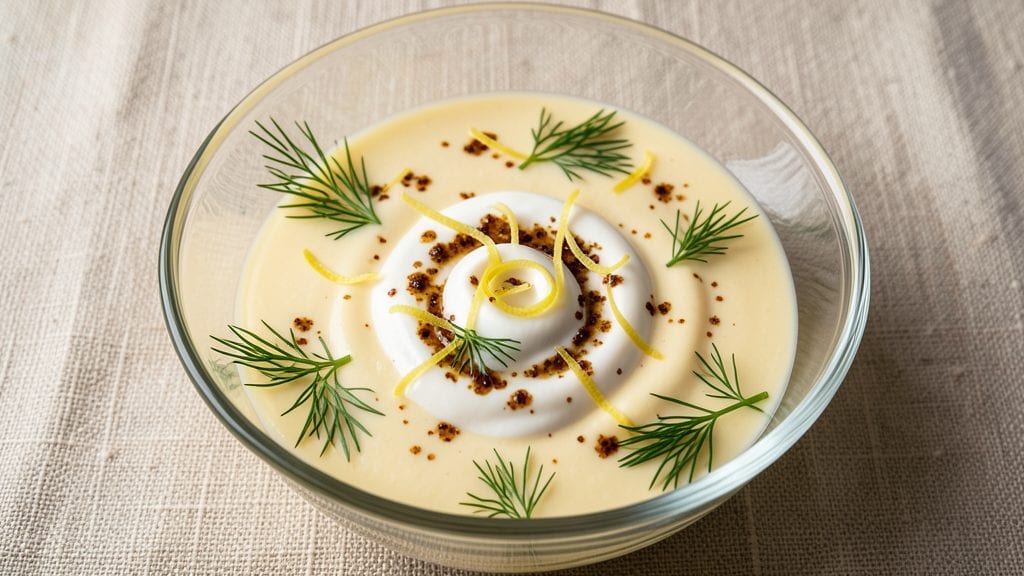
A bright lemon-dill sauce transforms ordinary salmon cakes into a restaurant-worthy dish with just five ingredients and 10 minutes of prep time. The tangy, herby balance cuts through the richness of fried salmon while enhancing its delicate flavor—this is the secret weapon behind every standout salmon cake presentation.
I developed this sauce after years of testing pairings, and it consistently delivers that perfect harmony of acidity and freshness.
The magic lies in the emulsion of mayonnaise and sour cream, which creates a velvety base that carries the bright lemon and aromatic dill. A touch of Dijon mustard adds depth, while fresh dill and lemon zest ensure the sauce stays vibrant and full of character.
Unlike heavy creamy sauces, this one remains light enough to complement rather than overpower the salmon cakes.
What you’ll end up with is a sauce that’s creamy yet light, tangy yet balanced, and packed with fresh flavor in every bite. It clings beautifully to the crispy exterior of salmon cakes while keeping the delicate fish inside from drying out.
This sauce also doubles as a versatile condiment for grilled fish, shrimp cocktails, or even as a dressing for salads.
Best of all, it comes together in minutes and keeps well in the fridge for up to five days, making it the perfect make-ahead companion for any seafood meal. Let’s get started—this sauce will change how you serve salmon cakes forever.
Ingredients for sauce for salmon cakes
Five ingredients, ten minutes—this sauce turns salmon cakes into a showstopper.
| Ingredient | Amount | Notes |
|---|---|---|
| Mayonnaise 🥛 | ½ cup | High-quality, full-fat preferred |
| Sour Cream 🧀 | ¼ cup | Full-fat for creaminess |
| Fresh Dill Leaves 🌿 | ½ cup | Finely chopped, stems removed |
| Lemon Zest 🍋 | 1 tbsp | From 1 large lemon |
| Dijon Mustard 🍯 | 1 tsp | For subtle depth |
| Fresh Lemon Juice 🍋 | 2 tbsp | Freshly squeezed |
| Sea Salt 🧂 | ½ tsp | Fine grain preferred |
| Black Pepper 🌶️ | ¼ tsp | Freshly ground |
The dill is non-negotiable here—farmers market or grocery store bunches work best, but skip the dried stuff. Whole Foods or Trader Joe's have the freshest, but any bright green bunch will do. Lemon zest should be vibrant yellow—avoid dried zest or the flavor gets flat. For the mayo, Duke's or Hellmann's are reliable, but homemade is even better. The Dijon mustard adds that restaurant-quality depth, so don't skip it—Maille or Amoy are my go-tos, but any good-quality jar works. And for the sour cream? Full-fat is a must—low-fat just won't give that velvety texture.
No fresh dill? Dried dill at one-quarter the amount works in a pinch, but it won't have the same brightness. Short on lemon juice? Lime juice works too, though the flavor shifts slightly. The mayo and sour cream combo is key—Greek yogurt at half the amount can replace sour cream if you're avoiding dairy. The sauce should be thick but pourable—if it's too thick, add a splash of water or more lemon juice. Too thin? Whisk in a bit more mayo. And if you're feeling fancy, add a pinch of capers for that extra umami kick that pairs perfectly with salmon.
This sauce keeps beautifully—up to 5 days in the fridge, sealed in a jar. The lemon juice acts as a natural preservative, so it won't curdle. For longer storage, freeze in ice cube trays and thaw as needed. It reheats perfectly—just give it a quick whisk to bring it back to that silky consistency. And here's a pro tip: make a double batch. It's that good you'll want to use it on everything—grilled shrimp, steamed asparagus, even as a salad dressing. Trust me, you'll be reaching for this sauce again and again.
Why You'll Love This Recipe
- No-Fuss Mix-In: I swear by this sauce because it’s literally just stirring a bowl. Five ingredients, no cooking, no waiting—just chop the dill (or buy pre-chopped, no judgment) and let the mayo and sour cream do the heavy lifting. My lazy Sundays just got a glow-up.
- Bright & Tangy Magic: That lemon zest and Dijon mustard combo? It’s the secret weapon. The creamy base gets this bright, herby punch that cuts through the richness of salmon cakes—like a little burst of sunshine in every bite. Honestly, I’ll take this over store-bought dill sauce any day.
- Weeknight & Potluck Hero: This sauce is my go-to for salmon cake nights and when I’m dragging a dish to a friend’s BBQ. It’s neutral enough to pair with anything—crispy fish, grilled veggies, even sandwiches—but still feels fancy. (Yes, even on a Tuesday night.)
- Leftovers That Don’t Suck: Between us, most sauces turn sad after day two. Not this one. The sour cream keeps it creamy, and the lemon zest actually brightens over time. I’ve had this hanging in my fridge for days, and it’s still the star of whatever I’m serving. Zero waste, maximum flavor.
Step-by-step instructions for bright lemon-dill sauce
This tangy, herby sauce comes together in minutes and transforms simple salmon cakes into a restaurant-worthy dish.
Whisk Together the Creamy Base
In a medium bowl, combine the 0.5 cup mayonnaise and 0.25 cup sour cream using a whisk or fork. I like to use a fork first to break up any lumps, then switch to the whisk for a smoother texture. This creamy foundation is what gives the sauce its luxurious mouthfeel while balancing the bright flavors to come.
Add the 1 tsp Dijon mustard and 2 tbsp fresh lemon juice to the bowl. The mustard adds subtle depth while the lemon juice brightens everything up. Whisk until fully incorporated—you should see the mixture lighten in color slightly and become more fluid. This step is crucial for even distribution of flavors throughout the sauce.
Incorporate the Zesty Lemon Zest
Next, add the 1 tbsp lemon zest to the bowl. I always use a fine grater for this to get maximum surface area and flavor extraction. The zest carries the lemon's aromatic oils that will make your sauce truly sing. Whisk vigorously for about 15-20 seconds until the zest is completely distributed and no streaks remain.
Here's the thing—don't skip this step. The zest provides that signature citrus aroma that sets this sauce apart from ordinary dill sauces. You'll notice the mixture will take on a slightly yellow hue and a fresh, citrusy scent that's impossible to resist. This is your first sensory checkpoint—if it doesn't smell amazing right now, something's off.
Fold in the Fresh Dill Leaves
Gently fold in the 0.5 cup finely chopped fresh dill leaves using a rubber spatula. I prefer folding over whisking here to preserve the dill's delicate texture. The stems should be removed—this ensures you get maximum flavor without any bitterness. Work gently to avoid crushing the leaves, which can make the sauce taste bitter.
As you fold, you'll see the sauce take on a vibrant green color. This is your visual cue that everything is coming together perfectly. The dill should be evenly distributed throughout the sauce, with no clumps remaining. Taste a small spoonful at this point—you should detect bright lemon, fresh dill, and a subtle tang from the mustard, but nothing overpowering.
Season and Adjust the Balance
Add the 0.5 tsp sea salt and 0.25 tsp black pepper to the sauce. I always use freshly ground black pepper for the best flavor. Give it one final whisk to ensure everything is perfectly combined. At this point, the sauce should be silky smooth with a vibrant green color and a fresh, herby aroma.
Taste and adjust the seasoning if needed. If it needs more brightness, add another ½ teaspoon of lemon juice. For more creaminess, you could add a splash of sour cream. The sauce should be tangy, herby, and perfectly balanced—not too sweet, not too sour, but just right. This is where your palate becomes the guide—trust your taste buds to find the perfect equilibrium.
Chill and Let Flavors Develop
Transfer the sauce to an airtight container and refrigerate for at least 30 minutes before serving. This chilling time allows the flavors to meld together beautifully. I know it's tempting to serve it immediately, but giving it time in the fridge makes all the difference—it lets the lemon brighten, the dill infuse, and the flavors come together in perfect harmony.
When you're ready to serve, give the sauce one final stir. It should be cool, creamy, and bursting with fresh flavor. This sauce pairs perfectly with salmon cakes, but it's also amazing with grilled fish, shrimp cocktails, or even as a dip for veggie sticks. The bright lemon-dill tang will elevate any dish it touches!
Pro Tips For Making Sauce For Salmon Cakes
- Chill the Dill First: Toss those fresh dill leaves in ice water for 10 minutes before chopping—it dulls the sharp edges and makes the flavor sing in the sauce. I used to skip this, and the dill always tasted too bright, like someone dumped perfume in there.
- Mix Mustard Last: Stir in the Dijon mustard right before serving, not when you first combine everything. It keeps the sauce from getting too tangy too fast, and the flavor hits harder when it’s still fresh. (Yes, even if you’re impatient like me.)
- Lemon Zest, Not Juice: Scrape that zest off the peel—no pith, no white stuff—because juice makes the sauce watery. A teaspoon of finely grated zest adds brightness without turning your sauce into a sad, soupy mess. Trust me, your taste buds will notice.
- Balance the Creaminess: If the sauce feels too thick, add a splash of buttermilk (or even plain yogurt) instead of more sour cream. It lightens the texture without killing the tang. I learned this after serving a sauce that could’ve been used to grease a skillet.
Wine and beer pairings for this sauce for salmon cakes
Crisp White Wine Pairings
A dry Riesling from Alsace or Germany is my go-to choice for this bright lemon-dill sauce. The wine's crisp acidity mirrors the sauce's tang while its subtle mineral notes complement the fresh dill and lemon.
I love Trimbach Riesling—its vibrant citrus and green apple flavors create perfect harmony with the salmon cakes. Serve it slightly chilled (45-50°F) to enhance the refreshing qualities of both the sauce and dish. 🍷
Citrusy Sauvignon Blanc
New Zealand Sauvignon Blanc with its zesty lime and grapefruit notes is another fantastic match. The wine's herbal undertones enhance the dill in the sauce, while its bright acidity cuts through the richness of fried salmon cakes.
Look for Cloudy Bay or Oyster Bay—both deliver that signature citrus punch that elevates the meal. Serve at 48-52°F for optimal balance between the wine's freshness and the sauce's creaminess.
Light Lager Options
For beer lovers, a German Helles or Belgian Witbier works beautifully. The Weihenstephaner Original Helles offers a clean, malty backbone that doesn't overpower the sauce's bright flavors. Meanwhile, a Stella Artois or Hoegaarden witbier brings citrusy coriander notes that complement the lemon-dill perfectly.
Serve these lagers at 40-45°F to maintain their crispness alongside the chilled sauce. 🍺
Sparkling Wine Elevation
Don't underestimate the power of Prosecco or Cava to elevate this dish. The effervescence cleanses your palate between bites of salmon cakes, while the wine's light fruitiness enhances the lemon notes in the sauce.
I recommend La Marca Prosecco or Freixenet Cordon Negro Cava—both offer that perfect balance of sweetness and acidity. Serve at 40-45°F to maintain the bubbles and refreshing qualities.
Seasonal Adaptations
In warmer months, a rosé with its strawberry and citrus notes works wonderfully. Try a Provence rosé like Whispering Angel—its delicate flavors won't compete with the sauce but will complement it beautifully.
For colder months, consider a dry sparkling wine like Champagne—its complexity adds depth to the meal while maintaining the refreshing qualities that make this sauce so special.
Nutrition facts
Frequently asked questions
Can I make this sauce without mayonnaise?
Yes! Swap the mayo for Greek yogurt (use ½ cup full-fat) or crème fraîche for a lighter texture. The sauce will still be creamy but slightly tangier. For a vegan option, blend ½ cup silken tofu with 1 tbsp lemon juice until smooth, then proceed with the recipe. The flavor profile remains bright and fresh!
How do I prevent the sauce from separating?
Separation happens when oil and water-based ingredients split. To avoid this, whisk vigorously when combining mayo and sour cream, and fold in the dill gently. If it separates, whisk in 1 tsp Dijon mustard or a splash of cold water to re-emulsify. Chilling the sauce for 30 minutes before serving also helps stabilize the texture.
Can I use dried dill instead of fresh?
You can, but fresh dill gives the best flavor. If using dried, reduce the amount to 1 tbsp (about ¼ the fresh amount) and crush it lightly between your fingers to release the oils. The sauce will be less vibrant but still delicious. For maximum freshness, always opt for fresh dill if possible!
How long can I store this sauce?
Store the sauce in an airtight container in the fridge for up to 5 days. The lemon juice acts as a natural preservative, preventing spoilage. For longer storage, freeze in ice cube trays—thaw overnight in the fridge and whisk to restore its silky texture. The flavor remains bright and fresh!
What other dishes can I use this sauce for?
This versatile sauce works beautifully with grilled or baked salmon, shrimp cocktails, and even as a dressing for mixed greens. It’s also perfect for dipping veggie sticks or pairing with roasted potatoes. The bright lemon-dill flavor elevates any seafood dish or light salad!