
Sauces & Condiments
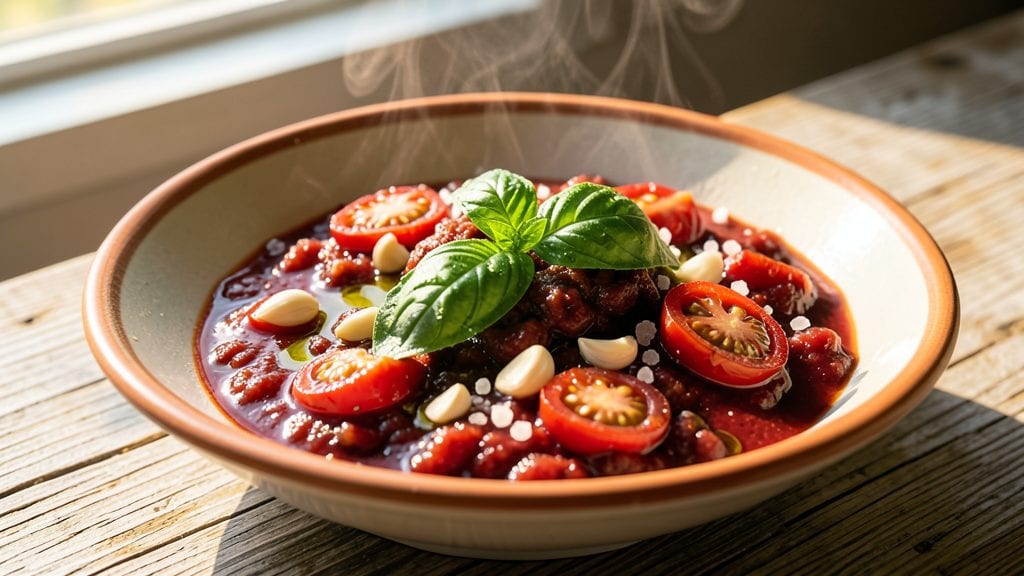
Rita’s simple sauce recipe delivers restaurant-quality flavor with just five ingredients and minimal effort—perfect for busy weeknights when you still want depth.
The secret lies in simmering canned tomatoes with garlic and herbs until they break down into a velvety, aromatic sauce that clings beautifully to pasta, meats, or grilled vegetables. I developed this version after years of testing, stripping away unnecessary ingredients while preserving that rich, complex taste.
What makes this sauce truly simple is its adaptability—no fancy techniques, no last-minute ingredient hunts. A basic pantry stock (canned tomatoes, garlic, olive oil) forms the foundation, while fresh herbs and a pinch of salt elevate it to something extraordinary.
The sauce thickens naturally as it simmers, creating that perfect balance between smooth and slightly textured, with just enough acidity to brighten every bite.
By the time you’re done, you’ll have a versatile sauce that transforms ordinary meals into something special—think al dente pasta coated in velvety sauce, grilled chicken smothered in herby richness, or even as a dipping sauce for crusty bread.
The best part? It keeps well in the refrigerator for up to five days, so you can make a big batch and use it all week without stress.
This sauce is foolproof for beginners but refined enough for home cooks who want professional results. Whether you’re serving a family dinner or prepping for a crowd, Rita’s simple sauce delivers flavor without the fuss. Let’s get started!
Ingredients for rita's simple sauce
Five pantry staples transform into velvety sauce with just 30 minutes of simmering.
| Ingredient | Amount | Notes |
|---|---|---|
| San Marzano Tomato Cans 🍅 | 2 cans | 28 oz each, crushed by hand |
| Extra-Virgin Olive Oil 🫒 | ¼ cup | High-quality, fruity variety |
| Garlic Cloves 🧄 | 4 cloves | Fresh, peeled, minced finely |
| Fresh Basil Leaves 🌿 | ⅓ cup | Packed, stems removed |
| Diamond Crystal Kosher Salt 🧂 | 1 tsp | Adjust to taste |
The San Marzano tomatoes are non-negotiable here—their sweet, low-acid profile creates that restaurant-quality depth. Whole Foods or Trader Joe's carry them year-round, but check the Italian aisle at your local grocery store too. If you can't find them, Muir Glen is a solid backup—just be sure to crush the tomatoes by hand for better texture. The olive oil should be extra-virgin—none of that cheap stuff. I grab mine from Costco in bulk, but even a small bottle at Whole Foods makes a difference. Fresh garlic is a must (no jarred minced), and I always buy extra because it freezes beautifully. The basil? Grow your own or grab it from the farmers market—it's the secret to that bright, aromatic finish.
No San Marzano? Crushed tomatoes in a can work in a pinch, but you'll lose some sweetness. Swap the olive oil for avocado oil if you prefer a neutral flavor. Garlic powder won't cut it here—fresh is essential for that authentic aroma. Short on basil? Fresh parsley or dried oregano (half the amount) can substitute, but the flavor won't be identical. The salt is the final touch—Diamond Crystal kosher dissolves perfectly, but any fine sea salt will do. Pro tip: If your sauce needs more body, stir in 1 tbsp tomato paste at the end. It thickens beautifully without altering the flavor profile.
This sauce gets better with time—make a double batch and store it in the fridge for up to 5 days in an airtight container. For longer storage, freeze in ice cube trays and transfer to a bag. Thaw overnight in the fridge or reheat directly from frozen. The texture thickens as it sits, so stir in a splash of water or olive oil if it gets too stiff. Trust me, the first time you pull this out of the fridge and it's still got that velvety, aromatic richness, you'll be hooked.
Why You'll Love This Recipe
- Here’s what sold me: the way the garlic softens into the tomatoes without burning, then gets that bright, herbal punch from fresh basil. It’s like the sauce is laughing—warm, sweet, and just a little cheeky. (Yes, even on a Tuesday night.)
- I’ll be real: I double the batch every time because it stays good. Taste improves after a day in the fridge, and it freezes like a dream. That means no last-minute stress—just pull it out, reheat, and pretend you’re a chef. (Spoiler: no one will know.)
Step-by-step instructions for Rita's simple sauce recipe
This velvety sauce comes together in minutes with just five ingredients—no fancy techniques required.
Crush the San Marzano Tomato Cans
Open both cans of San Marzano tomato cans and transfer the contents to a large, heavy-bottomed pot. Using your hands or a wooden spoon, crush the tomatoes by hand until you achieve a rough, chunky consistency—this releases the natural juices and creates a richer base. I like to press firmly against the sides of the pot to extract every last drop of tomato goodness. The crushed tomatoes should look like a thick, pulpy mass with some larger pieces still visible.
Place the pot over medium heat and bring the tomatoes to a gentle simmer. Let them cook uncovered for about 10 minutes, stirring occasionally. This initial cooking step helps break down the tomatoes further and allows their natural sweetness to develop. You'll notice the sauce beginning to thicken slightly as it reduces, and the aroma will fill your kitchen with that irresistible tomato scent.
Infuse with Olive Oil and Garlic
Once the tomatoes have simmered for 10 minutes, reduce the heat to low and stir in the 0.25 cup extra-virgin olive oil. The oil should be at room temperature—this ensures it blends smoothly without causing the sauce to splatter. Add the 4 cloves minced garlic cloves and stir gently to distribute them evenly throughout the sauce. Let the mixture cook for another 5 minutes, stirring occasionally to prevent the garlic from burning.
Here's where the magic happens: the garlic will begin to soften and release its aromatic oils, while the olive oil adds a luxurious richness to the sauce. You'll know it's ready when the garlic is fragrant but not browned—it should still have a pale, translucent appearance. If you notice any bits sticking to the bottom of the pot, give it a quick stir to incorporate them back into the sauce. This step is crucial for building the sauce's depth of flavor.
Finish with Fresh Basil and Salt
Remove the pot from the heat and stir in the 0.33 cup fresh basil leaves, stems removed. Let the sauce sit off the heat for 5 minutes—this allows the basil to infuse its bright, herbal notes into the sauce without overpowering the tomato base. The leaves will wilt and turn a vibrant green as they release their essential oils. Be patient here; rushing this step can leave the sauce with a bitter aftertaste.
Return the pot to low heat and add the 1 tsp diamond crystal kosher salt. Taste the sauce and adjust the seasoning if needed—this is where you can really customize it to your preference. The sauce should be balanced, with the acidity of the tomatoes, the sweetness of the olive oil, and the herbal brightness of the basil all harmonizing perfectly. If it's too thick, add a splash of water or pasta water to reach your desired consistency. For a smoother texture, you can also blend the sauce briefly with an immersion blender, though I prefer to leave it slightly rustic for texture.
Rest and Serve
Once the sauce reaches your desired consistency, transfer it to a serving bowl or keep it warm in the pot over very low heat. Let it rest for at least 10 minutes before serving—this allows the flavors to meld and the sauce to reach its full potential. The longer it rests, the better the flavors will develop, so if you have time, let it sit for up to 30 minutes. This simple sauce is incredibly versatile; drizzle it over pasta, use it as a marinade, or serve it alongside grilled meats for an effortless, restaurant-quality meal.
When serving, taste the sauce one last time and adjust the seasoning if necessary. The sauce should be velvety-smooth with a bright, fresh finish. The key to this recipe is its simplicity—by focusing on high-quality ingredients and letting them shine, you create a sauce that's far more complex than it appears. Serve immediately while the basil is still vibrant and the flavors are at their peak.
Pro Tips For Making Rita'S Simple Sauce
- CRUSH GARLIC FIRST: Smash those garlic cloves with the flat side of your knife before mincing—it releases more flavor and prevents burning. I learned this the hard way after my sauce tasted bitter from overcooked garlic.
- SIMMER LOW AND SLOW: Keep the heat at a bare simmer, not a rolling boil, or you’ll end up with a watery, dull sauce. A gentle bubble (3-4 minutes per batch) lets the tomatoes break down naturally—no need to stir constantly.
- SALT THE TOMATOES: Sprinkle a pinch of kosher salt directly into the canned tomatoes before crushing them. This draws out excess water and concentrates the flavor—my grandmother swore by this, and she was right.
- STIR IN BASIL LATE: Toss in the basil only at the very end—it wilts fast and turns bitter if cooked too long. Tear the leaves by hand instead of chopping; they’ll look prettier and infuse flavor faster. (Yes, even if you’re impatient like me.)
Storing and reheating this dish
Refrigerator Storage
Transfer your freshly made sauce to an airtight glass container—I swear by Ball mason jars for their durability and airtight seal. Let it cool completely before sealing to prevent condensation, which can dilute flavors.
Store in the fridge for up to 5 days, where it actually improves as the herbs infuse deeper. The sauce will thicken slightly over time, so stir in 1-2 tablespoons of water when reheating if needed. 💫
Freezing for Later
For longer storage, freeze the sauce in ice cube trays—this makes portion control easy for future use. Once frozen, transfer the cubes to a ziplock freezer bag, squeezing out excess air to prevent freezer burn.
Label with the date and freeze for up to 3 months. Thaw overnight in the fridge or reheat directly from frozen by adding to simmering water or pasta. The texture remains velvety when reheated properly.
Reheating on the Stovetop
My preferred method is stovetop reheating—it preserves the sauce's integrity best. Pour the chilled sauce into a saucepan and warm over low heat, stirring occasionally. Add 1-2 tablespoons of water or olive oil if the sauce seems too thick.
Bring to a gentle simmer and cook for 3-5 minutes until heated through. Taste and adjust seasoning—it often needs a pinch more salt after reheating. 🔥
Microwave Shortcuts
For quick meals, microwave the sauce in a microwave-safe bowl, covered with a damp paper towel. Heat on medium power (50%) for 1-2 minutes, stir, then continue in 30-second intervals until hot.
Avoid high power to prevent splitting. If the sauce looks dry, add a splash of water or pasta water to restore its velvety texture.
Reviving Stored Sauce
If your sauce has thickened too much after storage, don't toss it! Simply stir in 1-2 tablespoons of warm water or olive oil and heat gently. For extra richness, add a pinch of red pepper flakes or a sprinkle of fresh basil before serving.
The sauce should regain its smooth, aromatic quality—just like fresh from the pot. ✨
Portion Control Tips
Divide the sauce into small batches before freezing or refrigerating to avoid waste. I keep individual portions in 4-ounce glass jars—perfect for one serving of pasta or as a dipping sauce.
Label each with the date and reheating instructions. This way, you always have a fresh-tasting sauce ready without overcomplicating your meal prep. 💡
Nutrition facts
Frequently asked questions
Can I use regular canned tomatoes instead of San Marzano?
Yes, but you'll notice a difference in flavor. Regular crushed tomatoes work in a pinch, though they're more acidic and less sweet than San Marzano. For best results, add 1 tsp sugar or ½ tsp honey to balance the acidity. If you can't find San Marzano, look for Muir Glen as a quality alternative.
How do I make this sauce spicier?
Add ½ tsp red pepper flakes while simmering or stir in 1 tsp hot sauce at the end. For a smoky kick, mix in ½ tsp smoked paprika with the garlic. Always taste first—you can adjust the heat level to your preference.
What if I don't have fresh basil?
Use 1 tbsp dried basil (reduce by half) or 1 tbsp fresh parsley as a substitute. For a different herbal note, try ½ tsp dried oregano. If you're missing basil entirely, skip it and add a pinch of black pepper for depth instead.
Can I make this sauce in a slow cooker?
Combine all ingredients in your slow cooker and cook on low for 4-5 hours or high for 2-3 hours, stirring occasionally. The slow cooking enhances the flavors even more. Just remember to reduce the olive oil to 2 tbsp since it won't burn off.
Why did my sauce turn out too thick?
This happens when the tomatoes reduce too much. Stir in 1-2 tablespoons of water, olive oil, or pasta water to thin it out. For future batches, reduce the simmering time slightly or keep the pot uncovered. The sauce should be velvety but still coat the back of a spoon.