
Sauces & Condiments
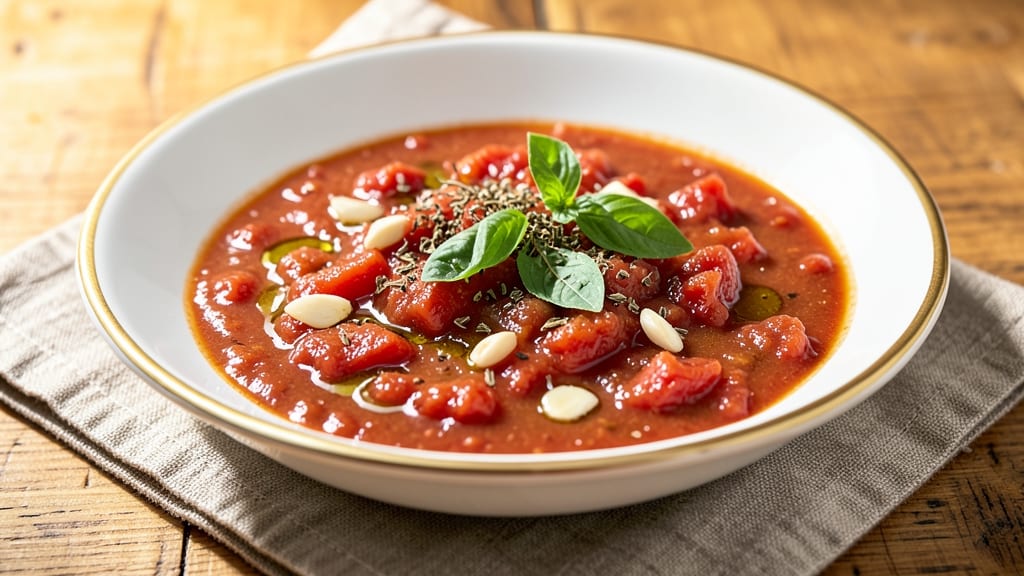
Creating Rao’s vodka sauce at home transforms your pantry staples into a silky, restaurant-quality emulsion that elevates any dish. The vodka’s alcohol content cooks off, leaving behind a rich, velvety texture that clings perfectly to pasta, meats, or appetizers.
My version simplifies the process while preserving the sauce’s signature depth—no special equipment required.
This recipe relies on a few key techniques: simmering tomatoes until deeply concentrated, blending in garlic and herbs for aromatic layers, and using vodka to create that signature smoothness. The result is a sauce that’s bold enough to stand alone yet versatile enough to complement any Italian-inspired meal.
Unlike store-bought versions, this one delivers a fresher taste with ingredients you likely already have.
What sets this vodka sauce apart is its ability to transform ordinary dishes into something extraordinary—think al dente pasta coated in a glossy, flavorful layer or grilled chicken basted with a rich, herby glaze.
The sauce keeps well in the refrigerator for up to 5 days or freezes beautifully for longer storage, making it perfect for meal prep.
Whether you’re serving a weeknight dinner or prepping for a dinner party, this Rao’s-inspired vodka sauce delivers professional results with minimal effort. Let’s get started on creating your own batch of this pantry-friendly essential.
Ingredients for rao's vodka sauce
Pantry staples meet restaurant-quality flavor in this velvety vodka sauce, where vodka's magic transforms simple ingredients into a rich, clinging emulsion.
| Ingredient | Amount | Notes |
|---|---|---|
| San Marzano Tomatoes 🍅 | 28 oz | Canned, whole peeled tomatoes |
| Vodka 🍸 | ¼ cup | High-quality, 80-proof minimum |
| Extra-Virgin Olive Oil 🫒 | ½ cup | Light fruity variety preferred |
| Garlic Cloves 🧄 | 6 cloves | Fresh, peeled, lightly crushed |
| Fresh Basil Leaves 🌿 | ½ cup | Packed, stems removed |
| Dried Oregano 🍃 | 1 tsp | Italian or Mediterranean blend |
| Diamond Crystal Kosher Salt 🧂 | 1 ½ tsp | Adjust to taste |
| Black Peppercorns 🌶️ | ½ tsp | Freshly cracked |
| Granulated Sugar 🍬 | 1 tsp | Balances acidity |
| Heavy Cream 🥛 | ¼ cup | Full-fat for creaminess |
San Marzano tomatoes are non-negotiable here—their natural sweetness and low acidity create the perfect base. Trader Joe's or Whole Foods carry them year-round, and the canned variety works just as well as fresh. The vodka should be high-quality (think Smirnoff No. 21 or Belvedere), not the cheap stuff—it’s what gives the sauce that signature silky texture. Fresh basil is ideal, but if you’re using dried, reduce to one-third the amount and add it at the very end. The garlic? Lightly crush the cloves with the flat side of your knife—this releases flavor without turning bitter.
No vodka on hand? Substitute with white wine or even more tomato paste, but the sauce won’t have the same velvety finish. Swapping heavy cream for half-and-half cuts richness but still works in a pinch. For a dairy-free version, use coconut cream—just know the texture will be slightly thicker. The sugar balances the acidity, so if your tomatoes are particularly tart, add an extra half-teaspoon. And if you’re short on time, pre-minced garlic from the jar saves steps, though fresh is always better.
This sauce peaks after 2-3 days in the fridge, so make extra—it’s perfect for meal prep. Store in an airtight container with a thin layer of olive oil on top to preserve freshness. Freezes beautifully for up to 3 months, though the texture may separate slightly upon thawing. Just stir and reheat gently to restore that silky consistency. I always double the batch: one for pasta night, one for grilled chicken the next day.
Why You'll Love This Recipe
- No Chopping Nightmare: I swear by this sauce because it’s actually low-effort—just peel the garlic, crush it, and toss it in. The San Marzano tomatoes do all the work for you, breaking down into silky perfection while you sip your wine (or vodka, if you’re feeling fancy).
- That Vodka Kick: Between us, the vodka isn’t just for booze—it cuts through the acidity and deepens the flavor into something dangerously good. One sniff of that simmered garlic and basil, and you’ll understand why this sauce gets devoured faster than my willpower on a lazy Sunday.
- Pasta Party Ready: This sauce plays well with everyone—drizzle it over spaghetti, toss it with grilled chicken, or slather it on garlic bread. Honestly, I’ve even used it as a marinade for shrimp, and it never lets me down. (Yes, even on a Tuesday night.)
- Fridge Goldmine: Make a big batch, and you’ll thank me later. The flavor only gets better after a day or two in the fridge, and it freezes like a dream. That means fewer takeout nights and more money saved—because who needs delivery when you’ve got this?
Step-by-step instructions for Rao's vodka sauce recipe
Here's how to create that iconic, velvety vodka sauce with just a few simple techniques.
Build the Tomato Base
Place the 28 oz San Marzano Tomatoes in a large, heavy-bottomed saucepan and crush them with your hands or a wooden spoon until they're broken down into large chunks. This preserves some texture while releasing juices. Add the 0.25 cup Vodka and stir well to distribute evenly.
Bring the mixture to a gentle simmer over medium heat and let it cook uncovered for 15-20 minutes. You'll see the vodka alcohol burn off completely—this is crucial for that authentic flavor. Stir occasionally to prevent sticking, and watch for the sauce to reduce slightly while concentrating its sweetness. The vodka's high proof ensures a clean burn without harsh aftertastes, leaving behind just the right amount of depth.
Infuse with Aromatics
Once the tomato-vodka mixture has reduced, add the 0.5 cup Extra-Virgin Olive Oil, 6 cloves Garlic Cloves, 1 tsp Dried Oregano, 1.5 tsp Diamond Crystal Kosher Salt, 0.5 tsp Black Peppercorns, and 1 tsp Granulated Sugar. Stir everything together and let it simmer gently for another 10 minutes on medium-low heat.
The garlic should soften but not brown—this prevents bitterness and ensures a smooth finish. The sugar balances the acidity from the tomatoes, while the olive oil emulsifies as it cooks, creating the foundation for that signature silky texture. Taste occasionally to monitor seasoning, adjusting salt if needed. This is where the sauce develops its complex, layered flavor profile that makes Rao's so special.
Create the Emulsion
Reduce the heat to low and carefully whisk in the 0.5 cup Fresh Basil Leaves and 0.25 cup Heavy Cream. The basil should be added whole—it will soften and release its aromatic oils without turning mushy. Let the sauce simmer gently for 5-7 minutes, stirring frequently to prevent the cream from curdling.
This is the moment that matters: the cream and olive oil will begin to emulsify, creating that luxurious, velvety texture. You'll notice the sauce thicken slightly and develop a glossy sheen. If it starts to look too thick, add 1-2 tablespoons of water to loosen it to your desired consistency. The sauce should coat the back of a spoon smoothly without being gluey.
Finish and Rest
Remove the sauce from heat and let it rest for 10 minutes before serving. This resting period allows the flavors to meld completely and the emulsion to stabilize. Taste and adjust seasoning one final time—you might need a touch more salt or pepper to balance the creaminess.
For the best results, serve the sauce immediately over pasta or polenta, but it will keep in the refrigerator for up to 5 days if stored properly in an airtight container. The sauce will thicken further as it cools, so you may want to whisk in a splash of water or pasta water when reheating. The vodka's lingering presence gives this sauce its signature depth and complexity that separates it from traditional tomato sauces.
Pro Tips For Making Rao'S Vodka Sauce
- Simmer the Vodka: Pour the vodka in first, then immediately turn the heat to medium-high—you want it to boil off fast (about 2-3 minutes). I used to let it sit too long, and the sauce ended up tasting like a sad, boozy puddle instead of bright and complex. The goal is to burn off the alcohol, not turn the pot into a distillery.
- Crush Those Garlic Cloves: Smash the garlic with the flat side of your knife before adding it—this releases more flavor without burning. I skipped this once and ended up with bitter, raw garlic chunks in an otherwise perfect sauce. A quick 30-second job that makes a real difference.
- Salt the Tomatoes Early: Add a pinch of salt (about ½ teaspoon) to the crushed San Marzano tomatoes right when you dump them in the pot. This helps break down the skins and pulls out more juice, giving you a smoother, richer sauce. I learned this the hard way after straining a batch with tough, unyielding tomato bits.
- Finish with Cold Basil: Tear the basil leaves and add them after the sauce is off the heat—this keeps their bright green color and fresh flavor instead of wilting into a sad, brown mush. I was skeptical until I tried it; now I swear by it. Just stir and serve immediately.
Essential equipment for rao's vodka sauce
Heavy-Bottomed Saucepan
This is your most critical tool—look for an 8-10 quart stainless steel or enameled cast iron pan like the All-Clad D5 or Le Creuset Dutch oven. These materials distribute heat evenly and prevent scorching, which is crucial when simmering the vodka-tomato base.
My 10-quart Lodge enameled Dutch oven has become my go-to for this recipe because it handles the long simmer without hot spots. 🔥
Immersion Blender
While you can blend the sauce in batches with a regular blender, an immersion blender like the Ninja BN601 makes this process seamless. It lets you blend directly in the saucepan, reducing cleanup and preventing splatter.
I use mine after the initial simmer to create a silky texture without breaking the emulsion. Just blend on low for 10-15 seconds—don’t overdo it or you’ll emulsify too much oil.
Fine-Mesh Strainer
A stainless steel fine-mesh strainer (like the OXO Good Grips) helps remove any tomato skins or herb stems that might make the sauce grainy. I like to line it with a cheesecloth for an extra-smooth finish.
Skip this step if you prefer a rustic texture, but for that velvety Rao’s consistency, straining is key. The strainer should fit comfortably over your saucepan to avoid spills.
Whisk and Wooden Spoon
Your whisk should be silicon-coated (like the OXO Good Grips) to prevent scratching your saucepan, and a wooden spoon helps stir gently during the emulsion stage. I keep both within arm’s reach while cooking—whisking the sauce when adding cream ensures a smooth, lump-free finish.
A heatproof spatula also comes in handy for scraping up any stuck-on bits during the simmer.
Measuring Tools
Precision matters with vodka sauce, so invest in a stainless steel measuring set (like the OXO Stainless Steel) for accurate vodka and cream measurements. A digital kitchen scale (such as the Escali Primo) is ideal for weighing tomatoes if you prefer that method.
I measure my vodka in a liquid measuring cup with clear markings to ensure I use exactly 0.25 cup—this amount is crucial for the alcohol burn-off and flavor balance. 💡
Storage Containers
For leftovers, use glass airtight containers (like Pyrex or Le Parfait) with wide mouths for easy access. These preserve the sauce’s freshness and allow you to layer it with olive oil to prevent oxidation.
I also recommend silicone lids for a snug seal. If freezing, opt for freezer-safe plastic bags with quart or gallon capacity—leave 1 inch headspace to account for expansion.
Nutrition facts
Frequently asked questions
Why does Rao's vodka sauce have such a smooth texture?
The silky emulsion comes from the combination of olive oil and heavy cream that bond during simmering. The vodka helps break down the tomatoes while its alcohol burns off, creating a velvety base. Stirring constantly during the final stage prevents lumps and ensures that signature Rao's consistency.
Can I make this sauce without vodka?
Yes, but the texture and flavor will differ. Substitute with white wine (same amount) or extra tomato paste (2 tablespoons). For a dairy-free version, use coconut cream instead of heavy cream—just know it'll be thicker. The vodka's unique burn-off creates depth that's hard to replicate.
How do I fix a broken emulsion if the sauce separates?
If your sauce splits, whisk in 1 tablespoon of cold water or pasta water while stirring vigorously. For stubborn separation, mix 1 teaspoon of cornstarch with 2 tablespoons cold water, then slowly stir into the sauce while heating gently. The emulsion should re-form within minutes.
What's the best way to reheat leftover vodka sauce?
Gently reheat on low heat in a saucepan, stirring frequently to prevent scorching. If too thick, add 1-2 tablespoons of water or pasta water to restore smoothness. For microwave reheating, use 30-second intervals on low power, stirring between each. Never boil—this can break the emulsion.
Can I use this sauce on dishes other than pasta?
This versatile sauce works beautifully on grilled chicken, polenta, bruschetta, or even as a dipping sauce for calamari. For meats, reduce the sauce slightly first to intensify the flavor. The vodka's depth makes it perfect for rich dishes like beef tenderloin or shrimp scampi.