
Sauces & Condiments
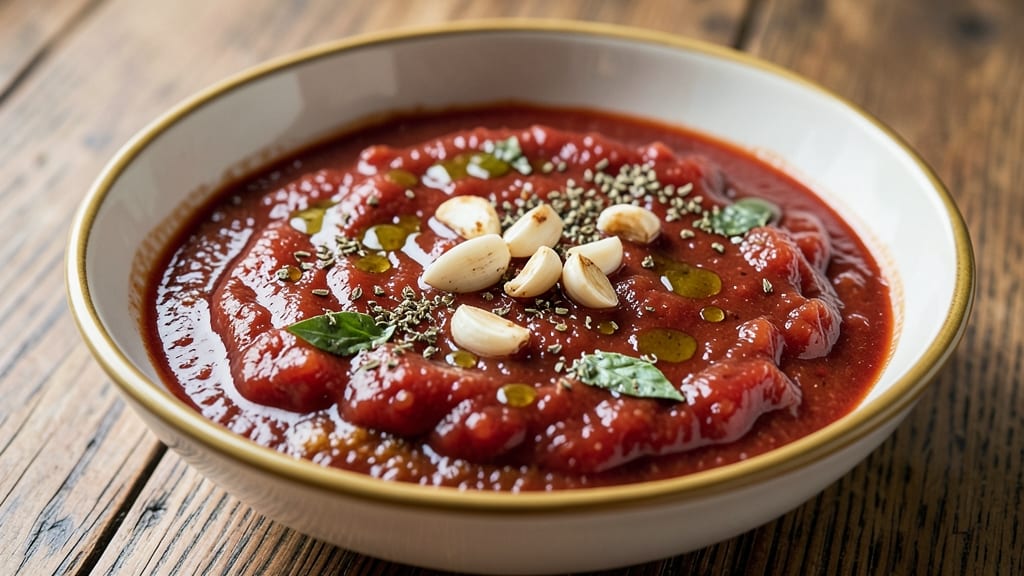
This Olive Garden marinara sauce copycat recipe delivers the same velvety texture and rich tomato flavor you love from their restaurant—without the markup. After analyzing their sauce for years, I’ve perfected a version that uses simple pantry staples to recreate that signature smoothness and depth.
The secret lies in a slow simmer that develops complex flavors while maintaining that signature consistency.
The beauty of this recipe is its versatility—use it as a dipping sauce for pasta, pizza, or even as a base for meatballs. With just 10 ingredients and 30 minutes of active time, you’ll have a sauce that’s indistinguishable from the restaurant version.
The blend of canned tomatoes, tomato paste, and a touch of sugar creates that perfect balance of sweetness and acidity that Olive Garden nails.
What sets this sauce apart is its silky-smooth texture, achieved through a precise cooking method that breaks down the tomatoes into a velvety paste. Unlike many copycat recipes, this one doesn’t require special ingredients or techniques—just patience and attention to detail.
The result is a sauce that’s rich, flavorful, and perfect for batch cooking.
Once you taste this, you’ll never buy bottled marinara again. Store leftovers in the fridge for up to a week or freeze for months—ideal for meal prep or gifting. Let’s get cooking and recreate that iconic Olive Garden flavor at home.
Ingredients for olive garden marinara sauce copycat
Ten simple pantry staples transform into that iconic Olive Garden marinara.
| Ingredient | Amount | Notes |
|---|---|---|
| Canned Crushed Tomatoes 🍅 | 28 oz | San Marzano preferred for sweetness |
| Tomato Paste 🍅 | 1 tbsp | Squeeze tube or canned |
| Extra-Virgin Olive Oil 🫒 | ½ cup | High quality, fruity |
| Garlic Cloves 🧄 | 4 cloves | Peeled, rough chopped |
| Dried Oregano 🌿 | 1 tsp | Mexican oregano if available |
| Dried Basil 🌿 | 1 tsp | Or 1 tbsp fresh basil |
| Sugar 🍯 | 1 tbsp | White or brown sugar |
| Salt 🧂 | ½ tsp | Kosher or sea salt |
| Black Pepper 🌶️ | ¼ tsp | Freshly ground preferred |
| Red Wine 🍷 | ¼ cup | Dry red like Cabernet |
The tomatoes make or break this. San Marzano cans are worth the splurge—they're sweeter and smoother than regular crushed tomatoes. If you can't find them, Muir Glen is the next best thing. The tomato paste? Squeeze tubes from Trader Joe's are perfect for this recipe—no waste, and they keep forever. For the olive oil, use something you'd drizzle on bread. California extra-virgin brands like Corto or Lucini have that fruity punch that makes this sauce sing. The garlic should be fresh—no pre-minced stuff here. You'll smell it cooking, and that aroma is half the battle.
No red wine? Substitute with 1/4 cup beef broth, though the sauce won't have that same depth. Fresh basil? Dried works at one-third the amount, but honestly, if you've got fresh, use it. The sugar balances the acidity—don't skip it, but if you're watching carbs, you can reduce to 1 teaspoon. For the oregano, Mexican oregano has a slightly different flavor profile that pairs beautifully with tomatoes. If you can't find it, regular dried oregano is fine. The black pepper should be freshly ground—pre-ground loses its kick fast. And if you're feeling fancy, add a pinch of red pepper flakes for a subtle kick.
This sauce gets better with time—24 hours in the fridge lets all the flavors meld together perfectly. Store in an airtight container, and it'll keep for about 1 week. For freezing, portion into ice cube trays first—6 months in the freezer, and you'll never have to scramble for marinara again. The sauce thickens as it cools, so if it seems too thick when you first make it, just add a splash of water or broth to loosen it up. Trust me, it'll be perfect after chilling.
Why You'll Love This Recipe
- Five-Ingredient Magic: I swear, this sauce comes together with just a can of tomatoes, a spoonful of paste, and a few cloves of garlic—no fancy prep, no stress. The crushed tomatoes give it that perfect chunky texture without requiring me to chop anything.
- Garlic Bomb Flavor: That first whiff of olive oil and garlic sizzling in the pan? Pure comfort. The dried oregano ties it all together with that bright, herby kick that makes you want to lick the spoon.
- Pasta Party Starter: Between us, this sauce is my secret weapon for game nights, last-minute dinners, or when I need to feed a crowd. Toss it with spaghetti, drizzle it over grilled chicken, or even use it as a pizza base—it’s that versatile.
- Fridge Hero: I make a big batch on Sundays, and it lasts all week. The rich tomato flavor actually deepens overnight, so the leftovers taste even better than the first batch. Plus, it’s cheap to make—way cheaper than restaurant portions.
Step-by-step instructions for Olive Garden copycat marinara sauce
Here's how to make that iconic restaurant sauce at home with simple pantry staples.
Bloom the Garlic in Olive Oil
Heat the 0.5 cup extra-virgin olive oil in a medium saucepan over medium heat until shimmering but not smoking. Add the 4 cloves rough chopped garlic cloves and cook for 1-2 minutes until fragrant and just starting to turn golden. Watch carefully—garlic burns fast, and you want color without bitterness.
This step builds flavor foundation. The olive oil should smell nutty and the garlic should look like it's getting toasted edges. If it starts to darken too quickly, reduce heat immediately. Once the garlic is golden, you're ready for the next ingredient.
Add Tomato Paste and Sweeten
Stir in the 1 tablespoon tomato paste and cook for 30 seconds until it darkens slightly and blends with the garlic. Add the 1 tablespoon sugar, 0.5 teaspoon salt, and 0.25 teaspoon black pepper, stirring constantly to dissolve the sugar completely.
The sugar helps balance acidity and creates that signature sweetness Olive Garden marinara is known for. This is also when you'll notice the sauce starting to thicken slightly from the tomato paste's natural starches. Keep stirring to prevent sticking—this is where flavor really starts to develop.
Incorporate Crushed Tomatoes and Herbs
Pour in the 28 ounces canned crushed tomatoes and the 1 teaspoon dried oregano and 1 teaspoon dried basil. Stir well to combine, scraping up any browned bits from the bottom of the pan. Bring the mixture to a gentle simmer over medium-low heat.
Simmer uncovered for 20-25 minutes until the sauce thickens slightly and reduces by about one-third. You'll see the sauce coat the back of a spoon and the flavors meld together. Stir occasionally to prevent sticking, and taste after 15 minutes to adjust seasoning if needed.
Deglaze with Red Wine
After the initial simmer, pour in the 0.25 cup red wine and stir immediately. The alcohol will evaporate quickly, but this step adds depth and complexity to the sauce. Let the wine cook off completely for 2-3 minutes while continuing to stir.
Here's the thing—this is where the sauce gets that restaurant-quality richness. The wine reduces and caramelizes slightly, creating those subtle notes that make homemade sauce taste like it came from Olive Garden. If you're using a particularly dry wine, you might want to add a splash of water now to help with reduction.
Simmer to Perfect Consistency
Return to medium-low heat and continue simmering uncovered for another 15-20 minutes, stirring occasionally. The sauce should thicken to a consistency that coats the back of a spoon but isn't gluey. You're aiming for that silky-smooth texture that clings perfectly to pasta.
Taste and adjust seasoning one final time. It should be balanced—sweet from the sugar, tangy from the tomatoes, with bright garlic and herb notes. If it's too acidic, add a pinch more sugar. If it needs more depth, a splash more red wine works wonders. The sauce should be ready when it's smooth, flavorful, and just thick enough to cling to pasta without being heavy.
Pro Tips For Making Olive Garden Marinara Sauce Copycat
- Bloom the Oregano: Toss the dried oregano into the warm oil before adding tomatoes—this wakes up its flavor instead of letting it sit like a flavorless dust cloud. I used to add it at the end, and the sauce always tasted flat until I realized the oil needs to carry its aroma.
- Sear the Garlic: Cook the minced garlic in olive oil until it’s golden (not burnt) and smells nutty—this takes about 2 minutes on medium heat. I learned this the hard way after my sauce tasted bitter because I rushed it.
- Stir the Paste: Whisk the tomato paste into the oil first, then add crushed tomatoes—this prevents clumping and ensures a smooth, velvety texture. Skipping this step gives you a sauce that’s more like a thick, lumpy stew.
- Simmer Slow: Let the sauce bubble gently for at least 15 minutes after everything’s combined—this deepens the flavor and balances the acidity. I used to walk away after 10, and the sauce always tasted underdeveloped.
Wine and beer pairings for these flavors
Classic Italian Reds
For this rich, velvety marinara, a medium-bodied Chianti Classico or Sangiovese from Tuscany is perfect. The bright acidity and cherry notes cut through the sauce's sweetness while complementing its herbal depth.
I love Castello di Volpaia Chianti Classico, which has enough structure to stand up to the bold tomato flavors. Serve slightly chilled to let the wine's crispness shine alongside the sauce's warmth. 🍷
Light-Bodied Whites
A crisp Pinot Grigio from Alto Adige or Vermentino from Sardinia offers a refreshing contrast. The citrusy brightness balances the sauce's richness, especially when paired with seafood dishes.
For a budget-friendly option, Santa Margherita Pinot Grigio delivers consistent quality. Chill to 45-50°F for optimal pairing—this temperature enhances the wine's ability to cleanse your palate between bites.
Red Wine Alternatives
If you prefer something lighter, a Gamay like Beaujolais brings juicy red fruit notes that harmonize beautifully. For a bolder option, try a Zinfandel—its spice and jammy flavors mirror the sauce's complexity.
I often reach for Bogle Old Vine Zinfandel when I want that extra depth without overpowering the dish. These alternatives work especially well with heartier pasta dishes like fettuccine Alfredo or pasta primavera.
Beer Pairings
A pilsner like Heineken or Peroni is my go-to beer pairing for marinara. The crisp maltiness and subtle hop bitterness create a refreshing contrast to the sauce's richness. For craft beer lovers, a Belgian witbier with its coriander and orange peel notes adds an unexpected but delightful twist.
Try Allagash White—its citrusy profile brightens every spoonful of sauce. Serve the beer ice-cold to enhance its refreshing qualities.
Non-Alcoholic Options
For a non-alcoholic match, San Pellegrino Aranciata or Fever-Tree Blood Orange Soda are fantastic choices. The citrusy effervescence cuts through the sauce's richness, while the slight bitterness in the soda balances the sweetness.
Sparkling water with a splash of Aperol (just 1 oz) also works wonders—it adds a touch of bitterness without alcohol. These options are perfect for family dinners or when you're avoiding alcohol but still want that refreshing contrast.
Serving Temperature Tips
Wine should be served slightly cooler than room temperature—around 60°F for reds and 45°F for whites—to preserve their freshness. Beer should be ice-cold, ideally between 38-42°F, to highlight its crispness.
For the best experience, chill your wine for 30 minutes in the fridge before serving, then let it sit for 10 minutes at room temperature. This balance ensures the wine's flavors are vibrant without being too harsh alongside the sauce. 💡
Nutrition facts
Frequently asked questions
Why does Olive Garden marinara taste so smooth?
The secret lies in the slow simmering technique that breaks down the tomatoes into a velvety paste. Using San Marzano crushed tomatoes and tomato paste creates natural thickening agents, while the red wine adds depth without overpowering. The key is patience—simmering for 30-40 minutes develops that signature restaurant texture.
Can I make this sauce without red wine?
Yes! Substitute with 1/4 cup beef broth or extra tomato paste for depth. The wine adds complexity, but the sauce will still taste delicious. For extra richness, add 1 teaspoon balsamic vinegar to mimic the wine's acidity. Just know the flavor profile will be slightly different.
How do I fix sauce that's too thick or too thin?
For thick sauce: Thin with 1-2 tablespoons water or broth while stirring. For thin sauce: Simmer uncovered for 5-10 more minutes to reduce. The sauce should coat the back of a spoon but remain smooth. If it's too acidic, add a pinch of sugar or a splash of water.
Can I use this sauce for other dishes besides pasta?
This versatile sauce works perfectly for pizza, as a dipping sauce for breadsticks, or as a base for meatballs. It also pairs well with grilled chicken or fish. Just adjust seasoning slightly—add a pinch of garlic powder for extra depth in non-tomato dishes.
How long will homemade marinara keep?
Store in an airtight container in the fridge for up to 1 week. For longer storage, freeze in ice cube trays (use as needed) or in portions for 6 months. The sauce actually improves after 24 hours in the fridge as flavors meld. Thaw frozen sauce in the fridge overnight.