
Sauces & Condiments
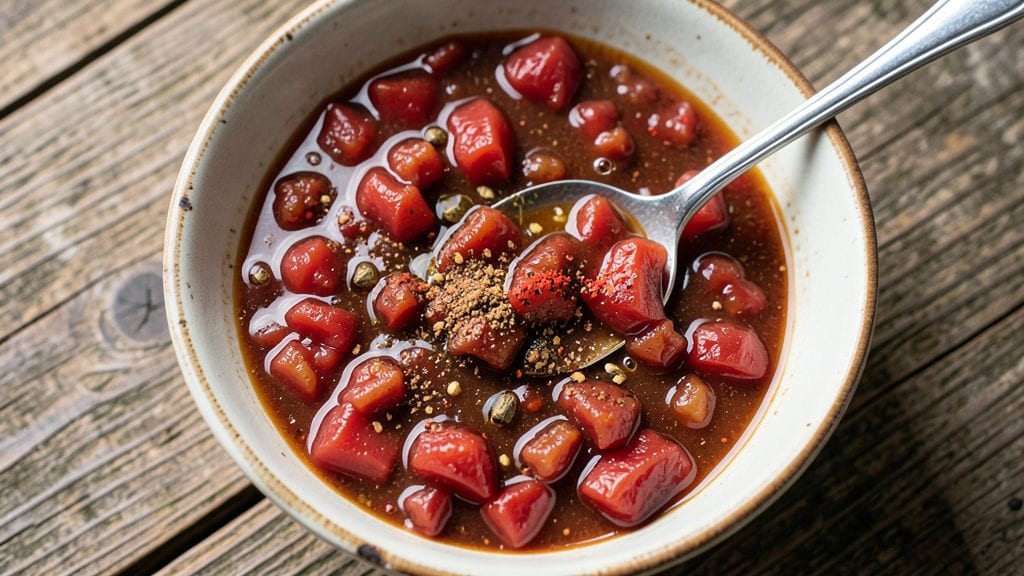
This old-fashioned chili sauce recipe transforms simple pantry staples into a smoky-sweet condiment that bridges the gap between heat and depth.
The secret lies in slow simmering tomatoes, vinegar, and a careful balance of spices—cayenne for kick, cinnamon for warmth, and cloves for complexity—until the flavors meld into something rich and addictive.
I developed this version after years of searching for a sauce that tasted like childhood memories: tangy, slightly sweet, and packed with that unmistakable chili-house aroma.
The beauty of this recipe is its versatility—it works as a dipping sauce for fries, a glaze for grilled meats, or a topping for baked potatoes.
Unlike store-bought versions, this sauce builds flavor over time, rewarding patience with layers of smoky depth and a perfect balance of heat and sweetness. The ingredients are all pantry staples, and the process requires just 30 minutes of active time plus simmering, making it ideal for batch cooking.
What you’ll end up with is a thick, glossy sauce that coats the back of a spoon and clings to every bite. The tomatoes break down into a velvety base, while the vinegar and spices create a tangy-sweet profile that’s both bold and approachable.
This isn’t just a condiment—it’s a flavor multiplier that elevates any dish it touches.
Store it in sterilized jars for up to 6 months on the shelf or refrigerate for freshness, though I find the flavor only improves with age. Whether you’re canning a batch for gifts or keeping a jar on hand for quick meals, this sauce delivers restaurant-quality heat without the fuss.
Let’s get simmering.
Ingredients for old fashioned chili sauce
Pantry staples simmered into smoky-sweet heat—just ten ingredients for restaurant-quality sauce.
| Ingredient | Amount | Notes |
|---|---|---|
| Canned San Marzano Tomatoes 🍅 | 28 oz | Crushed by hand for texture |
| Apple Cider Vinegar 🍏 | ½ cup | Bragg preferred for depth |
| Granulated Sugar 🍬 | ½ cup | Light brown for caramel notes |
| Cayenne Pepper 🔥 | 1 ½ tbsp | Adjust for heat preference |
| Ground Cinnamon 🍃 | 1 tsp | Freshly ground for warmth |
| Ground Cloves 🌶️ | ½ tsp | Whole cloves toasted preferred |
| Garlic Powder 🧄 | 1 tsp | Freshly ground for depth |
| Diamond Crystal Kosher Salt 🧂 | 1 tsp | Fine grain preferred |
| Smoked Paprika 🌶️ | 1 tbsp | For authentic smoky aroma |
| Black Peppercorns 🌶️ | ½ tsp | Freshly cracked preferred |
San Marzano tomatoes are non-negotiable here—their sweet, meaty flavor stands up to the vinegar and spices. Trader Joe's and Whole Foods carry them year-round, but if you're in a pinch, any high-quality canned tomatoes will work (just taste first). The vinegar is where the tang happens—Bragg apple cider vinegar has the perfect balance of sweetness and acidity, but any good-quality vinegar will do. For the spices, Penzeys or bulk bins at natural food stores give you the freshest, most flavorful options. If you're using whole cloves, toast them in a dry pan for 30 seconds to release their aroma before grinding—they make all the difference.
No San Marzano? Crushed tomatoes work in a pinch, but you might need to add an extra pinch of sugar to balance the acidity. Short on apple cider vinegar? White vinegar or red wine vinegar both work, though they'll give slightly different tang profiles. Want less heat? Cut the cayenne to 1 teaspoon or swap for red pepper flakes. The smoked paprika is key for that authentic chili-house aroma—substitute regular paprika plus a pinch of liquid smoke if you're missing it. For the sugar, light brown sugar adds subtle caramel notes, but white granulated works fine if that's what you've got. And if you're out of garlic powder, fresh garlic minced and cooked down gives a whole new depth of flavor.
This sauce only gets better with time—flavor develops for up to 6 months in sterilized jars. For canning, use the water bath method for 90 minutes to ensure safety. In the fridge, it keeps for 3-4 months, though I find the flavor peaks after about 2 weeks. Store in glass jars with tight lids to preserve freshness. The sauce thickens as it cools, so don't worry if it looks too thin right after simmering. If it's too thick later, just stir in a splash of water or vinegar to loosen it up.
Why You'll Love This Recipe
- Pantry Magic: I swear by this recipe because it uses what’s already in my cupboard—no special shopping needed. Open a can of San Marzano tomatoes, grab the vinegar and spices, and boom: you’re making something that tastes like it simmered all day.
- Sweet Heat Balance: That first bite? The sugar and cayenne play off each other in the best way—bright, tangy, with just enough kick to linger. Honestly, it’s the kind of sauce that makes you reach for seconds without even thinking.
- Game for Any Meal: Slather it on grilled chicken, drizzle over baked beans, or toss it with fries—it’s my go-to for weeknights or potlucks. Between us, it’s the secret weapon I keep in the fridge for when I need flavor fast.
- No Waste, All Win: A single batch stretches for days, and the ingredients cost less than takeout. Plus, it freezes like a dream, so I always have a jar ready when cravings hit. My wallet and I both approve.
Step-by-step instructions for old fashioned chili sauce
This smoky-sweet sauce comes together in under 45 minutes with just pantry staples.
Crush the Tomatoes by Hand
Pour the 28 oz canned San Marzano tomatoes into a large bowl and crush them with your hands until you achieve a chunky texture with some small pieces remaining. I like to work in batches if needed, pressing the tomatoes against the side of the bowl to break them down. This manual crushing creates the perfect balance of texture - some small chunks for bite while still allowing the sauce to coat properly. Don't worry about getting it perfectly smooth; those little tomato pieces add character and prevent the sauce from being too thin.
Set the crushed tomatoes aside while you prepare the remaining ingredients. The natural sweetness of San Marzano tomatoes forms the base of this sauce, so we're not adding any other tomato products. This step also helps release the tomatoes' natural juices, which will develop into a rich, velvety sauce as it simmers.
Combine All Dry Ingredients
In a medium bowl, whisk together the 0.5 cup granulated sugar, 1.5 tbsp cayenne pepper, 1 tsp ground cinnamon, 0.5 tsp ground cloves, 1 tsp garlic powder, 1 tsp diamond crystal kosher salt, 1 tbsp smoked paprika, and 0.5 tsp freshly cracked black peppercorns. This is where all the magic happens - the spices blend to create that perfect balance of sweet, spicy, and smoky flavors that define old-fashioned chili sauce. Make sure to break up any clumps in the spices, especially the cayenne and cloves, so they distribute evenly throughout the sauce.
The smoked paprika is particularly important here - it's what gives the sauce its authentic smoky depth without needing any actual smoke. I like to give this mixture a good stir with a whisk to ensure every particle of spice gets incorporated. This dry blend will transform from a simple collection of spices into the aromatic foundation of our sauce once it hits the liquid.
Simmer the Sauce Until Thickened
Transfer the crushed tomatoes to a heavy-bottomed saucepan and bring to a gentle boil over medium heat. Once boiling, immediately reduce the heat to low and stir in the dry spice mixture. Add the 0.5 cup apple cider vinegar all at once and give everything a thorough stir to combine. The vinegar will help balance the sweetness and add a bright tang that cuts through the richness.
Let the sauce simmer uncovered for 30-40 minutes, stirring occasionally. You're looking for the sauce to reduce by about one-third and thicken noticeably - it should coat the back of a spoon when you lift it out. The color will deepen to a rich, ruby red, and you'll notice an intense aroma of spices and vinegar filling your kitchen. This slow simmering allows all the flavors to meld together and develop that complex, layered taste that makes this sauce so special.
Adjust Consistency and Seasoning
After simmering, taste the sauce and adjust the seasoning if needed. You might find you need a touch more cayenne for heat, or perhaps a bit more sugar to balance the acidity from the vinegar. The sauce should be sweet, spicy, and tangy all at once, with that underlying smokiness from the paprika. If the sauce is too thick for your liking, you can thin it slightly by adding 1-2 tablespoons of water or apple juice, stirring well to incorporate.
Let the sauce cool slightly before serving. The flavors will continue to develop as it cools, becoming even more complex. This sauce tastes best when served at room temperature or slightly warm, which makes it perfect for drizzling over hot dogs, grilled meats, or even as a dip for fries. The texture should be thick enough to coat but still pourable - it should cling beautifully to whatever you're serving it with.
Pro Tips For Making Old Fashioned Chili Sauce
- Simmer Slow and Steady: This isn’t a race—keep the heat at a gentle simmer for at least 30 minutes. I used to rush it, and the sauce ended up thin and one-note. Low heat lets the San Marzano tomatoes break down properly, deepening their sweetness and letting the cinnamon and cayenne mingle without burning.
- Whisk in the Vinegar Last: Add the apple cider vinegar just before you take the sauce off the heat. Stirring it in too early can make the sauce taste harsh and raw. Wait until the flavors have melded, then brighten it up—it’ll balance the sweetness and cut through the richness like a knife.
- Toast the Spices First: Bloom the cinnamon and cayenne in a dry pan for 30 seconds before adding them to the sauce. Sounds weird, but it works: the spices release their oils and aroma, giving the sauce a warm, earthy depth instead of just a dusting of flavor. (Yes, even if you’re impatient like me.)
- Strain for Smoothness (Optional): If you’re serving this sauce for company or want a restaurant-worthy finish, strain it through a fine-mesh sieve after simmering. The San Marzano skins and any stray seeds will make it look rustic, but a smooth sauce feels like a luxury. I skip this when I’m lazy, but the dish is noticeably better when I don’t.
Best sauces and condiments for this recipe
Classic Chili Dog Topping
This sauce is a game-changer for chili dogs—drizzle it generously over hot dogs with a sprinkle of crumbled cheddar cheese and diced white onions. The smoky-sweet heat cuts through the richness of the dog perfectly.
I like to serve it with a side of crinkle-cut fries for dipping. For extra indulgence, add a dollop of mayonnaise on top of the sauce to create a creamy contrast. 🌭
Grilled Meat Glaze
Use this sauce as a finishing glaze for grilled meats like ribeye steaks or pulled pork. Brush it on during the last 5 minutes of grilling to caramelize the sugars and deepen the smoky flavor.
It pairs especially well with smoked brisket—the sauce's tanginess complements the meat's richness. For extra drama, reduce the sauce slightly before applying to create a thicker, more concentrated glaze. 🔥
Baked Potato Elevator
Transform a simple baked potato into a gourmet dish by ladling this sauce over the top. Top with shredded cheddar, crispy bacon bits, and a dollop of sour cream for a loaded potato that rivals any chili house.
The sauce's thickness helps it cling to the potato, making every bite flavorful. For a vegan twist, swap the sour cream for cashew cream. 🥔
Breakfast Hash Enhancer
Add a spoonful of this sauce to your breakfast hash—it pairs surprisingly well with sausage, potatoes, and bell peppers. The sweet-spicy heat balances the savory flavors, and the smoky notes add depth.
I also like to drizzle it over scrambled eggs for a breakfast that feels like a full meal. For extra richness, mix in a spoonful of Greek yogurt to create a creamy-saucy topping. 🍳
Dipping Sauce for Fries
This sauce is a crowd-pleaser for fries—its thick, glossy texture makes it perfect for dipping. Serve it alongside steak fries or sweet potato fries for a flavorful contrast. For a spicy kick, add a pinch of extra cayenne to the sauce before serving.
It also works as a dip for onion rings or mozzarella sticks, adding a tangy-sweet twist. 🍟
BBQ Sauce Substitute
Use this sauce as a BBQ sauce alternative for grilled chicken or ribs. Its smoky-sweet profile works well with pulled pork sandwiches or as a marinade for grilled shrimp.
For a smoky twist, mix it with a little honey or maple syrup before applying. The sauce's thickness makes it ideal for basting, ensuring every bite is flavorful. 🍗
Nutrition facts
Frequently asked questions
Can I substitute white vinegar for apple cider vinegar?
Yes, you can use white vinegar, but it will give your sauce a slightly sharper, more acidic tang. For a milder flavor closer to apple cider, try red wine vinegar instead. The key is to use the same amount (0.5 cup) to maintain the sauce's balance of sweetness and acidity.
How do I adjust the heat level if cayenne is too spicy?
Start by reducing the cayenne to 1 teaspoon instead of 1.5 tablespoons. For a milder heat, swap cayenne for red pepper flakes (use half the amount) or add a pinch of sugar to balance the spice. Taste as you go—you can always add more sweetness later if needed.
Why does my sauce look too thin after simmering?
Simmering longer (40-50 minutes) will thicken the sauce naturally as the tomatoes reduce. If it's still too thin, simmer uncovered for 10-15 extra minutes*. Alternatively, mix 1 tablespoon of cornstarch with 2 tablespoons water, stir it in, and simmer for 5 more minutes. Avoid adding flour directly—it can make the sauce grainy.
Can I make this sauce without canned tomatoes?
Fresh tomatoes work, but they require extra prep: Peel, seed, and chop 6-8 medium tomatoes (about 2 cups chopped). Simmer them first to break down the texture, then proceed with the recipe. For deeper flavor, roast the tomatoes at 400°F for 20 minutes before crushing. The sauce will be slightly less sweet but still delicious.
How long can I store this sauce in the fridge?
This sauce keeps in the fridge for 3-4 months in an airtight glass jar. The flavors actually improve over time! For best quality, use within 2 months—after that, the texture may thicken slightly, but it’s still safe. Freeze for up to 6 months if you won’t use it within that window. Thaw overnight in the fridge.