
Sauces & Condiments
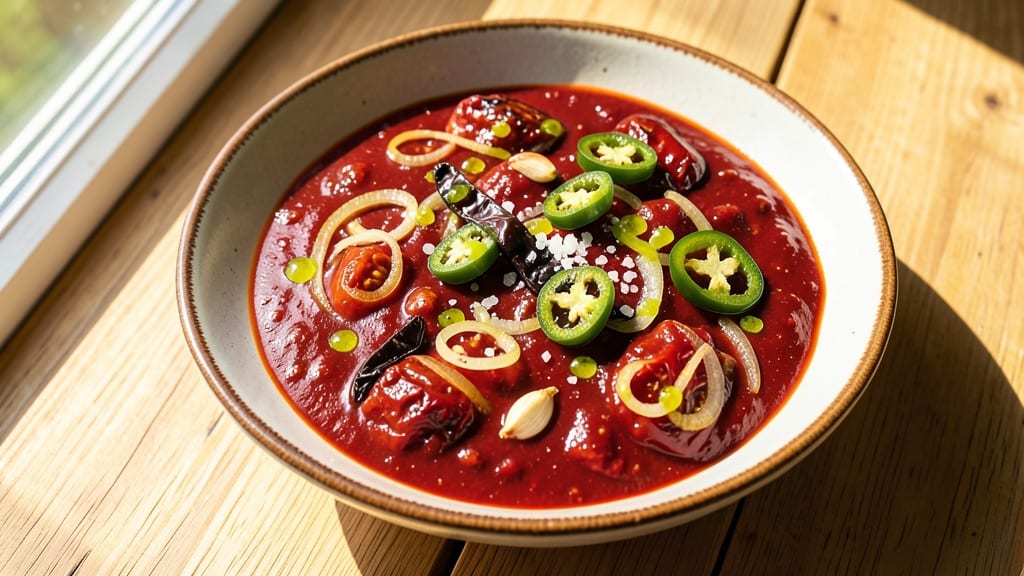
This Mexican red salsa sauce recipe transforms simple ingredients into a smoky, chipotle-infused condiment that elevates everything from tacos to grilled meats. The secret lies in roasting tomatoes and peppers to deepen their natural sweetness and caramelize their edges—no bottled shortcuts required.
I developed this version after years of testing store-bought salsas that never quite captured that perfect balance of heat, acidity, and depth.
The process is straightforward but precise: charring the vegetables over an open flame (or under a broiler) unlocks complex flavors that blending alone can't achieve. Garlic and onions form the aromatic base, while lime juice brightens the finished sauce, cutting through the richness.
What you'll end up with is a vibrant, chunky yet smooth sauce that's versatile enough for dipping, drizzling, or simmering into soups.
This recipe delivers restaurant-quality heat without the artificial aftertaste, and it keeps well in the fridge for up to a week—perfect for meal prep. The smoky chipotle notes linger just enough to satisfy cravings, while the acidity ensures each bite is balanced.
Whether you're serving it with fresh tortilla chips or using it as a marinade base, this sauce transforms ordinary meals into something extraordinary.
For those who prefer it smoother, simply blend longer; for texture lovers, leave some chunks intact. The possibilities are endless, but the foundation remains the same: authentic, smoky, and impossible to resist. Let's make it together—step by step.
Ingredients for mexican red salsa sauce
Simple ingredients elevated by smoky roasting and precise balancing for authentic Mexican red salsa sauce.
| Ingredient | Amount | Notes |
|---|---|---|
| Roma Tomatoes 🍅 | 2 lbs | Heirloom or vine-ripened preferred |
| Jalapeño Peppers 🌶️ | 3 whole | Seeds removed for mild heat |
| Yellow Onions 🧅 | 2 whole | Medium-sized, roughly chopped |
| Garlic Cloves 🧄 | 6 cloves | Peeled, rough chopped |
| Chipotle Peppers in Adobo 🌶️ | 2 whole | From can, minced |
| Fresh Lime Juice 🍋 | ½ cup | Freshly squeezed, strained |
| Extra-Virgin Olive Oil 🫒 | ¼ cup | High quality, fruity |
| Cumin Seeds 🌿 | 1 tsp | Toasted for depth |
| Diamond Crystal Kosher Salt 🧂 | 1 ½ tsp | Fine grain preferred |
| Fresh Cilantro 🌿 | ¼ cup | Chopped, stems removed |
The tomatoes and peppers are the foundation—heirloom or vine-ripened varieties develop deeper flavor when charred. Whole Foods or local farmers markets often carry superior quality, but standard grocery store Roma tomatoes work well for this application. Chipotle peppers in adobo sauce should be from a reputable brand like Goya or Heritage, as lower-quality versions can taste bitter. For the onions, yellow or white both work, but avoid sweet onions like Vidalia—they won't caramelize properly during roasting. Garlic should be freshly peeled just before use to prevent oxidation.
No chipotle peppers in adobo? Substitute smoked paprika at half the amount, though you'll lose some depth. Jalapeños too spicy? Remove seeds and membranes completely—the heat comes from the white pith. Fresh cilantro missing? Dried cilantro or Mexican oregano at one-third the amount provides similar earthiness. For the lime juice, Mexican limes (key limes) have more acidity than Persian limes, but either works. The olive oil should be extra-virgin with noticeable fruitiness—don't use light or refined oils, as they lack the necessary complexity for this sauce.
This sauce develops better flavor over time—refrigerate in an airtight container for up to 1 week, with the flavors deepening daily. For longer storage, freeze in ice cube trays for single-serving portions that keep for up to 3 months. The charred vegetables can be prepped ahead and stored in the fridge for 2 days before blending, though fresh roasting yields the best results. Always taste before serving—adjust salt and lime juice as needed, as storage can concentrate flavors.
Why You'll Love This Recipe
- Foolproof Basics: I swear by this recipe because it’s that simple—just blitz those Roma tomatoes, jalapeños, and onions in a food processor, toss in a couple of chipotle peppers for depth, and let it simmer. No peeling, no fancy techniques, just pure, no-fuss flavor.
- Smoky Heat Magic: That chipotle in adobo is where the sauce gets its soul—deep, smoky, and just a hint of spicy kick that lingers. Honestly, I’ll take this over store-bought any day, especially when the jalapeños add that bright, fresh punch.
- Your Secret Weapon: This sauce turns everything into a showstopper—drizzle it over grilled chicken, mix it into scrambled eggs, or use it as a marinade. I’ve even dumped it into a slow cooker with beans for a lazy Sunday lunch. It’s the kind of thing that makes you feel like a pro.
- Makes More Than You Need: Between us, I always double the batch. The leftovers keep for weeks in the fridge and freeze like a dream. Plus, it’s dirt cheap—tomatoes, onions, and peppers won’t break the bank, and you’ll have enough to feed the whole block. (Yes, even on a Tuesday night.)
Step-by-step instructions for Mexican red salsa sauce
Here's the method—smoky, vibrant, and packed with authentic depth.
Toast the Cumin Seeds and Prepare the Base Ingredients
Heat a dry skillet over medium heat and toast the 1 teaspoon cumin seeds for 1-2 minutes until they release their aroma and turn a deep golden brown. Immediately transfer them to a small bowl and let cool completely—this prevents bitterness in your sauce.
While the cumin toasts, prepare the remaining ingredients: halve the 2 pounds Roma tomatoes and remove their cores, then roughly chop them. Peel and roughly chop the 2 whole yellow onions. Remove seeds from the 3 whole jalapeño peppers and chop them into small pieces. Peel and roughly chop the 6 cloves garlic. Finally, mince the 2 whole chipotle peppers in adobo—this will carry the smoky depth of your sauce.
Char the Vegetables for Smoky Depth
Working in batches, char the chopped tomatoes, onions, jalapeños, and garlic directly over an open flame or under a broiler until they develop blackened spots and blistered skin. This step is critical—it caramelizes natural sugars and adds a smoky complexity that can't be replicated with raw ingredients. Spread them on a baking sheet for even charring, turning occasionally, for 8-10 minutes total. Let them cool slightly before proceeding.
While the vegetables char, heat the 0.25 cup extra-virgin olive oil in a large skillet over medium heat. Add the minced chipotle peppers and toast for 30 seconds until fragrant. This step ensures the chipotle's smoky essence infuses the oil before the other ingredients join.
Simmer the Salsa for Balanced Flavor
Add the charred vegetables to the skillet with the chipotle-infused oil. Stir in the toasted cumin seeds and cook for 5 minutes to meld the flavors. Pour in the 0.5 cup fresh lime juice and add the 1.5 teaspoons diamond crystal kosher salt. Bring the mixture to a gentle simmer over medium-low heat and let it cook uncovered for 15-20 minutes, stirring occasionally.
As the salsa simmers, it will reduce slightly and deepen in color. You're looking for a sauce that coats the back of a spoon but remains vibrant, not thickened into a paste. Taste and adjust the seasoning—add more salt if needed, or a splash of lime juice if the acidity has mellowed too much.
Finish with Fresh Cilantro and Rest
Remove the skillet from heat and stir in the 0.25 cup chopped fresh cilantro. Let the salsa rest for 10 minutes—this allows the flavors to fully integrate and the texture to settle. The cilantro should brighten the dish, adding a fresh herbal note that balances the smoky chipotle and charred vegetables.
For the best results, serve the salsa at room temperature or slightly chilled. It will continue to develop in flavor over the next 4-6 hours, making it even more complex. Store any leftovers in an airtight container in the refrigerator for up to 5 days, though it's unlikely to last that long with its vibrant flavor.
Pro Tips For Making Mexican Red Salsa Sauce
- CHAR THE TOMATOES FIRST: Don’t just toss raw tomatoes into the pot—they’ll turn your salsa into a watery mess. Char them whole over high heat (skin-side down) until blackened in spots, then peel and chop. This step deepens flavor and thickens the sauce naturally.
- PEEL THE JALAPEÑOS: Seeds and membranes pack the heat, but the skins add bitterness you don’t need. Score the peppers lengthwise, blister them in the same charring pan as the tomatoes, then peel under running water. The flesh stays clean and bright.
- SIMMER LOW AND LONG: Skimping on time here means a thin, acidic salsa. After blending, return it to the pot and simmer uncovered for 20–30 minutes. This lets the flavors meld and reduces excess liquid—no need for thickeners.
- SAVE THE ADOBO SAUCE: That chipotle-in-adobo jar comes with a smoky, vinegary sauce—don’t dump it. Strain it for extra depth, then use the solids (peppers, garlic, spices) in your blend. The leftover sauce makes a killer marinade for grilled meats.
Make-ahead tips for this mexican red salsa sauce
Prep Ahead Components
Roast and chop all vegetables the night before to save 30 minutes of active prep time. Store charred ingredients in an airtight container in the fridge—they'll keep for 2 days while developing deeper smoky flavors.
I like to portion them into quart-sized containers with parchment paper between layers to prevent sticking. 🌶️
The chipotle peppers in adobo can also be prepped in advance by mincing them and storing in a small airtight container. This step alone cuts 5 minutes off your active cooking time. Just remember to keep them refrigerated until ready to use in the skillet.
Batch Cooking Strategy
Double the recipe and freeze half in ice cube trays for single-serving portions. Once frozen, transfer cubes to a freezer bag and store for up to 3 months.
Thaw overnight in the fridge before using—this method preserves the sauce's vibrant color and texture perfectly. I use this technique for meal prep Sundays.
For large gatherings, make a triple batch and store in glass mason jars with tight-sealing lids. The jars stack neatly in the fridge and make serving portions easy. Label each jar with the date to track freshness—this sauce tastes best within 5 days of preparation.
Flavor Development Timeline
The sauce improves dramatically when allowed to rest. I recommend making it 24 hours ahead of serving to let the flavors meld completely. The acidity from lime juice and the smokiness from chipotle will deepen, creating a more complex profile.
Store in an airtight container in the fridge during this time.
If you're short on time, at least let it rest for 4-6 hours after blending. This short resting period still allows the ingredients to marry, resulting in a more cohesive sauce than if served immediately. The texture will also settle, making it easier to portion and serve.
Freezer-Friendly Adjustments
For freezing, add an extra 1 tablespoon of lime juice to prevent color fading. The acidity helps preserve the vibrant red hue that's characteristic of authentic Mexican salsa. I also recommend adding 1 extra teaspoon of salt before freezing, as flavors can mellow during thawing.
When reheating frozen salsa, warm it gently in a saucepan over low heat for 5-7 minutes while stirring occasionally. Avoid microwaving, as it can make the sauce watery. If it thickens too much during reheating, add a splash of water or broth to restore the proper consistency.
Nutrition facts
Frequently asked questions
Can I make this salsa without charring the vegetables?
The charring step is key for authentic smoky depth, but if you're short on time, you can roast them in a 400°F oven for 15-20 minutes instead. Skip charring entirely only if you're using extra chipotle peppers (3-4 whole) to compensate for the lost smokiness. The flavor won't be identical, but it'll still be delicious.
How do I adjust the heat level?
For milder salsa, remove all jalapeño seeds and membranes before chopping. For extra heat, keep the seeds in and add 1-2 extra chipotle peppers. If using serrano peppers instead, reduce jalapeños to 2 whole—serranos pack twice the heat! Always taste before serving.
Can I use canned tomatoes instead of fresh?
Yes, but the texture and flavor will differ. Use 2 (15 oz) cans fire-roasted diced tomatoes (drained) and skip the charring step. Add 1 extra teaspoon of salt since canned tomatoes are often salted. The sauce will be smoother but still packed with flavor.
Why did my salsa turn out too thick?
This happens when too much liquid reduces during simmering. Fix it by adding 1-2 tablespoons of water or lime juice while warm. For prevention, simmer uncovered and stir frequently. If you prefer chunkier salsa, blend only half the batch and leave the rest whole.
What's the best way to serve this salsa?
This versatile sauce works with warm tortilla chips, as a marinade for grilled meats, or as a topping for tacos and enchiladas. For extra flair, drizzle with avocado oil and sprinkle with crumbled queso fresco. It also pairs perfectly with roasted vegetables or as a dip for plantain chips.