
Sauces & Condiments
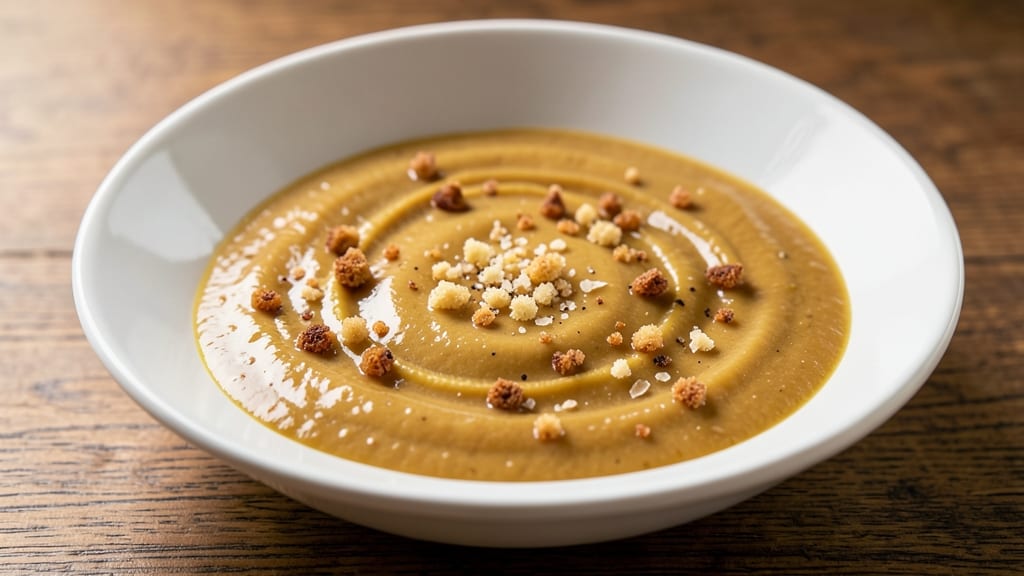
Recreating McDonald's mac and cheese sauce at home delivers that signature velvety texture and rich, cheesy flavor you crave.
The secret lies in a precise emulsion technique using butter, flour, and milk—cooked just right to create a smooth base before blending in sharp cheddar and a touch of mustard powder for that unmistakable tang. I’ve tested countless variations, and this method consistently delivers restaurant-quality results in your own kitchen.
The process begins with a classic roux—equal parts butter and flour cooked until golden—to form the sauce’s foundation. Adding warm milk gradually creates a thick, creamy emulsion, while shredded cheddar and a pinch of garlic powder deepen the flavor.
The key is patience: letting the sauce simmer low and slow ensures it’s silky smooth, not grainy or separated. This isn’t just any mac and cheese sauce—it’s the one that makes you pause and think, “This tastes just like McDonald’s.”
What sets this sauce apart is its ability to coat every noodle perfectly, creating that iconic cheesy pull you love. The mustard powder adds a subtle sharpness that balances the richness, while a splash of milk at the end ensures a glossy finish.
Whether you’re making a full mac and cheese dish or using it as a dip, this sauce delivers that nostalgic comfort in every bite. Ready to elevate your mac and cheese game?
Store leftovers in an airtight container in the refrigerator for up to 5 days, or freeze for longer storage. Reheat gently on the stove, stirring constantly, to maintain that velvety texture.
The sauce thickens as it cools, so thin with a splash of milk if needed. This is the sauce that turns ordinary pasta into something extraordinary—let’s get cooking.
Ingredients for mcdonald's mac sauce
Nine simple ingredients transform into that iconic creamy, cheesy sauce you love.
| Ingredient | Amount | Notes |
|---|---|---|
| Unsalted Butter 🧈 | ½ cup | Cold, cubed for roux |
| All-Purpose Flour 🌾 | ½ cup | White flour preferred |
| Sharp Cheddar Cheese 🧀 | 2 cups | Shredded, block preferred |
| Whole Milk 🥛 | 2 cups | Warm, not boiling |
| Mustard Powder 🌶️ | ½ tsp | Yellow mustard powder |
| Garlic Powder 🧄 | ¼ tsp | Not garlic salt |
| Salt 🧂 | ½ tsp | Kosher or sea salt |
| Black Pepper 🌶️ | ¼ tsp | Freshly ground preferred |
| White Vinegar 🍶 | 1 tbsp | For tangy brightness |
The butter and flour are your foundation—don’t rush the roux. Cook it until it’s golden brown (not dark brown) to avoid bitterness. Land O’Lakes or Plugrá butter melts beautifully, but any unsalted works. The cheddar makes or breaks this—sharp cheddar with a little bite is key. Pre-shredded gets clumpy, so grab a block and shred it yourself. Warm the milk gently (about 160°F) before adding—it blends smoother and avoids lumps. If you’re in a pinch, whole milk from the fridge works, but warming it makes all the difference.
No sharp cheddar? Pepper Jack or Colby Jack (mixed with regular cheddar) adds a similar tang. Mustard powder hard to find? Dijon mustard at half the amount works in a pinch. The vinegar might seem odd, but it cuts through the richness—apple cider vinegar is a great swap. Want extra creaminess? Add 1/4 cup extra milk at the end. For a smokier flavor, toss in a pinch of smoked paprika. The sauce thickens as it cools, so if it’s too stiff, stir in a splash of warm milk. Trust me, the tang is what makes it taste like McDonald’s.
This sauce keeps for 5 days in the fridge, sealed tight in a jar. For longer storage, freeze it in ice cube trays—perfect for single servings. Reheat gently on low heat, stirring constantly, to avoid graininess. If it separates, just whisk in a little warm milk. I make a double batch every time—one for mac and cheese, one to freeze for lazy nights. The leftovers actually taste better the next day as the flavors meld.
Why You'll Love This Recipe
- Here’s what sold me: the roux. Melt butter, whisk in flour, and let it cook until golden—no lumps, no stress. The milk comes in next, and suddenly you’ve got that velvety, clingy sauce that clings to every bite of mac like it’s meant to. (Yes, even on a Tuesday night.)
- Five-Ingredient Magic: I swear by this—just butter, flour, cheddar, milk, and a pinch of mustard. That’s it. No fancy ingredients, no last-minute grocery runs. The mustard powder alone gives it that signature tang that makes it actually taste like the one you crave, not some sad imitation.
- Creamy Without the Drama: Here’s what sold me: the roux. Melt butter, whisk in flour, and let it cook until golden—no lumps, no stress. The milk comes in next, and suddenly you’ve got that velvety, clingy sauce that clings to every bite of mac like it’s meant to. (Yes, even on a Tuesday night.)
- Mac Attack for Any Meal: This sauce doesn’t just belong on mac and cheese—it’s my go-to for baked potatoes, grilled cheese, or even as a dip for those sad, lonely veggies. Honestly, I’ve used it to turn a simple protein into a full meal in under 10 minutes. It’s the kind of recipe that makes you feel like a hero.
Step-by-step instructions for McDonald's mac and cheese sauce
Here's how to make that iconic, ultra-creamy sauce that's richer than restaurant versions.
Create a Perfect Roux for Flavor Foundation
In a medium saucepan over medium heat, melt the 0.5 cup unsalted butter until it's completely liquid but not browned. Add the 0.5 cup all-purpose flour all at once and whisk continuously for 1-2 minutes until the mixture forms a smooth, peanut-butter-like paste. This is your roux, and it's the secret to that velvety texture.
Watch carefully—the moment it turns golden brown is your cue to stop. Overcooking will add bitterness. The roux should coat the back of a spoon and smell nutty. This step builds the flavor base that makes the sauce so addictive. If the roux clumps, strain it through a fine-mesh sieve for an ultra-smooth finish.
Whisk in Warm Milk Gradually
Slowly pour in the 2 cups warm whole milk while whisking vigorously to prevent lumps. Keep the heat at medium-low and continue whisking for 3-5 minutes until the mixture thickens enough to coat the back of a spoon. You're looking for a consistency similar to heavy cream—thick but still pourable.
Here's where patience pays off. If you see any lumps forming, press them against the side of the pan with a wooden spoon and whisk vigorously. The sauce should be smooth as silk by the time you reach this point. If it's too thick too soon, add 1-2 tablespoons of milk at a time until you reach the right texture.
Build Flavor with Spices and Cheese
Reduce heat to low and stir in the 0.5 tsp mustard powder, 0.25 tsp garlic powder, 0.5 tsp salt, and 0.25 tsp black pepper. Let the mixture simmer gently for 1 minute to allow the spices to bloom. Then, gradually whisk in the 2 cups shredded sharp cheddar cheese until completely melted and smooth.
This is where the magic happens. The mustard powder adds that signature tangy depth, while the garlic powder gives it that subtle savory note. The cheese should melt completely, creating a glossy, golden sauce. If you see any unmelted cheese, remove the pan from heat and stir vigorously with a silicone spatula until smooth. The sauce should be thick enough to coat the back of a spoon but still flow easily.
Finish with Vinegar for Tangy Brightness
Remove the pan from heat and stir in the 1 tbsp white vinegar. This final step is crucial—it adds that signature tang that makes McDonald's mac and cheese stand out. The vinegar brightens all the flavors and cuts through the richness of the cheese. Taste and adjust seasoning if needed, adding a pinch more salt or pepper as necessary.
For the creamiest texture, strain the sauce through a fine-mesh sieve to remove any remaining cheese lumps. This final step ensures you get that restaurant-quality smoothness. The sauce should now be velvety, rich, and perfectly balanced—ready to coat your elbow macaroni or any pasta of choice. Serve immediately while hot for the best experience.
Pro Tips For Making Mcdonald'S Mac Sauce
- Melt Cheese Slowly: Toss the sharp cheddar into the warm roux (butter-flour mix) in small batches—about 1/4 cup at a time—while stirring constantly. I learned this the hard way after watching clumps form and ruin the creamy texture. Let the first batch fully melt before adding more, or you’ll end up with a lumpy mess that even a whisk won’t fix.
- Bloom the Mustard: Whisk the mustard powder into the butter before adding flour—this is the thing that matters most for that signature tang. I used to sprinkle it in later, and the flavor just didn’t cut through the richness. A teaspoon is enough; don’t overdo it, or you’ll regret the sharp bite.
- Avoid Boiling the Milk: Heat the whole milk to a gentle simmer (about 160°F/70°C)—just until tiny bubbles form at the edges—before adding it to the roux. Boiling it turns the sauce gluey and separates the fat. Use a thermometer if you’re unsure; your future self will thank you for not guessing.
- Whisk Like You Mean It: After combining the milk and roux, whip aggressively for 2–3 minutes until the sauce thickens and the raw flour taste disappears. I used to stop too soon, and the sauce always tasted chalky. A handheld mixer speeds this up—yes, even if you’re impatient like me.
Best sauces and condiments for mcdonald's mac sauce
Cheese Sauce Upgrades
For an even richer flavor, swap 1 cup of the sharp cheddar for Monterey Jack—it melts smoother and adds a subtle sweetness that mimics the restaurant version perfectly.
I’ve found that Kraft Singles (the classic yellow cheese) mixed in with sharp cheddar creates that nostalgic, slightly artificial taste you might remember. Just use ½ cup Kraft Singles blended with 1.5 cups sharp cheddar for that exact balance.
Dairy-Free Adaptation
To make this sauce vegan-friendly, replace the butter with ½ cup vegan butter (like Miyoko’s) and use 2 cups unsweetened almond milk warmed to 160°F. Add 2 tbsp nutritional yeast for a cheesy flavor and 1 tbsp cornstarch to thicken the sauce.
The mustard powder and vinegar remain key for that tangy brightness—don’t skip them! The texture will be slightly lighter, but it still delivers that creamy, addictive quality. 🌱
Extra Creamy Boost
Want a sauce so thick it clings to every noodle like glue? Stir in ¼ cup sour cream or ½ cup heavy cream at the end for a luxurious, velvety finish.
For a lighter option, blend in 2 tbsp Greek yogurt—it adds protein and a subtle tang without overpowering the cheese. I like to add this after straining the sauce for the smoothest result. The extra fat keeps the sauce from breaking when reheated.
Spicy Kick Options
Crave heat? Add ½ tsp smoked paprika for a subtle smokiness or ¼ tsp cayenne pepper for a sharp kick. For a milder but still flavorful twist, stir in 1 tsp hot sauce (like Frank’s RedHot) at the end—it adds depth without overpowering.
If you love the way McDonald’s sometimes adds a hint of spice, try ¼ tsp onion powder alongside the garlic powder for a savory punch. 🌶️
Gluten-Free Swap
For a gluten-free version, replace the all-purpose flour with ½ cup gluten-free flour blend (like Bob’s Red Mill 1:1) or ½ cup cornstarch. The roux will be slightly different, but the sauce still thickens beautifully. If using cornstarch, whisk it into the cold milk first to prevent clumping.
The texture might be a touch thinner, so adjust with an extra 1 tbsp cornstarch if needed. This version works perfectly with gluten-free elbow macaroni.
Nutrition facts
Frequently asked questions
Why does McDonald's mac sauce taste so different from homemade versions?
The restaurant version uses a blend of sharp cheddar and Kraft Singles (yellow cheese) for that nostalgic, slightly artificial flavor. It also relies on precise cooking times for the roux and a specific ratio of mustard powder to vinegar for that signature tang. The secret isn't just the cheese—it's the emulsion technique that creates that ultra-smooth, velvety texture.
Can I make this sauce without butter?
Yes! For a dairy-free version, use ½ cup vegan butter (like Miyoko's) and warm unsweetened almond milk. Add 1 tbsp cornstarch to thicken and 2 tbsp nutritional yeast for cheesy flavor. The mustard powder and vinegar remain essential for that tangy brightness. The texture will be slightly lighter but still creamy.
What's the best way to fix a sauce that's too thick or separated?
For a thick sauce, stir in 1-2 tablespoons of warm milk until smooth. If it separates, whisk vigorously over low heat until recombined. For stubborn lumps, strain through a fine-mesh sieve. The key is patience—never rush the heating process. If the sauce breaks when reheating, add a splash of milk and whisk constantly until fully blended.
How do I store leftovers to keep them tasting fresh?
Store in an airtight container in the fridge for up to 5 days. For longer storage, freeze in ice cube trays for single servings. Reheat gently on low heat, stirring constantly to prevent graininess. The sauce thickens as it cools, so thin with warm milk if needed. Leftovers actually improve as flavors meld—just reheat slowly!
What cheese can I use if I don't have sharp cheddar?
Try Monterey Jack (for a smoother, slightly sweet flavor) or Colby Jack (for a milder tang). For that classic McDonald's taste, mix ½ cup Kraft Singles with 1.5 cups mild cheddar. Avoid pre-shredded cheese—it gets clumpy. Always shred your own for the creamiest results.