
Sauces & Condiments
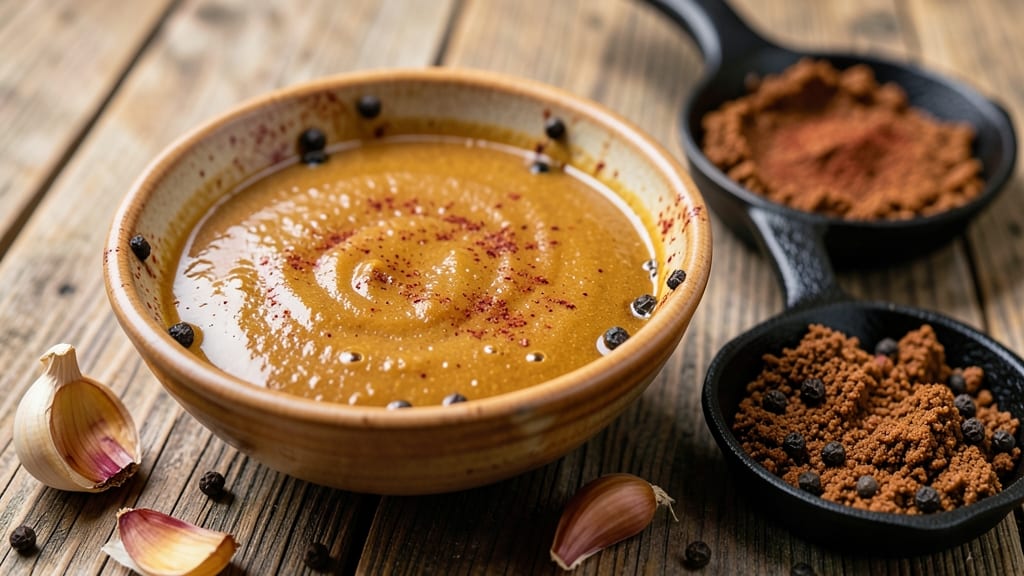
This Louisiana sauce recipe delivers the bold Cajun heat you crave with a surprising creamy depth that balances the spice perfectly. The secret lies in a rich roux base that carries layers of smoked paprika, cayenne, and garlic—transforming simple ingredients into something restaurant-worthy.
I developed this version after years of testing, ensuring the sauce stays vibrant whether used as a dip, marinade, or table condiment.
The foundation begins with a dark roux that forms the creamy backbone of the sauce, while tomato paste and Worcestershire add depth without overpowering the spices. What sets this apart is the careful balance of heat—just enough cayenne for a kick, but with cream and butter to smooth the edges.
This isn’t your average hot sauce; it’s a versatile, complex condiment that elevates everything from grilled shrimp to fried chicken.
What you’ll end up with is a glossy, velvety sauce that’s rich enough to stand alone but bright enough to complement any dish. The creaminess comes from the roux and a touch of heavy cream, while the spices deliver that unmistakable Louisiana flavor profile.
Store it in the fridge for up to two weeks, or freeze for longer shelf life—though I doubt it’ll last that long once you taste it.
Use it as a dipping sauce for crawfish boils, a marinade for grilled meats, or a finishing drizzle over blackened fish. The possibilities are endless, but one thing’s certain: this sauce will become your go-to for adding authentic Cajun heat with a silky-smooth twist.
Ingredients for louisiana sauce
Ten ingredients transform into a velvety Cajun sauce with restaurant-quality depth and heat.
| Ingredient | Amount | Notes |
|---|---|---|
| Unsalted Butter 🧈 | ½ cup | Cold, cubed for roux |
| All-Purpose Flour 🌾 | ½ cup | White or whole wheat |
| Smoked Paprika 🌶️ | 2 tbsp | High-quality for depth |
| Garlic Cloves 🧄 | 4 cloves | Freshly minced |
| Cayenne Pepper 🔥 | 1 tsp | Adjust for heat preference |
| Ground Black Pepper 🌶️ | 1 tsp | Freshly cracked |
| Tomato Paste 🍅 | 2 tbsp | Smooth, no sugar added |
| Worcestershire Sauce 🍶 | 1 tbsp | High-quality brand |
| Heavy Cream 🥛 | ½ cup | Full-fat for richness |
| Salt 🧂 | 1 tsp | Kosher or sea salt |
The butter and flour create that signature dark roux—the foundation of Louisiana cooking. Use European-style butter like Plugrá or Land O'Lakes for better flavor, and don't rush the cooking. You want it to turn a deep mahogany color, not burn. Smoked paprika is non-negotiable here—Penzeys or Goya are my go-tos, but any good brand works. The garlic should be freshly minced just before adding to the roux, so it doesn't lose its punch. Cayenne can vary wildly in heat, so start with half a teaspoon if you're sensitive to spice.
No smoked paprika? Substitute with 1 tbsp regular paprika plus 1/2 tsp liquid smoke. Worcestershire hard to find? Fish sauce plus a pinch of sugar mimics the umami. Want to cut the creaminess? Swap half the heavy cream for low-sodium chicken broth. The tomato paste can be from a tube or a can—just make sure it's smooth, not chunky. Freshly cracked black pepper tastes worlds better than pre-ground, but if you're in a pinch, the jarred stuff works. For extra depth, add a dash of hot sauce like Crystal at the end.
This sauce keeps beautifully in the fridge for up to 2 weeks, sealed in an airtight jar. The flavors actually improve over time, so make a big batch. Freezes for 3 months if you want to stock up. I like to portion it into small jars—perfect for gifts or quick meals. If it thickens too much after refrigerating, just stir in a splash of water or broth. And trust me, you'll want to make more after the first batch.
Why You'll Love This Recipe
- Here’s the secret: this sauce improves with time. Toss the leftovers into a jar, and it’s ready to jazz up next week’s stir-fry or dump over eggs in the morning. Honestly, I’ve had it last a full week in the fridge—still rich, still smoky, still useful.
- Five-Ingredient Magic: I swear, this sauce is the kind of recipe where you almost feel guilty for how little effort it takes. Melt butter, toss in flour—boom, roux happens. Smoked paprika and cayenne wake up the party, while garlic cloves make it sing without needing a PhD in chopping.
- Smoky Kick Every Time: That first whiff of smoked paprika and cayenne? It’s like a warm hug from Louisiana. The butter and flour give it a velvety body, but the spices? They turn this into a flavor bomb that pairs with everything—grilled chicken, roasted veggies, even mashed potatoes.
- Weeknight Superhero: Between us, I’ve used this sauce for Tuesday dinners, game-day snacks, and even as a fancy drizzle for my kid’s spaghetti (yes, they ate it). It’s the kind of recipe that saves you when you’re staring at a fridge full of random proteins and thinking, “What now?”
Step-by-step instructions for Louisiana sauce
Here's how to build this bold Cajun sauce with a velvety finish that balances heat and richness perfectly.
Create the Roux Foundation
Melt the 0.5 cup unsalted butter in a heavy-bottomed saucepan over medium heat. Once fully melted and foaming subsides, immediately whisk in the 0.5 cup all-purpose flour to form a smooth paste. This is your roux—the flavor base for everything that follows.
Cook the roux while stirring constantly with a wooden spoon. You'll notice it gradually darken from pale blond to a deep amber color. This should take about 15-20 minutes. The key here is patience—rushing will burn the roux and give your sauce a bitter taste. When it reaches that rich amber hue, you're ready for the next step.
Build Flavor with Aromatics and Spices
Reduce heat to medium-low and add the 2 tbsp smoked paprika and 1 tsp cayenne pepper, stirring to coat the roux evenly. The spices will bloom immediately, filling your kitchen with that signature Cajun warmth. After 30 seconds, add the 4 minced garlic cloves and 1 tsp ground black pepper. Cook for another 1 minute until the garlic becomes fragrant but doesn't brown.
This is where the sauce's character develops. The smoked paprika adds depth, cayenne brings the heat, and garlic provides that essential savory punch. Don't walk away—garlic burns quickly and will turn bitter. You'll know it's perfect when your kitchen smells like a Louisiana bayou at dusk.
Incorporate Wet Ingredients
Gradually whisk in the 2 tbsp tomato paste and 1 tbsp Worcestershire sauce, stirring constantly to prevent lumps. The mixture will darken slightly as the tomato paste cooks out its raw flavor. After 2 minutes, slowly pour in 1 cup hot water (just boiled) while whisking vigorously to create a smooth, velvety consistency.
Bring the sauce to a gentle simmer and let it cook uncovered for 10 minutes. This reduces the sauce slightly and lets the flavors meld together. You'll notice it thickens as the water evaporates. Taste it now—you should detect the smoky depth from the paprika, a touch of heat from the cayenne, and the umami from the Worcestershire.
Finish with Cream for Richness
Reduce heat to low and stir in the 0.5 cup heavy cream and 1 tsp salt. The cream will immediately begin to thicken the sauce, creating that luxurious texture we're after. Let it simmer gently for 5-7 minutes, stirring occasionally, until it reaches your desired consistency—it should coat the back of a spoon but still be pourable.
This is the moment that transforms your sauce from bold to extraordinary. The cream softens the heat while adding richness, creating that perfect balance that makes this sauce so addictive. Taste again and adjust seasoning if needed—you might want to add a pinch more cayenne for heat or a touch more salt for depth.
Rest and Serve
Remove the sauce from heat and let it rest for 10 minutes before serving. This resting period allows all the flavors to fully develop and the sauce to thicken slightly as it cools. The sauce will maintain its creamy texture while gaining even more depth of flavor.
Serve this Louisiana sauce immediately over grilled meats, shrimp, or chicken, or use it as a dipping sauce for fried foods. The contrast between the creamy sauce and crispy fried items is pure magic. Store any leftovers in an airtight container in the refrigerator for up to 5 days, or freeze for 3 months—it actually tastes better after a few days as the flavors continue to meld.
Pro Tips For Making Louisiana Sauce
- Whisk Like You Mean It: Louisiana sauce isn’t just roux—it’s flavor. When you melt the butter and add flour, stop stirring and give that pot a good, aggressive whisk for 30 seconds. The friction builds heat faster and prevents lumps, even if you’re not watching like a hawk. (I learned this the hard way after scraping burned bits off my first batch.)
- Toast the Paprika: Smoked paprika loses its soul if you just toss it in. Heat the dry roux (butter + flour) until it’s a deep golden brown, then immediately sprinkle in the paprika and let it sizzle for 10 seconds—it’ll smell like a Cajun campfire. This isn’t optional; it’s the difference between "meh" and "damn, that’s good."
- Mince Garlic Like It’s 1923: No food processor, no fancy tools—just a knife and the flat of your palm. Smash those garlic cloves against the cutting board first, then chop into a paste. This keeps the sauce silky smooth and stops it from turning grainy when you add it later. (Yes, even if you’re impatient like me.)
- Tame the Cayenne Gradually: If you dump cayenne all at once, you’ll either end up with a mouth on fire or a sauce that tastes like it’s playing it safe. Start with half the amount, taste, then add the rest slowly while stirring. You can always fix too little heat; you can’t fix a sauce that’s ruined by panic.
Best sauces and condiments for this louisiana sauce
Cajun vs. Creole
This sauce leans into classic Cajun roots with its smoky, spicy profile, but you can easily adapt it for Creole dishes by adding 1 tbsp tomato sauce and a pinch of filé powder (made from ground sassafras leaves).
The Creole version will have a brighter, slightly tangier taste—perfect for gumbo or jambalaya. For extra authenticity, stir in 1 tsp dried thyme or 1 bay leaf during cooking. 🌶️
Spicy Variations
Want more heat? Swap the cayenne for 1 tsp habanero powder or add 1 chopped fresh habanero (seeds removed for less heat). For a smoky kick, replace half the smoked paprika with 1 tsp chipotle powder.
I recommend testing small batches first—these spices pack a punch! Balance the heat with an extra splash of heavy cream if needed.
Creamy Alternatives
Heavy cream gives this sauce its luxurious texture, but you can substitute with ½ cup coconut milk for a dairy-free option or ½ cup Greek yogurt for tangy depth.
For a lighter version, use ¼ cup evaporated milk—it reduces well and adds richness without overpowering the spices. Always adjust seasoning after adding dairy substitutes.
Sweet Heat Balance
Add 1 tsp honey or maple syrup to the finished sauce to mellow the heat while adding complexity. This works beautifully with grilled pork or fried chicken. For a fruity twist, stir in 1 tbsp mango chutney—the sweetness cuts through the spice while keeping the Cajun essence intact. 🍯
Herb Infusions
Fresh herbs elevate this sauce to new heights. Stir in 1 tbsp chopped parsley or cilantro at the end for brightness, or add ½ tsp dried oregano during cooking for earthy depth.
For a bayou-inspired touch, simmer 2 sprigs fresh thyme in the sauce before removing them. These additions add layers without overpowering the signature Cajun flavors.
Storage Hacks
This sauce thickens as it cools, so thin with 1-2 tbsp water if needed before reheating. For longer shelf life, freeze in ice cube trays—perfect for portion control. The sauce reheats beautifully on the stovetop over low heat for 3-5 minutes, stirring constantly to prevent scorching.
I always double the batch because it disappears faster than expected! ❄️
Nutrition facts
Frequently asked questions
What's the difference between this Louisiana sauce and traditional hot sauce?
This recipe creates a creamy, velvety sauce with a balanced heat profile, unlike traditional Louisiana hot sauce which is thinner and more acidic. The roux foundation gives it depth, while the heavy cream adds richness that hot sauce lacks. Think of it as a cross between a dipping sauce and a marinade—versatile enough for grilled meats or fried apps.
Can I make this sauce without a dark roux?
Yes, but the flavor will be less developed. For a quick version, use 2 tbsp cornstarch mixed with 2 tbsp cold water instead of the roux. Just whisk it into the simmering spices and cook for 3-5 minutes until thickened. The sauce will be thinner but still delicious—great for dipping or drizzling.
How do I adjust the heat level for kids or sensitive eaters?
Start by reducing the cayenne to ½ tsp or even ¼ tsp for mild heat. For a completely mild version, omit the cayenne and add ½ tsp sweet paprika instead. You can also stir in 1 tbsp honey at the end to balance any remaining spice. The cream already helps mellow the heat naturally.
What are the best dishes to use this sauce with?
This sauce shines on grilled shrimp, fried catfish, or blackened chicken. It's also perfect as a dipping sauce for crawfish boils, hush puppies, or mozzarella sticks. For extra flavor, marinate meats in it for 30-60 minutes before cooking. The creamy texture makes it ideal for seafood dishes where you want bold flavor without overpowering the natural taste.
Why did my sauce turn bitter?
Most likely your roux burned or you cooked the garlic too long. The roux should be a deep amber color, not dark brown or black. For garlic, cook it just until fragrant (1 minute). If it happens, stir in ½ tsp sugar or 1 tsp lemon juice to balance the bitterness. Next time, keep a close eye on the heat and stir constantly.