
Sauces & Condiments
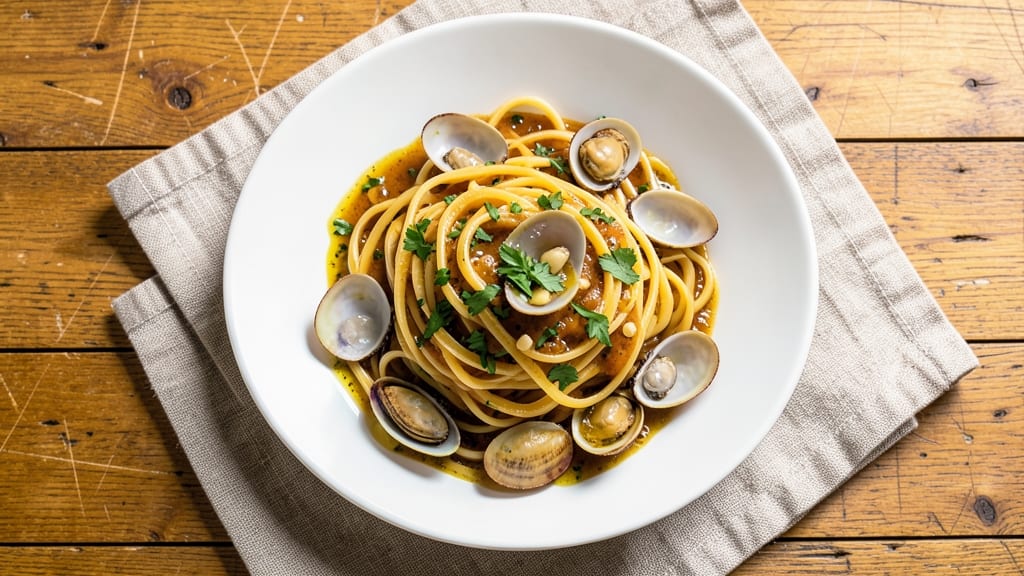
The barefoot Contessa’s linguine with clam sauce recipe brings that briny, garlicky coastal Italian trattoria magic straight to your kitchen. The secret lies in balancing fresh clams, aromatic garlic, and a touch of white wine for depth, all simmered into a velvety sauce that clings perfectly to al dente linguine.
I’ve perfected this version to stay true to Barefoot Contessa’s approach: simple ingredients, bold flavors, and a method that ensures every bite is restaurant-quality.
The dish comes together in just 30 minutes, making it ideal for weeknight dinners or weekend gatherings. Start by sautéing garlic in olive oil until fragrant, then add the clams and white wine to create a sauce that’s both rich and light.
The key is cooking the linguine al dente and tossing it with the sauce off the heat—this keeps the pasta from overcooking while absorbing all that briny, garlicky goodness. Fresh parsley and a squeeze of lemon brighten the dish at the end.
What you’ll end up with is a plate of golden linguine twirled in a glossy, clam-infused sauce that’s tender yet packed with flavor. The clams add a delicate sweetness, while the garlic and white wine create layers of complexity that make this dish feel like a true indulgence.
Serve with crusty bread to soak up every last drop of that irresistible sauce—trust me, you’ll want seconds.
For best results, use fresh clams (or canned if fresh aren’t available) and handle them carefully—discard any that don’t close when tapped or have broken shells. This recipe scales easily, so double the ingredients if you’re feeding a crowd. Let’s get cooking—your taste buds will thank you.
Ingredients for linguine with clam sauce barefoot contessa
Fresh clams and garlic make this briny, garlicky linguine feel like an Italian trattoria classic.
| Ingredient | Amount | Notes |
|---|---|---|
| Fresh Clams 🦪 | 1 ½ lb | Live, cleaned, or canned whole clams |
| Linguine Pasta 🍝 | 12 oz | Dried, al dente preferred |
| Extra-Virgin Olive Oil 🫒 | ½ cup | High quality, fruity |
| Garlic Cloves 🧄 | 6 cloves | Fresh, thinly sliced |
| Dry White Wine 🍷 | ½ cup | Sauvignon Blanc or Pinot Grigio |
| Fresh Parsley 🌿 | ¼ cup | Chopped, leaves only |
| Lemon Juice 🍋 | 2 tbsp | Freshly squeezed |
| Sea Salt 🧂 | 1 ½ tsp | Kosher or fine grain |
| Ground Black Pepper 🌶️ | ½ tsp | Freshly ground preferred |
| Crusty Bread 🍞 | 4 slices | For serving, optional |
| Butter 🧈 | 2 tbsp | Unsalted, for finishing |
| Red Pepper Flakes 🌶️ | ¼ tsp | Optional, for heat |
The clams are non-negotiable—fresh is best, but canned in juice works in a pinch. Look for plump, closed shells at the seafood counter (or Whole Foods for pre-cleaned). If using fresh, scrub them well under cold water and discard any that don’t close when tapped. The garlic should be freshly sliced just before cooking—none of that pre-minced jar stuff. For wine, grab whatever dry white you’ve got open—Sauvignon Blanc or Pinot Grigio are classic, but no need to splurge. The linguine? De Cecco or Barilla are my go-tos—they cook perfectly al dente.
No fresh clams? Canned clams in juice (drained) work perfectly—just rinse them first. Short on parsley? Fresh basil or cilantro adds a nice twist. The white wine can be swapped for dry vermouth or extra chicken broth if needed. For extra richness, stir in 1 tbsp of heavy cream at the end. The butter at the finish? Unsalted, cold—it melts into little flavor bombs. And if you’re feeling spicy, red pepper flakes add just the right kick without overpowering.
This sauce reheats beautifully—just add a splash of water or wine to loosen it. Keeps 3-4 days in the fridge, though it’s best fresh. The linguine cooks in 8-10 minutes, so time it right—you want to toss it with the sauce off the heat. For serving, toasted crusty bread soaks up every last drop. Double the recipe if you’re feeding a crowd—it’s that good.
Why You'll Love This Recipe
- No-Fuss Weeknight Win: I swear by this for nights when I’m too tired to fuss—just toss clams and garlic in olive oil, let the wine deglaze, and boom. The sauce builds itself while I boil the pasta, and honestly? That’s my kind of magic.
- Garlic-Wine Kiss: The moment that white wine hits the pan with sautéed garlic, your kitchen smells like a seaside bistro. The clams release their briny sweetness, and the olive oil ties it all together—simple, but ridiculously good.
- Leftovers That Beg: This sauce actually improves the next day. I’ll make extra, let it chill overnight, and reheat it with a splash of water—suddenly, it’s even richer. My lunchbox gets jealous of my dinner plate.
- Clams for Less: Fresh clams might sound fancy, but they’re cheaper than you think, especially if you buy them in season. A single pound feeds four, and the rest of the ingredients? Pantry staples. This is how I feed my family well without breaking the bank.
Step-by-step instructions for linguine with clam sauce
Here's how to create a briny, garlicky clam sauce that clings perfectly to al dente linguine.
Prep and Clean the Clams
If using live clams, scrub them under cold water to remove any grit or barnacles. Tap each clam on the counter—any that don't close tightly when tapped are bad and should be discarded. Place the good clams in a bowl of cold water to keep them moist while you work.
For canned clams, drain them completely and rinse with cold water to remove excess brine. Measure out the 1.5 pounds of clams you'll need for this recipe. Set aside 12 of the largest clams for garnish later—you'll want to serve them whole so guests can enjoy that first briny bite.
Cook the Clams and Build the Sauce Base
Heat the 0.5 cup extra-virgin olive oil in a large, deep skillet over medium-high heat until shimmering but not smoking. Add the 6 cloves of thinly sliced garlic and cook for 30 seconds until fragrant—don't let it brown or it'll turn bitter. Immediately add the remaining clams (about 1.3 pounds) and toss to coat in the oil.
Pour in the 0.5 cup dry white wine and bring to a rapid simmer. Cover the skillet and cook for 3-4 minutes until the clams open completely. Discard any that remain closed. Remove the clams with a slotted spoon and set aside, leaving the sauce behind in the pan.
Create the Garlicky Clam Sauce
Return the skillet to medium heat and add the 2 tablespoons lemon juice and 1.5 teaspoons sea salt. Stir to combine, then add the 0.25 cup chopped fresh parsley and 0.5 teaspoon ground black pepper. Cook for 1 minute until the parsley wilts slightly and the flavors meld.
Using an immersion blender, carefully blend the sauce directly in the pan until smooth—you want a velvety texture that coats the linguine beautifully. If you don't have an immersion blender, carefully transfer the sauce to a regular blender, blending until completely smooth. Strain through a fine-mesh sieve to remove any remaining clam bits if you prefer an ultra-smooth sauce.
Cook the Linguine to Al Dente Perfection
Bring a large pot of water to a rolling boil and add 2 tablespoons sea salt (about 1 teaspoon per pound of pasta). Add the 12 ounces linguine and cook until 1 minute before the package instructions for al dente—this ensures it finishes cooking in the sauce. Reserve 1 cup of pasta water before draining.
Add the cooked linguine to the clam sauce and toss gently to coat. If the sauce seems too thick, add reserved pasta water 2 tablespoons at a time until it reaches a silky consistency that clings to the pasta. Stir in the 2 tablespoons butter until melted and incorporated.
Finish and Serve with Confidence
Taste and adjust seasoning with more sea salt if needed—the clams should be briny but balanced with the garlicky, lemony sauce. Divide the linguine among plates and arrange the reserved whole clams on top. Sprinkle with the optional 0.25 teaspoon red pepper flakes for a subtle heat if desired.
Serve immediately with the 4 slices crusty bread on the side for soaking up every last bit of that luxurious clam sauce. The combination of tender linguine, briny clams, and garlicky wine sauce creates a comforting dish that's perfect for any weeknight dinner.
Pro Tips For Making Linguine With Clam Sauce Barefoot Contessa
- TEST CLAMS FIRST: Dump a handful of raw clams into a bowl of ice water—if they float, they’re good; if they sink, toss them. I learned this the hard way when a bad batch ruined a dinner, and it only takes 30 seconds. No one wants to steam bad clams for 20 minutes.
- LOW AND SLOW GARLIC: Cook the garlic in olive oil over medium-low heat until just golden—no browning, no burning. I used to rush it, and the sauce ended up bitter. Keep the heat steady, and stir often. Patience here makes the sauce sing.
- DEGLAZE WITH WINE: Pour the white wine into the pan after the garlic has cooked, not before—let it reduce by half first. That way, the alcohol burns off, and the sauce gets rich, not boozy. Skip this, and your dish tastes like a cocktail, not pasta.
- SALTY WATER MATTERS: Salt your pasta water like the sea—1 tablespoon per quart—and taste it. It should taste slightly stronger than the ocean. I used to eyeball it, but the sauce needs that salt to balance the briny clams. Trust me, your linguine will thank you.
Make-ahead tips for this dish
Sauce Prep Ahead
Make the clam sauce up to 1 day ahead—it actually tastes better after flavors meld overnight. After blending and straining, let it cool completely, then transfer to an airtight container.
Store in the fridge, and when ready to serve, gently reheat over low heat with 2 tablespoons water or white wine to loosen. The sauce will thicken slightly when chilled, so add extra liquid when reheating. 💫
Pasta Prep Strategy
Cook the linguine just 1 minute less than package instructions, drain, and toss with 1 tablespoon olive oil to prevent sticking. Store in an airtight container at room temperature for up to 2 hours before combining with sauce.
For longer storage, refrigerate cooked pasta for 2 days—just reheat in the sauce for 2-3 minutes on the stovetop. 🍝
Clam Handling Shortcuts
If fresh clams aren’t available, use canned clams in juice—just rinse thoroughly and pat dry. For make-ahead convenience, pre-cook the clams up to 2 days ahead and store in the fridge.
Keep them in their natural juices to maintain moisture. When ready to use, reheat in the sauce for 2-3 minutes to warm through. 🦪
Complete Meal Assembly
Assemble the full dish 30 minutes before serving for optimal texture and temperature. Combine the reheated sauce with pasta, stir in the reserved clams, and finish with lemon juice and parsley.
Keep the dish covered at room temperature—this prevents the sauce from drying out. For a crowd, double the sauce and pasta, but keep them separate until serving to maintain consistency. ✨
Freezer-Friendly Hack
Freeze the sauce separately for up to 3 months in a freezer-safe bag. Thaw overnight in the fridge, then reheat gently. For the pasta, cook fresh when needed—linguine doesn’t freeze well without becoming mushy. To serve, toss the freshly cooked pasta with the thawed sauce and reserved clams. 🧊
Garnish Prep
Chop the parsley and zest the lemon 1 day ahead—store in separate airtight containers in the fridge. Keep the reserved whole clams in their natural juices in the fridge for up to 2 days.
Toast the bread just before serving to maintain crispness. This advance prep ensures everything is ready for a 5-minute final assembly when guests arrive. 🍋
Nutrition facts
Frequently asked questions
Can I substitute canned clams for fresh in this recipe?
Canned clams in juice work perfectly—just rinse them thoroughly first to remove excess brine. Use the same total weight (1.5 pounds) and reserve some whole clams for garnish. The texture will be slightly different but still delicious. For extra brininess, add 1 teaspoon more sea salt to the sauce.
How do I know when clams are done cooking?
Clams are fully cooked when their shells open completely after 3-4 minutes of simmering. Discard any that remain closed—they're bad and shouldn't be eaten. Pro tip: Tap them on the counter first to check for freshness before cooking.
Can I make this sauce ahead of time?
Yes! The sauce keeps beautifully in an airtight container in the fridge for 3-4 days or freezes for 3 months. Reheat gently with 2 tablespoons water or white wine to loosen. The pasta should be cooked fresh when serving to maintain perfect texture.
What white wine works best for this recipe?
Any dry white wine with moderate acidity works—Sauvignon Blanc or Pinot Grigio are classic choices. Avoid sweet wines like Riesling. If you don't have wine, substitute with dry vermouth or extra chicken broth. The key is the acidity to balance the richness.
Why does my sauce turn out too thick?
This happens when the sauce reduces too much. Fix it by adding reserved pasta water 2 tablespoons at a time until silky. For prevention, simmer the sauce uncovered or reduce heat slightly. The sauce should coat the back of a spoon but still flow freely.