
Sauces & Condiments
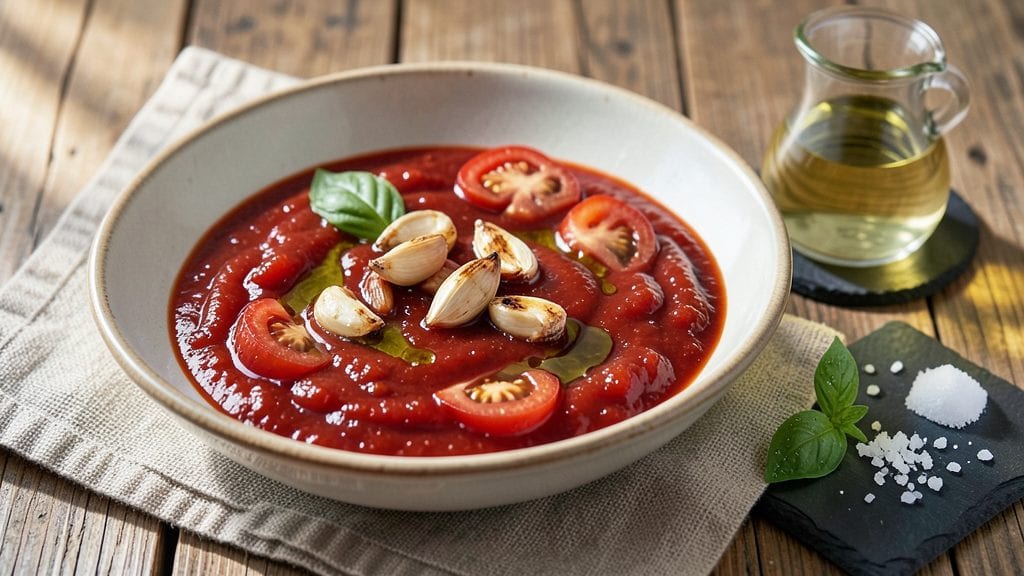
Lidia Bastianich's tomato sauce recipe captures the soul of Italian cooking in every spoonful—rich, slow-simmered umami that builds depth over time. The secret lies in balancing acidity with sweetness, letting garlic and olive oil infuse before adding tomatoes, then reducing until the sauce thickens to a velvety consistency.
This isn't just a sauce; it's the foundation of pasta dishes that taste like they've been simmering all day in a trattoria kitchen.
The process begins with a simple yet essential technique: blooming garlic in olive oil until fragrant but never browned, then deglazing with a splash of white wine to lift those flavors.
Fresh tomatoes—ripe, juicy, and preferably vine-ripened—are added next, along with a touch of sugar to balance acidity and a pinch of salt to enhance natural sweetness. The sauce simmers uncovered, allowing moisture to evaporate gradually while developing complex layers of flavor.
What you'll end up with is a sauce so vibrant it practically glistens, with a perfect balance of sweetness, acidity, and umami depth. The fresh basil added at the end brightens the flavor without overpowering it, while a final adjustment of salt ensures every bite is harmonious.
This sauce transforms simple pasta into a restaurant-worthy meal, and it tastes even better the next day as flavors meld further.
Store it in the refrigerator for up to five days or freeze for months—just thaw and reheat gently to preserve its rich texture.
Whether you're tossing it with al dente spaghetti or using it as a base for lasagna, this sauce delivers the kind of depth that makes homemade cooking feel truly special.
Ingredients for lidia's tomato sauce
Eight essential ingredients transform into Lidia's velvety tomato sauce—rich, aromatic, and perfect for pasta.
| Ingredient | Amount | Notes |
|---|---|---|
| Extra-Virgin Olive Oil 🫒 | ½ cup | High-quality, fruity variety |
| Garlic Cloves 🧄 | 6 cloves | Fresh, peeled, thinly sliced |
| Dry White Wine 🍷 | ¼ cup | Pinot Grigio or Sauvignon Blanc |
| Fresh Vine-Ripened Tomatoes 🍅 | 2 lbs | Ripe, cored, quartered |
| Granulated Sugar 🍚 | 1 tbsp | Balances acidity naturally |
| Kosher Salt 🧂 | 1 ½ tsp | Adjust to taste |
| Fresh Basil Leaves 🌿 | ¼ cup | Packed, stems removed |
| San Marzano Tomato Paste 🍅 | 2 tbsp | High-quality, no additives |
The olive oil and garlic form the sauce's aromatic foundation. Use a high-quality extra-virgin olive oil—the fruity notes elevate the dish, while fresh garlic (never pre-minced) infuses flavor without bitterness. For wine, Pinot Grigio or Sauvignon Blanc work best—their crisp acidity cuts through the richness. Tomatoes are non-negotiable: vine-ripened varieties (like Roma or San Marzano) deliver the sweetness and acidity balance Lidia emphasizes. If you can't find vine-ripened, heirloom tomatoes from a local market are the next best option. The sugar isn't sweetening—it's enhancing the tomatoes' natural flavors by balancing their acidity.
No white wine? Substitute with 1/4 cup tomato juice or vegetable broth, though the sauce will lack depth. Garlic powder works in a pinch (use half the amount), but fresh is ideal. If tomatoes are underripe, add 1/2 tsp more sugar to compensate. For a quicker version, blend the tomatoes first—just simmer longer to develop flavor. The tomato paste is optional but adds intense umami that professional chefs swear by. If you skip it, increase fresh tomatoes to 2.5 lbs. For a vegetarian twist, add 1 tbsp balsamic vinegar at the end for complexity.
This sauce improves with time—reheat gently in a saucepan to preserve texture. Store in the fridge for up to 5 days in an airtight container, or freeze for up to 3 months (portion into ice cube trays for single servings). The basil should be added fresh at the end—store stems in a jar of water in the fridge to keep it vibrant. For restaurant-quality results, simmer uncovered to concentrate flavors. The sauce thickens as it cools, so adjust consistency with a splash of water if needed.
Why You'll Love This Recipe
- No Chopping Stress: I swear by this recipe because it only asks for garlic to mince—not dice, not julienne, just mince. That’s it. The rest is dump-and-stir, and honestly? The wine deglazes the pan while I’m still washing my hands.
- Sunshine in a Jar: That splash of dry white wine cuts through the acidity of the tomatoes while the sugar—just a pinch—balances it all. The result? A sauce so bright and balanced it makes store-bought look sad. (Yes, even on a Tuesday night.)
- Pasta’s Best Friend: This sauce plays nice with everything—toss it with spaghetti, dollop it on grilled cheese, or serve it alongside roasted chicken. I’ve even used it as a bruschetta base. It’s the kind of versatile sauce that makes you feel like a hero without trying.
- Leftovers That Shine: The beauty? It tastes better the next day. I’ll make a big batch on Sundays, freeze half, and still have a jar ready for when I’m too tired to cook. No sad, watery reheats—just rich, concentrated flavor every time.
Step-by-step instructions for Lidia Bastianich's tomato sauce
This is where the magic happens—slow simmering transforms simple ingredients into rich, layered tomato sauce.
Bloom the Garlic in Olive Oil
Heat the 0.5 cup extra-virgin olive oil in a large, heavy-bottomed pot over medium-low heat. Add the 6 cloves sliced garlic and cook gently for 3-4 minutes until the garlic becomes fragrant and just begins to turn golden. Watch closely—garlic burns quickly, and you want it to perfume the oil without coloring.
This step develops the sauce's aromatic foundation. The low heat prevents the garlic from releasing bitter compounds, preserving its sweet, mellow flavor. Remove the pot from heat if the garlic starts to darken too quickly, then return it once it cools slightly.
Deglaze with Wine and Add Tomatoes
Immediately pour in the 0.25 cup dry white wine, scraping up any browned bits from the bottom of the pot with a wooden spoon. Let the wine simmer for 2-3 minutes until reduced by half, which intensifies its flavor and removes the alcohol.
Add the 2 lbs quartered fresh vine-ripened tomatoes, 1 tbsp granulated sugar, and 1.5 tsp kosher salt. Stir well to combine, then return the heat to medium-low. The sugar helps balance the natural acidity of the tomatoes while caramelizing slightly, adding depth.
Simmer Until Tomatoes Break Down
Cover the pot and let the tomatoes cook undisturbed for 20-25 minutes, stirring occasionally. You'll notice the sauce gradually thickens as the tomatoes break down into a smooth, velvety consistency. Keep the heat at medium-low—too high will cause the sauce to splatter or develop a bitter edge.
When the tomatoes have fully collapsed and the sauce is thick enough to coat the back of a spoon, stir in the 2 tbsp San Marzano tomato paste. This step adds concentrated tomato flavor and helps stabilize the sauce's texture. Let it cook for another 5 minutes to meld completely.
Finish with Fresh Basil
Remove the pot from heat and stir in the 0.25 cup fresh basil leaves. Let the sauce sit off the heat for 5 minutes to allow the basil's bright, herbal notes to infuse without wilting. Taste and adjust the seasoning with additional kosher salt if needed.
The basil should brighten the sauce without overpowering its natural sweetness. If the sauce is too thick, thin it slightly with a splash of water or reserved tomato juice. Serve immediately or let it cool to room temperature before refrigerating for up to 3 days. The flavors will deepen as it rests.
Pro Tips For Making Lidia'S Tomato Sauce
- Sweat the Garlic: Lidia sweats her garlic in olive oil until it’s just golden—not brown. I learned the hard way that pushing it to browned bits adds bitterness, and suddenly your sauce tastes like you charred the whole thing. Keep the heat medium-low and stir every 30 seconds.
- Don’t Rush the Wine: Let that dry white wine simmer for 2–3 minutes after adding it. I used to dump everything else in right away, but giving the alcohol time to cook off makes the sauce richer and less sharp. Think of it as a quick, boozy reduction.
- Core Those Tomatoes: Vine-ripened tomatoes are juicy—way juicier than you’d think. Cutting out the cores and seeds (or at least pressing the flesh to remove excess liquid) keeps your sauce from turning into a watery mess. Trust me, your future self will hate you if you skip this.
- Sugar in Stages: Lidia uses sugar to balance acidity, but don’t add it all at once. Taste the sauce first—if it’s still too tart, sprinkle in just ½ teaspoon at a time. Adding it all upfront can make the tomatoes taste cloyingly sweet, and you’ll regret it.
Flavor customization for these flavors
Classic Sweet & Tangy
This is Lidia’s signature balance—1 tbsp granulated sugar and 1.5 tsp kosher salt per 2 lbs tomatoes create the perfect harmony of sweetness and acidity. The sugar isn’t just sweetening; it’s caramelizing slightly during the simmer, adding depth that makes the sauce taste more complex.
For extra tang, add 1 tsp lemon juice at the end—just enough to brighten without overpowering. 🍋
Herb-Infused Variations
Swap basil for fresh oregano (use 1 tbsp) for a Greek-inspired twist, or add 1 sprig rosemary while simmering for an earthy aroma. For a Tuscan touch, stir in ½ tsp red pepper flakes with the tomato paste.
Remove herbs before serving unless they’re small (like oregano), which can be left in. The key is to add herbs fresh at the end—they wilt quickly and lose their vibrant flavor.
Umami Boosters
For deeper savory notes, add 1 tsp fish sauce (trust me, it blends seamlessly) or 1 tbsp soy sauce when deglazing with wine. Another pro trick? Stir in 1 tsp miso paste during the final 5 minutes of simmering.
These additions elevate the sauce for dishes like spaghetti aglio e olio or baked ziti. The umami compounds develop further as the sauce cools, so taste and adjust before serving.
Spicy Heat Options
Crank up the heat with 1 tbsp Calabrian chili paste (add with the tomato paste) or 1-2 dried arbol chiles, removed after simmering. For smoky depth, add ½ tsp smoked paprika with the salt.
If you love fresh heat, toss in 2-3 thin slices of fresh chili pepper (like jalapeño) and remove them before serving. The heat should complement, not dominate—the sauce should still shine through.
Sweet & Smoky Fusion
This unexpected combo works surprisingly well: Add ½ tsp cinnamon and ¼ tsp ground cloves with the sugar. Simmer for 5 extra minutes to let the spices infuse, then strain if you prefer a smoother texture.
The warmth of the spices pairs beautifully with brown butter pasta or creamy ricotta-stuffed shells. For a smoky twist, char 1 small onion in a dry pan until blackened, then blend into the sauce.
Vegetarian Protein Twist
Turn this into a hearty sauce by adding 1 can (15 oz) white beans or ½ cup cooked lentils during the final 10 minutes of simmering. For extra richness, stir in 2 tbsp nutritional yeast at the end—it adds a cheesy, umami depth without dairy.
This version works perfectly as a vegan marinara for lasagna or as a dip for grilled vegetables. The beans soak up the sauce’s flavors beautifully, making it more substantial. 🌱
Nutrition facts
Frequently asked questions
Can I make this tomato sauce without fresh tomatoes?
Use 28 oz canned San Marzano tomatoes instead of fresh—just crush them by hand before adding. For deeper flavor, remove the skins and seeds first. The sauce will be slightly less vibrant but still delicious. Add 1 extra tbsp sugar to compensate for the lower natural sweetness in canned tomatoes.
Why does Lidia's recipe use sugar in tomato sauce?
The sugar isn't about sweetness—it balances the tomatoes' natural acidity by caramelizing slightly during cooking. This creates depth and prevents the sauce from tasting sharp. Think of it like a flavor enhancer rather than a sweetener. If your tomatoes are very ripe and sweet, you can reduce to ½ tbsp sugar or omit it entirely.
How do I know when the sauce is ready?
The sauce is done when it coats the back of a spoon smoothly and the tomatoes have broken down completely (20-25 minutes total simmering). It should be thick but still glossy, not dry. For extra assurance, test by chilling a spoonful—if it holds its shape, it's ready. If too thin, simmer uncovered 5 more minutes to reduce further.
Can I make this sauce in a slow cooker?
Yes! Follow the same steps but transfer everything to the slow cooker after the garlic and wine stage. Cook on low for 4-5 hours instead of simmering. The slow cooker's gentle heat enhances the flavors even more. Just add the basil at the very end and stir in off the heat. The texture will be slightly thicker due to evaporation.
What's the best way to store leftovers?
Let the sauce cool completely, then transfer to an airtight container. It keeps in the fridge for 5 days or freezes for 3 months. For freezing, portion into ice cube trays first—this makes it easy to thaw just what you need. Reheat gently in a saucepan over low heat until warm through. Never microwave directly from frozen to preserve texture.