
Sauces & Condiments
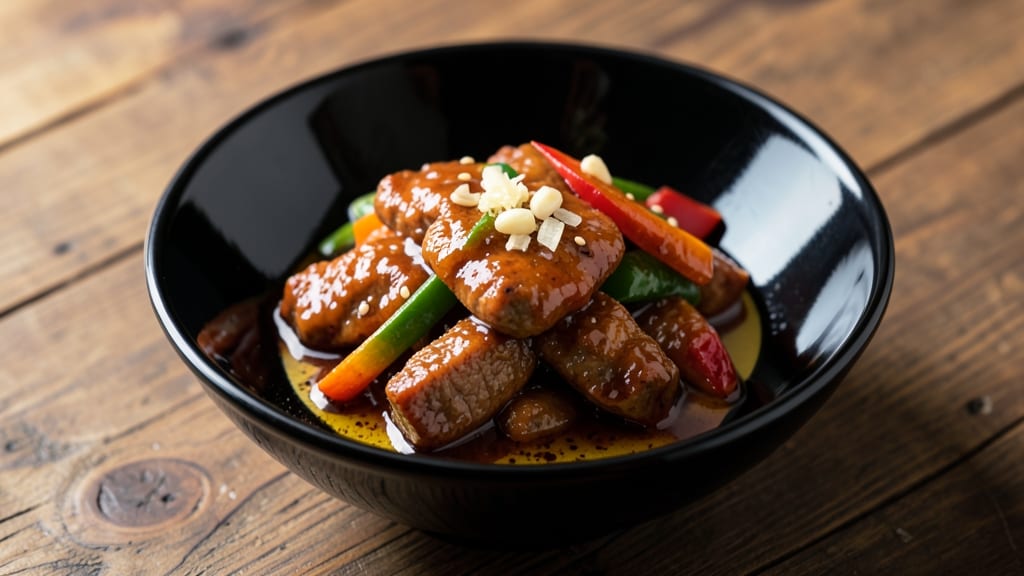
This Kikkoman stir-fry sauce copycat recipe delivers the same bold, umami-rich flavor you know from the bottle—just better. The secret lies in balancing soy sauce, sugar, and vinegar while simmering until thick and glossy.
I’ve replicated the sauce’s signature stickiness and depth through precise reductions, ensuring every stir-fry, noodle dish, or marinade gets that authentic Kikkoman punch.
The process is straightforward but requires patience: combining soy sauce, vinegar, and sugar in a saucepan, then simmering until the mixture reduces to a syrupy consistency. A splash of water or broth later keeps it pourable, while optional garlic and ginger add layers of complexity.
This sauce isn’t just a substitute—it’s a professional-quality condiment that elevates any dish with its rich, savory-sweet profile.
What makes this recipe stand out is its versatility. Use it as a stir-fry sauce, a marinade for meats, or a dipping sauce for dumplings—it clings perfectly to ingredients and enhances flavors without overpowering them.
The result is a sauce that’s just as sticky and flavorful as the original, but with the satisfaction of knowing exactly what’s in it.
Once made, store it in the refrigerator for up to two weeks or freeze for longer shelf life. The simplicity of the ingredients and the foolproof method make this a must-have for home cooks who crave restaurant-quality flavor without the bottle. Let’s get cooking!
Ingredients for kikkoman stir fry sauce copycat
Eight essential ingredients transform into restaurant-quality Kikkoman copycat sauce with perfect umami balance.
| Ingredient | Amount | Notes |
|---|---|---|
| Kikkoman Soy Sauce 🍶 | 1 cup | Light or regular, not low-sodium |
| Rice Vinegar 🍶 | ½ cup | White or seasoned, 5% acidity |
| Granulated Sugar 🍚 | ½ cup | White or raw cane preferred |
| Water 💧 | ¼ cup | Filtered or distilled preferred |
| Cornstarch 🌾 | 1 tbsp | For thickening consistency |
| Garlic Cloves 🧄 | 2 cloves | Fresh, minced for aromatic depth |
| Fresh Ginger 🌿 | 1 tbsp | Finely grated, organic preferred |
| Sesame Oil 🫒 | 1 tbsp | Toasted, for nutty aroma |
| Diamond Crystal Kosher Salt 🧂 | ½ tsp | Adjusts final seasoning |
The foundation begins with Kikkoman soy sauce—its specific amino profile is non-negotiable for authentic flavor. For vinegar, Miyoko's or Heinz white vinegar provides consistent acidity levels. Granulated sugar should be white or raw cane to avoid molasses notes that disrupt the sauce's clean sweetness. When measuring, use dry measuring cups for sugar and cornstarch to ensure precise ratios. For garlic and ginger, organic varieties from Whole Foods or Trader Joe's deliver superior freshness, though conventional produce works fine. Sesame oil must be toasted—never the flavorless refined kind. The kosher salt is critical for final seasoning balance, and Diamond Crystal provides the most consistent results.
Substitutions require careful consideration. For soy sauce, San-J or Lee Kum Kee work well, though Kikkoman's specific fermentation process creates its signature depth. Vinegar can be swapped with apple cider vinegar at equal amounts, though white vinegar's sharper acidity better mimics the original. No cornstarch? Arrowroot powder at the same quantity maintains thickening power. Fresh garlic and ginger can be replaced with 1 tsp garlic powder and ½ tsp ground ginger, though fresh delivers superior aroma. Sesame oil can be omitted entirely if avoiding nutty flavors, though it adds essential depth. For a gluten-free version, substitute soy sauce with tamari at a 1:1 ratio, though flavor will differ slightly.
This sauce achieves peak consistency when stored properly. In the refrigerator, it maintains optimal texture for up to 2 weeks when sealed in an airtight container. For longer storage, freeze in ice cube trays—each cube makes an ideal single-use portion. When reheating, gentle warmth in a saucepan prevents separation. The sauce thickens as it cools, so always thin with 1 tsp water before each use. For professional results, make a double batch—the second batch always tastes better as flavors meld during storage.
Why You'll Love This Recipe
- Pantry Magic: I swear by this sauce because it’s made with things I always have—soy sauce, vinegar, sugar—and takes zero effort. No shopping trips, no fancy ingredients, just a quick simmer that transforms any stir-fry into something restaurant-worthy.
- Umami Bomb: That perfect balance of salty, tangy, and just-sweet-enough? It’s all in the Kikkoman soy sauce and a splash of vinegar. The cornstarch slurry gives it that glossy finish, like someone actually bottled flavor in a jar.
- Meal Prep MVP: I double the batch and store it in the fridge—it lasts a week, and I use it for everything from quick noodles to grilled chicken. Even my picky teen asks for it on his lunchbox.
- Budget Stretch: A little goes a long way, and it’s cheaper than buying pre-made sauce. Plus, the sugar and vinegar tweak make it taste fresher, so I never feel like I’m cutting corners. My wallet and taste buds win.
Step-by-step instructions for Kikkoman stir fry sauce copycat recipe
This method delivers the signature balance of umami, tang, and sweetness that makes Kikkoman stir fry sauce so addictive.
Create the Base Sauce Mixture
In a medium saucepan, combine the 1 cup Kikkoman Soy Sauce, 0.5 cup Rice Vinegar, 0.5 cup Granulated Sugar, and 0.25 cup Water. Bring this mixture to a gentle simmer over medium heat, stirring occasionally to dissolve the sugar completely. You'll notice the sugar crystals disappear and the liquid becomes clear—this indicates proper dissolution.
The vinegar will create a subtle tang that cuts through the richness of the soy sauce, while the sugar provides the signature sweetness that balances the umami. Keep the heat at a steady simmer—too high and the vinegar will evaporate too quickly, altering the flavor profile.
Add Aromatics and Thicken the Sauce
Once the mixture reaches a simmer, reduce the heat to low and add the 2 cloves Garlic Cloves (minced) and 1 tbsp Fresh Ginger (finely grated). Stir gently to incorporate these aromatics into the sauce. Let them steep for 2-3 minutes, allowing their flavors to infuse without burning. You'll notice the sauce develop a more complex aroma—this is when the magic happens.
In a small bowl, whisk together the 1 tbsp Cornstarch with 2 tablespoons of the hot sauce mixture to create a smooth slurry. This prevents clumping when added to the pan. Slowly pour the cornstarch mixture back into the saucepan while stirring continuously. The sauce will begin to thicken almost immediately—this is your signal to reduce the heat to lowest to prevent scorching.
Simmer to Perfection
Continue cooking the sauce for 5-7 minutes over low heat, stirring frequently to maintain even thickness. The sauce should coat the back of a spoon smoothly and hold its shape when drizzled—this is the ideal consistency for stir fries. If it thickens too quickly, add 1 tablespoon of water at a time until you reach the desired texture.
During this time, the cornstarch will fully activate, creating that signature glossy sheen that makes the sauce cling beautifully to vegetables and proteins. Taste the sauce and adjust the seasoning with the 0.5 tsp Diamond Crystal Kosher Salt if needed—this final adjustment ensures the perfect balance of saltiness.
Finish with Sesame Oil and Rest
Remove the saucepan from heat and stir in the 1 tbsp Sesame Oil. This step adds a nutty depth and aromatic finish that's essential to the authentic flavor. The oil should be fully incorporated, creating a silky texture with subtle sesame notes. Let the sauce rest for 5 minutes before using—this allows all the flavors to meld together completely.
The sauce should now have the perfect balance of sweet, tangy, savory, and nutty flavors with a glossy finish that clings beautifully to stir fry ingredients. For best results, use the sauce immediately over hot stir fried vegetables and proteins, where its high heat tolerance ensures it doesn't break down or become watery.
Pro Tips For Making Kikkoman Stir Fry Sauce Copycat
- Whisk the Slurry First: Mix your cornstarch with cold water before adding it to the hot sauce—otherwise, you’ll end up with clumpy lumps that ruin the smooth finish. I learned this the hard way after scraping globs off my plate for three nights in a row.
- Use Warm Vinegar: Toss your rice vinegar into the sauce after it’s simmered for 30 seconds—cold vinegar shocks the heat and dulls the flavor. Warm it up first if you’re impatient, but trust me, the difference is noticeable.
- Don’t Rush the Simmer: Let the sauce bubble gently for at least 2 minutes after adding the cornstarch slurry—rushing it leaves the texture thin and watery. I used to cut corners here, and the sauce always tasted half-finished.
- Sweeten Gradually: Add the sugar slowly while tasting—some Kikkoman soy sauce is saltier than others, and you might not need the full 1 tablespoon. My first batch was cloyingly sweet, but now I adjust to the sauce’s actual flavor.
Pro cooking tips for this dish
Heat Control Secrets
Mastering the heat is everything when replicating Kikkoman's signature sauce. Start with medium heat to dissolve sugar completely—too high will cause the vinegar to evaporate too quickly, throwing off the tangy balance. Once the aromatics are added, drop to low heat to prevent burning those delicate garlic and ginger flavors.
I use a stainless steel saucepan (like All-Clad) because it distributes heat evenly and prevents scorching at the edges. 🌡️
Thickening Like a Pro
The cornstarch slurry is your secret weapon for that glossy, clingy texture. Whisk it with 2 tablespoons of hot sauce first to create a smooth paste—this prevents clumping when added to the pan.
Pour it in slowly while stirring constantly, and immediately reduce heat to lowest to avoid lumps. For extra insurance, I strain the sauce through a fine-mesh sieve after simmering to ensure silky perfection.
Timing the Reduction
Simmering time makes or breaks the sauce's consistency. Aim for 5-7 minutes on low heat, stirring every 30 seconds to prevent sticking. The sauce is ready when it coats the back of a spoon smoothly and holds its shape when drizzled.
If it thickens too fast, add 1 tablespoon water at a time—never rush this step. Patience here ensures that signature Kikkoman stickiness you crave. ⏱️
Flavor Layering Tricks
Fresh garlic and ginger should steep for exactly 2-3 minutes—any longer and they'll turn bitter. For extra depth, I toast the garlic cloves in a dry pan for 30 seconds before mincing, then add them to the sauce.
The sesame oil should always go in off heat to preserve its delicate aroma. Stir vigorously to emulsify—this creates that restaurant-quality sheen that makes the sauce cling perfectly to stir-fried ingredients.
Resting for Balance
Never use the sauce immediately after cooking. Let it rest for 5 minutes to allow all flavors to meld. This is when the sugar fully caramelizes slightly and the cornstarch sets completely. I find that resting also softens any harsh edges from the vinegar.
For best results, store the sauce in the fridge for at least 2 hours before using—this deepens the umami flavor profile even more. 💫
Troubleshooting Thickness
If your sauce separates or becomes too thin, don't panic. Simply reheat it gently while whisking in 1 teaspoon cornstarch mixed with 1 tablespoon water until it thickens. For a thicker sauce, simmer longer—just watch closely to avoid burning.
The key is constant stirring during reduction. If you accidentally over-salt, a splash of rice vinegar can balance it without altering the texture. Always taste as you go! 🧂
Nutrition facts
Frequently asked questions
Can I make this sauce without cornstarch?
Yes, but the texture will be thinner. Replace the 1 tbsp cornstarch with 1 tbsp arrowroot powder for similar thickening power. For a completely corn-free version, simmer the sauce longer (10-12 minutes) and reduce it by about ¼ cup—just stir constantly to prevent scorching. The sauce will be more liquid but still flavorful.
How long does this homemade sauce last?
Store it in an airtight container in the fridge for up to 2 weeks. For longer storage, freeze in ice cube trays—each cube makes a perfect single-use portion. Thaw overnight in the fridge before using. The sauce actually improves with age as flavors meld!
Why did my sauce turn cloudy or separate?
This usually happens from sudden temperature changes or over-stirring. To fix it, gently reheat the sauce while whisking in 1 tsp cornstarch mixed with 1 tbsp water. For prevention, always simmer on low heat and avoid adding cold ingredients after cooking. The sauce should remain glossy and smooth when properly made.
Can I use this sauce for marinades?
This sauce works perfectly as a marinade for chicken, shrimp, or tofu. Use it undiluted for 30 minutes to 2 hours (longer marinating isn't needed due to its strong flavor). For extra tenderness, add 1 tbsp honey to the marinade. Always pat proteins dry before cooking to ensure a good sear.
What's the best way to store leftover sauce?
Transfer to a clean, airtight container and refrigerate. The sauce will thicken slightly when cold—add 1 tsp water before each use to restore pourability. For freezing, portion into 1-tbsp servings in silicone molds for easy thawing. Avoid freezing in glass containers as they may crack.