
Sauces & Condiments
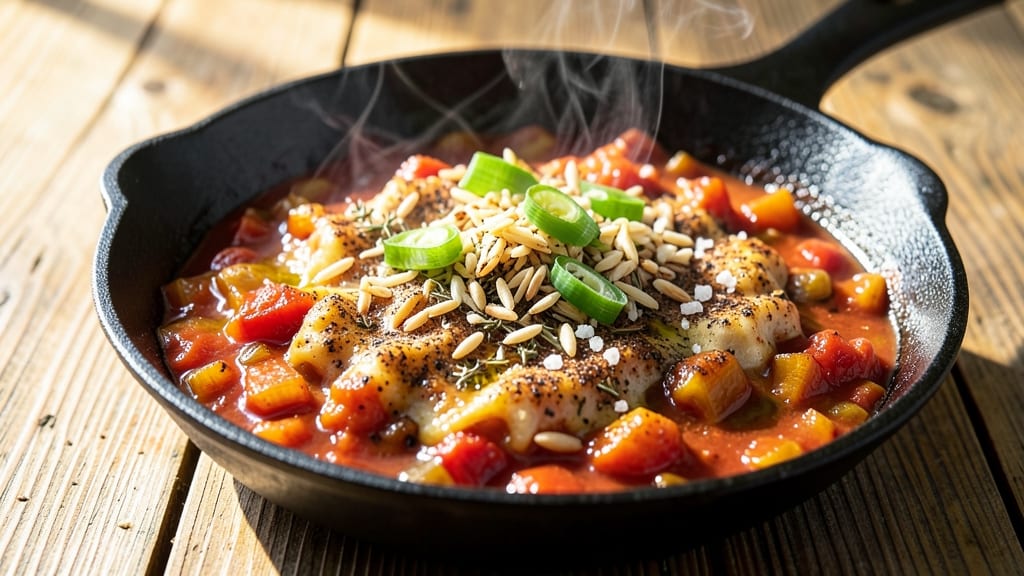
Creating a jambalaya sauce recipe that captures the bold, smoky depth of Cajun cooking starts with a simple tomato-chipotle base built on pantry staples. This versatile sauce transforms ordinary dishes into restaurant-quality meals with just a few essential ingredients and a precise technique.
The secret lies in balancing heat, acidity, and umami—where chipotle powder adds smokiness, cayenne brings the kick, and a slow-simmered tomato base ties everything together.
The foundation of this sauce is a classic holy trinity—onions, bell peppers, and celery—cooked until tender but not mushy, then blended with canned tomatoes, aromatic spices, and a touch of stock. What sets this apart is the smoky chipotle-tomato blend, which infuses depth without overpowering the natural flavors.
Unlike store-bought versions, this recipe delivers a rich, balanced sauce that freezes beautifully for future use, making it perfect for meal prep or batch cooking.
With just 15 minutes of active prep and 30 minutes of simmering, you’ll have a sauce that elevates everything from grilled chicken and shrimp to rice and roasted vegetables.
The texture is smooth yet vibrant, with enough body to coat proteins generously while remaining light enough to drizzle over salads or soups. This is the kind of sauce that turns simple ingredients into something extraordinary—bold, complex, and impossible to resist.
Store leftovers in the fridge for up to 5 days or freeze for 3 months without losing flavor. For thicker applications, stir in a slurry of cornstarch and water; for a thinner consistency, simply add a splash of stock.
Whether you’re cooking for a crowd or meal prepping for the week, this jambalaya sauce is your secret weapon in the kitchen.
Ingredients for jambalaya sauce
Fifteen pantry staples transform into a restaurant-quality jambalaya sauce with smoky depth and vibrant balance.
| Ingredient | Amount | Notes |
|---|---|---|
| Canned Diced Tomatoes 🍅 | 1 can | San Marzano preferred for sweetness |
| Chipotle Powder 🌶️ | 2 tbsp | Smoked, not chipotle peppers in adobo |
| Cayenne Pepper 🔥 | 1 tsp | Adjust for desired heat level |
| Onion Powder 🧅 | 1 tbsp | Freshly ground preferred |
| Garlic Powder 🧄 | 1 tbsp | Not garlic salt |
| Dried Thyme 🌿 | 1 tsp | Or 1 tbsp fresh thyme leaves |
| Ground Cumin 🌿 | 1 tbsp | Toasted for deeper flavor |
| Yellow Bell Pepper 🌶️ | 1 whole | Diced, seeds removed |
| Celery Stalks 🥬 | 2 whole | Diced, stringy parts trimmed |
| Yellow Onion 🧅 | 1 whole | Diced, medium size |
| Chicken Stock 💧 | ½ cup | Low-sodium preferred |
| Extra-Virgin Olive Oil 🫒 | 2 tbsp | High-quality for richness |
| Lemon Juice 🍋 | 1 tbsp | Freshly squeezed |
| Salt 🧂 | ½ tsp | Diamond Crystal preferred |
| Black Pepper 🌶️ | ½ tsp | Freshly ground |
The foundation begins with the holy trinity—yellow bell pepper, celery, and yellow onion—all diced to an even 1/4-inch dice for consistent cooking. Trader Joe's carries pre-diced versions in their frozen section, which saves time without sacrificing quality. For the tomatoes, San Marzano cans provide the ideal balance of sweetness and acidity, though any high-quality canned tomatoes will work. Chipotle powder is non-negotiable here; Penzeys or La Boîte brands deliver the authentic smoky depth, while store-brand versions often fall flat. The extra-virgin olive oil should have a peppery finish—California Extra or Colavita are reliable choices for this application.
No chipotle powder? Smoked paprika plus a pinch of cinnamon can mimic the depth, though the flavor profile will differ slightly. Substituting cayenne with red pepper flakes works at a 1:1 ratio, but the texture will be slightly coarser. For a vegetarian version, replace the chicken stock with low-sodium vegetable stock, and consider adding a splash of soy sauce for umami. The lemon juice is critical for brightness—freshly squeezed always outperforms bottled, but a pinch of citric acid powder in a pinch will suffice. If you're short on time, the onion, bell pepper, and celery can be pulsed in a food processor for a quicker prep, though hand-dicing yields a more professional texture.
This sauce thickens as it cools, so stir in an additional splash of stock if it's too thick for your application. For longer storage, portion into ice cube trays before freezing—perfect for single-use portions. In the fridge, it maintains peak flavor for 5 days, while frozen portions remain vibrant for up to 3 months. The sauce can be reheated gently on the stove or in the microwave, though a quick stovetop warm-through preserves the most texture. For thicker applications, such as coating proteins, stir in a slurry of 1 tbsp cornstarch to 2 tbsp cold water per cup of sauce until desired consistency is reached.
Why You'll Love This Recipe
- Pantry Magic: I swear by this sauce because it’s the kind of recipe that doesn’t judge you for reaching for the canned tomatoes. No fresh herbs? No problem. The chipotle and cayenne bring heat without fuss, and the onion and garlic powders work like a flavor shortcut—just toss, simmer, and let the spices do the heavy lifting.
- Smoky Kick: That first spoonful of sauce hits different—deep, smoky from the chipotle, with a little bite from the cayenne. It’s not overpowering; it’s the kind of flavor that lingers just enough to make you reach for more. Honestly, I’ve made this sauce for everything from rice bowls to grilled chicken, and it always elevates the dish.
- Meal Prep MVP: This sauce is my go-to for busy weeks. I double the batch, store it in the fridge, and use it all week—dump it on rice, stir it into eggs, or drizzle it over roasted veggies. It’s the kind of thing that turns a simple meal into something special without extra effort.
- Budget-Friendly Fire: Between us, this recipe is a steal. Canned tomatoes, spices, and pantry staples mean no wasted money or spoiled ingredients. Plus, it stretches across multiple meals, so you’re not scrambling to figure out what to eat tomorrow. My wallet—and my taste buds—thank me every time.
Step-by-step instructions for jambalaya sauce
This smoky tomato-chipotle base builds deep flavor through precise layering and controlled simmering.
Sauté the Vegetable Base
Heat the 2 tablespoons extra-virgin olive oil in a heavy-bottomed saucepan over medium heat. Add the 1 whole yellow onion, 2 whole celery stalks, and 1 whole yellow bell pepper, all diced uniformly to about ¼-inch pieces. Cook for 8-10 minutes, stirring occasionally, until the vegetables soften and the onion becomes translucent.
I press down gently on the vegetables during the first 3 minutes—this prevents them from sticking and ensures even cooking. The vegetables should release their natural juices and begin to caramelize slightly at the edges. This foundational step develops the sauce's sweetness and depth. If the pan begins to smoke or the vegetables darken too quickly, reduce the heat to medium-low and continue cooking until fully tender.
Incorporate the Spice Blend
Add the 2 tablespoons chipotle powder, 1 teaspoon cayenne pepper, 1 tablespoon onion powder, 1 tablespoon garlic powder, 1 teaspoon dried thyme, and 1 tablespoon ground cumin to the pan. Stir vigorously for 1-2 minutes to toast the spices and release their aromatic oils. You'll notice the mixture darken slightly and fill the kitchen with a warm, earthy aroma.
This step is where the sauce's signature smoky heat develops. The spices should coat the vegetables evenly, creating a fragrant paste. If the mixture begins to smoke excessively, reduce the heat to medium-low and continue stirring until the spices are fully incorporated and the raw spice taste disappears. The goal is to create a cohesive, aromatic base before adding liquids.
Add Tomatoes and Simmer
Pour in the 1 can canned diced tomatoes (with juices) and the ½ cup chicken stock. Stir well to combine, then bring the mixture to a gentle boil over medium-high heat. Once boiling, reduce the heat to low and let it simmer uncovered for 20-25 minutes, stirring occasionally. The sauce should thicken slightly as it reduces, and the tomatoes will break down into a rich, chunky consistency.
During this time, the acidity from the tomatoes will mellow, and the flavors will meld into a cohesive blend. You'll see the sauce darken to a deep amber color, indicating the development of complex, caramelized flavors. If the sauce reduces too quickly and becomes too thick, add 1-2 tablespoons water to maintain the desired consistency. The sauce should coat the back of a spoon but remain spoonable.
Finish with Acid and Season
Remove the pan from heat and stir in the 1 tablespoon lemon juice, ½ teaspoon salt, and ½ teaspoon black pepper. The lemon juice brightens the flavors and cuts through the richness of the sauce. Taste and adjust the seasoning—add more salt if needed, but remember that the chipotle and cayenne already contribute significant heat and depth.
Let the sauce rest for 5 minutes off the heat. This resting period allows the flavors to fully integrate and the sauce to reach its optimal consistency. The final product should be thick, smoky, and deeply flavorful, with a balance of heat, sweetness, and acidity. The sauce is now ready to be used as a base for jambalaya, served over rice, or paired with grilled proteins.
Pro Tips For Making Jambalaya Sauce
- Bloom the Spices: Toast your onion powder and garlic powder in the pot for 30 seconds before adding oil—it deepens their flavor and cuts the raw taste. I learned this the hard way after making jambalaya that smelled like a spice cabinet instead of a Louisiana kitchen.
- Sweat the Tomatoes: Simmer the canned tomatoes uncovered for 5 minutes first to drive off excess acidity. This prevents the sauce from tasting tinny later, especially if you’re using no-salt-added tomatoes.
- Control the Cayenne: Add cayenne in two batches—half upfront, the rest at the end—so you can adjust heat without burning the sauce. I’ve ruined more batches than I’ll admit by dumping it all in at once.
- Deglaze with Liquid: After browning your aromatics (if you are), splash in ¼ cup water or broth before adding tomatoes to scrape up all the fond. That browned stuff is where the flavor hides, and skipping it makes the sauce taste flat.
Dietary considerations for this jambalaya sauce
Gluten-Free Adaptations
This jambalaya sauce is naturally gluten-free since it relies on pantry staples like tomatoes, spices, and stock. However, always double-check labels on ingredients like chicken stock or chipotle powder, as some brands may contain hidden gluten.
For extra precaution, use certified gluten-free stock and spices from brands like Bob's Red Mill or Simply Organic. The sauce’s thickness comes from natural reduction, so no flour or cornstarch is needed—just simmer longer if necessary. 🌱
Low-Sodium Options
To reduce sodium, swap regular chicken stock for low-sodium or homemade stock. You can also omit added salt entirely and rely on the natural saltiness of the tomatoes and spices.
If you need a salt boost, use Kosher salt (use half the amount of table salt) or a pinch of smoked sea salt for depth. The sauce’s bold flavors will still shine without excessive sodium. ❄️
Vegetarian Swaps
For a vegetarian version, replace the chicken stock with low-sodium vegetable stock or even water in a pinch. Add 1 teaspoon soy sauce or 1 tablespoon nutritional yeast to boost umami depth. The sauce’s smoky, spicy profile will still hold up beautifully—just ensure your stock is well-seasoned. 🌿
Dairy-Free Clarification
This sauce is inherently dairy-free, making it perfect for those avoiding lactose or casein. The richness comes from tomatoes, olive oil, and spices, not dairy. If you’re using it as a base for dishes like rice or grilled proteins, ensure any additional toppings (like cheese) are dairy-free.
The sauce’s bold flavors stand on their own without dairy interference. 🥛
Heat Adjustments
For milder heat, reduce the cayenne pepper to ½ teaspoon or swap it for ½ teaspoon smoked paprika. If you love spice, add an extra ½ teaspoon cayenne or a pinch of chili powder.
The chipotle powder already provides smoky depth, so adjust cayenne to balance heat without losing complexity. Taste as you go! 🌶️
Allergen-Friendly Notes
This recipe avoids common allergens like gluten, dairy, and nuts, but always verify individual ingredients. For nut allergies, ensure your olive oil and spices are processed in nut-free facilities. If soy is a concern, skip the soy sauce substitution and rely on extra lemon juice or stock for brightness.
The sauce’s simplicity makes it easy to adapt for most dietary needs. 💡
Nutrition facts
Frequently asked questions
Can I make this sauce without chipotle powder?
Yes, but the smoky depth will change. Replace 2 tbsp chipotle powder with 1 tbsp smoked paprika + ½ tsp cinnamon for warmth. For heat, add an extra ½ tsp cayenne. The sauce will still taste bold, just with a different flavor profile.
How do I adjust the thickness of the sauce?
For a thicker sauce, simmer uncovered for 5-10 extra minutes to reduce further. Need it thinner? Stir in 1-2 tbsp chicken stock or water. For instant thickening, mix 1 tbsp cornstarch + 2 tbsp cold water, stir into the sauce, and simmer for 2 minutes until clear.
Can I freeze this jambalaya sauce?
Portion into airtight containers or silicone molds, leaving ½-inch headspace for expansion. Freeze for up to 3 months. Thaw overnight in the fridge—never microwave directly from frozen. The texture remains smooth, though it may thicken slightly upon reheating. Add a splash of stock if needed.
What’s the best way to use leftover sauce?
Drizzle over grilled chicken, shrimp, or rice bowls. Toss with roasted veggies or use as a marinade for 15-30 minutes before cooking. For extra richness, stir in 1 tbsp butter or olive oil when reheating. It also works as a dip for fries or a base for stuffed peppers.
Why does my sauce taste too spicy?
Cayenne and chipotle powder pack heat—balance it with 1 tbsp extra lemon juice or 1 tbsp sweet tomato paste to mellow the burn. If needed, stir in 1 tsp sugar to counteract spice. Always taste as you go! For future batches, reduce cayenne by ½ tsp or swap for smoked paprika.