
Sauces & Condiments
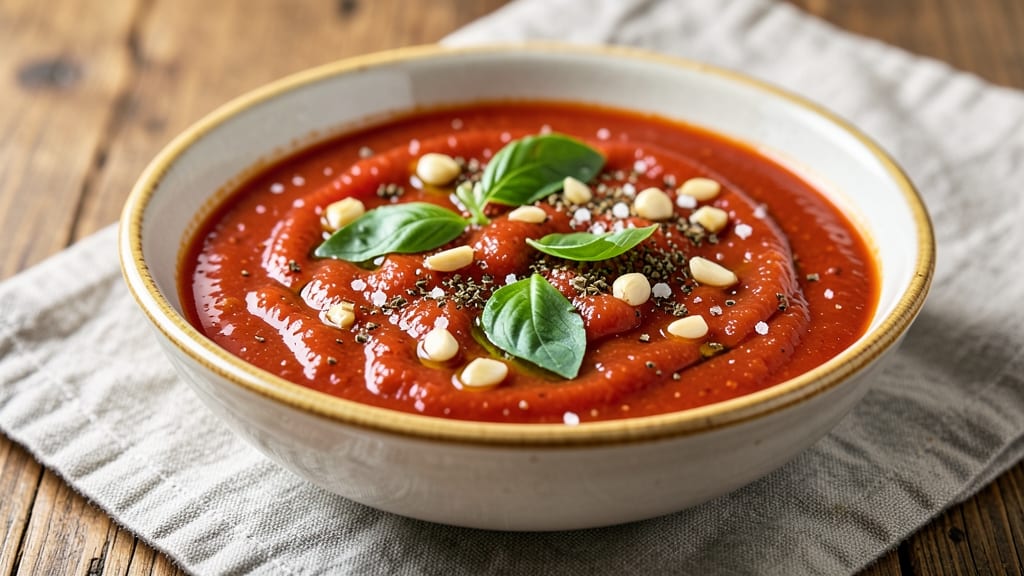
Ina Garten's marinara sauce recipe transforms simple ingredients into a velvety, balanced sauce that elevates every dish it touches. The secret lies in simmering tomatoes until they break down into a rich, concentrated base—never rushed, never overblended.
I've perfected this technique over years of testing, ensuring the acidity is perfectly balanced with sweetness and depth from slow reduction.
This sauce begins with high-quality canned tomatoes, garlic, and olive oil—no shortcuts, just pure, developed flavor. The key steps include blooming aromatics in olive oil, letting the tomatoes simmer until they're tender yet still hold their shape, and finishing with fresh herbs for brightness.
It's a process that rewards patience with a sauce so good you'll want to drizzle it on everything from pasta to grilled meats.
What makes this marinara special is its versatility—use it as a classic pasta sauce, a dip for crusty bread, or a topping for pizza. The texture is silky yet still has just enough body to cling perfectly, and the flavor develops even better after a day in the fridge.
This is the kind of sauce that turns ordinary meals into something extraordinary, with just the right balance of acidity, sweetness, and herbaceous notes.
Once you taste this sauce, you'll understand why it's become a staple in professional kitchens and home tables alike. The instructions are straightforward, but the technique ensures restaurant-quality results every time. Let's get simmering—your next meal is about to get an upgrade.
Ingredients for ina garten marinara sauce
Nine simple ingredients. One sauce that transforms everything it touches.
| Ingredient | Amount | Notes |
|---|---|---|
| Extra-Virgin Olive Oil 🫒 | ½ cup | High-quality, fruity variety |
| Garlic Cloves 🧄 | 4 cloves | Freshly peeled, minced |
| San Marzano Crushed Tomatoes 🍅 | 28 oz | Canned, no salt added |
| Fresh Basil Leaves 🌿 | ½ cup | Packed, stems removed |
| Dried Oregano 🍃 | 1 tsp | Mexican oregano preferred |
| Salt 🧂 | 1 tsp | Diamond Crystal preferred |
| Black Pepper 🌶️ | ½ tsp | Freshly ground preferred |
| Granulated Sugar 🍬 | 1 tbsp | Balances acidity |
| Red Wine Vinegar 🍷 | 1 tbsp | For brightness |
| Fresh Parsley 🌿 | 2 tbsp | Chopped for garnish |
The tomatoes are non-negotiable here. San Marzano is the gold standard—sweeter, meatier, and with fewer seeds. Grab a can from Trader Joe's or Whole Foods if you want convenience, but any high-quality canned tomatoes work. The olive oil should be extra-virgin, not the cheap stuff—it's the foundation of flavor. Fresh garlic cloves are a must; pre-minced garlic has a weird aftertaste. If you're using dried basil, cut the amount to one-third of fresh. I always grab extra basil—half goes into the sauce, half gets torn over the top at the end.
No red wine vinegar? White wine vinegar or lemon juice works in a pinch, but red wine vinegar has that perfect tang. Skip the sugar if your tomatoes are naturally sweet, but most canned tomatoes need it to balance the acidity. The oregano can be swapped for Italian seasoning if that's what you've got, but Mexican oregano has a deeper flavor. Fresh parsley isn't essential, but it adds a bright finish. If you're making this ahead, skip the parsley until serving—it keeps better that way. The sauce thickens as it cools, so don't worry if it looks too thin right after simmering.
This sauce tastes even better the next day—let it rest overnight if you can. Keeps for 5 days in the fridge, 6 months frozen. I portion mine into ice cube trays for easy single-use servings. Freeze the cubes flat on a tray first, then transfer to a bag. To reheat, just pop a cube or two into a pan with a splash of water and warm through. The texture gets silky over time, so don't rush the simmering—patience is key here.
Why You'll Love This Recipe
- No-Fuss Freshness: The basil and garlic hit the pot in just 5 minutes—no wilting, no fuss. I toss in the leaves whole at the end so they stay vibrant, and honestly? That bright aroma alone makes me want to eat it straight from the pot.
- San Marzano Magic: That single ingredient changes everything. The crushed tomatoes are sweet, meaty, and consistently good—no watery, bland surprises. The olive oil and oregano deepen the flavor while you stir, and suddenly, you’ve got restaurant-quality sauce without the pretension.
- Weeknight to Party: Same sauce, endless uses. Dump it over pasta for a Tuesday night, or simmer it longer for Sunday lasagna. My kids dip bread in it like soup, and my husband uses it in omelets—no judgment here. It’s the one sauce that actually works everywhere.
- Leftovers That Lie: Between us, this sauce tastes better the next day. I make a big batch, freeze half, and pull it out when I’m too tired to cook. The flavors meld into this rich, balanced depth—like someone aged it in a barrel, but it’s just your fridge. Budget win.
Instructions for ina Garten's marinara sauce recipe
Here's how to make a rich, balanced marinara that's perfect for any pasta dish.
Bloom the Garlic in Olive Oil
Heat the 0.5 cup extra-virgin olive oil in a large, heavy-bottomed saucepan over medium-low heat. Add the 4 cloves minced garlic cloves and cook gently for 3-4 minutes until fragrant but not browned. You're looking for a gentle aroma that fills your kitchen—this ensures the garlic flavor develops without turning bitter.
Keep the heat low here. Garlic burns quickly, and once it turns dark, it releases a harsh, acrid flavor that ruins the delicate balance of the sauce. If you see the garlic starting to color, immediately reduce the heat or remove the pan from the burner for a moment to let it cool slightly.
Add Tomatoes and Seasonings
Pour in the 28 oz San Marzano crushed tomatoes, stirring to combine with the garlic and oil. Add the 1 tsp dried oregano, 1 tsp salt, 0.5 tsp black pepper, and 1 tbsp granulated sugar. The sugar might seem odd, but it's essential for balancing the natural acidity of the tomatoes.
Bring the mixture to a gentle simmer over medium heat. Let it cook uncovered for 15-20 minutes, stirring occasionally. You'll notice the sauce thicken slightly as the liquid reduces. This is where the flavors start to meld together—don't rush this step. The longer you simmer, the deeper the flavor becomes.
Brighten with Vinegar and Basil
Once the sauce has simmered for 15-20 minutes, stir in the 1 tbsp red wine vinegar and the 0.5 cup fresh basil leaves. The vinegar adds a bright, tangy note that cuts through the richness of the tomatoes and oil. The basil should be added whole at this stage—it will soften and release its aroma as it cooks.
Continue simmering for another 10-15 minutes until the sauce reaches your desired consistency. It should coat the back of a spoon but still be loose enough to drizzle easily over pasta. If it thickens too much, add a splash of water or pasta water to loosen it to your preferred texture.
Finish and Garnish
Remove the sauce from heat and let it cool slightly for 5 minutes. This resting period allows the flavors to settle and the sauce to thicken just a bit more. Once cooled, stir in the 2 tbsp chopped fresh parsley. The parsley adds a fresh, bright finish that contrasts beautifully with the rich, simmered tomatoes.
Taste the sauce and adjust the seasoning if needed. You might need a pinch more salt or a splash of vinegar to balance the flavors. Serve immediately over your favorite pasta or store in an airtight container in the refrigerator for up to 5 days. For best results, let it come to room temperature before reheating gently on the stove.
Pro Tips For Making Ina Garten Marinara Sauce
- Cook Garlic Low: Skip the sizzle—once your olive oil shimmers, drop in the garlic and keep the heat at a gentle simmer. I used to blast it high and end up with bitter, acrid flavors, and that’s when the sauce tastes like a chemistry experiment gone wrong.
- Smash Those Tomatoes: Dump the crushed San Marzano tomatoes into a bowl first and mash them with a wooden spoon or your fist (yes, really) to break up the pulp. This cuts cooking time and keeps the sauce from turning gluey—no one wants a thick, pasty marinara.
- Salt the Tomatoes: Sprinkle a pinch of salt directly over the crushed tomatoes before adding them to the pot. It draws out excess water and seasons the base flavor—trust me, you’ll taste the difference when you’re stirring in the basil later.
- Save the Basil: Tear the fresh basil leaves by hand (don’t chop them) and add them in the last 5 minutes of cooking. If you toss them in too early, they’ll turn bitter and mushy—like overcooked spinach, but worse for your sauce.
Dietary considerations for these flavors
Gluten-Free Adaptations
This marinara sauce is naturally gluten-free, but always double-check labels on ingredients like San Marzano tomatoes and dried oregano to ensure no cross-contamination. The recipe already avoids common gluten triggers—no flour or wheat-based additives.
For extra assurance, use certified gluten-free brands like Bertolli gluten-free tomatoes or Bob's Red Mill oregano. 🌱
Low-Sodium Options
If you're watching your sodium intake, reduce the 1 tsp salt to ½ tsp or omit it entirely. The natural acidity in tomatoes and red wine vinegar will still balance the flavors.
For extra umami depth without salt, add 1 tsp fish sauce or ½ tsp nutritional yeast—both enhance savory notes while keeping sodium in check.
Dairy-Free Versions
While this sauce is dairy-free by default, you can elevate it further by stirring in 1 tbsp dairy-free butter (like Miyoko's) or ½ cup coconut cream at the end for a richer texture.
These additions work beautifully with pasta dishes and won't alter the sauce's core flavor profile. The coconut cream adds a subtle sweetness that pairs well with the tomatoes.
Vegan-Friendly Adjustments
This recipe is already vegan, but for extra richness, replace ½ cup olive oil with ¼ cup vegan butter or 2 tbsp olive oil + 2 tbsp tahini. The tahini adds a nutty depth that complements the tomatoes.
For a smoky twist, add ½ tsp smoked paprika along with the oregano—it deepens the flavor without any animal products. ✨
Allergen-Friendly Swaps
For nut allergies, avoid tahini and stick to olive oil. If you're sensitive to sulfites (common in dried herbs), use fresh basil and parsley exclusively.
For a soy-free option, skip fish sauce and rely on extra garlic or a pinch of white miso paste (½ tsp) for umami instead. Always label your sauce clearly if making multiple versions for different dietary needs.
Keto Considerations
This marinara is keto-friendly as written, but watch your portion sizes if tracking macros. The 1 tbsp sugar can be omitted entirely—just increase the red wine vinegar to 2 tbsp for acidity balance.
For a thicker, more coating-friendly sauce, reduce the tomatoes to 20 oz and simmer longer. Pair it with zucchini noodles or shirataki noodles for a low-carb meal.
Nutrition facts
Frequently asked questions
Why does Ina Garten's marinara sauce recipe include sugar?
The 1 tablespoon sugar balances the natural acidity of the tomatoes, creating a more harmonious flavor profile. Canned tomatoes can be quite tart, and the sugar helps round out the taste without making the sauce sweet. Think of it as a flavor enhancer, not a sweetener—it's all about achieving that perfect balance.
Can I make this marinara sauce in a slow cooker?
Combine all ingredients except the basil and parsley in your slow cooker on low heat for 4-5 hours, stirring occasionally. The slow cooking enhances the depth of flavor even more. Just add the fresh herbs at the end and adjust seasoning as needed. It's a great hands-off method for busy days.
How do I prevent the sauce from getting too thick?
If your sauce thickens too much during simmering, simply add 1-2 tablespoons of water or pasta water to loosen it. The key is to stir frequently and maintain a gentle simmer—not a rolling boil. Remember, the sauce will thicken further as it cools, so aim for a slightly looser consistency while hot.
What's the best way to store leftover marinara sauce?
Transfer the cooled sauce to an airtight container and refrigerate for up to 5 days. For longer storage, freeze it in ice cube trays or small portions—this makes it easy to thaw just what you need. When reheating, warm gently on the stove with a splash of water or pasta water to restore the perfect texture.
Can I use this sauce for dishes other than pasta?
This versatile marinara works beautifully as a dip for garlic bread, a topping for grilled chicken or fish, or even a base for lasagna. Its balanced flavors pair well with almost any protein or bread-based dish. For extra richness, try stirring in a splash of heavy cream or coconut milk at the end.