
Sauces & Condiments
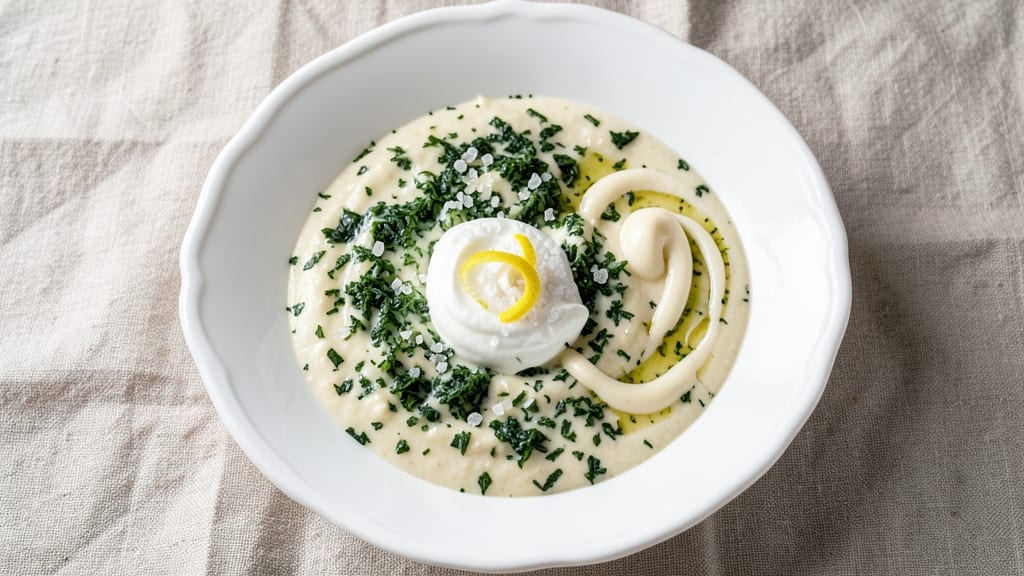
Ina Garten’s horseradish sauce recipe delivers that perfect balance of sharp, creamy heat that elevates everything from roast beef to deviled eggs. The secret lies in blending fresh horseradish with velvety sour cream and a touch of vinegar to mellow the bite—just enough to make it approachable yet undeniably bold.
I’ve tested countless versions, and this one consistently delivers restaurant-quality results with minimal effort.
What sets this sauce apart is the harmony of textures: the creamy base from sour cream and mayonnaise smooths out the horseradish’s intensity while preserving its signature kick. A splash of lemon juice brightens the flavors, and a pinch of salt ensures every spoonful is perfectly balanced.
The sauce thickens naturally as it rests, making it ideal for drizzling or spreading without separation.
By the time you’re done blending, you’ll have a sauce that’s rich, tangy, and just spicy enough to wake up any dish. It’s the kind of condiment that transforms simple meals into something special—think roast beef sandwiches, smoked salmon appetizers, or even a bold topping for deviled eggs.
The best part? It keeps beautifully in the fridge for up to a week, ready to enhance your next meal.
For those who prefer a milder version, simply reduce the horseradish slightly, but trust me—this recipe hits that perfect sweet spot between heat and creaminess. Let’s make it.
Ingredients for ina garten horseradish sauce
Four creamy staples and a fiery kick—this sauce is restaurant-quality in minutes.
| Ingredient | Amount | Notes |
|---|---|---|
| Fresh Horseradish Root 🌿 | ½ cup | Finely grated, not pre-made |
| Full-Fat Sour Cream 🥛 | 1 cup | Cold, full-fat for creaminess |
| Mayonnaise 🥫 | ½ cup | High-quality, not low-fat |
| Fresh Lemon Juice 🍋 | 2 tbsp | From 1/2 small lemon |
| White Vinegar 🍶 | 1 tbsp | Apple cider vinegar works too |
| Diamond Crystal Kosher Salt 🧂 | ½ tsp | Fine grain preferred |
| Freshly Ground Black Pepper 🌶️ | ¼ tsp | Freshly cracked for best flavor |
| Granulated Sugar 🍬 | 1 tsp | Balances the heat |
The horseradish is non-negotiable here. Freshly grated root from the produce section (not the jarred stuff) delivers that signature sharpness. Look for a vibrant, firm root—Whole Foods or local markets often carry the best. If you can't find fresh, high-quality jarred horseradish works in a pinch, but it lacks that bright, clean bite. The sour cream and mayo? Full-fat versions only—they emulsify better and give that velvety texture. I always grab Kroger brand sour cream for its perfect tang, but any good-quality brand works. Pro tip: Chill your bowl before mixing to keep the sauce from separating.
No fresh horseradish? Double the grated jarred version, but taste first—it can be overpowering. The sugar is key here: it mellows the heat just enough to make this sauce approachable. Brown sugar works too, but white keeps it clean. Short on mayo? Greek yogurt at half the amount gives a tangier twist. The vinegar is optional but brightens the flavors—apple cider vinegar adds a subtle sweetness. And if you're feeling adventurous, a pinch of Worcestershire sauce deepens the umami. Just remember: the sauce mellows as it rests, so start with slightly more horseradish if you love heat.
This sauce thickens beautifully as it sits—30 minutes in the fridge is ideal before serving. Store in an airtight container with a layer of plastic wrap pressed directly on the surface to prevent a skin from forming. Keeps for up to 1 week in the fridge, though I’ve never had leftovers last that long. For a milder version, reduce the horseradish by a third and add an extra tablespoon of sour cream. The sauce also freezes well for up to 3 months—just thaw in the fridge overnight. Perfect for batching ahead for holiday meals!
Why You'll Love This Recipe
- Five-Ingredient Magic: I swear by this combo—grating fresh horseradish, folding in that tangy sour cream, and balancing it with lemon and vinegar. It’s the kind of sauce where you measure once, mix once, and boom—flavor explosion.
- Kick Without the Hassle: Honestly, the horseradish root is the only slightly fussy part, but even that’s a 5-minute job with a microplane. The rest? Just stir. No simmering, no waiting—just pure, sharp, creamy satisfaction in under 10 minutes.
- Game for Any Spread: Slather it on roast beef, dollop it on deviled eggs, or stir it into mashed potatoes. Between us, it’s my secret weapon for tacos too—trust me, the vinegar and lemon cut through the richness like a dream.
- Lasts Like a Champ: Make a double batch and store it in the fridge for up to two weeks. The flavors actually deepened after a few days, and it’s cheaper than buying fancy store versions. Plus, the sour cream keeps it rich without breaking the bank.
Instructions for Ina Garten's horseradish sauce recipe
This creamy horseradish sauce balances bold heat with velvety texture—here's how to nail it every time.
Grate the Horseradish Root with Precision
Peel the 0.5 cup fresh horseradish root using a vegetable peeler, then cut it into small chunks for easier grating. Use a box grater or fine microplane to grate it directly into a medium bowl—this prevents oxidation and preserves the sharp, peppery flavor. Grate until you have ½ cup finely textured horseradish, about the consistency of coarse sand. Wear gloves if you're sensitive to its pungent aroma; the raw horseradish can irritate skin and eyes.
Here's the thing—don't rush this step. Freshly grated horseradish delivers that signature bite that pre-made sauces lack. If you're using pre-shredded horseradish, you'll miss the vibrant, complex flavor that makes this sauce truly special. The grated horseradish will immediately release its oils, creating a sharp aroma that signals you're on the right track.
Whisk the Base Ingredients Together
In a separate bowl, combine the 1 cup full-fat sour cream and 0.5 cup mayonnaise using a whisk or rubber spatula. Stir until completely smooth—you want to eliminate any streaks of sour cream. The full-fat versions are crucial here; they provide the luxurious creaminess that balances the horseradish's heat. Add the 1 tsp granulated sugar and whisk until fully dissolved, which will help temper the sharpness of the horseradish.
Now, gently fold in the grated horseradish using a silicone spatula. Work slowly to maintain an even distribution—you don't want pockets of concentrated horseradish that will make certain bites overwhelmingly spicy. The mixture should have a pale yellow hue with visible flecks of horseradish throughout. This is where the magic happens: the fat from the sour cream and mayonnaise will begin to mellow the horseradish's intensity while preserving its signature kick.
Add Acid and Seasonings for Balance
In a small measuring cup, combine the 2 tbsp fresh lemon juice and 1 tbsp white vinegar. This acid blend serves two purposes: it brightens the flavors and helps stabilize the emulsion, preventing the sauce from separating. Stir these ingredients together first to ensure even distribution when you add them to the horseradish mixture. Then, gradually pour the acid mixture into the horseradish-sour cream blend while whisking constantly.
Next, add the 0.5 tsp diamond crystal kosher salt and 0.25 tsp freshly ground black pepper to the bowl. Taste the mixture at this stage—you'll notice the horseradish's sharpness is still prominent, but the acid and sugar have started to create a more complex flavor profile. The salt and pepper will enhance all the other elements without overpowering the horseradish. If you find the sauce too sharp at this point, you can add an extra ½ tsp sugar to further balance the heat.
Refrigerate and Let Flavors Develop
Transfer the horseradish mixture to an airtight container and refrigerate for at least 2 hours, but ideally overnight. This resting period allows the flavors to meld and the heat of the horseradish to mellow slightly—crucial for achieving that perfect balance between sharp and creamy. The cold temperature also helps stabilize the emulsion, preventing separation. During this time, the sauce will thicken slightly as the ingredients marry together.
When you're ready to serve, give the sauce a good stir before tasting. The texture should be smooth and velvety, with a subtle sheen from the fat content. If you notice any separation, simply whisk vigorously to re-emulsify. This sauce is best served chilled, which enhances its creamy consistency and allows the flavors to truly shine. The longer it sits in the fridge, the more complex and balanced the flavors become—don't be tempted to serve it immediately after mixing.
Adjust and Serve with Confidence
Before serving, taste the sauce and make any final adjustments. If it's too sharp, add a pinch more sugar or a splash of sour cream to mellow it. If it's not sharp enough, you can add a bit more grated horseradish—just be cautious, as it's much easier to add too much than too little. The ideal horseradish sauce should have a bright, peppery heat that lingers pleasantly without being overwhelming, with a rich, creamy texture that coats the palate.
This versatile sauce pairs beautifully with roasted meats, especially beef and pork, or as a condiment for deviled eggs and sandwiches. The creamy texture makes it perfect for dipping, while the bold flavor elevates simple dishes to restaurant-quality. Remember, the key to success lies in the balance—between the sharp horseradish and the creamy base, between the acidity and the richness. When done right, you'll have a sauce that's truly special, worthy of Ina Garten's kitchen.
Pro Tips For Making Ina Garten Horseradish Sauce
- GRATE THE ROOT COLD: Fresh horseradish loses its kick fast once exposed to air—so work fast and keep everything chilled. Run the root through a box grater right over an ice bath in a bowl, then drain the water immediately. This keeps the heat alive longer and makes blending easier.
- USE A FOOD PROCESSOR: That box grater? It’s a workout. Instead, pulse the grated horseradish in a food processor for 10-15 seconds—just until it’s finely chopped but not pasty. Over-blending turns it into a sad, watery mess. Stop when it looks like coarse sand, not soup.
- MIX IN THE ACID LAST: Add the lemon juice and vinegar after the sour cream and mayo, not before. Horseradish’s enzymes start breaking down the cream’s fat the second they touch, making your sauce thin and greasy. Stir them in right before serving for maximum creaminess.
- DILUTE GRADUALLY: Start with half the sour cream and mayo called for, then adjust to taste. Horseradish varies wildly—some roots are nuclear, others mild. Adding liquid in small batches lets you dial in the heat without ending up with a runny disaster. (Yes, even if you’re impatient like me.)
Wine and beer pairings for ina garten horseradish sauce
White Wine Pairings
For this bold horseradish sauce, I recommend a crisp Sauvignon Blanc from New Zealand or Loire Valley—its bright acidity and citrus notes cut through the creamy heat beautifully. Look for a bottle with 12-13% ABV and flavors of lime and green apple, like Cloudy Bay or Oyster Bay.
The wine's natural tartness mirrors the lemon in the sauce, creating a refreshing contrast that cleanses your palate between bites. 🍷
Dry Rosé Options
A dry Provence rosé with its delicate strawberry and mineral notes is another fantastic match. The light body and subtle sweetness complement the sauce without overpowering it. I love Whispering Angel or Château d'Esclans—both have enough acidity to stand up to the horseradish while adding a touch of elegance.
Serve slightly chilled (45-50°F) to enhance the flavors.
Beer Pairings
For beer lovers, a Belgian witbier like Hoegaarden or Stella Artois works surprisingly well. The coriander and citrus notes in these beers echo the lemon in the sauce, while the effervescence helps balance the richness.
Alternatively, a German Helles lager with its malty sweetness provides a smooth contrast to the horseradish's sharpness. Keep the beer well-chilled (38-42°F) for the best experience. 🍺
Spiritous Alternatives
If you prefer spirits, a gin and tonic with a twist of lemon is a refreshing choice. The botanicals in gin complement the horseradish's peppery notes, while the tonic's bitterness balances the creaminess.
For a stronger option, try a vodka martini with a splash of Aperol—the bitterness and citrus in Aperol enhance the sauce's acidity without competing with its heat.
Non-Alcoholic Options
Don't overlook sparkling water with a splash of cranberry juice and a lime wedge for a non-alcoholic pairing. The effervescence and tartness create a similar cleansing effect as wine or beer.
For a more substantial option, a sparkling apple cider with a hint of ginger adds a festive touch that pairs wonderfully with the sauce's bold flavors.
Nutrition facts
Frequently asked questions
Why does Ina Garten's recipe use fresh horseradish instead of jarred?
Freshly grated horseradish delivers that signature sharp, peppery bite that pre-made versions can't match. Jarred horseradish often loses intensity and develops a bitter edge over time. The fresh root also prevents the sauce from becoming overly harsh or muddled in flavor. For best results, always use freshly grated root—it's the secret to that perfect balance of heat and creaminess.
Can I make this sauce without mayo? What's the best substitute?
Swap the mayo for ½ cup Greek yogurt to add tanginess, or use ½ cup crème fraîche for extra richness. Both options will keep the sauce creamy while adding subtle complexity. Just remember to adjust the sour cream amount slightly—reduce it by 2 tablespoons to maintain the proper texture balance.
How do I fix a sauce that's too spicy or too mild?
For a sauce that's too sharp, stir in 1-2 tablespoons sour cream or add a pinch of sugar to mellow the heat. If it's too mild, carefully fold in 1-2 teaspoons extra grated horseradish—but go slow, as it's easier to overdo it. Always taste as you go, and remember the sauce will mellow slightly after resting in the fridge.
What's the best way to store and serve this sauce?
Store in an airtight container with plastic wrap pressed directly on the surface to prevent a skin from forming. It keeps for up to 1 week in the fridge and freezes well for 3 months. Serve chilled—it thickens beautifully and develops deeper flavor when refrigerated. Perfect for drizzling over roast beef, pairing with smoked salmon, or dolloping on deviled eggs.
Can I use this sauce as a marinade for meat?
While this sauce is delicious on its own, it's not ideal as a marinade because the horseradish can break down meat fibers and cause excessive tenderness. Instead, use it as a finishing sauce after cooking. For a marinade, try a diluted version (mix equal parts sauce with broth) or create a separate marinade with vinegar, mustard, and herbs.