
Sauces & Condiments
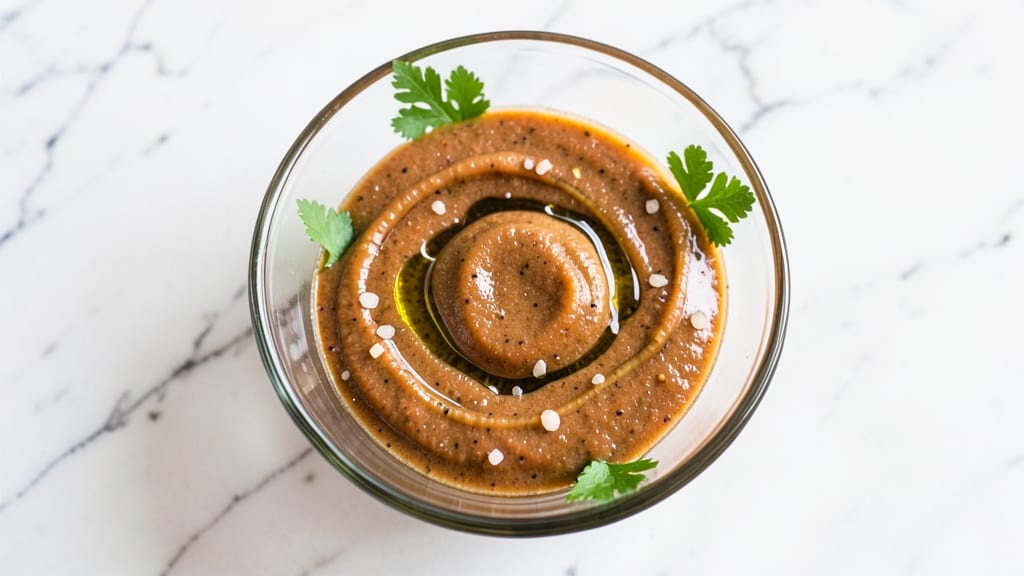
This honey mustard sauce for salmon transforms simple ingredients into a bright, balanced condiment that elevates grilled, baked, or pan-seared fish with every tangy-sweet bite. The secret lies in the ratio—equal parts honey and Dijon mustard—whisked with a touch of vinegar to cut through richness and create that signature zing.
I developed this recipe after years of testing, ensuring the sauce remains stable enough for glazing but still vibrant when drizzled.
What sets this sauce apart is its versatility—it works as a glazing for salmon fillets, a dipping sauce for shrimp, or even a tangy addition to coleslaw. The preparation takes just 5 minutes of active time, with no cooking required, making it perfect for busy weeknights.
The honey caramelizes slightly when heated, adding depth, while the mustard provides that signature sharpness that cuts through the richness of fish.
By the time you finish whisking, you’ll have a sauce that’s glossy, cohesive, and packed with flavor—no lumps, no separation, just smooth, restaurant-quality consistency. The vinegar and lemon juice keep it fresh-tasting, while the Dijon mustard adds complexity that store-bought versions miss.
This isn’t just a sauce; it’s a game-changer for salmon dishes.
Store it in the fridge for up to 5 days, or freeze for longer shelf life—perfect for meal prep. Use it as a glaze, a dip, or a finishing touch, and watch how it transforms even the simplest salmon into something extraordinary. Ready to make it?
Ingredients for honey mustard sauce for salmon
Eight simple components create this restaurant-quality honey mustard sauce for salmon.
| Ingredient | Amount | Notes |
|---|---|---|
| Extra-Virgin Honey 🍯 | ½ cup | Local or raw preferred for depth |
| Dijon Mustard 🍯 | ½ cup | High-quality, smooth variety |
| White Wine Vinegar 🍷 | 1 tbsp | Balsamic adds complexity if preferred |
| Fresh Lemon Juice 🍋 | 1 tbsp | Freshly squeezed, no pulp |
| Extra-Virgin Olive Oil 🫒 | 2 tbsp | Light, fruity variety preferred |
| Granulated Garlic 🧄 | 1 tsp | Or 1 minced fresh clove |
| Diamond Crystal Kosher Salt 🧂 | ½ tsp | Fine grain for balance |
| Freshly Ground Black Pepper 🌶️ | ¼ tsp | Freshly cracked for aroma |
The honey and Dijon mustard form the sauce's foundation, so quality matters here. Local or raw honey adds depth that commercial brands lack, while high-quality Dijon ensures that signature sharpness. For the vinegar, white wine vinegar provides brightness, but apple cider vinegar works beautifully if you prefer a fruity twist. The olive oil should be light and fruity—avoid strong, peppery varieties that could overpower the delicate balance. Garlic is best minced fresh, but granulated garlic saves time without sacrificing flavor. Penzeys or Whole Foods bulk sections are ideal for sourcing these ingredients at their peak.
No Dijon mustard? Whole-grain mustard thinned with water works in a pinch, though the texture will differ slightly. Substitute balsamic vinegar for white wine vinegar if you prefer a richer profile, but reduce to 0.75 tbsp to maintain balance. For a smoother sauce, strain out any mustard seeds if using whole-grain mustard. The olive oil can be swapped for avocado oil for a neutral base, though it lacks the fruity notes. Fresh lemon juice is non-negotiable—bottled versions often contain additives that dull the sauce's vibrancy. If you must use bottled, ReaLemon is the closest to fresh.
This sauce stays fresh for 5 days in an airtight container in the fridge, though it's best used within 3 days for peak brightness. For longer storage, freeze in 1-tbsp portions in ice cube trays—thaw quickly under warm water when ready to use. The sauce thickens slightly when chilled, so whisk briefly before using. If the sauce separates, simply whisk vigorously to re-emulsify. It reheats beautifully when gently warmed in a saucepan over low heat, making it perfect for meal prep. Store any unused portions in a glass jar to preserve freshness.
Why You'll Love This Recipe
- Five-Ingredient Magic: I swear by this combo—just honey, mustard, vinegar, lemon, and olive oil. No fancy gadgets, no last-minute grocery runs. The Dijon mustard adds depth while the honey keeps it from being too sharp, and honestly? That tangy vinegar kick makes it sing.
- Bright & Tangy: The lemon juice cuts through the richness of the salmon, and the honey balances the mustard’s bite. It’s not sweet, not savory—it’s that perfect in-between that makes you reach for seconds. (Yes, even on a Tuesday night.)
- Meal Prep MVP: Make a batch on Sunday, store it in the fridge, and use it all week. It’s ideal for salmon fillets, grilled chicken, or even as a dip—no one will guess it’s the same sauce. Between us, I’ve used it for three different dinners this month.
- Budget-Friendly Luxury: You’re paying for quality honey and olive oil, but the rest? Pantry staples. A little goes a long way, and the leftovers keep for days. I’ll be real: it’s the kind of sauce that makes a simple weeknight feel like a restaurant meal without breaking the bank.
Step-by-step instructions for honey mustard salmon sauce
This sauce delivers a perfect harmony of sweet, tangy, and savory flavors that elevate any salmon dish.
Whisk Together the Honey and Mustard Base
In a medium bowl, combine the 0.5 cup extra-virgin honey and 0.5 cup Dijon mustard. Use a whisk to blend them thoroughly for about 30 seconds—this ensures a smooth, lump-free foundation. The honey should begin to emulsify with the mustard, creating a thick, golden paste. If you notice any stubborn streaks, press the back of a spoon against the bowl to help break them down. This step is critical for achieving the sauce's signature velvety texture.
The Dijon mustard adds depth and a subtle tang that balances the honey's sweetness. Using high-quality Dijon ensures a complex flavor profile rather than a one-dimensional sweetness. Let the mixture sit for 1 minute while you prepare the remaining ingredients—this brief rest allows the flavors to begin melding.
Incorporate the Acidic and Aromatic Components
Add the 1 tablespoon white wine vinegar and 1 tablespoon fresh lemon juice to the honey-mustard mixture. Whisk vigorously for 20-30 seconds until fully combined. The vinegar and lemon juice introduce the necessary acidity to cut through the sweetness, creating a bright, balanced flavor. You'll notice the mixture lighten slightly in color and become slightly more fluid as the acids activate.
Next, incorporate the 2 tablespoons extra-virgin olive oil and 1 teaspoon granulated garlic. Whisk continuously for another 30 seconds until the oil is fully emulsified and the garlic is evenly distributed. The olive oil adds a smooth, silky mouthfeel, while the garlic introduces a subtle, aromatic depth. If the sauce begins to separate, add 1 teaspoon water and whisk again—this helps re-emulsify the ingredients.
Season and Adjust for Perfection
Add the 0.5 teaspoon diamond crystal kosher salt and 0.25 teaspoon freshly ground black pepper to the mixture. Whisk for 10-15 seconds to ensure the seasoning is evenly distributed. Taste the sauce at this stage—it should be sweet, tangy, and slightly garlicky with a well-rounded balance of flavors. If it tastes too sweet, add ½ teaspoon more white wine vinegar or ½ teaspoon lemon juice. If it needs more depth, add ¼ teaspoon granulated garlic or a pinch of salt.
The sauce should now have a glossy, slightly thick consistency—similar to a well-thinned glaze. If it's too thick for your liking, thin it with 1 teaspoon water at a time until it reaches a pourable yet coatable texture. Conversely, if it's too thin, simmer the sauce gently in a small saucepan for 2-3 minutes to reduce it slightly. This adjustment ensures the sauce clings beautifully to salmon without being overly runny.
Rest and Prepare for Service
Cover the bowl with plastic wrap and let the sauce rest at room temperature for 10-15 minutes. This resting period allows the flavors to fully meld and the sauce to reach its ideal consistency. During this time, you can prepare your salmon—whether it's seared, grilled, or baked—so it's ready to be coated or drizzled with the sauce.
Before serving, give the sauce one final whisk to ensure it's smooth and homogeneous. The sauce should now have a vibrant amber hue with a glossy sheen. Drizzle it over your salmon just before serving, or use it as a dipping sauce for crispy salmon bites. The contrast of the warm, sweet, and tangy sauce against the delicate, flaky texture of salmon is what makes this recipe truly exceptional.
Pro Tips For Making Honey Mustard Sauce For Salmon
- Whisk in stages: Start by mixing the Dijon mustard and honey first—this helps emulsify the sauce better. Then add vinegar and lemon juice, and finish with olive oil in a slow stream while whisking constantly. Rushing this step usually means a broken sauce.
- Use room-temperature honey: Cold honey thickens the sauce weirdly and makes it clump. Let that jar sit out for 10 minutes before measuring—trust me, the sauce will be smoother and glossier.
- Balance the acid first: Taste as you go: if the vinegar or lemon juice tastes too sharp, add a drizzle of honey to mellow it. If it’s too sweet, a splash of vinegar cuts through it. Adjust in small amounts—you can’t fix it later.
- Thin with water, not oil: If the sauce is too thick, resist the urge to add more olive oil—it’ll make it greasy. Instead, use a teaspoon of water or lemon juice to loosen it up. The sauce should coat the back of a spoon but still flow easily.
Flavor customization for this honey mustard sauce for salmon
Sweet Heat Boost
For an extra kick, stir in ½ teaspoon cayenne pepper or 1 teaspoon hot honey (like Chimichurri brand) into the finished sauce. This adds a smoky, fiery contrast that pairs beautifully with grilled salmon.
I find ½ teaspoon smoked paprika also works well for depth without overpowering the tangy-sweet balance. 🌶️
Herb Infusion
Fresh herbs elevate this sauce to new heights. Add 1 tablespoon finely chopped fresh dill or 1 teaspoon dried dill for a bright, anise-like note that complements salmon perfectly.
For a Mediterranean twist, mix in 1 teaspoon chopped fresh parsley and ¼ teaspoon dried oregano. Whisk these in just before serving to preserve their freshness.
Citrus Zest Twist
Brighten the sauce further by adding 1 teaspoon lemon zest or ½ teaspoon orange zest while whisking. The zest adds a fragrant, aromatic layer that enhances the acidity. For a tropical variation, substitute ½ teaspoon lime zest and reduce the lemon juice to ½ tablespoon to maintain balance.
The zest should be finely grated to avoid graininess in the sauce.
Spiced Mustard Swap
Replace the Dijon mustard with ½ cup whole-grain mustard for added texture and a nuttier depth. Strain out any seeds if you prefer a smoother consistency. For extra warmth, add ¼ teaspoon ground cumin or ½ teaspoon mustard powder to the base mixture.
This variation works exceptionally well with baked salmon, where the spices caramelize slightly during cooking.
Umami Depth
For a savory twist, incorporate 1 teaspoon soy sauce or ½ teaspoon fish sauce into the sauce. These additions introduce umami richness that pairs wonderfully with salmon’s natural flavors.
I recommend adding these toward the end of whisking to avoid overpowering the sweet-tangy profile. A dash of Worcestershire sauce also works beautifully for a deeper, more complex taste.
Texture Variations
For a chunkier sauce, fold in 1 tablespoon finely chopped capers or 1 teaspoon minced shallots for added bite. If you prefer a smoother finish, blend the sauce briefly in a small food processor or immersion blender.
For a creamy variation, stir in 1 tablespoon Greek yogurt or 1 teaspoon mayo just before serving—this adds a luxurious mouthfeel that contrasts beautifully with salmon’s flakiness.
Nutrition facts
Frequently asked questions
Can I make this honey mustard sauce without Dijon mustard?
Yes! Use ½ cup whole-grain mustard instead, but strain out seeds for a smoother texture. For extra depth, add ¼ teaspoon mustard powder to the base mixture. The flavor will be slightly nuttier but still balanced with the honey.
How long will this sauce keep in the fridge?
The sauce stays fresh for 5 days when stored in an airtight container. For best flavor, use it within 3 days. If it thickens when chilled, whisk briefly before using. Freeze in 1-tbsp portions for up to 3 months—thaw quickly under warm water.
Can I use this sauce on other proteins besides salmon?
This sauce works beautifully with chicken, shrimp, or pork chops. For seafood, it’s especially good with cod, halibut, or scallops. For heartier meats, reduce the honey slightly (¼ cup) to balance the richness.
Why did my sauce separate? How do I fix it?
Separation happens when oil and water-based ingredients aren’t fully emulsified. Whisk vigorously with 1 teaspoon water or 1 teaspoon olive oil to re-combine. For a smoother texture, blend briefly in a food processor. If it’s too thick, thin with ½ teaspoon water at a time.
Can I make this sauce ahead for meal prep?
Yes! Prepare it 1-2 days ahead and store in the fridge. The flavors deepen over time. For meal prep, freeze in 1-tbsp portions—thaw quickly in warm water before using. Reheat gently in a saucepan over low heat to maintain its glossy consistency.