
Sauces & Condiments
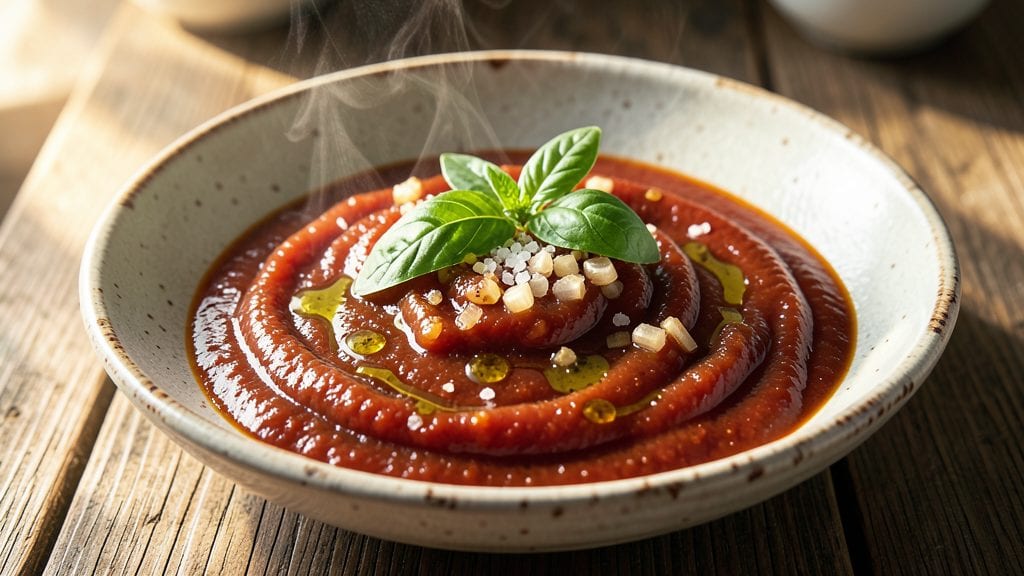
Grandma’s old-fashioned tomato sauce recipe transforms simple pantry staples into a deeply flavorful, velvety sauce that tastes like childhood memories. This isn’t your typical canned version—it’s rich, slow-simmered, and built with just a few key ingredients that work together over time.
I’ve made it dozens of times, and every batch tastes like home, with that perfect balance of sweetness and acidity that keeps it versatile for pasta, pizza, or stews.
The beauty of this sauce lies in its simplicity and patience. No fancy techniques—just a heavy pot, a little oil, and a 30-minute simmer that lets the flavors meld into something extraordinary.
The secret? Letting the tomatoes break down naturally while stirring occasionally to prevent sticking. This is the kind of sauce that improves with age, deepening in flavor the longer it sits.
What you’ll end up with is a smooth, vibrant sauce with just the right thickness—thin enough to coat pasta perfectly but rich enough to stand alone. It’s the kind of sauce that makes homemade meals feel special, without requiring hours in the kitchen.
Whether you’re tossing it with spaghetti, spreading it on garlic bread, or using it as a base for braised meats, this sauce delivers restaurant-quality results every time.
Best of all, it keeps beautifully in the fridge for up to a week or freezes for months, so you can make a big batch and enjoy it all season long. Let’s get simmering—your pantry is about to become the star of dinner.
Ingredients for grandma's old fashioned tomato sauce
Pantry staples that transform into velvety, nostalgic tomato sauce with just time and patience.
| Ingredient | Amount | Notes |
|---|---|---|
| Extra-Virgin Olive Oil 🫒 | ¼ cup | High-quality, fruity variety preferred |
| Yellow Onion 🧅 | 1 whole | Medium size, finely diced |
| Fresh Garlic Cloves 🧄 | 4 cloves | Peeled and lightly crushed |
| San Marzano Whole Tomatoes 🍅 | 28 oz | Canned, crushed by hand |
| Tomato Paste 🍅 | 2 tbsp | High-quality, no sugar added |
| Dried Basil 🌿 | 1 tbsp | Or 1/4 cup fresh basil leaves |
| Dried Oregano 🍃 | 1 tsp | Italian or Mediterranean blend |
| Red Wine Vinegar 🍷 | 1 tbsp | For brightness and acidity |
| Granulated Sugar 🍬 | 1 tsp | Balances acidity naturally |
| Diamond Crystal Kosher Salt 🧂 | 1 tsp | Adjust to taste |
| Freshly Ground Black Pepper 🌶️ | ½ tsp | Freshly cracked preferred |
The tomatoes are the heart of this sauce, so San Marzano is worth seeking out—they're sweeter and meatier than regular canned tomatoes. Trader Joe's or Whole Foods usually carry them, but any high-quality canned tomatoes will work. Fresh basil is ideal, but dried basil (at one-third the amount) keeps the flavor profile intact. The tomato paste? No sugar added is critical—it prevents the sauce from tasting overly sweet. I always grab a small can from the Italian section at Costco when I'm making a big batch, but a single-serving tube works too. For the onions, yellow onions add the right balance of sweetness and bite—red onions can make the sauce too sharp.
No red wine vinegar? White wine vinegar or lemon juice works in a pinch, but the red adds that classic depth. Short on fresh basil? Dried basil at one-third the amount is a game-changer. The sugar might seem odd, but it's essential to balance the acidity from the tomatoes and vinegar—no sugar? Add a pinch of salt instead. Want more richness? Stir in a splash of heavy cream or a pat of butter at the end. The garlic can be roasted for a mellow, sweet flavor—just wrap the cloves in foil with a drizzle of olive oil and roast at 400°F for 10 minutes before adding.
This sauce tastes even better the next day as the flavors meld. Store in an airtight container in the fridge for up to one week or freeze for up to 3 months. I like to portion mine into ice cube trays for easy single-use portions—perfect for topping pasta or pizza. If it thickens too much, just stir in a splash of water or broth. The longer it simmers, the deeper the flavor, so don’t rush it—patience is key.
Why You'll Love This Recipe
- Five-Ingredient Magic: I swear by this—just oil, onion, garlic, crushed tomatoes, and paste. That’s it. No fancy gadgets, no stress, just you, a pot, and 20 minutes of simmering while you do anything else.
- San Marzano Secret Weapon: Between us, those plump tomatoes change everything. Sweet, meaty, and bursting with flavor—no watery, bland sauce here. The paste deepens it further, turning simple into ridiculously good.
- Weeknight to Sunday Table: Slap it on pasta, spoon it over grilled chicken, or freeze half for lazy days. Honestly, I’ve used it for everything from bruschetta to stuffed peppers, and it never lets me down.
- Budget-Friendly Pantry Gold: A single jar of San Marzano tomatoes and a can of paste stretch for weeks. I’ll be real: this sauce costs pennies to make but tastes like a restaurant dish—my wallet and taste buds both win.
Step-by-step instructions for grandma's old-fashioned tomato sauce
This is how my grandmother made her legendary sauce—simple ingredients, slow simmering, and that unmistakable depth of flavor.
Sauté the Aromatics Until Golden
Heat the 0.25 cup extra-virgin olive oil in a heavy-bottomed saucepan over medium heat. Add the 1 whole yellow onion that's been finely diced and cook for 5-6 minutes until it becomes translucent and just begins to soften. This is where the flavor foundation starts building.
Next, add the 4 cloves fresh garlic cloves that you've peeled and lightly crushed. Cook for another 30-45 seconds until the garlic is fragrant but not browned. Browned garlic adds bitterness, and we want pure, sweet garlic flavor here. Stir frequently to prevent burning—this is the moment that matters.
Build the Sauce Base with Tomatoes and Paste
Push the onion and garlic to one side of the pan and add 2 tablespoons tomato paste. Stir constantly for 1-2 minutes until it darkens slightly and develops a rich, caramelized aroma. This step deepens the sauce's flavor profile significantly—don't rush it.
Pour in the 28 ounces San Marzano whole tomatoes that you've crushed by hand (no blender—we want that rustic texture). Add 1 tablespoon red wine vinegar and 1 teaspoon granulated sugar. The vinegar brightens the sauce while the sugar balances the natural acidity of the tomatoes. Stir everything together thoroughly.
Simmer Until Thick and Flavorful
Bring the sauce to a gentle boil over medium-high heat, then immediately reduce to low heat. Let it simmer uncovered for 45-60 minutes, stirring occasionally. You're looking for the sauce to reduce by about one-third—it should coat the back of a spoon and have a thick, syrupy consistency.
Here's the thing—this long simmering time allows all the flavors to meld together perfectly. The onions will dissolve completely, the garlic will become completely integrated, and the tomatoes will break down into a velvety texture. Real talk: don't walk away during this process. Stir every 10 minutes to prevent sticking and ensure even cooking.
Season and Finish
After the initial 45 minutes of simmering, taste the sauce and adjust the seasoning. Add 1 teaspoon diamond crystal kosher salt and 0.5 teaspoon freshly ground black pepper, then stir in 1 tablespoon dried basil and 1 teaspoon dried oregano. Let it simmer for another 15 minutes to allow these herbs to infuse their flavors.
The sauce should now have a beautiful, glossy sheen and a thick, almost jam-like consistency. If it's still too thin after the full simmering time, uncover the pan and let it reduce for another 10-15 minutes. The key is patience—this is what transforms simple ingredients into something truly special. Serve warm over pasta or use as a base for your favorite Italian dishes.
Pro Tips For Making Grandma'S Old Fashioned Tomato Sauce
- Sweat, Don’t Burn: DESCRIPTION: My first time charring onions for this sauce ended with a blackened mess—learned fast. Use low heat and a pinch of salt to draw out moisture, then cook until translucent but still glossy. If they darken, you’ve gone too far, and the sauce will taste bitter. Keep a lid handy to speed things up if needed.
- Crush, Don’t Mince: DESCRIPTION: Whole garlic cloves in this sauce? Yes—but skip the mincer. Smash them lightly with the flat side of your knife first, then add them whole. They’ll infuse flavor without overpowering, and you’ll avoid the bitter, allicin-heavy taste that comes from mincing. Remove them after 2 minutes if you’re worried.
- Simmer, Don’t Boil: DESCRIPTION: The moment you add tomatoes, drop the heat to low and let it bubble gently. I used to rush it, and the sauce would split or lose its depth. A steady simmer—barely any movement—lets the flavors meld. If it’s too thick, add a splash of water; if too thin, cook longer. Patience here makes the difference.
- Paste First, Tomatoes Later: DESCRIPTION: Cook the tomato paste until it’s deep red and glossy—about 3-4 minutes—before adding anything else. This isn’t just for color; it builds a flavor base that won’t get lost when the tomatoes join. Then, toss in onions and garlic, and let them bloom in that rich paste. Trust me, the sauce will taste richer.
Perfect pairings for these flavors
Pasta Pairings
This sauce is a match made in heaven with spaghetti, linguine, or fettuccine—the long strands catch the sauce beautifully. For extra richness, toss with brown butter or a sprinkle of Pecorino Romano before serving.
I like to reserve ½ cup of the sauce before adding it to the pasta, then stir it in at the end to keep the sauce vibrant and not broken down by the starch. 🍝
Pizza Toppings
Spread this sauce as a base for homemade pizza, then top with fresh mozzarella, sliced basil, and a drizzle of extra-virgin olive oil. For a twist, mix in crumbled feta or Gorgonzola for a tangy contrast.
I often preheat my pizza stone for 15 minutes at 500°F to get that perfect crispy crust while keeping the sauce gooey inside. 🍕
Meat Dishes
Use this sauce as a base for braised meats like chicken, beef, or pork. Simmer 1 lb of chicken thighs in the sauce for 30 minutes until tender, then finish with a splash of dry white wine.
It also works wonders as a Bolognese-style sauce—just add ground beef and pork and simmer for 1.5 hours for a rich, hearty dish. 🥩
Bread Dips
Warm the sauce slightly and serve it as a dip for garlic bread, bruschetta, or focaccia. For extra flair, mix in 1 tbsp of cream cheese or ricotta to make it even smoother.
I love pairing it with toasted sourdough or ciabatta—the crusty texture soaks up the sauce perfectly. 🥖
Breakfast Twist
Yes, really! Use this sauce as a topping for breakfast eggs—drizzle over scrambled eggs, shakshuka, or omelets for a savory, umami kick. I sometimes add a pinch of red pepper flakes and a sprinkle of Parmesan for a morning meal that feels like a celebration. 🍳
Freezer-Friendly Uses
Portion the sauce into ice cube trays and freeze for easy single-use servings. Pop them into soups, stews, or casseroles to add instant depth. I keep a stash in my freezer for quick weeknight meals—just thaw and reheat in 10 minutes on the stovetop. 🧊
Nutrition facts
Frequently asked questions
Why does this sauce taste better the next day?
The long simmering process creates a concentrated flavor base, but the real magic happens during resting. As the sauce cools, the flavors continue to meld and intensify, much like a fine wine. The acidity from the vinegar and tomatoes also mellows slightly, creating that perfect balance of sweetness and tang. Let it sit in the fridge for at least 4 hours before serving for optimal flavor.
Can I substitute fresh tomatoes for canned in this recipe?
Fresh tomatoes work, but you'll need about 4-5 large ripe tomatoes (peeled, seeded, and chopped) to replace the 28 oz canned tomatoes. The texture will be slightly chunkier, and you may need to simmer for an extra 10-15 minutes to break them down. For best results, roast the tomatoes first at 400°F for 20 minutes to concentrate their flavor.
How do I prevent my sauce from sticking to the pot?
Use a heavy-bottomed pot (like enameled cast iron) and stir frequently during the initial cooking stages. The key is to keep the heat at medium-low once the sauce starts simmering. If you notice sticking, add a splash of water or broth and scrape the bottom gently with a wooden spoon. A thin layer of oil in the pot before adding ingredients also helps create a natural barrier.
What's the best way to store leftover sauce?
Let the sauce cool completely, then transfer to an airtight container. It keeps in the fridge for up to 1 week or freezes beautifully for 3 months. For portion control, freeze in ice cube trays - just pop out what you need and reheat in 10 minutes on the stovetop. The freezer method preserves all the flavors perfectly!
Can I make this sauce without vinegar?
Yes, but you'll need to adjust the balance. Skip the vinegar and add an extra ½ teaspoon of sugar to compensate for the lost acidity. Alternatively, use 1 teaspoon of lemon juice instead. The vinegar isn't just for flavor - it helps prevent the sauce from tasting flat and enhances the overall brightness of the tomatoes.