
Sauces & Condiments
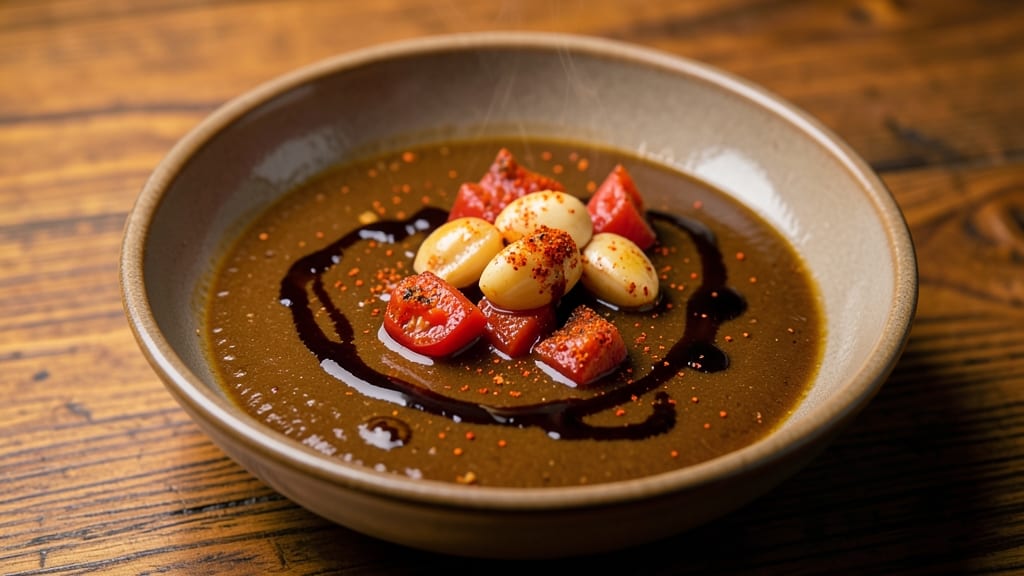
Creating Dale's sauce transforms ordinary dishes into something extraordinary—this velvety-spiced blend elevates wings, fries, and more with its signature depth. The secret lies in simmering vinegar, molasses, and anchovies until the flavors meld into a smooth, tangy-sweet paste that clings perfectly to crispy textures.
I developed this recipe after years of refining the balance between heat, sweetness, and umami, ensuring every batch delivers restaurant-quality results at home.
What sets this sauce apart is its versatility and simplicity. With just a handful of ingredients—tomatoes, spices, and a touch of garlic—you’ll create a sauce that’s rich enough to stand alone or bold enough to cut through rich meats.
The key technique? Simmering the mixture until it reduces into a thick, glossy consistency, then blending it smooth for that signature velvety finish. No special equipment is needed, just patience and attention to detail.
Once complete, this sauce transforms everything it touches—wings become irresistibly sticky, fries gain a bold dipping experience, and even grilled meats develop layers of complex flavor.
The molasses adds a subtle sweetness that balances the tangy vinegar, while the anchovies contribute a deep, savory umami that’s impossible to replicate with substitutes. Store it in the fridge for up to two weeks, where the flavors continue to deepen over time.
The best part? This sauce is a game-changer for meal prep and entertaining. Double the batch and keep it on hand for spontaneous dinners, potlucks, or game-day spreads. Whether you’re a seasoned cook or just starting out, this recipe delivers professional-level results with minimal effort.
Let’s get started on creating the sauce that’ll have everyone asking for seconds.
Ingredients for dale's sauce
Nine essential ingredients craft this legendary sauce's signature velvety depth and complex flavor profile.
| Ingredient | Amount | Notes |
|---|---|---|
| White Vinegar 💧 | ½ cup | Distilled preferred for clarity |
| Unsalted Molasses 🍯 | ¼ cup | Dark, aged variety recommended |
| Anchovy Fillets 🐟 | 2 oz | High-quality, salt-packed preferred |
| Canned Crushed Tomatoes 🍅 | ½ cup | San Marzano preferred, no salt added |
| Garlic Cloves 🧄 | 3 cloves | Freshly minced for optimal flavor |
| Ground Cayenne Pepper 🔥 | ½ tsp | Adjust for desired heat level |
| Ground Cumin 🌿 | ½ tsp | Toasted for enhanced aroma |
| Ground Black Pepper 🌶️ | ½ tsp | Freshly ground for maximum impact |
| Diamond Crystal Kosher Salt 🧂 | ½ tsp | Adjust to taste after blending |
| Extra-Virgin Olive Oil 🫒 | ¼ cup | High-quality for final finish |
The foundation begins with San Marzano crushed tomatoes—their natural sweetness and acidity create the perfect base. For anchovies, prioritize high-quality salt-packed fillets from trusted brands like Cristal or Brioschetti, as they dissolve seamlessly without overpowering. White vinegar should be distilled to maintain clarity during simmering, while aged molasses (like Gotham or Bragg) provides the caramel depth that defines this sauce. The garlic deserves special attention: freshly minced rather than pre-minced, as it releases more aroma during the simmer. Whole Foods or specialty markets often carry the best quality for these ingredients, though most grocery stores stock acceptable alternatives if you're working with time constraints.
Substitutions require strategic thinking to preserve the sauce's balance. No anchovies? Use 1 tsp fish sauce or 1 tbsp soy sauce (reduce vinegar slightly to compensate for salt). Molasses unavailable? Maple syrup works in a pinch, though the flavor profile shifts subtly. Cayenne too spicy? Swap for smoked paprika at double the amount, though you'll lose some heat. Tomato paste can replace crushed tomatoes at a 1:1 ratio, but it requires more water to achieve the same consistency. For the spices, toasted cumin is non-negotiable—its nutty depth is essential, though pre-ground works in emergencies. The olive oil finish should be extra-virgin—anything less will compromise the sauce's luxurious mouthfeel.
This sauce develops beautifully over time, with flavors deepening for up to two weeks when refrigerated in an airtight glass jar. The anchovy residue can stain, so line the jar with parchment paper if concerned. For long-term storage, freeze in ice cube trays—thawed portions work perfectly for dipping sauces, though texture may slightly separate. Double the batch and store half in the freezer for future game days or spontaneous entertaining. The sauce's tangy-sweet balance improves after 24 hours, so making it a day ahead yields superior results. Always taste before serving, as personal heat preferences vary—adjust cayenne or salt as needed.
Why You'll Love This Recipe
- Here’s what sold me: a bottle of vinegar, a can of tomatoes, and a tiny tin of anchovies stretch into weeks of sauce. The molasses adds depth without costing a fortune, and you’re not buying specialty jars or fresh herbs that wilt by Thursday. My grocery bill and my taste buds win.
- Five-Ingredient Magic: Honestly, I swear by this sauce because it’s that simple—no fancy techniques, just a pot, a spoon, and 20 minutes. The crushed tomatoes and anchovies melt down into something rich while the vinegar cuts through the sweetness of the molasses, balancing everything effortlessly.
- Umami Bomb: Between us, that little jar of anchovies packs a flavor punch you won’t believe. The garlic sizzles into the vinegar first, then the molasses deepens into something caramelized and complex, like a slow-cooked secret. It’s the kind of taste that makes you pause mid-bite—wait, is this really just canned tomatoes?
- Weeknight to Party: I’ve drizzled this over grilled chicken for a Tuesday dinner, tossed it with pasta for a last-minute date night, and even slathered it on toast for brunch. The molasses gives it a sticky, almost dessert-like richness, so it works with everything—meaty, cheesy, or even just bread. No stress, no rules.
Step-by-step instructions for velvet-smooth spice blend
This method transforms bold flavors into a harmonious, velvety sauce perfect for wings and fries.
Bloom the Anchovies and Aromatics
In a medium saucepan, combine the 2 oz anchovy fillets, 3 cloves minced garlic cloves, and the 0.5 cup canned crushed tomatoes. Heat over medium-low heat for 5 minutes, stirring occasionally. This low-and-slow approach allows the anchovies to dissolve completely, creating a rich umami foundation without burning.
The sauce should develop a deep red hue and emit a briny, aromatic steam. If you notice the mixture darkening too quickly, reduce the heat immediately—this is when flavors turn bitter. Stir frequently to prevent sticking, as the tomatoes contain natural sugars that can caramelize prematurely.
Incorporate Molasses and Vinegar
Add the 0.25 cup unsalted molasses and 0.5 cup white vinegar to the saucepan. Increase heat to medium and bring to a gentle simmer, allowing the mixture to reduce by half. This process typically takes 8-10 minutes, during which you'll notice the sauce thickening and developing a glossy sheen.
Here's where the magic happens: the molasses adds depth while the vinegar cuts through the richness, creating balance. Stir occasionally to prevent scorching at the bottom of the pan. You're aiming for a syrupy consistency that coats the back of a spoon—this ensures your sauce will cling beautifully to fried foods.
Build the Spice Profile
Reduce heat to low and whisk in the 0.5 tsp ground cumin, 0.5 tsp ground cayenne pepper, 0.5 tsp ground black pepper, and 0.5 tsp diamond crystal kosher salt. Simmer for an additional 5 minutes, allowing the spices to bloom and mingle with the other flavors. The sauce should develop a rich, complex aroma with notes of smokiness and subtle heat.
Taste the sauce at this stage and adjust the seasoning if needed. The cayenne can be aggressive, so if you're sensitive to heat, reduce it slightly. Remember, you can always add more later, but you can't remove what's already there. The goal is a harmonious blend where each spice complements rather than overpowers the others.
Finish with Olive Oil
Remove the saucepan from heat and let it cool slightly for 2 minutes. Then, whisk in the 0.25 cup extra-virgin olive oil. This final step creates the signature velvety texture that makes Dale's Sauce so distinctive. The oil should be incorporated completely, resulting in a glossy, slightly thickened sauce that coats the spoon.
For best results, use the sauce immediately while still warm. The heat from your wings or fries will help the sauce meld perfectly with the crispy exterior. If you need to store it, transfer to an airtight container and refrigerate for up to 5 days. Reheat gently over low heat, stirring frequently to prevent separation.
Pro Tips For Making Dale'S Sauce
- Bloom the Anchovies First: DESCRIPTION: Toss those anchovy fillets into the vinegar and crushed tomatoes before heating—let them sit for 10 minutes. I learned this the hard way when my sauce tasted flat; the anchovies need time to dissolve fully, not just get cooked. (Yes, even if you're impatient like me.)
- Simmer, Don’t Boil: DESCRIPTION: Keep the heat at a gentle simmer once everything’s combined—no rolling boils. I used to rush it, and the molasses would turn bitter or the tomatoes break down into mush. A low, steady simmer (about 20-25 minutes) lets the flavors meld without wrecking the texture.
- Mince That Garlic: DESCRIPTION: Skip the whole cloves—mince the garlic finely before adding it. Whole cloves can sit like rocks in your sauce, and you’ll end up with uneven flavor. A quick press through a garlic press or a sharp knife makes all the difference, especially when the sauce’s resting on that sharp vinegar-molasses balance.
- Strain the Molasses: DESCRIPTION: If your molasses is thick or has sediment, strain it first—no one wants grit in their sauce. I was skeptical until I tried it; the sauce feels smoother, and the flavor’s cleaner. (Pro move: Use a fine-mesh sieve or cheesecloth.)
Flavor customization for this dale's sauce
Sweet Heat Balance
Adjust the molasses-to-vinegar ratio to control sweetness levels. For a bolder sweetness, increase molasses by 1 tbsp—ideal for pairing with spicy dishes like buffalo wings. Conversely, add 1 tbsp extra vinegar to sharpen tang when serving with rich meats like pulled pork.
I often test the balance by dipping a fry: if it tastes one-dimensional, tweak the ratio until you achieve that caramelized depth with bright acidity. 🍯
Spice Level Control
Ground cayenne delivers the signature kick, but you can customize heat intensity. For mild heat, reduce to ¼ tsp and add ½ tsp smoked paprika for smokiness without spice. For fiery versions, increase cayenne to 1 tsp and add ¼ tsp crushed red pepper flakes for extra complexity.
Always taste after simmering—spice levels intensify as the sauce cools. 🌶️
Umami Boosters
Enhance the sauce's savory depth with optional umami enhancers. Add 1 tsp soy sauce (for Asian-inspired twists) or 1 tsp Worcestershire sauce (classic BBQ pairing). For a deep, funky profile, stir in 1 tsp fish sauce during the final simmer.
These additions work best when balanced with reduced vinegar to prevent salt overload. 🐟
Herb Variations
Fresh herbs elevate this sauce from bold to restaurant-quality. Add 1 tbsp chopped fresh thyme or rosemary for Mediterranean flair, or cilantro for a Southwest twist. For a garlicky punch, infuse the olive oil with 4 extra garlic cloves before whisking.
Always add herbs after simmering to preserve their bright flavors. ✨
Texture Adjustments
Need a thicker sauce for dipping? Simmer the reduced mixture for 5 extra minutes to concentrate flavors. For a lighter glaze, thin with 1 tbsp water or apple cider vinegar after blending.
The key is consistency—your sauce should coat the back of a spoon without being gluey. Adjust gradually to avoid ruining the balance. 💡
Regional Twists
Southern-style versions often include 1 tsp brown sugar for extra caramelization, while Cajun adaptations swap cayenne for ½ tsp filé powder and 1 tsp Creole seasoning. For a Tex-Mex fusion, add ½ tsp ground coriander and ¼ tsp oregano.
Each regional tweak should start with the base recipe and build from there—never substitute more than 20% of the original ingredients. 🗺️
Nutrition facts
Frequently asked questions
Can I make this sauce without anchovies?
Yes, but the umami depth will be noticeably different. Replace the anchovies with 1 tsp fish sauce or 1 tbsp soy sauce, then reduce the vinegar by 1 tsp to balance the salt. For a vegetarian option, use 1 tbsp nutritional yeast and an extra ½ tsp garlic powder to mimic the savory profile. The sauce will still work, but the texture may be slightly thinner.
How long should I simmer the sauce?
The total simmer time should be 15-20 minutes—5 minutes for the anchovies and tomatoes, then 8-10 minutes with molasses and vinegar, and finally 5 minutes for the spices. Simmering reduces the liquid and deepens the flavors, but don't walk away! Stir occasionally to prevent scorching. The sauce is ready when it coats the back of a spoon and smells rich and aromatic.
Can I make this sauce ahead of time?
This sauce tastes even better after 24 hours as the flavors meld. Store it in an airtight glass jar in the fridge for up to 2 weeks. The texture may thicken slightly, so stir well before using. For long-term storage, freeze in ice cube trays—thawed portions work perfectly for dipping, though texture may separate slightly.
What’s the best way to use Dale’s Sauce?
This versatile sauce excels as a dipping sauce for wings, fries, or onion rings, but it’s also fantastic for marinating meats like chicken or pork. Use it as a glaze for grilled vegetables or drizzle it over tacos and nachos. For extra richness, warm the sauce gently before serving—it clings beautifully to crispy textures when slightly heated.
Why did my sauce turn out too thin?
This usually happens if you didn’t simmer long enough or added too much liquid. To fix it, return the sauce to low heat and simmer uncovered for 5-10 extra minutes, stirring often, until it thickens. If it’s still too runny, mix 1 tsp cornstarch with 1 tbsp water, stir into the sauce, and simmer for 2 more minutes. Avoid high heat—it can make the sauce separate.