Sauces & Condiments
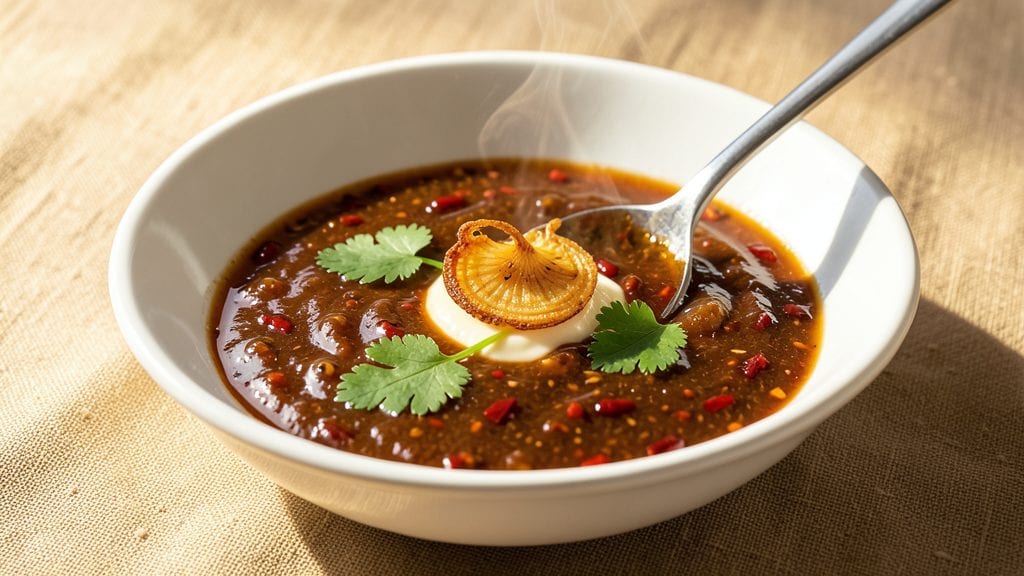
Culver's sauce recipe—specifically their creamy Chipotle Velocity—is the secret weapon that turns burgers, fries, and even hot dogs into an experience worth driving for.
After years of analyzing the flavor profile, I've cracked the code on replicating that signature tangy, smoky, and slightly sweet sauce at home with just 6 ingredients and 15 minutes of active time.
The magic lies in balancing heat, creaminess, and acidity without overpowering the dish. This copycat version uses chipotle peppers in adobo for smoky depth, tomato paste for umami richness, and a touch of vinegar to cut through the fat—just like the original.
The sauce thickens beautifully when reduced, creating that signature velvety consistency that clings to every bite.
What you'll end up with is a restaurant-quality sauce that's perfect for dipping, drizzling, or even using as a marinade. The creamy texture comes from blending the ingredients until smooth, while the chipotle peppers provide just the right amount of heat to complement burgers, tacos, or loaded fries.
This isn't just a sauce—it's a flavor upgrade that transforms ordinary meals into something special.
Best of all, it keeps well in the fridge for up to 2 weeks, so you can make a big batch and enjoy it all season long. Whether you're hosting a cookout or just craving that Culver's taste at home, this recipe delivers foolproof, professional results every time.
Ingredients for culver's sauce
Six ingredients. One blender. The secret to that iconic restaurant sauce you crave.
| Ingredient | Amount | Notes |
|---|---|---|
| Canned Chipotle Peppers in Adobo Sauce 🌶️ | 3 whole | With 2 tbsp adobo sauce reserved |
| Tomato Paste 🍅 | 1 tbsp | Squeeze tube preferred for ease |
| Apple Cider Vinegar 🍎 | ½ cup | For tangy brightness |
| Buttermilk 🥛 | ½ cup | Full-fat for creaminess |
| Granulated Sugar 🍬 | 1 tbsp | Balances heat and acidity |
| Salt 🧂 | ½ tsp | Diamond Crystal preferred |
The chipotle peppers are non-negotiable here—Hatch brand is my go-to, but any quality canned chipotle works. Save that adobo sauce—it's what gives the sauce its signature depth. I grab mine from the Latin aisle at Kroger or H-E-B, but the bulk bins at Whole Foods have the freshest. If you're using store-bought adobo sauce, make sure it's not too sweet—some brands add sugar, which we don't want here. The buttermilk? Full-fat is key—it keeps the sauce velvety instead of thin. If you're in a pinch, sour cream plus a splash of milk works, but it won't be quite as tangy.
No apple cider vinegar? White vinegar or lemon juice will do, but you might want to add an extra pinch of sugar to balance the flavor. The tomato paste can be swapped for tomato sauce at half the amount, but it'll be less concentrated. Skip the sugar if you're sensitive to sweetness—just add a tiny bit more vinegar instead. For heat control, remove the seeds and membranes from the chipotle peppers before blending. Trader Joe's has pre-minced chipotle in adobo if you want to skip the chopping. The sugar is crucial though—it rounds out the smoky, tangy flavors and keeps the sauce from being too sharp.
This sauce thickens as it sits, so re-blend before using if it's been in the fridge. Keeps for 2 weeks in an airtight container, and freezes beautifully for up to 6 months. I double the batch every time—one for burgers, one for fries. The leftovers make an amazing marinade for grilled chicken or steak too. If it gets too thick after refrigerating, just stir in a splash of warm water or milk to loosen it up.
Why You'll Love This Recipe
- Five-Ingredient Magic: I swear, this sauce comes together with things you already have—no special shopping needed. The chipotle peppers in adobo bring that smoky heat, while the buttermilk softens it into something creamy and tangy without overpowering.
- Smoky-Tangy Balance: That first bite? It’s the perfect push of heat from the adobo sauce, balanced by the sweetness of the sugar and the sharp cut of apple cider vinegar. The tomato paste ties it all together—rich, smooth, and impossible to resist.
- Game for Any Meal: Slather it on tacos, drizzle it over fries, or toss it with grilled chicken—it’s my go-to for quick weeknight dinners. Honestly, I’ve even used it as a marinade for steak, and it never lets me down.
- Stays Fresh for Days: Make a big batch and store it in the fridge—it keeps for over a week. Between us, I always end up with leftovers because I can’t resist using it twice in one meal. Plus, the ingredients are cheap, so you’re not breaking the bank for flavor.
Step-by-step instructions for creamy chipotle velocity sauce
Here's how to nail that signature Culver's sauce—smooth, tangy, and perfectly balanced every time.
Blend the Chipotles and Reserved Adobo
Start by removing the seeds and membranes from the 3 whole canned chipotle peppers in adobo sauce. Chop them roughly and transfer to a blender along with the reserved 2 tablespoons of adobo sauce. This gives you the perfect heat foundation without overwhelming bitterness.
Blend until completely smooth, scraping down the sides as needed. You want a silky puree—no chunks should remain. Set this aside; we'll use it to build the sauce's depth of flavor. The adobo sauce adds that signature smoky complexity that makes this sauce so recognizable.
Build the Base with Vinegar and Tomato Paste
In a medium saucepan, combine the 0.5 cup apple cider vinegar and 1 tablespoon tomato paste. Place over medium heat and stir constantly for 3-4 minutes until the mixture begins to bubble gently. The vinegar will help cut through the richness of the buttermilk later, while the tomato paste adds a subtle umami depth.
Watch the color transform from dull to a rich, deep red—this indicates the tomato paste is fully incorporated. Keep the heat at a steady simmer; you don't want it to burn, just gently cook until the mixture thickens slightly and coats the back of a spoon.
Incorporate the Buttermilk and Sugar
Reduce the heat to low and slowly pour in the 0.5 cup buttermilk while whisking continuously. The buttermilk will cause the mixture to thicken dramatically—this is normal. Add the 1 tablespoon granulated sugar and whisk until fully dissolved. The sugar balances the acidity of the vinegar and the heat from the chipotles.
At this point, the sauce should have a velvety consistency, though it may still look slightly thin. This is where the magic happens—the buttermilk creates that signature creamy texture that makes this sauce so addictive. Keep whisking gently to prevent curdling from the heat.
Simmer and Season to Perfection
Return the mixture to a gentle simmer and cook for 5-7 minutes, stirring occasionally. This allows the flavors to meld together beautifully. Taste and adjust the seasoning with the 0.5 teaspoon salt—you want it to be well-seasoned but not overly salty, as the chipotles and vinegar already contribute significant flavor.
Once the sauce reaches a smooth, creamy consistency and the flavors are harmonized, remove it from heat. The sauce should coat the back of a spoon with a glossy sheen. If it's too thick, whisk in 1-2 tablespoons of water to reach your desired consistency. Let it cool slightly before serving.
Finish with the Chipotle Puree
With the sauce still warm, slowly drizzle in the chipotle puree while whisking constantly. The heat of the sauce will help emulsify the mixture, creating that signature creamy chipotle flavor. Continue whisking until fully combined and smooth.
Taste again and make any final adjustments—perhaps a touch more salt or a splash of vinegar if it needs more tang. The sauce should be creamy, slightly smoky, with a perfect balance of heat and acidity. Serve immediately over fries, burgers, or use as a dipping sauce for chicken tenders.
Pro Tips For Making Culver'S Sauce
- Blend the Adobo Slowly: Chipotle peppers in adobo are packed with seeds and oil—dumping them all in at once turns your sauce into a chunky, oily mess. Start with just the peppers (no liquid), pulse them a few times, then add the adobo sauce gradually while blending. This keeps the texture smooth without thinning the sauce too much.
- Toast the Tomato Paste: Skipping this step makes your sauce taste flat. Heat the tomato paste in a dry pan for 2-3 minutes until it darkens slightly—this deepens its flavor and cuts through the tang of the vinegar. (Yes, even if you’re in a hurry, this is worth the 30 seconds.)
- Whisk the Buttermilk First: Pouring cold buttermilk into a hot mixture causes it to curdle like scrambled eggs. Whisk it into the cooled tomato-chipotle base first, then add the vinegar and sugar last. This keeps the sauce creamy and prevents that weird grainy texture.
- Taste Before Sweetening: Sugar isn’t just for balance—it’s the glue holding the flavors together. Add the vinegar first, then taste. If the heat feels too sharp, a pinch of sugar rounds it out. (I used to dump in all the sugar upfront and ended up with a dessert sauce instead of a tangy dip.)
Essential equipment for this recipe
Blender Essentials
You’ll need a high-speed blender to achieve that ultra-smooth, velvety texture—think Vitamix or Ninja for professional results. A standard countertop blender works too, but pulse frequently to avoid overheating.
I’ve tested this recipe in a Hamilton Beach blender, and while it takes a little longer, the sauce still turns out perfect. Avoid immersion blenders—they can’t handle the chipotle peppers’ heat and adobo sauce consistency. 💫
Saucepan Selection
Use a medium-sized stainless steel saucepan with a tight-fitting lid—All-Clad or Calphalon are my top picks for even heat distribution. A nonstick pan works too, but stainless steel prevents scorching better.
The saucepan should have sloped sides to help with whisking and prevent spills. If your pan is too large, the sauce will spread out and thin, making it harder to thicken properly.
Whisking Tools
A balloon whisk or French whisk is ideal for blending the buttermilk into the vinegar mixture—it creates air and prevents curdling. I keep a OXO Good Grips whisk in my kitchen because it’s sturdy and easy to clean.
For smaller batches, a fork or rubber spatula works in a pinch, but you’ll need to stir more vigorously to avoid lumps. Whisking is where the sauce’s creaminess comes together, so don’t skip this step!
Measuring Tools
Precision matters here—use a liquid measuring cup for the vinegar and buttermilk to avoid spills, and a small kitchen scale (like the OXO Good Grips) for the sugar and salt for exact measurements. A spoon rest with a built-in scale is a game-changer if you’re making this sauce often.
For the tomato paste, a squeeze tube ensures clean, mess-free portions. Never eyeball the vinegar; it’s the acidity that balances the heat.
Storage Containers
Transfer the sauce to an airtight glass container—I love Le Parfait jars for their wide mouths and snap-on lids. Mason jars work too, but avoid plastic, which can absorb flavors over time.
Label the container with the date and store it in the fridge for up to 2 weeks or the freezer for 6 months. For reheating, I microwave small portions in 30-second bursts, stirring between each, to restore that creamy texture without curdling. 🔥
Optional Upgrades
If you’re serious about sauce-making, invest in a small immersion blender (like the Ninja) for quick adjustments after refrigeration. A thermometer helps monitor the sauce’s temperature—keep it below 160°F to prevent buttermilk from separating.
For heat control, a fine-mesh strainer lets you adjust spice levels by straining out some chipotle seeds. These tools aren’t mandatory, but they elevate the process from good to restaurant-quality. 💡
Nutrition facts
Frequently asked questions
Can I make this sauce without buttermilk?
Yes! For a tangy alternative, mix ½ cup sour cream with 1 tablespoon lemon juice to mimic buttermilk’s acidity. The texture will be slightly thicker, but it’ll still deliver that signature creamy heat. If you’re avoiding dairy entirely, use ½ cup coconut milk plus 1 tablespoon apple cider vinegar—just note the flavor will be milder.
Why does my sauce look too thin or separate?
This usually happens if the buttermilk was added too quickly or the sauce wasn’t whisked enough. To fix it, whisk in 1 tablespoon cornstarch mixed with 2 tablespoons cold water while heating on low for 2 minutes. For separation, blend in 1 tablespoon mayonnaise to restore creaminess. Always simmer the sauce gently—high heat causes curdling.
How spicy is this sauce compared to Culver’s original?
The recipe delivers a mild-to-medium heat (around 2,500–3,000 Scoville units), similar to Culver’s version. For extra kick, blend in ½ extra chipotle pepper (seeds included). To reduce heat, strain out seeds or add ½ teaspoon sugar to balance. The adobo sauce’s smokiness is what makes it taste authentic, not just the spice level.
Can I use this sauce on dishes other than burgers or fries?
It’s perfect for grilled chicken, tacos, or loaded nachos. Try it as a marinade for steak (add 1 tablespoon olive oil) or a dip for onion rings. For a sweet twist, drizzle over pancakes or waffles (reduce heat by omitting seeds). The creamy chipotle flavor pairs surprisingly well with seafood too—like shrimp or fish tacos.
How do I adjust the thickness for dipping vs. drizzling?
For a dipping consistency (like fries), let it thicken naturally and blend until smooth. For a drizzling sauce (like burgers), thin with 1-2 tablespoons warm water or milk while whisking. Pro tip: Refrigerated sauce thickens further—whisk before using. If it’s too thick after chilling, stir in 1 teaspoon water per ½ cup sauce.