
Sauces & Condiments
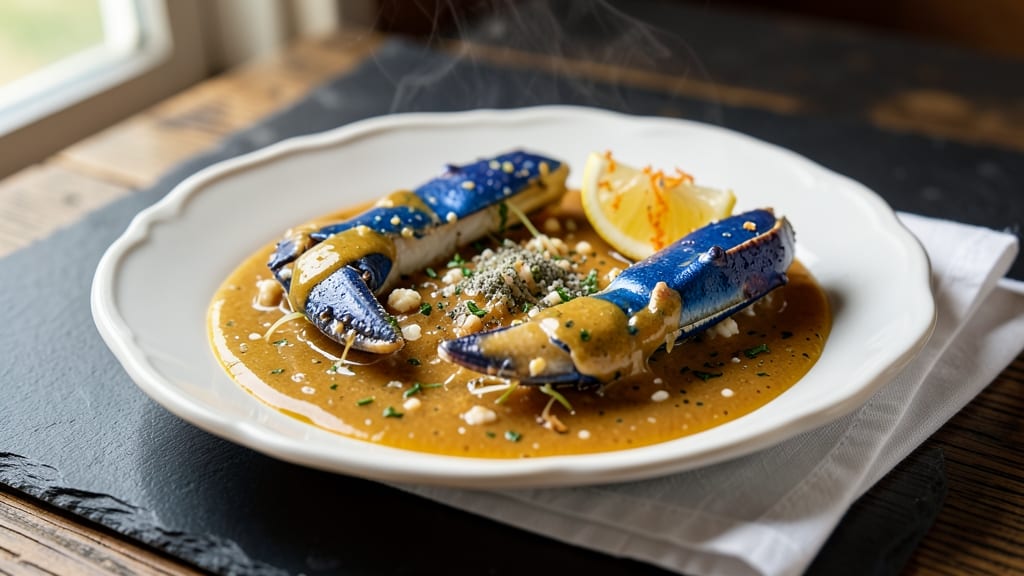
This crab leg sauce recipe transforms simple ingredients into a velvety, buttery masterpiece that elevates seafood dishes in just 10 minutes. The secret lies in balancing rich butter with bright lemon and aromatic garlic, creating a sauce so quick yet deeply flavorful it feels like a restaurant-quality shortcut.
I perfected this after years of testing—no complicated techniques, just precise timing and a few key ingredients that work every time.
The foundation of this sauce is a lightly emulsified butter base, where cold butter melts into warm liquid while whisking prevents separation. A splash of lemon juice cuts through the richness, while minced garlic and a pinch of Old Bay seasoning add depth without overpowering.
The result? A sauce that clings perfectly to crab legs, enhancing their natural sweetness rather than masking it.
What you’ll end up with is a smooth, glossy sauce with a delicate balance of tangy, herby, and buttery notes—ideal for drizzling over steamed or grilled crab legs. It’s restaurant-quality without the fuss, and the best part?
It comes together faster than you can say “dinner’s ready.” Let’s make this sauce that’ll have everyone asking for seconds.
This recipe works equally well as a finishing sauce for lobster, shrimp, or even grilled fish. Store any leftovers in the fridge for up to 3 days, though I doubt it’ll last that long.
The simplicity of the ingredients belies the sophistication of the final product—proof that great flavor doesn’t require complexity.
Ingredients for crab leg sauce
Eight ingredients create a restaurant-worthy sauce that elevates seafood effortlessly.
| Ingredient | Amount | Notes |
|---|---|---|
| Unsalted Butter 🧈 | ¾ cup | Cold cubes for emulsification |
| Fresh Lemon Juice 🍋 | 2 tbsp | From 1 medium lemon |
| Garlic Cloves 🧄 | 3 cloves | Minced finely for aromatic depth |
| Old Bay Seasoning 🌶️ | 1 tsp | For signature seafood flavor |
| Heavy Cream 🥛 | ¼ cup | Full-fat for velvety texture |
| Fresh Parsley 🌿 | ¼ cup | Chopped finely for freshness |
| Sea Salt 🧂 | ¼ tsp | Diamond Crystal preferred |
| White Wine Vinegar 🍷 | 1 tsp | Brightens the sauce |
The butter must be cold—cut it into cubes and keep them chilled until the last step to ensure proper emulsification. European-style unsalted butter like Plugrá or Kerrygold melts more smoothly than American brands. Fresh garlic is non-negotiable here; pre-minced garlic lacks the aromatic punch. For Old Bay, Penzeys brand delivers the most authentic flavor profile, though the standard grocery store version works in a pinch. The heavy cream should be full-fat—no substitutions here, as lower-fat versions disrupt the sauce's luxurious texture. Fresh parsley adds brightness, but if you're using dried, reduce to one-quarter teaspoon and steep in warm water for 5 minutes to rehydrate.
No butter? Ghee or clarified butter works equally well, though the sauce will have a slightly different mouthfeel. Substitute lemon juice with white wine or key lime juice for a different but equally vibrant acidity profile. Running out of Old Bay? A mix of celery salt, paprika, and black pepper approximates its flavor, though it won't be identical. For a dairy-free version, replace the heavy cream with full-fat coconut milk—the sauce will be slightly lighter but still delicious. The white wine vinegar can be swapped for rice vinegar if unavailable, though it will have a milder tang. Always taste as you go; the sauce's balance is delicate and requires adjustment based on your specific ingredients.
This sauce is best used immediately, as it begins to separate once cooled. For short-term storage, keep it in an airtight container with a thin layer of olive oil on top to preserve the emulsion. It will last up to 3 days in the refrigerator, though the texture may slightly break down. For longer storage, freeze in 1-tablespoon portions—thaw quickly in warm water before using. The sauce pairs exceptionally well with steamed crab legs, lobster tails, or grilled fish, where its buttery richness complements the seafood's natural sweetness without overpowering it. Always reheat gently over low heat, whisking constantly to restore the emulsion.
Why You'll Love This Recipe
- Here’s what sold me: the way the heavy cream smooths out the Old Bay’s kick while the lemon keeps it from feeling heavy. The garlic? Oh, it’s there—warm and sweet—but never overpowering. It’s the kind of sauce that makes you lick the spoon mid-stir.
- I’ll be real: I always make extra. That creamy, garlicky goodness reheats beautifully—perfect for turning tomorrow’s lunch into a craving-worthy moment. Plus, it freezes like a champ, so you’ve got a backup for when you’re too tired to cook.
Step-by-step instructions for buttery garlic lemon crab leg sauce
This sauce comes together faster than you can say "seafood dinner" while delivering restaurant-quality depth.
Melt Butter and Bloom the Aromatics
Place a heavy-bottomed saucepan over medium heat and add the 0.75 cup unsalted butter in cold cubes. Let it melt completely while stirring occasionally—this gradual melting creates a smoother emulsion later. Once fully melted and foaming subsides, add the 3 cloves minced garlic and 1 tsp Old Bay seasoning.
Cook the garlic for 1-2 minutes until it becomes fragrant but never browns—this is where the sauce builds its aromatic foundation. The Old Bay adds that signature seafood depth without overpowering. Keep the heat at medium; garlic burns faster than you think, and burnt garlic tastes bitter in delicate sauces like this.
Deglaze with Acid and Brighten the Base
Immediately pour in the 2 tbsp fresh lemon juice and 1 tsp white wine vinegar, stirring constantly. The acidity cuts through the richness of the butter while brightening the entire sauce. You'll see the mixture bubble vigorously—this is normal and actually helps emulsify the sauce later.
Let this simmer for 30 seconds until the lemon juice is fully incorporated and the mixture begins to glaze slightly. This is your flavor base—taste it now. It should be tangy, herbal, and slightly spicy from the Old Bay. If it needs more brightness, add another ½ teaspoon lemon juice; if it needs depth, a pinch more Old Bay works wonders.
Incorporate Cream and Season
Reduce heat to low and slowly pour in the 0.25 cup heavy cream while whisking continuously. The slow addition prevents the sauce from curdling—this is critical for a silky texture. Keep whisking for 1 minute until the cream is fully incorporated and the sauce begins to thicken slightly.
Now add the 0.25 tsp sea salt and taste again. The sauce should be balanced—bright from the lemon, rich from the butter, and just slightly spicy from the Old Bay. If it needs more salt, add it now; if it needs more acidity, another splash of lemon juice helps. The goal is a sauce that's vibrant but not sharp, rich but not heavy.
Finish with Parsley and Emulsify
Remove the sauce from heat and stir in the 0.25 cup finely chopped fresh parsley. The parsley adds freshness and a pop of color that makes the sauce visually appealing. Let the mixture sit off heat for 1 minute to allow the flavors to meld.
For the final step, return the sauce to low heat and whisk vigorously for 30 seconds. This emulsifies the butter and cream, creating that luxurious, velvety texture. The sauce should coat the back of a spoon smoothly without being gluey. If it thickens too much, whisk in 1-2 teaspoons water to reach your desired consistency.
Serve Immediately Over Crab Legs
Transfer the sauce to a serving bowl and taste one final time. Adjust seasoning if needed—this sauce should be vibrant, balanced, and ready to complement the sweetness of crab legs. Serve immediately over steamed or roasted crab legs, allowing the sauce to coat each piece generously.
The sauce's bright acidity cuts through the richness of the crab, while the butter and cream create a luxurious mouthfeel. Each bite should deliver a perfect balance of sweet, tangy, and herby flavors. This sauce works equally well over shrimp, scallops, or even grilled fish—its versatility makes it a seafood essential.
Pro Tips For Making Crab Leg Sauce
- DON’T BOIL THE GARLIC: I learned this the hard way—when you sauté those minced cloves in butter, keep the heat medium. Too hot and they’ll turn bitter before they even brown. You want them just golden, not crispy. That’s the difference between a bright, aromatic sauce and one that tastes like a chemistry experiment gone wrong.
- SALT THE BUTTER FIRST: Unsalted butter is your friend here, but don’t forget to season it. Toss in a pinch of salt (about ¼ teaspoon per 2 tablespoons) while melting it—this way, the flavor’s already balanced before you even add the garlic. Skipping this step means your sauce will taste flat, no matter how much Old Bay you dump in later.
- STIR THE CREAM IN LAST: Heavy cream curdles faster than you’d think, especially when it hits hot butter. Let the garlic and lemon juice cook down for 2-3 minutes until the butter’s foamy but not browned, then lower the heat before adding the cream. Stir gently and keep it moving—this isn’t the time to walk away.
- ZEST THE LEMON TOO: Sounds weird, but it works: add a teaspoon of fresh lemon zest along with the juice. The oil in the zest carries bright citrus notes that cut through the richness of the cream and butter. I was skeptical until I tried it—now I can’t imagine skipping it. (Yes, even if you’re impatient like me.)
Perfect pairings for crab leg sauce
Seafood Pairings
This sauce isn’t just for crab legs—it’s a seafood superstar. Drizzle it over steamed blue crab claws or lobster tails for a restaurant-worthy finish. The buttery richness enhances the natural sweetness of shellfish while the lemon brightens every bite. I’ve even used it on grilled mahi-mahi with stunning results. 🦞
Bread & Dippers
Serve this sauce with crusty sourdough bread or oyster crackers for dipping. The sauce’s velvety texture pairs perfectly with the crunch, creating a satisfying contrast. For a fancier touch, offer toasted baguette slices with a sprinkle of flaky sea salt on top. The combination feels indulgent without being heavy.
Wine Pairings
For a classic pairing, reach for a crisp Sauvignon Blanc—its citrus notes mirror the lemon in the sauce. A Chardonnay with slight oak also works beautifully, balancing the buttery richness. If you prefer red, a light Pinot Noir complements the dish without overpowering the delicate flavors. 🍷
Herb Variations
Swap the parsley for fresh tarragon or chives for a different herbal note. Tarragon adds a subtle anise-like flavor, while chives bring a mild onion sweetness. Both work perfectly with the sauce’s buttery base. For a bolder twist, add ½ teaspoon smoked paprika when incorporating the Old Bay.
Storage & Reheating
Leftovers keep well in an airtight container in the fridge for up to 3 days. To reheat, warm gently over low heat while whisking constantly to restore the emulsion.
Avoid microwaving—it breaks down the sauce’s texture. For quick reheating, place the container in warm water for 2-3 minutes before whisking. ✨
Dessert Twist
Yes, you read that right! Drizzle this sauce over warm vanilla ice cream or panna cotta for a surprising dessert. The buttery richness pairs surprisingly well with sweet flavors, creating a decadent finish. Just reduce the Old Bay to ½ teaspoon to avoid overpowering the dessert. 🍦
Nutrition facts
Frequently asked questions
Can I make this sauce without heavy cream?
Yes! For a lighter version, substitute the 0.25 cup heavy cream with 0.25 cup whole milk or 0.25 cup full-fat coconut milk. The texture will be slightly thinner, but the buttery richness will still shine. If using coconut milk, add an extra ½ teaspoon lemon juice to balance the natural sweetness.
How do I fix a broken emulsion in my sauce?
If your sauce separates, don’t panic! Place the pan back on low heat and whisk vigorously for 1-2 minutes. If that doesn’t work, add 1 tablespoon cold water or 1 teaspoon cornstarch slurry (mix ½ tsp cornstarch + 1 tsp water) while whisking constantly. The sauce should re-emulsify and become smooth again.
What’s the best way to reheat leftover sauce?
Never microwave—it ruins the texture! Instead, place the sauce in a saucepan over low heat and whisk constantly until warmed through (2-3 minutes). For extra insurance, add 1 teaspoon cold water to help restore the emulsion. If stored properly in an airtight container, it’ll last 3 days in the fridge.
Can I use dried herbs instead of fresh parsley?
Dried herbs won’t work the same way here—they lack the fresh brightness needed. However, if you’re out of parsley, try ½ teaspoon dried tarragon or ¼ teaspoon dried chives (steeped in 1 tablespoon warm water for 5 minutes first). For the best flavor, stick with fresh herbs whenever possible.
Why does my sauce taste too salty?
Old Bay seasoning is salty, so taste as you go! If your sauce is too salty, balance it with more lemon juice or white wine vinegar—the acidity will help mask the salt. Avoid adding water, as it dilutes the flavors. For a subtle adjustment, stir in 1 teaspoon honey or 1 teaspoon sugar to round out the taste.