
Sauces & Condiments
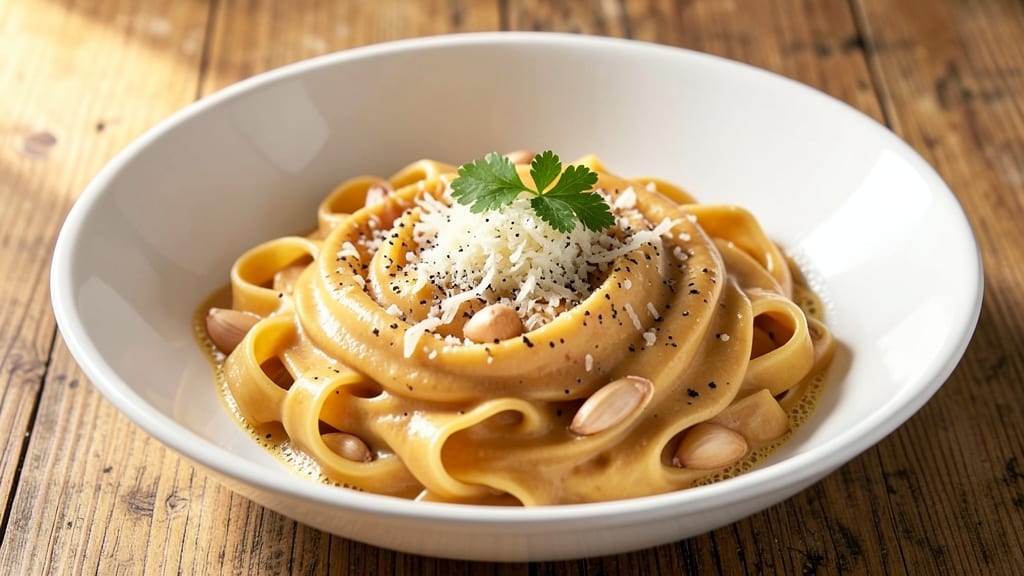
This copycat alfredo sauce recipe delivers the same velvety, restaurant-quality texture you crave—without the artificial ingredients or thickeners found in store-bought versions. The secret lies in a precise method that combines butter, cream, and cheese to create a smooth emulsion that coats pasta perfectly.
I've perfected this recipe over years of testing, ensuring it's foolproof for home cooks while maintaining that authentic Italian flavor profile.
What sets this sauce apart is the roux technique, where butter and flour are cooked together before adding cream and cheese. This creates a stable base that prevents separation, even when reheated later.
The result is a sauce that's rich yet balanced, with a velvety consistency that clings beautifully to fettuccine or any pasta shape. No heavy cream substitutes or cornstarch here—just pure, creamy indulgence in every spoonful.
By the time you're done, you'll have a sauce that's smoother than restaurant versions, with a delicate balance of buttery richness and subtle cheesiness. The best part? It's ready in just 15 minutes and scales perfectly for feeding a crowd or saving leftovers for later.
This is the sauce that'll have everyone asking for seconds—and wondering why they ever bought store-bought.
Use it on fettuccine, chicken, or even as a dipping sauce for breadsticks. The possibilities are endless, but the method remains the same: precise technique for restaurant-quality results at home. Let's get started on making sauce that'll impress even the most discerning alfredo lovers.
Ingredients for copycat alfredo sauce
Eight essential ingredients transform into velvety alfredo sauce that rivals any restaurant version.
| Ingredient | Amount | Notes |
|---|---|---|
| Unsalted Butter 🧈 | ¾ cup | Cold, cut into small cubes |
| All-Purpose Flour 🌾 | ½ cup | Sifted for smooth texture |
| Heavy Whipping Cream 🥛 | 2 cups | Full-fat for creaminess |
| Parmesan Cheese 🧀 | 1 ½ cups | Freshly grated, fine texture |
| Garlic Cloves 🧄 | 4 cloves | Minced for aromatic depth |
| Diamond Crystal Kosher Salt 🧂 | ½ tsp | Adjust to taste |
| Freshly Ground Black Pepper 🌶️ | ¼ tsp | For subtle heat |
| Nutmeg 🌿 | ¼ tsp | Freshly grated for warmth |
| Extra-Virgin Olive Oil 🫒 | 1 tbsp | For finishing, optional |
The butter and flour form the sauce's foundation—this is where the magic happens. Use high-quality unsalted butter (like Plugrá) for optimal flavor development during the roux stage. The flour should be sifted to prevent lumps, which can disrupt the emulsion. For the Parmesan, grate it yourself—pre-grated contains anti-caking agents that prevent smooth blending. I recommend Parmigiano-Reggiano for its rich, nutty profile, but Pecorino Romano works well too. The garlic should be minced finely—not chopped—to distribute flavor evenly without bitterness. Store these dry ingredients in airtight containers away from light to preserve freshness.
No heavy cream? Full-fat Greek yogurt thinned with milk mimics the texture, though the flavor will differ slightly. Substituting Parmesan? Gruyère or aged cheddar work in a pinch, but reduce to 1 cup for milder flavor. The nutmeg is crucial—omit it entirely if you dislike its earthy notes, but don't reduce the amount. For the roux, don't rush the cooking—it should be pale golden, not browned. If your sauce separates, whisk in 1 tablespoon of cold water to re-emulsify. The olive oil finishing is optional but adds a bright, fruity note that cuts through the richness.
This sauce reheats beautifully—simmer gently on low heat, stirring frequently to prevent scorching. Store in an airtight container in the fridge for up to 5 days, or freeze in ice cube trays for single portions. For best results, reheat portions in a saucepan with a splash of pasta water to restore creaminess. The sauce thickens as it cools, so thin with warm milk if needed. Freeze for up to 3 months—it's perfect for batch cooking when you're prepping multiple meals.
Why You'll Love This Recipe
- Here’s the secret: melt the butter low and slow, then whisk in the flour until it’s golden. The heavy cream comes next, and suddenly, you’ve got that velvety texture without a single lump in sight.
- Five-Ingredient Magic: I swear by this combo—rich butter, flour, cream, and parmesan do all the heavy lifting while I handle the garlic. No fancy techniques, just a pot and a whisk.
- Creamy Without Clumps: Here’s the secret: melt the butter low and slow, then whisk in the flour until it’s golden. The heavy cream comes next, and suddenly, you’ve got that velvety texture without a single lump in sight.
- Dinner Party Ready: Slap this sauce on fettuccine for a restaurant-worthy dish that takes less time than ordering takeout. Between us, it’s the one I pull out when my in-laws visit—and they never ask for the recipe.
Step-by-step instructions for copycat Alfredo sauce recipe
This method delivers restaurant-quality Alfredo with a velvety emulsion and perfect balance.
Create the Roux Foundation
Melt the 0.75 cup unsalted butter in a heavy-bottomed saucepan over medium heat. Once fully melted and foaming subsides, reduce heat to medium-low and whisk in the 0.5 cup all-purpose flour all at once. This creates a roux that will form the base of your sauce.
Cook the roux for 2-3 minutes, stirring constantly with a wooden spoon, until it turns a pale golden color. You're looking for a smooth, paste-like consistency that coats the back of a spoon. This step is critical—overcooking will develop a raw flour taste, while undercooking won't provide enough thickening power. The roux should smell nutty and toasty, not floury.
Infuse with Aromatics
Add the 4 minced garlic cloves to the roux and cook for 30-45 seconds until fragrant but not browned. The garlic should release its aroma without developing a bitter edge. Immediately whisk in the 2 cups heavy whipping cream and bring the mixture to a gentle simmer over medium heat.
Let the sauce simmer uncovered for 5-7 minutes, stirring frequently, until it thickens noticeably. You'll see the sauce pull away from the sides of the pan and coat the back of a spoon. This simmering step develops the sauce's rich flavor and proper consistency. If the sauce starts to bubble vigorously, reduce the heat slightly to maintain a gentle simmer.
Incorporate Cheese and Seasonings
Reduce heat to low and gradually whisk in the 1.5 cups freshly grated parmesan cheese until fully melted and smooth. This should take about 2-3 minutes of constant stirring. The cheese should dissolve completely without any graininess remaining. If you encounter lumps, strain the sauce through a fine-mesh sieve for a silky texture.
Season immediately with the 0.5 tsp diamond crystal kosher salt, 0.25 tsp freshly ground black pepper, and 0.25 tsp nutmeg. Taste and adjust seasoning—Alfredo should be rich but not overly salty, with just a hint of nutmeg warmth. The sauce should now have a luxurious, velvety appearance with a glossy sheen. If the sauce is too thick, whisk in 1-2 tablespoons of hot water to reach your desired consistency.
Finish and Serve
For an optional final touch, remove the sauce from heat and stir in the 1 tablespoon extra-virgin olive oil. This adds a subtle fruity note that balances the richness. The olive oil should blend seamlessly into the sauce, enhancing its depth without altering the texture.
Serve the sauce immediately over hot fettuccine or your choice of pasta, tossing gently to coat each strand. The sauce should cling beautifully to the pasta with a glossy finish. For best results, keep the sauce warm in a slow cooker or double boiler until serving. This copycat version delivers that signature creamy texture and rich parmesan flavor found in the best restaurant Alfredo dishes.
Pro Tips For Making Copycat Alfredo Sauce
- Cook Butter Low: Melt the butter over medium-low heat—no rush. I learned this the hard way after watching butter turn nutty and bitter in seconds. You want it warm and liquid, not golden or smoking, so the roux builds flavor without bitterness.
- Toast Flour Properly: Cook the flour-butter mix until it smells nutty and turns a pale golden color—about 2-3 minutes. Too pale? It’ll taste raw. Too dark? You’re on your way to burnt flour. This is the thing that matters most for that rich, velvety base.
- Strain the Cheese: Skip the grating—blend the Parmesan into the sauce for ultra-smooth texture. I know, I know, grating takes effort, but clumps ruin the silky finish. (Yes, even if you’re impatient like me.)
- Warm Cream First: Heat the heavy cream to 160°F before adding it to the roux—just until tiny bubbles form at the edges. Cold cream shocks the sauce, making it split or curdle. A quick 30-second microwave zap does the trick if you’re in a hurry.
Perfect pairings for this recipe
Pasta Pairings
This sauce was designed for fettuccine, but don't limit yourself—it works beautifully with tagliatelle, linguine, or even pappardelle. The wide, flat surfaces of these noodles create perfect surface area for the sauce to cling.
For a rustic touch, try homemade egg noodles or gluten-free brown rice pasta if you need a lighter option. 🍝
For a fun twist, toss the sauce with chicken tenders or shrimp scampi instead of pasta. The creamy texture complements protein perfectly, making it ideal for a quick weeknight dinner. I've even used it as a dipping sauce for garlic bread or baked ziti as a topping.
Protein Additions
Grilled filet mignon or chicken breast slices elevate this sauce into a main course. The buttery richness of the sauce enhances the natural flavors of the meat. For a vegetarian option, try sautéed mushrooms or roasted eggplant to soak up the creamy goodness. 🍗
Creamy Alfredo pairs wonderfully with baked salmon or seared scallops for a luxurious seafood dish. The sauce's mild flavor lets the delicate taste of seafood shine while adding richness. I often serve this combo at dinner parties—it's always a crowd-pleaser.
Vegetable Complements
Add sautéed spinach or broccolini to the sauce for a pop of color and nutrients. These greens wilt beautifully in the warm sauce, adding freshness. For a heartier dish, stir in roasted asparagus tips or blistered green beans just before serving. 🥦
Caramelized onions or shallots add sweet depth to the sauce. Sauté them until golden brown and fold them into the finished sauce for extra flavor complexity. I also like adding sun-dried tomatoes for a tangy contrast to the creamy texture.
Bread & Appetizers
This sauce makes an excellent dipping sauce for garlic knots, mozzarella sticks, or fried calamari. The creamy texture contrasts perfectly with crispy fried foods. Serve with warm crusty bread or baguette slices for scooping. 🥖
For appetizers, try Alfredo-stuffed mushrooms or baked potato skins topped with this sauce. The versatility of Alfredo makes it perfect for both main courses and appetizers—it's a pantry staple that works in multiple ways.
Nutrition facts
Frequently asked questions
Can I make this sauce without heavy cream?
Yes! For a lighter version, substitute 2 cups whole milk with 1 cup Greek yogurt (thinned with 1/2 cup milk). For richness, use 2 cups half-and-half. The texture will be slightly thinner but still creamy. The key is to simmer longer to thicken naturally.
Why did my sauce turn grainy?
Graininess usually means the cheese didn't melt fully. Stir constantly over low heat until smooth, then strain through a fine-mesh sieve if needed. For prevention, use freshly grated Parmesan (no pre-shredded) and add cheese gradually while whisking vigorously.
How do I fix separated sauce?
Whisk in 1-2 tablespoons cold water while heating gently on low. The emulsion will reform as the ingredients re-blend. For stubborn separation, mix 1 teaspoon cornstarch with 1 tbsp cold water, then stir into the sauce until smooth.
Can I make this sauce ahead?
Store in an airtight container in the fridge for up to 5 days. Reheat gently on low, stirring frequently and adding 1-2 tbsp pasta water to restore creaminess. For freezing, portion into ice cube trays—thaw overnight in the fridge before reheating.
What's the best pasta to use?
Fettuccine is classic, but tagliatelle or linguine work perfectly too. For extra sauce cling, try pappardelle or gluten-free brown rice noodles. The wider the noodle, the better the sauce adhesion!