
Sauces & Condiments
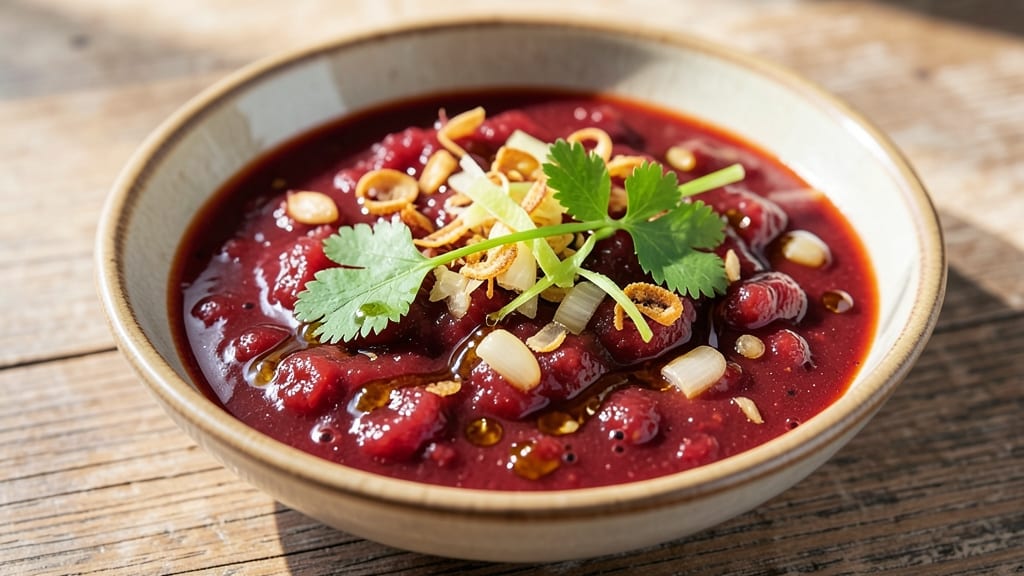
Transforming simple pantry staples into a bold, tangy chutney sauce is one of those cooking skills that elevates every dish it touches. The secret lies in balancing sweetness, acidity, and heat—something that takes just 20 minutes on the stove but delivers restaurant-quality flavor.
I developed this recipe after realizing how often I reached for store-bought chutney, only to find it lacking the depth of homemade versions.
What makes this chutney sauce special is its versatility—it works as a marinade, dipping sauce, or finishing glaze, and the ingredient ratios are precise enough for consistent results every time.
The base of onions, garlic, and ginger forms the aromatic foundation, while vinegar and spices create that signature tangy kick. For those who prefer milder flavors, simply reduce the chili content or omit it entirely.
By the end, you'll have a smooth, vibrant sauce with a perfect balance of sweetness from tomatoes, acidity from vinegar, and a subtle heat that lingers. This chutney sauce keeps well in the refrigerator for up to two weeks, making it an ideal pantry staple for quick meals.
The best part? It transforms ordinary dishes—grilled meats, roasted vegetables, or even sandwiches—into something extraordinary.
Whether you're serving it with crispy samosas, drizzling over grilled chicken, or using it as a marinade for tofu, this chutney sauce delivers professional results with minimal effort. Let's get started on creating your own flavor-packed version today.
Ingredients for chutney sauce
Pantry staples transform into vibrant chutney sauce with just 10 ingredients.
| Ingredient | Amount | Notes |
|---|---|---|
| Yellow Onions 🧅 | 1 whole | Medium-sized, finely chopped |
| Garlic Cloves 🧄 | 6 cloves | Fresh, minced |
| Fresh Ginger 🌿 | 1 tbsp | Grate finely, no skin |
| Canned Crushed Tomatoes 🍅 | 1 can | 15 oz can, no salt added |
| Apple Cider Vinegar 🍎 | ½ cup | Raw, unfiltered preferred |
| White Vinegar 💧 | ¼ cup | For extra tang |
| Granulated Sugar 🍚 | ¼ cup | Light brown sugar works too |
| Red Chili Powder 🌶️ | 1 tbsp | Adjust for heat preference |
| Ground Cumin 🌿 | 1 tsp | Toasted for deeper flavor |
| Ground Coriander 🌿 | ½ tsp | Fresh cilantro seeds if available |
The onions, garlic, and ginger form the aromatic soul of this sauce. Yellow onions should be firm and free of sprouts—any grocery store will have them, but Trader Joe's often carries the sweetest varieties. For ginger, grab the knobby, plump pieces—they're usually fresher. Costco sells ginger in larger quantities if you plan to make this often. The crushed tomatoes are where the sweetness comes from, so no-salt-added is key—Muir Glen is my go-to brand. If you can't find it, just rinse a regular can well.
No apple cider vinegar? White vinegar or balsamic work in a pinch, though the flavor will differ slightly. Skip the sugar? Honey or maple syrup adds depth, but the sauce will taste sharper. Chili powder too spicy? Cut it in half and add a pinch of smoked paprika for warmth without heat. The spices are the secret—toast the cumin seeds whole in a dry pan for 30 seconds before grinding for a nutty kick. If you're feeling fancy, swap the ground coriander for fresh cilantro seeds toasted and ground.
This sauce keeps beautifully. Pour it into a clean glass jar and store in the fridge for up to 2 weeks. The flavors actually meld better after a day or two. For longer storage, freeze in ice cube trays—perfect for single-use portions. I always make double batches because it disappears fast. Drizzle it over everything—grilled chicken, roasted veggies, or even popcorn for a savory twist.
Why You'll Love This Recipe
- No Chopping Nightmare: I swear by this—just dice one onion and mince a few garlic cloves. The rest? Sauté, crush, stir. My hands stay clean, and my kitchen doesn’t look like a war zone after.
- Tangy-Sweet Magic: That vinegar cut through the richness of the tomatoes while the ginger and onions built this deep warmth. It’s the kind of sauce that makes you pause mid-bite—like a hug in flavor.
- Pantry-to-Table Power: I’ve drizzled it over grilled chicken, stirred it into lentils, and even used it as a marinade. Honestly, the crushed tomatoes and vinegar make it adaptable enough that I forget I’m “cooking” at all.
- Lasts All Week: Make a big batch—it keeps for days in the fridge. Between us, I’ve had this same jar for five meals, and it only gets better as the flavors meld. Budget-friendly? More like cheat-code friendly.
Step-by-step instructions for pantry staples simmered to bold, tangy flavor
Here's how to transform simple pantry ingredients into a vibrant, versatile chutney sauce.
Sauté the Aromatic Base
Heat a medium saucepan over medium heat and add the 1 whole yellow onions, finely chopped. Cook for 5-6 minutes until they soften and begin to turn translucent, stirring occasionally. This step builds the foundation of flavor.
Add the 6 cloves garlic cloves, minced, and the 1 tablespoon fresh ginger, finely grated. Cook for another 2-3 minutes until the garlic becomes fragrant and the ginger loses its raw bite. You'll notice the mixture darkens slightly—this is normal and indicates the flavors are melding together.
Add Spices and Tomatoes
Reduce the heat to low and stir in the 1 tablespoon red chili powder, 1 teaspoon ground cumin, and 0.5 teaspoon ground coriander. Cook for 30 seconds while stirring constantly to toast the spices and release their aromas. This step is crucial for developing depth of flavor.
Pour in the 1 can canned crushed tomatoes and stir well to combine with the spiced aromatics. Increase the heat to medium-low and let the mixture simmer for 10 minutes, stirring occasionally. You'll see the tomatoes break down slightly and the sauce begin to thicken.
Balance Flavors with Vinegars and Sugar
Add the 0.5 cup apple cider vinegar and 0.25 cup white vinegar to the saucepan. Stir well and let the mixture simmer for 5 minutes to allow the vinegars to mellow and integrate with the other flavors. The tanginess will start to develop as the acids work their magic.
Stir in the 0.25 cup granulated sugar and continue simmering for another 5-7 minutes until the sauce thickens to your desired consistency. You're looking for a sauce that coats the back of a spoon but still has a pleasant flow. Taste and adjust the balance of sweetness and acidity—add more sugar if it's too tart, or more vinegar if it's too sweet.
Simmer to Perfection
Continue simmering the chutney sauce uncovered for 15-20 minutes to allow the flavors to meld and deepen. Stir occasionally to prevent sticking. The sauce should reduce slightly and develop a glossy sheen. You'll notice the aroma becomes more complex and inviting.
When the sauce reaches your desired thickness and flavor intensity, remove it from heat. Let it cool for 5 minutes before transferring to a clean jar. The flavors will continue to develop as it cools, making it even more flavorful when ready to use.
Store and Use
Allow the chutney sauce to cool completely before sealing the jar. It will keep in the refrigerator for up to 2 weeks or can be frozen for 3 months. This versatile sauce pairs beautifully with grilled meats, cheeses, or as a dip for vegetables and chips.
For best results, let the chutney sauce sit at room temperature for 10 minutes before serving to allow the flavors to fully awaken. The balance of sweet, tangy, and spicy notes will make it a standout addition to any meal.
Pro Tips For Making Chutney Sauce
- SWEAT ONIONS LOW AND SLOW: I learned this the hard way—blasting onions on high heat turns them bitter before they even soften. Instead, use medium-low heat and give them 8-10 minutes with a splash of water if they stick. You want them translucent and sweet, not caramelized yet—save that for another dish.
- GRATE GINGER FINE (NO PULSE): Skip the food processor for ginger unless you want a paste that turns your chutney gluey. Use a box grater or microplane and rub it vigorously—this releases the oils evenly without over-processing. (Yes, even if you’re impatient like me.)
- ACIDIFY GRADUALLY: Dumping all the apple cider vinegar at once can curdle the tomatoes. Stir in half first, let it mingle for 2 minutes, then add the rest. This keeps the texture smooth and the flavors balanced—no sudden tang surprises.
- SIMMER UNTIL SYRUPY: Don’t rush the reduction. After the tomatoes break down, keep the heat at a bare simmer and let it thicken for 10-15 minutes. You’re aiming for a sauce that coats the back of a spoon, not just a thinner tomato relish. (Your future self will thank you.)
Essential equipment for great chutney sauce
Medium Saucepan
Your medium saucepan is the workhorse of this recipe—look for one with a 2-3 quart capacity and a heavy bottom to prevent hot spots. I use a Calphalon stainless steel pan because it distributes heat evenly, but any quality brand like All-Clad or Cuisinart works.
Avoid non-stick pans for this recipe since chutney sauce benefits from a bit of caramelization on the bottom. 🔥
Wooden Spoon
A wooden spoon is essential for stirring chutney sauce without scratching your pan. I recommend a 6-inch to 8-inch handle for easy maneuvering. Oxo Good Grips makes a great budget-friendly option, while Lodge offers a more premium wooden handle.
Avoid metal spoons—they can react with the acidity in vinegar and alter flavors over time.
Fine-Mesh Strainer
If you prefer a smoother chutney sauce, a fine-mesh strainer helps remove any fibrous bits from onions or tomatoes. I like the OXO Good Grips stainless steel strainer because it’s durable and easy to clean.
For a quicker (but less refined) option, a cheesecloth works well—just make sure it’s food-grade. Skip this step if you enjoy a slightly rustic texture.
Immersion Blender
For a silky-smooth chutney sauce, an immersion blender is a game-changer. I use the Ninja BN601 because it handles thick sauces effortlessly. If you don’t own one, a regular blender works—just transfer the hot sauce in batches and pulse until smooth.
Avoid food processors for this recipe; they’re too aggressive and can make the sauce too thin. ✨
Measuring Spoons
Precision matters with spices and vinegars, so invest in a set of stainless steel measuring spoons. I swear by the OXO Good Grips set—they’re magnetic and easy to read.
For vinegar, a liquid measuring cup with clear markings ensures accuracy. Never eyeball vinegar or sugar; even small miscalculations can throw off the balance of flavors.
Glass Storage Jars
Store your chutney sauce in airtight glass jars with wide mouths for easy pouring. I use Le Parfait jars because they’re food-safe, microwaveable, and stack neatly in the fridge.
Mason jars are another great option—just ensure they’re sterilized before use. Avoid plastic containers; they can absorb odors and flavors over time, especially with acidic sauces like chutney. 💫
Nutrition facts
Frequently asked questions
Can I make this chutney sauce without tomatoes?
Yes! Swap the 1 can crushed tomatoes for 1 cup tomato paste or 1 cup apple sauce for a smoother texture. For a fruit-based version, try 1 cup mango purée or ½ cup pineapple juice—both add natural sweetness while keeping the tangy profile. Adjust sugar to taste if using fruit.
How do I adjust the spice level?
Start with ½ teaspoon chili powder for mild heat, or reduce to ¼ teaspoon if you prefer no spice at all. For extra kick, add ½ teaspoon cayenne pepper or 1 fresh chili (seeds removed for less heat). Always taste as you go—you can't over-correct spice, but you can't fix blandness later.
What’s the best way to use leftover chutney sauce?
This versatile sauce works as a marinade for chicken, tofu, or shrimp (1-2 hours before cooking), a dip for chips, veggies, or samosas, or a glaze for grilled meats. For extra richness, stir in 1 tablespoon coconut milk or 1 teaspoon olive oil before using. It also elevates sandwiches and wraps!
Why did my chutney sauce turn out too thin?
This usually happens if you didn’t simmer long enough or used too much vinegar. To fix it, return the sauce to low heat and simmer uncovered for 10-15 minutes to reduce. For a quicker fix, mix 1 teaspoon cornstarch with 1 tablespoon water, stir into the sauce, and cook for 2-3 minutes until thickened.
Can I make this chutney sauce vegan?
This recipe is already vegan-friendly, but double-check your ingredients: use vegan sugar (if needed) and ensure your vinegar is plant-based. For extra umami, add 1 tablespoon soy sauce or 1 teaspoon miso paste at the end. The sauce pairs perfectly with vegan dishes like grilled portobello mushrooms or falafel.