
Sauces & Condiments
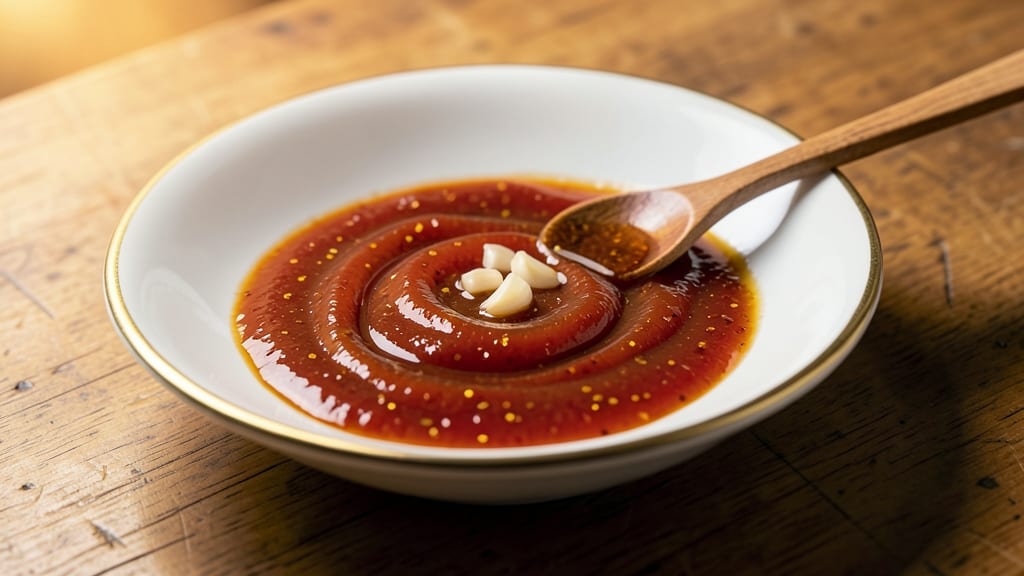
Captain D’s sweet and sour sauce recipe transforms simple pantry staples into a balanced, tangy-sweet condiment that elevates everything from fried chicken to spring rolls.
The secret lies in simmering vinegar, sugar, and ketchup until the flavors meld into a glossy, well-rounded sauce with just the right balance of sweetness and acidity. I’ve refined this version to cut the artificial aftertaste while keeping that signature tangy kick—no shortcuts, just precise ratios for restaurant-quality results.
What sets this sauce apart is its versatility and shelf stability, thanks to a touch of cornstarch that thickens without overpowering the bright flavors. The recipe uses only 8 ingredients, yet delivers depth through careful simmering—no blenders or fancy equipment required.
Perfect for batch cooking, this sauce keeps for up to 2 weeks in the fridge or 6 months frozen, making it ideal for meal prep or gifting.
The final product is glossy, slightly sticky, and packed with layers of flavor—sweet from the brown sugar, tangy from the vinegar, and umami-rich from the soy sauce. It clings beautifully to proteins and vegetables, adding a bright contrast that cuts through richness.
This isn’t just a sauce; it’s a flavor multiplier that transforms ordinary meals into standout dishes.
Whether you’re dipping, drizzling, or tossing, this sauce delivers consistent results every time. The instructions walk through each step to ensure proper balance, so you’ll never end up with something too sweet or overly sour. Let’s get started on making your own pantry-friendly version.
Ingredients for captain d's sweet and sour sauce
Eight pantry staples simmered into a glossy, restaurant-quality sauce with perfect tangy-sweet balance.
| Ingredient | Amount | Notes |
|---|---|---|
| White Vinegar 🍶 | ½ cup | Distilled for clarity and acidity |
| Brown Sugar 🍯 | ¾ cup | Packed firmly for accurate measure |
| Ketchup 🍅 | ½ cup | High-quality, no artificial additives |
| Soy Sauce 🍜 | ¼ cup | Light or regular, not low-sodium |
| Cornstarch 🌾 | 2 tbsp | For smooth thickening without lumps |
| Water 💧 | ½ cup | Room temperature preferred |
| Garlic Cloves 🧄 | 3 cloves | Minced finely for subtle depth |
| Salt 🧂 | ½ tsp | Diamond Crystal preferred for purity |
The vinegar and brown sugar form the sauce's foundation—distilled white vinegar delivers consistent acidity, while packed brown sugar ensures proper sweetness without clumping. For the ketchup, Heinz or Hunt's are reliable choices, but avoid brands with artificial colors. The soy sauce should be light or regular, not low-sodium, as it contributes umami depth. Penzeys or bulk bins offer superior cornstarch for smooth thickening, though regular grocery store brands work fine. Garlic cloves should be fresh, not pre-minced, for optimal flavor impact.
No white vinegar? Apple cider vinegar or rice vinegar work in a pinch, though they may alter the final flavor profile slightly. Substitute brown sugar with white sugar plus 1 tsp molasses for a deeper caramel note. If you're avoiding soy sauce, coconut aminos provide a similar umami punch. For a smoother texture, arrowroot powder instead of cornstarch creates a glossier finish. The water should be room temperature to prevent sudden temperature shifts during simmering, which can cause the sauce to thin unexpectedly.
This sauce thickens as it cools, so test consistency before serving—add water in 1 tbsp increments if needed. Store in an airtight glass jar in the fridge for up to 2 weeks, or freeze in ice cube trays for 6 months. The cornstarch slurry keeps it stable for batch cooking, making it perfect for meal prep. For restaurant-quality results, simmer gently to avoid burning the sugar, and taste frequently to balance sweetness and acidity.
Why You'll Love This Recipe
- Pantry Magic: I swear by this recipe because it uses stuff I already have—no special shopping needed. That brown sugar and vinegar combo? It’s the secret to that perfect tangy-sweet balance without hunting for obscure ingredients.
- Tangy-Sweet Fix: The moment the cornstarch thickens that sauce, you get this glossy, sticky-sweet glaze that clings to everything like a dream. Honestly, it’s the kind of flavor that makes you want to dip everything—even when you’re not cooking.
- Weeknight Hero: This sauce is my go-to for last-minute dinners—toss it with chicken, toss it with fries, or drizzle it over eggs. It’s the kind of thing that turns a simple meal into something that feels like a restaurant dish, even on a Tuesday.
- Budget Stretch: A single batch lasts me forever—leftover sauce keeps in the fridge for days, and I use it in stir-fries, marinades, or even as a glaze for roasted veggies. Between us, it’s the most cost-effective way to add serious flavor without breaking the bank.
Step-by-step instructions for Captain D's sweet and sour sauce
This method transforms simple pantry staples into a restaurant-quality sauce with perfect tangy-sweet balance.
Combine Wet Ingredients in a Saucepan
In a medium saucepan, combine the 0.5 cup white vinegar, 0.75 cup brown sugar, 0.5 cup ketchup, 0.25 cup soy sauce, 0.5 cup water, and 3 minced garlic cloves. Stir well to fully dissolve the brown sugar—this prevents grainy texture in your finished sauce. I like to use a wooden spoon here; it helps scrape up any sugar crystals clinging to the pan.
Bring the mixture to a gentle boil over medium-high heat, then immediately reduce to medium-low heat. Let it simmer uncovered for 8-10 minutes, stirring occasionally. You'll notice the liquid gradually reduces and thickens slightly as the flavors meld together. The aroma should develop into a complex blend of sweet, tangy, and umami notes—this is where the magic happens.
Create a Smooth Cornstarch Slurry
While the sauce simmers, create a smooth slurry by whisking together the 2 tablespoons cornstarch and 2 tablespoons water in a small bowl. This ratio is crucial—too much water will make the sauce watery, while too little will create lumps. Whisk vigorously until completely dissolved; the mixture should be smooth and lump-free.
Here's the thing—adding dry cornstarch directly to the sauce will create clumps. The slurry method ensures a silky, glossy finish. Keep this mixture nearby as you'll add it in the next step when the sauce reaches the right consistency.
Thicken the Sauce to Perfect Consistency
After 8-10 minutes of simmering, taste the sauce. It should be sweet, tangy, and developing depth but still quite thin. This is your signal to add the cornstarch slurry. Pour it in slowly while stirring constantly with a wooden spoon. The sauce will begin to thicken immediately as the cornstarch activates.
Continue simmering for another 3-5 minutes, stirring frequently, until the sauce reaches your desired consistency. It should coat the back of a spoon but still be pourable—not syrupy. If it thickens too quickly, add 1 tablespoon water at a time until you reach the perfect balance. The sauce should be glossy with a smooth texture, ready to coat proteins or vegetables beautifully.
Season and Rest for Maximum Flavor
Remove the sauce from heat and stir in the 0.5 teaspoon salt. Taste again and adjust the seasoning if needed—you might want to add a splash more vinegar for tang or a touch of sugar if it needs more sweetness. The sauce should have a bright, balanced flavor profile with none of the ingredients overpowering.
Let the sauce rest for 5 minutes before using. This resting period allows the flavors to fully meld together, resulting in a more cohesive taste. The sauce will thicken slightly more as it cools, so don't worry if it appears perfect immediately—it will continue to improve as it sits. Serve warm over your favorite proteins or vegetables for an authentic Captain D's experience.
Pro Tips For Making Captain D'S Sweet And Sour Sauce
- Simmer Slow and Steady: After burning the first two batches, I learned this sauce needs low and slow—about 15 minutes on medium-low heat. Rushing it turns the ketchup into a gloopy mess, and the vinegar’s sharpness won’t mellow. Let it bubble gently, like a lazy Sunday morning.
- Whisk the Cornstarch First: Mix the cornstarch with a splash of cold water (or even better, a little ketchup) before adding it to the pot. I used to toss it in dry, and it’d clump like a stubborn toddler refusing to share—now my sauce thickens smoothly every time.
- Balance the Vinegar: That white vinegar is the wild card here. Start with 2 tablespoons, taste it, then adjust—too much and your sauce tastes like a science experiment gone wrong. If it’s too harsh, a pinch of brown sugar or a dash of soy sauce can save it (yes, even after you’ve already stirred).
- Skip the Pre-Mixed Ketchup: Use plain tomato sauce instead of bottled ketchup—it’s the upgrade no one talks about. The extra acidity cuts through the sweetness better, and you won’t taste the weird aftertaste of preservatives. (I know, I know—it’s an extra step, but your taste buds will notice.)
Troubleshooting this recipe
Sauce Too Thin?
If your sauce isn't thickening enough after adding the cornstarch slurry, you likely need more time or higher heat. Bring the sauce to a gentle boil for 1-2 minutes—this activates the cornstarch fully.
If it still runs thin, whisk in 1 extra tablespoon cornstarch mixed with 1 tablespoon water and simmer another 3-5 minutes. Never rush this step; patience prevents graininess. 🌡️
Grainy Texture?
Graininess usually means undissolved sugar or cornstarch. First, ensure your brown sugar is packed firmly and fully dissolved at the start. If lumps appear later, strain the sauce through a fine-mesh sieve into a clean saucepan.
For cornstarch issues, whisk it with double the water (4 tbsp total) to create a smoother slurry. Avoid high heat—it burns sugar and creates grit.
Overpowering Vinegar?
Too much acidity happens when vinegar dominates. Balance it by adding 1-2 tablespoons brown sugar while simmering, or a splash of soy sauce for umami depth. For a quicker fix, stir in ½ teaspoon honey or 1 teaspoon ketchup to mellow the tang. Taste frequently—adjust gradually to avoid over-sweetening. 🍯
Sauce Too Thick?
If your sauce is syrupy or clumpy, thin it with warm water (not cold) in 1-teaspoon increments. Stir constantly to prevent separation. For clumps, blend briefly with an immersion blender or whisk vigorously.
If the texture is permanently ruined, start fresh—this sauce should coat the back of a spoon, not glue it shut.
Flat or Bland?
Lackluster flavor often means insufficient simmering or weak ingredients. Boost depth by adding ½ teaspoon minced ginger or ¼ teaspoon red pepper flakes during the initial simmer. For umami, increase soy sauce to 3 tablespoons (if starting over). Let the sauce rest 10 minutes before tasting—flavors develop during cooling. 💡
Storage Issues?
Sauce separating or molding? Always store in an airtight glass jar in the fridge. If it thickens too much, whisk in 1 tablespoon water before using. For freezing, portion into ice cube trays—thaw in the fridge overnight.
Never refreeze thawed sauce; it loses texture. Label containers with dates to track freshness (up to 2 weeks refrigerated or 6 months frozen). ❄️
Nutrition facts
Frequently asked questions
Can I make this sauce without cornstarch?
The cornstarch creates that signature glossy texture and proper thickness, but you can substitute with 1 tablespoon arrowroot powder mixed with 1 tablespoon water for a similar effect. Without a thickener, the sauce will be more watery—ideal for dipping but not for glazing. For a thicker alternative, reduce the water by 2 tablespoons and simmer longer, but expect a slightly less smooth finish.
How do I adjust the sweetness or tang?
Start with the recipe as written, then taste as you go. For more sweetness, add 1 tablespoon brown sugar while simmering. For extra tang, stir in 1 teaspoon vinegar. Adjust gradually—you can always add more, but you can't easily remove excess sweetness or acidity. The ideal ratio is 1:1 sweet-to-tangy with a hint of umami from the soy sauce.
What’s the best way to use this sauce?
This versatile sauce works as a dipping sauce for fried chicken, spring rolls, or moo shu pork. Drizzle it over grilled meats, noodles, or stir-fried vegetables for extra flavor. It also makes an excellent marinade—combine with 1 tablespoon soy sauce and 1 teaspoon ginger for tender, flavorful proteins. The glossy texture clings beautifully to foods, making every bite more delicious.
Can I make this sauce ahead of time?
This sauce actually tastes better after resting. Store it in an airtight glass jar in the fridge for up to 2 weeks. For longer storage, freeze in ice cube trays and transfer to a bag—thaw overnight in the fridge. Reheat gently on the stove or microwave until warm. The flavors meld beautifully over time, making it perfect for meal prep.
Why does my sauce taste artificial?
Artificial flavors often come from low-quality ketchup or vinegar. Use Heinz or Hunt's ketchup (avoid brands with artificial colors) and distilled white vinegar for clarity. For extra depth, add ½ teaspoon minced garlic or ¼ teaspoon smoked paprika during simmering. The cornstarch slurry should also be smooth—lumps can create a grainy, off taste. Simmering longer helps natural flavors develop.