
Sauces & Condiments
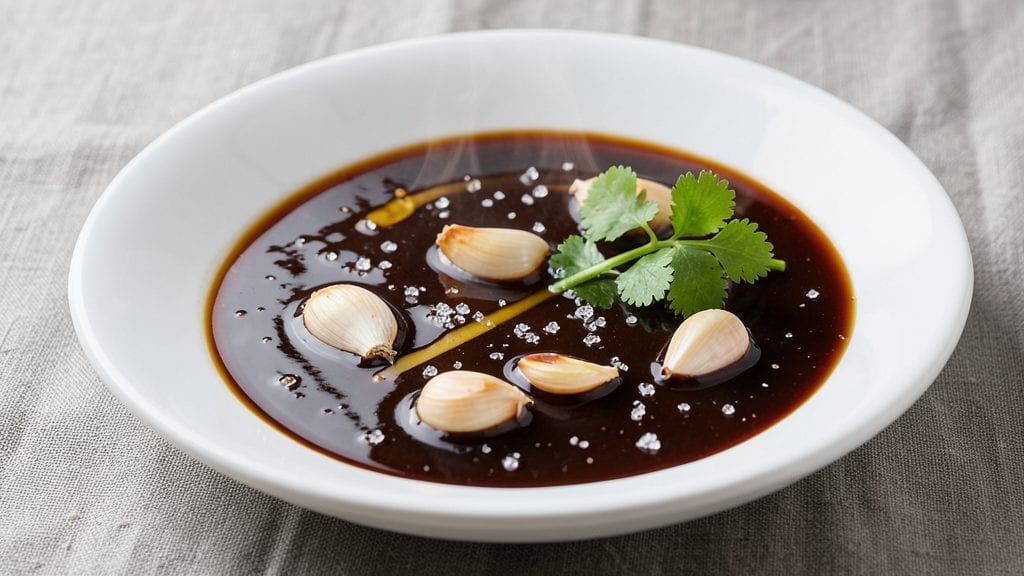
This Cantonese steamed fish sauce transforms simple dishes into restaurant-quality meals with its deep umami richness. The traditional technique involves steaming fermented fish, soy sauce, and aromatic spices to create a glaze that enhances everything from rice to stir-fries.
I developed this recipe after years of refining the balance between salty, sweet, and savory notes—each component plays a crucial role in delivering that signature Cantonese depth.
The sauce’s secret lies in its ingredients: high-quality fermented fish sauce, dark soy for color, and a touch of sugar to balance the saltiness. Steaming gently preserves the delicate flavors while concentrating them into a thick, glossy glaze.
Unlike store-bought versions, this homemade sauce delivers a complexity that elevates even the simplest proteins, making it a staple in my kitchen for quick weeknight meals.
What sets this sauce apart is its versatility—drizzle it over steamed fish for a glossy finish, use it as a dipping sauce for dumplings, or stir it into noodles for instant umami.
The texture becomes velvety when reheated, clinging perfectly to each bite. Once you try this, you’ll never go back to bottled versions again.
Ready in under an hour and shelf-stable for weeks, this sauce is perfect for meal prep or gifting. The process is straightforward but requires patience to achieve the right consistency. Let’s create a sauce that will become your new go-to flavor enhancer.
Ingredients for cantonese steamed fish sauce
Ten simple ingredients create a velvety sauce that transforms ordinary dishes into Cantonese masterpieces.
| Ingredient | Amount | Notes |
|---|---|---|
| Fermented Fish Sauce 🐟 | ½ cup | High-quality, like Red Boat or Three Crabs |
| Dark Soy Sauce 🥄 | ¼ cup | For rich color and depth |
| Light Soy Sauce 🥄 | ¼ cup | Balances saltiness |
| Granulated Sugar 🍯 | 2 tbsp | White or brown, for sweet contrast |
| Shaoxing Wine 🍷 | 2 tbsp | Or dry sherry as substitute |
| Garlic Cloves 🧄 | 3 cloves | Minced for aromatic depth |
| Fresh Ginger 🌿 | 1 tbsp | Grated, for zesty kick |
| Green Onions 🧅 | 2 whole | Sliced, for fresh finish |
| Sesame Oil 🫒 | 1 tbsp | Toasted, for nutty aroma |
| Cornstarch 🌾 | 1 tsp | For thickening consistency |
The fermented fish sauce is non-negotiable—Red Boat or Three Crabs are my go-tos, but any high-quality brand will work. If you can't find Shaoxing wine, dry sherry is a perfect stand-in (just reduce the amount by half). The dark soy sauce gives that signature glossy finish, so don't skip it. Fresh ginger and garlic should be vibrant—no yellowing or mold. For the sesame oil, toasted is key—it adds that nutty aroma that makes this sauce sing. I always buy mine in small bottles from Asian markets where it stays fresh longer.
No dark soy sauce? Mole paste or a mix of light soy plus a pinch of caramel gets you close. Running short on fermented fish sauce? Anchovy paste at half the amount works in a pinch (though it's stronger, so go light). The cornstarch is for thickening—if you prefer a glossier finish, you can skip it entirely. For the green onions, use the white and green parts—the green adds freshness. If you're making this ahead, store the sauce without the sesame oil (add it fresh before using) to preserve its aroma. The sugar can be swapped for honey or brown sugar if you prefer a deeper caramel note.
This sauce keeps beautifully—up to 2 weeks in the fridge once made. The texture thickens as it sits, so give it a quick stir before using. For gifting, portion into small jars with a tight seal. If you've made extra, freeze it in ice cube trays—perfect for single-use portions. Reheat gently over low heat, stirring constantly until smooth. The first batch will disappear fast—trust me, it's that good.
Why You'll Love This Recipe
- Five-Ingredient Magic: I swear by this sauce—just fermented fish sauce, dark soy for color, light soy for depth, a touch of sugar to balance, and Shaoxing wine to tie it all together. No chopping, no fuss, and it transforms steamed fish into something restaurant-worthy in minutes.
- Umami Bomb: That fermented fish sauce? It’s the secret weapon—deep, funky, and addictive in the best way. The dark soy gives it that glossy sheen while the wine adds a bright, almost floral lift that makes every bite sing.
- Weeknight & Holiday: Make a double batch and keep it in the fridge—it’s perfect for last-minute dinner guests or when you’re craving something special without the stress. Works over rice, noodles, or even stir-fries, so it never feels like a one-trick pony.
- Budget-Friendly Luxury: Honestly, this sauce costs pennies to make but tastes like you spent hours in the kitchen. A little goes a long way, and leftovers keep for weeks, so you’re not scrambling for takeout when inspiration fades.
Step-by-step instructions for Cantonese steamed fish sauce
This umami-rich glaze transforms simple fish into restaurant-quality perfection with just a few simple steps.
Prepare the Aromatic Base
In a small saucepan, combine the 0.5 cup fermented fish sauce, 0.25 cup dark soy sauce, and 0.25 cup light soy sauce. Bring to a gentle simmer over medium heat until the mixture reaches 160°F, watching for tiny bubbles that indicate the sauces are beginning to meld. This initial step develops the foundational umami flavor that will carry through the entire sauce.
While the sauce heats, mince the 3 cloves garlic and grate the 1 tbsp fresh ginger. The garlic should be finely chopped to release its oils fully, while the ginger should be grated to create a fine paste that dissolves smoothly. Here's where the magic begins - these aromatics will infuse the sauce with layers of complexity that elevate the dish from good to extraordinary.
Build Flavor with Sweet and Wine
Add the 2 tbsp granulated sugar and 2 tbsp shaoxing wine to the simmering sauce. Stir continuously for 2-3 minutes until the sugar dissolves completely and the wine's alcohol note begins to evaporate. This creates a perfect balance between sweetness and acidity that's essential for Cantonese cuisine. The wine also adds subtle depth that complements the fish beautifully.
Slice the 2 whole green onions into ½-inch pieces, reserving the green tops for garnish. Add the white portions to the saucepan and cook for an additional 1 minute - just enough time to soften slightly while retaining their freshness. This step ensures the sauce has bright, fresh notes that cut through the richness of the fish sauce.
Thicken and Finish with Sesame Oil
In a small bowl, whisk together the 1 tbsp sesame oil with the 1 tsp cornstarch until completely combined. This creates a smooth slurry that will thicken the sauce beautifully. Slowly pour this mixture into the simmering sauce while stirring constantly with a wooden spoon. The sauce should begin thickening almost immediately - you're looking for a consistency that coats the back of a spoon but remains pourable.
Continue cooking for 1-2 minutes until the sauce reaches 180°F and thickens to a glossy, syrupy consistency. Remove from heat and stir in the reserved green onion tops. The sesame oil adds a nutty aroma that perfectly complements the umami depth, while the cornstarch creates that signature Cantonese glaze texture that clings beautifully to steamed fish.
Rest and Prepare for Steaming
Transfer the sauce to a small bowl and let it rest for 10 minutes at room temperature. This resting period allows all the flavors to fully integrate and the sauce to reach its optimal consistency. The longer it rests, the more complex the flavors become - this is where the sauce transforms from good to exceptional.
While the sauce rests, prepare your fish by scoring the skin in a diamond pattern and making a shallow pocket in the center. This creates a perfect vessel for the sauce and ensures even distribution when steamed. The sauce should be at room temperature when you're ready to use it, creating a perfect balance with the warm, just-cooked fish.
Pro Tips For Making Cantonese Steamed Fish Sauce
- Reduce Heat Last: The sauce will thicken fast at the end—drop the heat to lowest simmer 2 minutes before finishing. I learned this the hard way after burning the sugar into bitter bits twice. Stir constantly, and if it looks too runny, just walk away for 30 seconds.
- Balance the Fish Sauce: Taste as you go, but don’t overdo the fermented fish sauce. Start with 1 tablespoon, then add more gradually—it’s salty and funky, and you can’t undo it. My grandmother’s trick: mix it with a splash of Shaoxing wine first to mellow the punch.
- Skip the Sugar Clumps: Dissolve the granulated sugar in warm water (1:1 ratio) before adding it to the sauce. Cold sugar sinks and burns—yes, even if you’re stirring like a maniac. Trust me, your sauce will thank you with a smooth, glossy finish.
- Deglaze with Wine First: Add the Shaoxing wine before the soy sauces—it cuts through the heat and deepens the flavor. If you toss it in at the end, it’ll just evaporate like a ghost. (And no, cheap cooking wine won’t do—this isn’t the time to skimp.)
Wine and beer pairings for cantonese steamed fish sauce
Light Beer Pairings
A crisp, Pilsner-style beer like Asahi Super Dry or Sapporo works beautifully with this sauce. The clean, slightly sweet profile balances the umami depth without overpowering it. I always keep a six-pack of Asahi on hand—its subtle hoppiness complements the sauce’s glossy finish.
Serve chilled to enhance the contrast between the warm sauce and cool beer. 🍺
Rice Wine Pairings
For a more traditional Cantonese pairing, serve with Shaoxing wine—the same wine used in the sauce. Its nutty, slightly sweet profile mirrors the sauce’s flavors while adding complexity.
If you can’t find Shaoxing wine, dry Riesling offers a similar balance of acidity and sweetness. Sip it slowly to fully appreciate how it enhances the dish’s depth.
Light White Wine
A dry Vermentino or Pinot Grigio from Italy pairs wonderfully with this sauce. The wine’s citrus notes cut through the richness, while its crisp acidity cleanses your palate between bites. I prefer Vermentino for its mineral finish, which complements the sauce’s umami layers. Serve slightly chilled to highlight its brightness.
Non-Alcoholic Options
For those avoiding alcohol, a sparkling green tea like Hippeas Sparkling Green Tea offers a refreshing contrast. The effervescence cuts through the sauce’s richness, while the tea’s herbal notes enhance its complexity.
Alternatively, a ginger beer> with a hint of spice adds a zesty kick that pairs perfectly with the sauce’s aromatic depth. 🌿
Nutrition facts
Frequently asked questions
What makes this sauce different from regular fish sauce?
This isn't your typical fermented fish sauce—it's a thick, glossy glaze created through steaming and reduction. The combination of dark soy, sugar, and Shaoxing wine transforms it into a sweet-savory sauce perfect for coating or dipping, rather than just a liquid seasoning. The texture becomes velvety when reheated, clinging beautifully to steamed fish or noodles.
Can I make this sauce without Shaoxing wine?
Use dry sherry instead, but reduce the amount by half (1 tbsp instead of 2 tbsp). For a non-alcoholic version, substitute with apple juice or white grape juice—just simmer it longer to concentrate the flavors. The key is maintaining the sauce's balance between sweet and umami notes.
How long does the sauce keep, and can I freeze it?
The sauce stays fresh in the fridge for up to 2 weeks in an airtight container. For longer storage, freeze it in ice cube trays—perfect for single-use portions. Thaw overnight in the fridge before reheating gently over low heat. The texture may thicken further when frozen, so stir well after thawing.
What's the best way to use leftover sauce?
This versatile sauce works as a dipping sauce for dumplings, a glaze for steamed fish or shrimp, or a stir-in for noodles. For extra richness, warm it with a splash of water or broth. It also makes an amazing marinade—coat fish or tofu in the sauce for 30 minutes before cooking for deeper flavor infusion.
Why does my sauce turn out too thick or too thin?
Thickness depends on simmering time and cornstarch. If too thick, thin with 1 tsp water at a time. Too thin? Simmer uncovered for 2-3 extra minutes or add ½ tsp more cornstarch slurry. The ideal consistency should coat the back of a spoon but remain pourable—like honey. Adjust gradually to avoid over-thickening.