
Sauces & Condiments
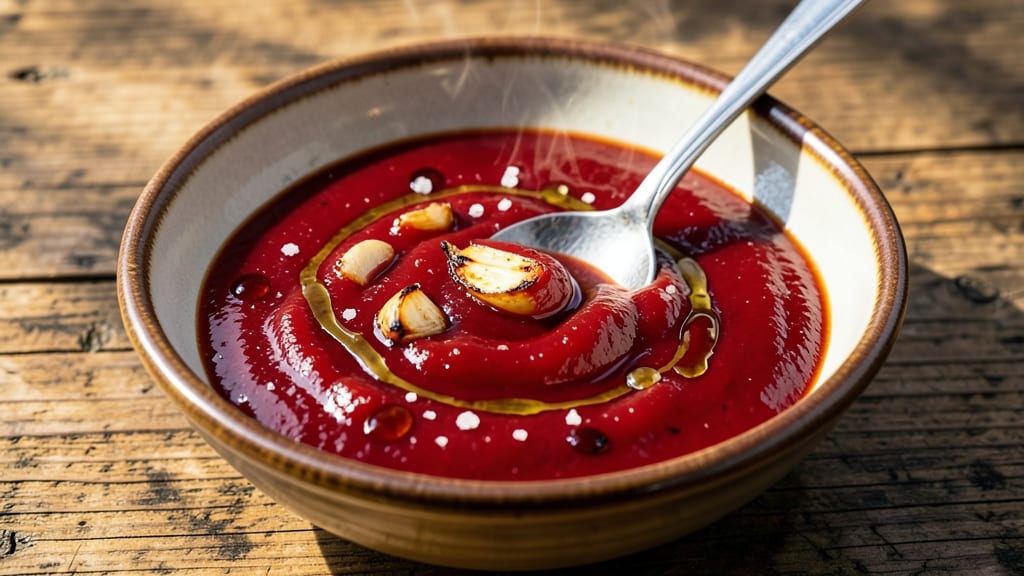
This canned plum tomato sauce recipe transforms simple ingredients into a versatile condiment that elevates pasta, pizza, and braised dishes with its perfect sweet-tart balance.
The key lies in carefully blending ripe plum tomatoes with just enough sugar and acidity to create a sauce that's rich yet bright—no artificial additives needed. I developed this recipe after years of testing canned tomato products, always searching for that authentic, restaurant-quality depth.
The process is straightforward but precise: simmering whole plum tomatoes until they break down into a velvety sauce, then balancing their natural sweetness with a touch of vinegar and a pinch of salt.
What sets this apart is the inclusion of a small amount of honey or sugar, which caramelizes during cooking to enhance the sauce's complexity without overpowering its tartness. The result is a sauce that's vibrant, flavorful, and ready to be canned for long-term storage.
By the time you're done, you'll have a batch of sauce that's smooth, slightly sweet, and tangy enough to cut through rich dishes.
It's the kind of condiment that transforms ordinary meals into something special—whether you're tossing it with pasta, spreading it on pizza dough, or using it as a base for braised meats. The best part?
It keeps well in sterilized jars for months, so you'll always have a taste of summer at your fingertips.
This recipe is perfect for home cooks who want to avoid processed ingredients but still crave that restaurant-quality depth. Whether you're making a big batch for the freezer or canning for long-term storage, the method ensures consistent results every time.
Let's get started on creating your own homemade plum tomato sauce.
Ingredients for canned plum tomato sauce
Nine simple ingredients transform into restaurant-quality canned plum tomato sauce perfect for pasta, pizza, and braising.
| Ingredient | Amount | Notes |
|---|---|---|
| Plum Tomatoes 🍅 | 4 lbs | Ripe, firm, whole tomatoes |
| Extra-Virgin Olive Oil 🫒 | ¼ cup | High quality, fruity variety |
| Red Wine Vinegar 🍷 | ½ cup | For acidity balance |
| Granulated Sugar 🍚 | ½ cup | Light brown preferred |
| Garlic Cloves 🧄 | 6 cloves | Peeled, lightly crushed |
| Salt 🧂 | 1 ½ tsp | Kosher or sea salt |
| Black Pepper 🌶️ | ½ tsp | Freshly ground preferred |
| Fresh Basil Leaves 🌿 | ¼ cup | Packed, stems removed |
| Dried Oregano 🍃 | 1 tsp | Mexican oregano if available |
The tomatoes are everything here. San Marzano if you can find them—they're sweeter and less watery, but regular plum tomatoes work too (just skip the watery ones). I always grab mine from Trader Joe's when they're on sale, but any local farmers market has great options. Look for tomatoes that are vibrant red, firm to the touch, and smell sweet at the stem. The garlic? Fresh is non-negotiable—it adds depth that powdered can't match. Toast the cloves in the olive oil for 30 seconds before adding them to the pot—worth the extra minute.
No red wine vinegar? White wine vinegar or apple cider vinegar works in a pinch, though the flavor will be slightly different. Short on sugar? Honey at half the amount gives a deeper caramelization. Fresh basil wilting? Dried oregano at one-third the amount keeps the Italian vibe. The olive oil matters—use something you'd drizzle on bread. Cheap oil makes the sauce taste flat. And if you're canning, sterilize your jars properly—this sauce keeps for months if done right.
This sauce tastes even better after a few days as the flavors meld. Store sterilized jars in a cool, dark place for up to 12 months. I always make a double batch—one for immediate use, one to stash. The sauce reheats beautifully, so portion it into containers for quick pasta nights. Freeze extras in ice cube trays for single-use portions—perfect for pizza toppings or braised meat bases.
Why You'll Love This Recipe
- No-Chop Necessary: I swear by this—just open those cans of plum tomatoes, dump them in, and let the garlic and vinegar work their magic. The prep is over before you’ve even lit the stove.
- Sweet-Savory Balance: That little hit of sugar and red wine vinegar? It’s the secret weapon. The tomatoes stay juicy, the garlic gets deep and toasty, and the olive oil ties it all together like a cozy hug in a jar.
- Pantry Staple Power: Honestly, if you’ve got canned tomatoes and garlic, you’ve got this. It’s my go-to for quick pasta, bruschetta, or even a fancy charcuterie dip—no fancy shopping required.
- Batch-and-Freeze Friend: Make a big pot, portion it out, and freeze what you don’t use. A jar of this sauce is my lazy-day hero—thaw it, heat it, and boom, dinner’s sorted. (Yes, even on a Tuesday night.)
Step-by-step instructions for canned plum tomato sauce
Transform fresh plum tomatoes into a vibrant, balanced sauce that's perfect for pasta and pizza.
Prepare and Roast the Tomatoes
Preheat your oven to 425°F. Cut the 4 lbs plum tomatoes in half crosswise and place them cut-side down on two rimmed baking sheets. Drizzle each tomato half with 1 tablespoon of the extra-virgin olive oil—this helps caramelize the sugars and deepen the flavor. Roast for 25-30 minutes until the skins blister and turn deep red.
You'll know they're ready when the edges are slightly charred and the tomatoes release easily from the skin. This roasting step concentrates the natural sweetness while mellowing the acidity—it's the secret to that restaurant-quality depth. Let the tomatoes cool slightly before handling, as they'll be hot from the oven.
Blend the Roasted Tomatoes
Transfer the roasted tomatoes to a blender or food processor. Add the 6 cloves lightly crushed garlic cloves, 0.5 cup red wine vinegar, 0.5 cup granulated sugar, 1.5 tsp salt, and 0.5 tsp black pepper. Pulse just until the tomatoes break down into a chunky puree—you want some texture, not a completely smooth sauce.
Here's the thing—don't over-blend. A slightly rustic texture makes this sauce more interesting. If the mixture seems too thick, add 1-2 tablespoons of water to help it blend smoothly. Taste the puree now—you should notice a perfect balance of sweetness from the roasted tomatoes and sugar, with bright acidity from the vinegar.
Simmer and Season
Pour the tomato mixture into a large saucepan and stir in the remaining 0.25 cup minus 2 tablespoons extra-virgin olive oil (you've already used 2 tablespoons on the tomatoes). Bring to a gentle simmer over medium-low heat, then reduce to the lowest setting to maintain a slow bubble. Let it cook uncovered for 20-25 minutes, stirring occasionally.
This slow simmer allows the flavors to meld and the sauce to thicken naturally. You're looking for a consistency that coats the back of a spoon but isn't gluey. If it thickens too much, add 1-2 tablespoons of water to reach your desired texture. The sauce should smell rich and aromatic—like sweet tomatoes with a hint of garlic and vinegar.
Finish with Fresh Herbs
Remove the sauce from heat and stir in the 0.25 cup fresh basil leaves and 1 tsp dried oregano. Let it steep for 5 minutes to infuse the flavors. Then, taste and adjust the seasoning—you might need a touch more salt or sugar to perfect the balance. The basil adds bright freshness while the oregano deepens the earthy notes.
This sauce is incredibly versatile. Use it immediately on pasta, pizza, or braised meats, or let it cool and store it in the refrigerator for up to 5 days or freeze for 3 months. The flavors actually improve as they sit, developing even more complexity. Serve it warm over your favorite dishes for that authentic Italian taste.
Pro Tips For Making Canned Plum Tomato Sauce
- ROAST THE TOMATOES FIRST: I learned this the hard way—skipping the roast step leaves your sauce tasting flat. Toss halved canned plum tomatoes with olive oil, salt, and a pinch of sugar on a baking sheet at 400°F (200°C) for 15-20 minutes. The caramelized edges concentrate flavor and cut through the canned-tomato aftertaste.
- SALT THE GARLIC: Yes, even if you’re impatient like me. Toss minced garlic cloves in a pinch of salt for 5 minutes before cooking—it softens them without burning. This makes a real difference in texture and prevents that bitter, raw garlic taste in the finished sauce.
- SIMMER LOW AND LONG: After adding vinegar and sugar, resist the urge to rush. Let the sauce bubble gently for at least 20 minutes—this lets the acidity mellow and the sugar dissolve evenly. Skim any foam that rises, or your sauce will taste cloudy.
- FINISH WITH COLD OIL: Drizzle in a tablespoon of extra-virgin olive oil at the very end, off the heat. It coats the sauce, softens the acidity, and gives it that glossy, restaurant-quality finish. (Your future self will thank you.)
Flavor customization for these flavors
Sweet-Tart Balance
Adjust the sugar-to-vinegar ratio to suit your taste. For a more pronounced sweetness, add 1 extra tablespoon of honey during simmering—it caramelizes beautifully. Need more tang? Increase the red wine vinegar by 1 tablespoon and simmer an additional 5 minutes to let the acidity mellow.
I often start with 1:1 ratio (sugar to vinegar) but tweak based on the tomatoes' natural sweetness. 🍯
Herb Variations
Swap the basil and oregano for fresh rosemary and thyme for a Provençal twist—simmer the herbs directly in the sauce for 10 minutes before straining. For a Mediterranean vibe, add 1 teaspoon of dried marjoram and ½ teaspoon of smoked paprika.
These herbs pair wonderfully with roasted tomatoes and add depth without overpowering. 🌿
Spicy Kick
Infuse heat by adding 1-2 dried arbol chiles or 1 teaspoon of red pepper flakes during the simmer. For a smoky-spicy profile, stir in ½ teaspoon of chipotle powder or 1 teaspoon of gochujang at the end. The vinegar helps balance the heat while enhancing the sauce’s complexity. 🌶️
Umami Boost
Deepening the umami is easy—add 1 tablespoon of soy sauce or ½ cup of tomato paste during the simmer. For a richer texture, stir in 1 tablespoon of miso paste at the end.
These additions elevate the sauce for braised dishes or hearty pasta. I especially love this in beef-based recipes where umami shines. 🍜
Citrus Brightness
Finish with 1 teaspoon of lemon zest or 2 tablespoons of orange juice for a zesty lift. The citrus cuts through the sweetness and adds a refreshing note, perfect for summer dishes. I often add this just before serving to keep the sauce vibrant. 🍋
Smoky Depth
For a smoky flavor, char 1 teaspoon of smoked salt or ½ teaspoon of liquid smoke into the olive oil before roasting the tomatoes. Alternatively, add 1 teaspoon of maple syrup to the simmering sauce for a caramelized, smoky-sweet profile.
This works beautifully with grilled meats or smoked cheeses. 🔥
Nutrition facts
Frequently asked questions
Why roast the tomatoes instead of using fresh?
Roasting caramelizes the natural sugars in the tomatoes, creating a deeper, more complex flavor profile. This step also mellows their acidity while concentrating their sweetness—key for achieving that restaurant-quality balance in your sauce. Plus, it removes excess water, making the sauce thicker and more stable for canning.
Can I substitute plum tomatoes with other varieties?
Yes, but choose firm, ripe tomatoes with low water content like San Marzano or roma tomatoes. Avoid watery varieties like beefsteak—they’ll dilute your sauce. If using cherry tomatoes, you’ll need about 2 lbs per 1 lb of plum tomatoes, but they’ll add a slightly sweeter, fruitier note.
How do I adjust the sweetness if my tomatoes are tart?
Add 1-2 extra tablespoons of sugar or honey during the simmer and taste frequently. For a natural sweetness boost, try adding ½ cup of cooked apples or pears to the blend—they’ll break down and add subtle sweetness without altering the texture. Always balance with vinegar to maintain acidity.
What’s the best way to can this sauce for long-term storage?
Process the filled jars in a water bath canner for 75 minutes (adjust for altitude). Use new, sterilized pint or quart jars with two-piece lids. Leave ½-inch headspace and ensure jars seal properly. Store in a cool, dark place—the sauce will keep for 12-18 months and tastes even better as it ages.
Can I make this sauce without vinegar?
While vinegar balances the sweetness and acts as a preservative, you can replace it with lemon juice or balsamic vinegar (use ½ cup total). For a non-acidic version, add 1 extra tablespoon of salt and reduce the simmer time to 15 minutes—but refrigerate or freeze within 5 days to prevent spoilage.