
Sauces & Condiments
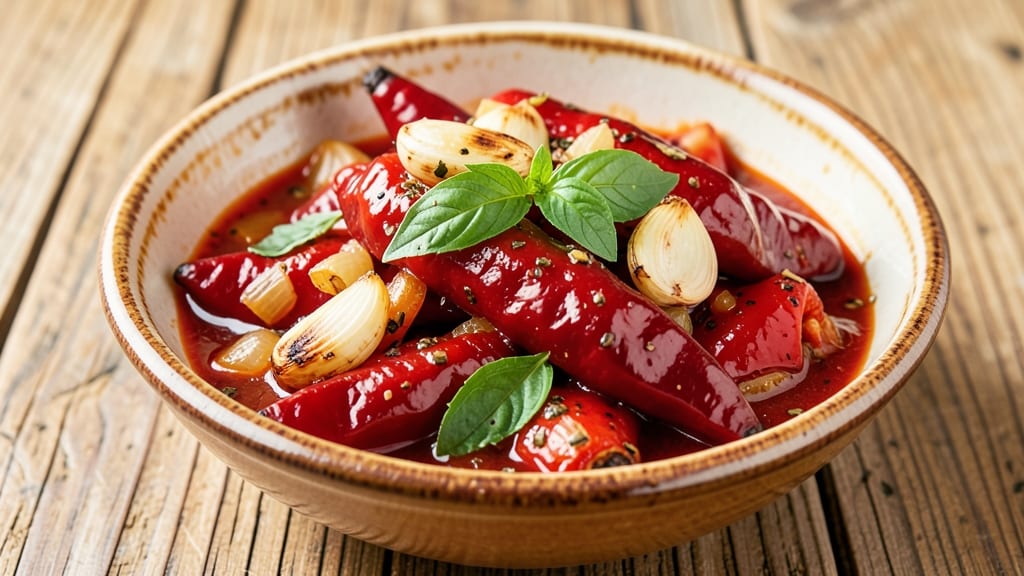
Transforming canned hot peppers in tomato sauce into a smoky-spiced simmer takes just 30 minutes and delivers restaurant-quality flavor that elevates everything from pasta to grilled meats.
The secret lies in balancing the natural heat of the peppers with aromatic herbs and a touch of sweetness, creating a sauce that's both bold and versatile. I developed this recipe during a particularly busy week when I needed something quick but impressive—it never fails to deliver.
This sauce builds depth through slow simmering, allowing the flavors to meld into a rich, velvety consistency that clings perfectly to noodles or meat. The smoky notes from the peppers blend seamlessly with the acidity of the tomato base, while garlic and onion add layers of complexity.
What makes this recipe truly professional is its adaptability—use it as a pasta sauce, meat glaze, or even a dipping sauce for crusty bread.
By the time you're done, you'll have a sauce that's vibrant in color, rich in flavor, and impossibly easy to make. The heat from the peppers is balanced by the sweetness of the tomatoes, creating a perfect harmony that works for both spice lovers and those who prefer milder flavors.
This is the kind of sauce that transforms simple ingredients into something extraordinary with minimal effort.
Whether you're serving it over al dente pasta, drizzling it on grilled chicken, or using it as a marinade, this smoky-spiced simmer will become a staple in your kitchen. Let's get started with a recipe that's as practical as it is delicious.
Ingredients for canned hot peppers in tomato sauce
Pantry staples plus a few key ingredients transform canned peppers into restaurant-quality sauce.
| Ingredient | Amount | Notes |
|---|---|---|
| Canned Hot Peppers in Tomato Sauce 🍅 | 1 can | 28 oz can, good quality brand |
| Yellow Onion 🧅 | 1 whole | Medium, finely diced |
| Garlic Cloves 🧄 | 4 cloves | Fresh, minced finely |
| Extra-Virgin Olive Oil 🫒 | 2 tbsp | For sautéing, fruity variety |
| Dried Oregano 🌿 | 1 tsp | Mexican oregano preferred |
| Dried Basil 🌿 | 1 tsp | Or 1 tbsp fresh basil |
| Smoked Paprika 🌶️ | 1 tsp | For extra smokiness |
| Ground Black Pepper 🌶️ | ½ tsp | Freshly cracked preferred |
| Salt 🧂 | 1 tsp | Kosher or sea salt |
| Tomato Paste 🍅 | 1 tbsp | Squeeze tube or can |
| Red Wine Vinegar 🍷 | 1 tbsp | Balances heat and acidity |
| Honey or Brown Sugar 🍯 | 1 tbsp | Sweetens without overpowering |
| Fresh Basil Leaves 🌿 | ¼ cup | Chopped, for garnish |
The canned peppers are the star here, so pick a good brand—Mueller's or Rotel work well, but avoid anything with added salt. I usually grab mine from Trader Joe's or the Latin market section, where they often carry more vibrant options. The onion and garlic are non-negotiable for depth—don't skip them. For the olive oil, a fruity, extra-virgin variety adds subtle flavor that cheap oil won't. If you're short on time, the tomato paste from a squeeze tube is perfect—no waste, and it keeps forever. The fresh basil at the end? Always buy extra—half gets tossed on top, half goes into the sauce.
No smoked paprika? Regular paprika plus a pinch of liquid smoke works in a pinch. Fresh basil? Dried basil at one-third the amount gets you close, but it won't have the same brightness. The honey or sugar can be swapped for maple syrup if you're out. For extra heat, add a pinch of cayenne, but go easy—this sauce is meant to complement, not overpower. The red wine vinegar is key—it cuts through the richness of the peppers and adds complexity. If you don't have it, a splash of balsamic vinegar works too. The sauce gets better the next day as the flavors meld, so make extra if you can.
This sauce keeps for 5 days in the fridge, covered tightly. Freeze for up to 3 months in airtight containers—it reheats beautifully. I portion mine into small jars so I can grab a handful for pasta or drizzle it over grilled chicken. The basil wilts fast, so store it separately or freeze whole leaves in ice cube trays with a little oil. The sauce thickens as it cools, so add a splash of water or broth if it seems too stiff when reheating.
Why You'll Love This Recipe
- Here’s what sold me: the heat from the peppers cuts through the rich tomato sauce, but the dried oregano softens it into something warm and layered. Honestly, the first time I made it, I added way too much garlic and my husband still asked for seconds.
- I’ll be real: most homemade sauces turn into sad, watery leftovers. Not this one. The peppers hold their bite, the sauce thickens overnight, and reheating it? Just a splash of water and stir. My freezer’s always stocked with jars of this—because it’s the only sauce I’ll actually eat cold the next day.
Step-by-step instructions for smoky-spiced pepper sauce
Let's transform those canned hot peppers into a rich, smoky sauce perfect for pasta or meat.
Sauté Aromatics Until Fragrant
Heat the 2 tablespoons extra-virgin olive oil in a medium saucepan over medium heat. Add the finely diced yellow onion and cook for 5 minutes, stirring occasionally, until softened and translucent. You'll notice the onions begin to caramelize slightly at the edges—that's when you know they're ready for the next step.
Add the 4 cloves minced garlic cloves and cook for another 30 seconds until fragrant. Be careful not to let the garlic burn, as it can turn bitter. The moment you smell that aromatic garlic punch, it's time to add the spices. Stir in the 1 teaspoon dried oregano, 1 teaspoon dried basil, 1 teaspoon smoked paprika, ½ teaspoon ground black pepper, and 1 teaspoon salt. Let the spices toast in the oil for 30 seconds to release their full flavor—this builds a beautiful aromatic base for your sauce.
Build the Sauce Foundation
Pour in the 1 can canned hot peppers in tomato sauce, scraping the bottom of the pan to release any browned bits. Add the 1 tablespoon tomato paste and stir well to combine. The sauce should bubble gently as it begins to heat through. Let it simmer uncovered over medium-low heat for 10 minutes, stirring occasionally, until the mixture thickens slightly and the flavors meld together. You're looking for a sauce that coats the back of a spoon—this ensures it'll cling beautifully to pasta or meat.
Here's where the magic happens: add the 1 tablespoon red wine vinegar and 1 tablespoon honey or brown sugar. The vinegar brightens the flavors while balancing the heat, and the honey or brown sugar adds a subtle sweetness that rounds out the smoky spices. Stir well and let the sauce simmer for another 5 minutes. Taste and adjust seasoning if needed—you might want to add a pinch more salt or a dash of vinegar to perfect the balance.
Finish and Garnish
Remove the sauce from heat and let it cool slightly. This resting period allows the flavors to settle and the sauce to thicken further. Once cooled for 5 minutes, stir in the ¼ cup chopped fresh basil leaves. The fresh basil adds a bright, herbal note that cuts through the smokiness and heat, giving your sauce a restaurant-quality finish.
Taste again and make any final adjustments. If the sauce is too thick, whisk in 1-2 tablespoons water to reach your desired consistency. This versatile sauce keeps well in the refrigerator for up to 5 days, making it perfect for meal prep. Serve it over spaghetti, drizzle it over grilled chicken, or use it as a marinade for steak—the possibilities are endless!
Pro Tips For Making Canned Hot Peppers In Tomato Sauce
- Sweat Onions Low: I used to blast onions on high heat, and they’d turn bitter before caramelizing. For this sauce, cook them over medium-low for 8-10 minutes until soft and translucent—just until they’re ready to release their sweetness, not brown. That’s when the garlic joins the party.
- Drain Peppers Well: Canned peppers hide liquid like a ninja. Dump them into a colander and let them drain for 5 minutes before adding to the pot. Skimp here, and your sauce turns watery, no matter how long you simmer.
- Toast Oregano First: Sprinkle dried oregano over the warm sauce (not boiling) and let it sit for 30 seconds. This wakes up its flavor instead of letting it turn to dust. I learned this the hard way—adding it cold just makes it disappear.
- Simmer Longer: Rushing this sauce? Don’t. Let it bubble gently for 15-20 minutes—it deepens the tomato flavor and lets the peppers mellow out. I know, I know, you’re hungry now, but trust me: patience here makes the difference.
Troubleshooting perfect results
Sauce Too Thin?
If your sauce ends up thinner than expected, simmer it uncovered for an extra 5-10 minutes to let the liquid reduce naturally. For faster results, mix 1 tablespoon cornstarch with 2 tablespoons cold water, stir into the sauce, and cook for 2 minutes until thickened.
I’ve also had success adding 1 tablespoon tomato paste directly to the pan and stirring vigorously—it thickens instantly without altering flavor. 🌡️
Heat Too Overpowering?
Balance excessive heat by adding 1 extra tablespoon honey or brown sugar and simmering for 3 minutes to mellow the peppers. A splash of ½ cup chicken or vegetable broth also dilutes the spice while adding depth.
If you prefer milder heat, reduce the canned peppers to ½ can and add ½ can plain tomato sauce instead. The key is patience—let the sauce sit for 10 minutes before tasting again.
Sauce Too Thick?
Thick sauce happens when simmering too long or using reduced-fat ingredients. Thin it with 1-2 tablespoons water or broth, stirring constantly. For a smoother texture, whisk in 1 tablespoon heavy cream or coconut milk—it also adds richness.
If the sauce separates, blend it briefly with an immersion blender. I’ve found that ½ teaspoon cornstarch slurry (mixed with water) works wonders for restoring consistency without altering flavor.
Burnt Onions or Garlic?
Prevent this by keeping heat at medium-low when cooking onions and garlic. If it happens, immediately remove the pan from heat and stir in 1 tablespoon tomato paste or 1 tablespoon broth to neutralize the bitterness.
For extra insurance, add a pinch of baking soda (just ⅛ teaspoon)—it’s a chef’s trick to counteract burnt flavors. Always taste before proceeding to adjust seasoning.
Sauce Separates When Reheating?
This usually means the sauce cooled too quickly or sat in the fridge uncovered. Reheat it gently on low heat, stirring constantly. If separation persists, whisk in 1 tablespoon cold water or broth and return to heat.
For a smoother texture, blend briefly with an immersion blender. Store reheated sauce in an airtight container and chill immediately to prevent future separation.
Spices Not Developing Flavor?
Toast your spices in the oil for 30-45 seconds until fragrant—this releases their essential oils. If using fresh herbs like basil, add them after removing the sauce from heat to preserve their brightness.
For deeper flavor, simmer the sauce with a bay leaf removed before serving. I also recommend using smoked paprika from Penzeys—it adds a more complex smokiness than store brands.
Nutrition facts
Frequently asked questions
Can I use this sauce for dishes other than pasta?
This versatile sauce works beautifully as a marinade for chicken or steak, a dip for garlic bread, or even a topping for grilled vegetables. The smoky-spiced profile enhances proteins and adds depth to roasted dishes. Try brushing it on shrimp before grilling for extra flavor.
How do I adjust the heat level?
For milder heat, reduce the canned peppers to ½ can and add ½ can plain tomato sauce instead. To increase spice, add ½ teaspoon cayenne pepper or leave the peppers whole (seeds in). Always taste before serving—heat builds as the sauce cools.
Can I make this sauce in a slow cooker?
Yes! Combine all ingredients in your slow cooker and cook on low for 2-3 hours, stirring occasionally. The low-and-slow method deepens the flavors even more. Add fresh basil at the end, just before serving. This is perfect for meal prep when you're busy.
What's the best way to store leftovers?
Let the sauce cool completely, then transfer to an airtight container. It keeps in the fridge for 5 days or freezes for 3 months. For best results, reheat gently on low heat and stir in a splash of water if it thickens too much. The flavors actually improve overnight!
Can I substitute canned hot peppers with fresh?
Fresh hot peppers work but require prep: remove seeds and membranes, dice, and sauté for 3-4 minutes before adding other ingredients. Use 1 large fresh pepper (like jalapeño) for every ½ can of canned peppers. Fresh peppers add vibrant color but may make the sauce thinner.